Solar Energy Storage Options UK
Price a solar and battery system
Battery sizing changes your savings more than panel count does. Get a price for a system sized to how you actually use electricity.
Price Solar + BatteryFree, no obligation. MCS-certified installers only.
What are the options for storing solar energy?
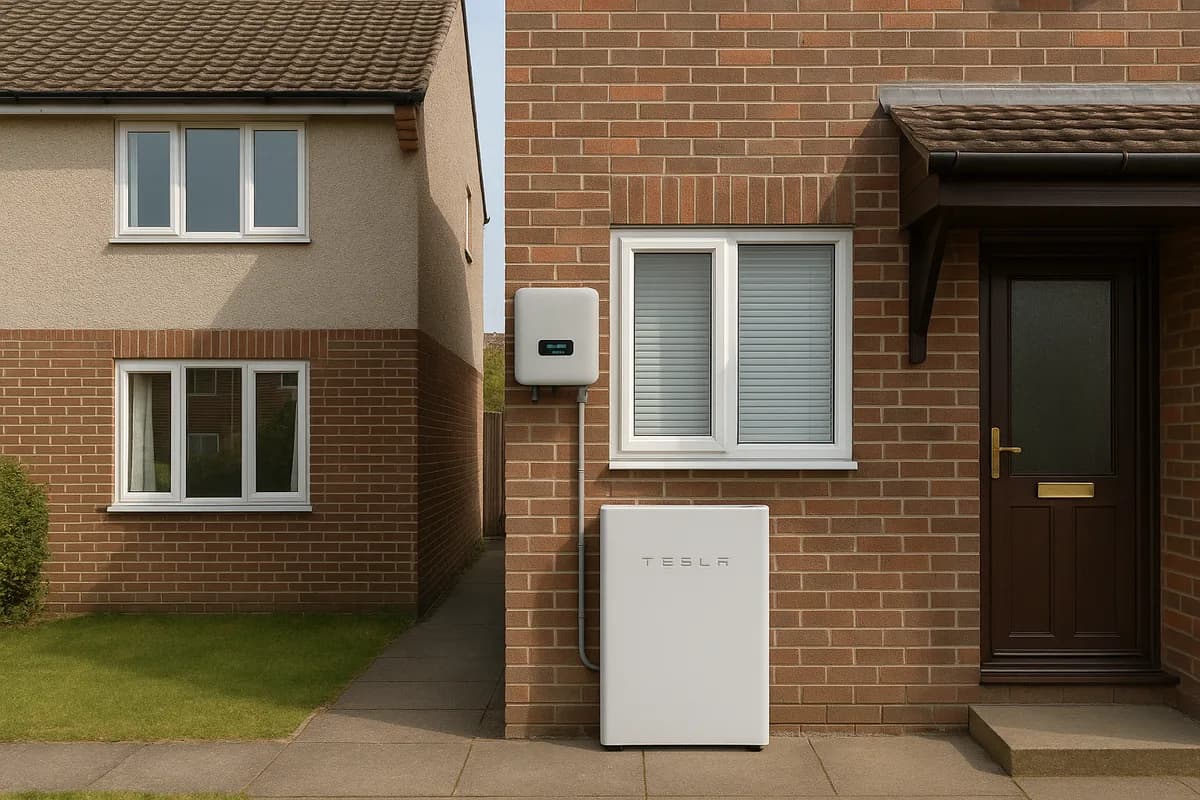
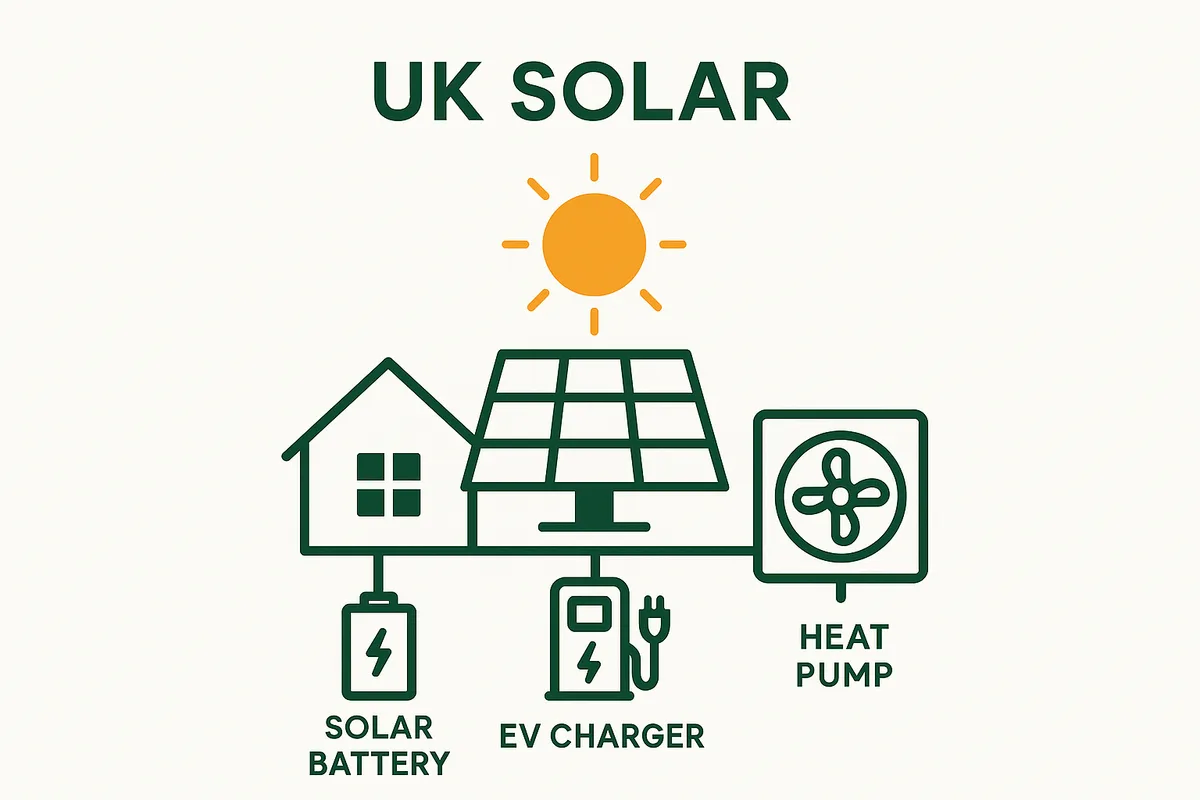
UK solar energy storage options include: lithium batteries (£3,000–£7,500, store 5–13kWh for evening use), hot water diverters (£200–£500, heat your water cylinder from surplus solar), EV batteries (your car as a storage device via smart charging), and thermal storage (heating your home's thermal mass during solar hours). Lithium batteries are the most versatile but also the most expensive. Hot water diverters offer the fastest payback. The optimal approach uses multiple storage methods together.
Option 1: Lithium Battery Storage (Most Popular)
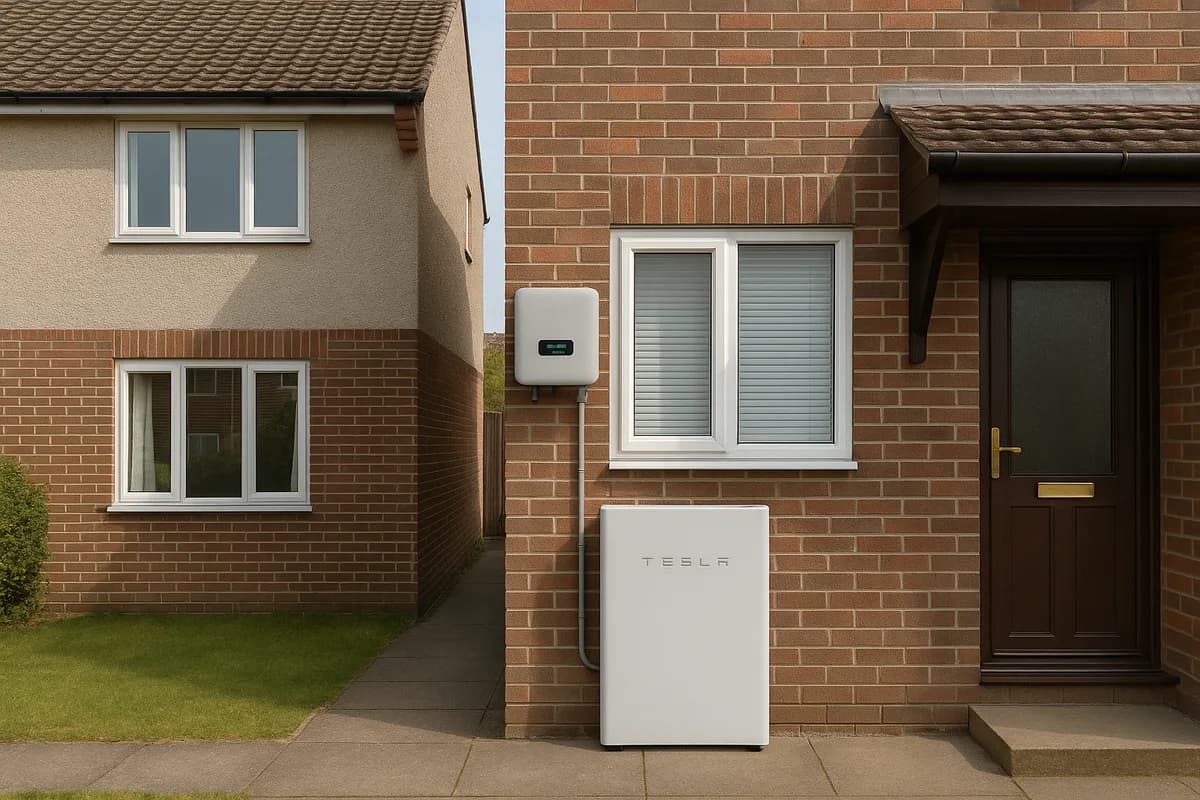
How it works: A lithium battery charges from surplus solar during the day and discharges to power your home in the evening.
Key specs: - Capacity: 5–13.5 kWh (typical residential) - Cost: £3,000–£7,500 installed - Lifespan: 10–20 years (LFP chemistry) - Efficiency: 90% round-trip - Self-consumption increase: from ~50% to ~80% - Annual extra savings: £200–£400 - Payback: 8–18 years (standalone); 6–12 years with smart tariff
Brands: GivEnergy (UK market leader), Tesla Powerwall, Fox ESS, BYD, Pylontech
Best for: Evening self-consumption, tariff arbitrage (Octopus Flux/Go), backup power, VPP participation.
Limitation: Expensive upfront. Payback is slower than panels alone. Battery replacement needed at 12–15 years.
Source: Battery manufacturer data; Energy Saving Trust.
Option 2: Hot Water Diverter (Best Payback)
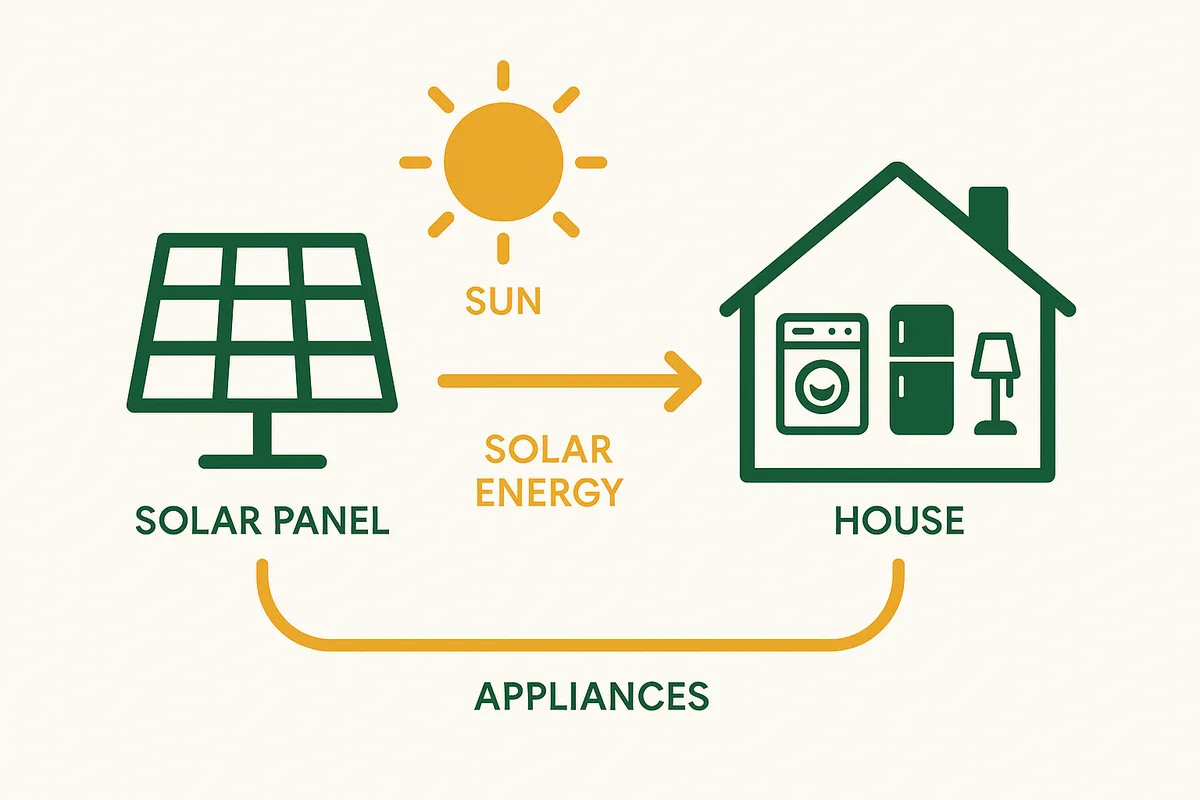
How it works: A solar diverter detects surplus solar electricity and automatically routes it to your hot water cylinder's immersion heater — heating water for free.
Key specs: - Cost: £200–£500 installed - Storage: 150–300L hot water cylinder = 8–17 kWh of thermal storage - Annual savings: £100–£250 on hot water heating - Payback: 1–3 years (fastest of any solar storage option) - Products: iBoost+ (£200–£350), Eddi by Myenergi (£350–£500)
Best for: Homes with a hot water cylinder (system/regular boiler). The cheapest way to use surplus solar.
Limitation: Only stores energy as hot water — cannot power appliances or lights. Requires an existing hot water cylinder (combi boilers do not have one).
The opportunity: Many homes overlook this option. A £300 diverter pays back in 1.5 years and provides free hot water for 10+ years. It should be the FIRST storage upgrade for any solar home with a cylinder.
Source: iBoost+ and Eddi specifications; hot water heating costs.
Option 3: EV Battery (Your Car as Storage)
Price a solar and battery system
Battery sizing changes your savings more than panel count does. Get a price for a system sized to how you actually use electricity.
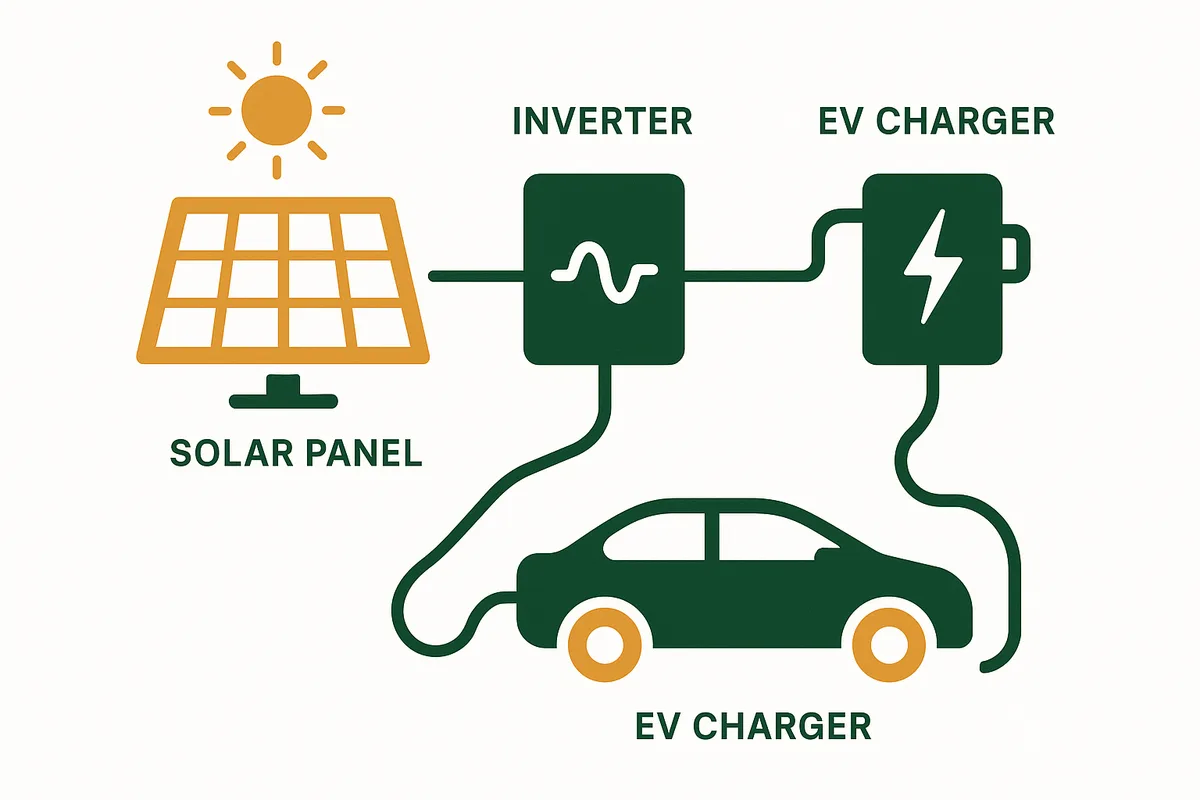
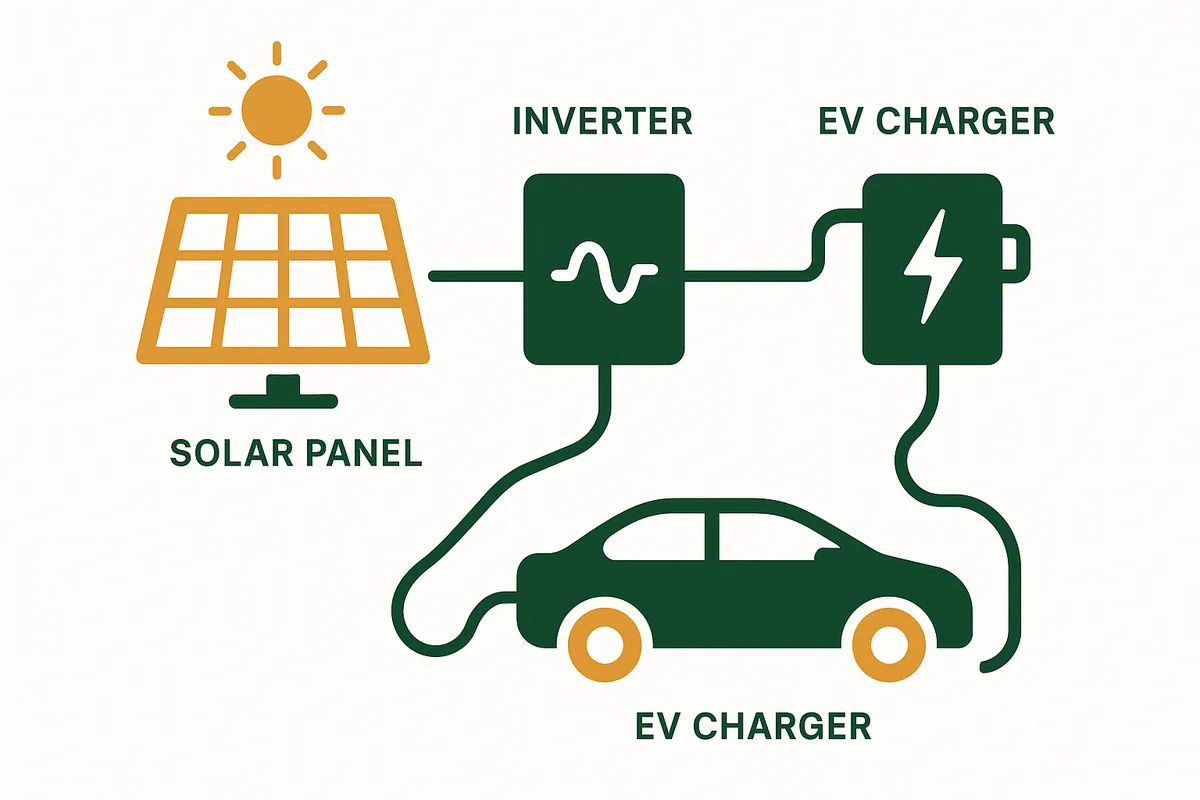
Price Solar + BatteryHow it works: Your electric car's battery (typically 40–80 kWh) charges from surplus solar via a smart charger. Some emerging technology allows Vehicle-to-Home (V2H) — using the car battery to power your home.
Smart solar charging (available now): - Zappi charger diverts surplus solar to EV - Your car stores the energy as driving range - Free miles from sunshine - Your car IS your battery — no separate battery purchase needed - Annual savings: £400–£550 on fuel costs
Vehicle-to-Home (V2H, emerging): - Bi-directional charger allows EV battery to discharge to your home - Your 60kWh car battery = 4x larger than a Powerwall - Charge from solar during the day, power home in evening - Currently limited: requires V2H-compatible charger (£1,500–£3,000) and compatible EV (Nissan Leaf, some newer models) - Full UK availability expected 2027–2028
Best for: EV owners who park at home during daylight. The car battery is effectively 'free' storage (you already bought it for driving).
Source: Zappi specifications; V2H technology status.
Option 4: Thermal Mass Storage
How it works: Use surplus solar to pre-heat your home during the day. The building's thermal mass (concrete floors, brick walls, water in radiators) stores the heat and releases it slowly through the evening.
How to implement: - Run your heating system during peak solar hours (10am–3pm) - Heat the house 2–3°C above your normal comfort level - The thermal mass stores this heat for 4–6 hours - Turn off heating before sunset — the stored warmth carries through evening - Smart thermostat automates this (Nest, Hive, Tado)
Cost: £0 additional (use existing heating system + smart thermostat scheduling) Best for: Homes with underfloor heating (highest thermal mass), well-insulated homes, heat pump owners
Limitation: Only works for heating (not lighting/appliances). Heat dissipates — not as controllable as a battery. Works best in well-insulated homes.
Source: Thermal mass heating research; smart thermostat guidance.
Which Storage Option Is Best?
Ranked by payback speed:
| Storage Option | Cost | Annual Value | Payback | Versatility |
|---|---|---|---|---|
| Hot water diverter | £200–£500 | £100–£250 | 1–3 years | Hot water only |
| EV smart charging | £800–£1,100 (charger) | £400–£550 | 1.5–3 years | Driving only |
| Thermal mass | £0–£250 (smart thermostat) | £50–£150 | 0–2 years | Heating only |
| Lithium battery | £3,000–£7,500 | £200–£700 | 6–18 years | Universal |
The optimal stack (best total value): 1. Hot water diverter (first — cheapest, fastest payback) 2. EV smart charger (if you have an EV) 3. Thermal mass scheduling (free with smart thermostat) 4. Lithium battery (last — most expensive, but most versatile)
Do NOT install a battery FIRST. Install the cheaper options first — they capture much of the surplus at a fraction of the cost. A battery is the cherry on top, not the foundation.
Source: Storage technology comparison; financial modelling.
Frequently Asked Questions
Related guides
You might also like
Price a solar and battery system
Battery sizing changes your savings more than panel count does. Get a price for a system sized to how you actually use electricity.
Price Solar + BatteryFree, no obligation. MCS-certified installers only.