Solar Panel Installation Timeline: Start to Finish
Ready to see what solar could save you?
Get free, no-obligation quotes from MCS-certified installers in your area.
Get Free QuotesFree, no obligation. Takes 2 minutes.
How long does it take to install solar panels?
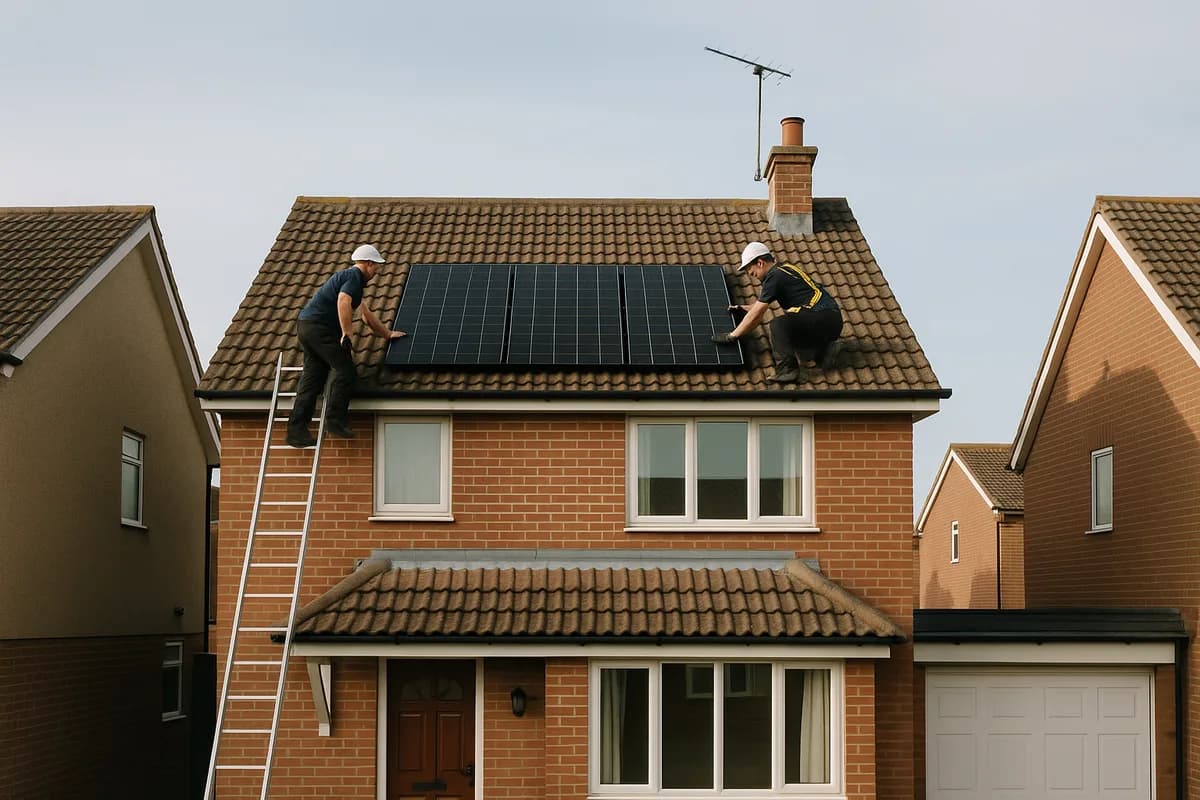
The full solar panel installation process takes 3–6 weeks from initial enquiry to generating electricity. The physical installation on your roof takes just 1–2 days. The remaining time is for: getting quotes (1–2 weeks), site survey and design (1 week), paperwork and scheduling (1–2 weeks), and scaffolding setup (1 day). In busy periods (spring/summer), expect 4–8 weeks total.
The Full Timeline
Week 1: Getting Quotes - Submit enquiries to 3–5 MCS-certified installers - Receive initial desktop assessments and indicative pricing - Select 2–3 for site surveys
Week 2: Site Surveys - Free site visits (30–60 minutes each) - Installers measure roof, assess structure, check electrics - Formal written quotes delivered within 3–7 days of survey
Week 3: Decision and Paperwork - Compare quotes, check reviews, select installer - Sign contract and pay deposit (typically 10–25%) - Installer submits DNO notification (G98 or G99) - Scaffolding booked
Week 3–4: Waiting Period - DNO acknowledgement (G98: immediate; G99: up to 11 working days) - Scaffolding and installation date confirmed - Panels and components ordered (if not in stock)
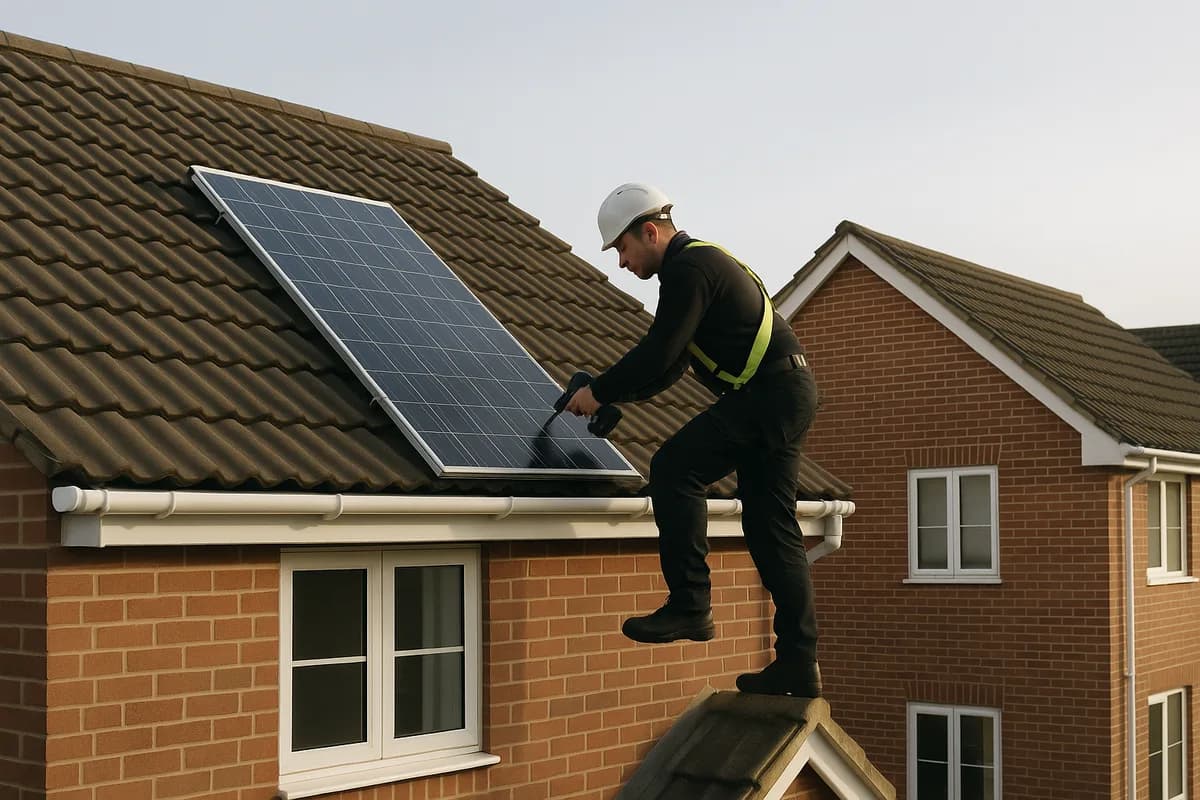
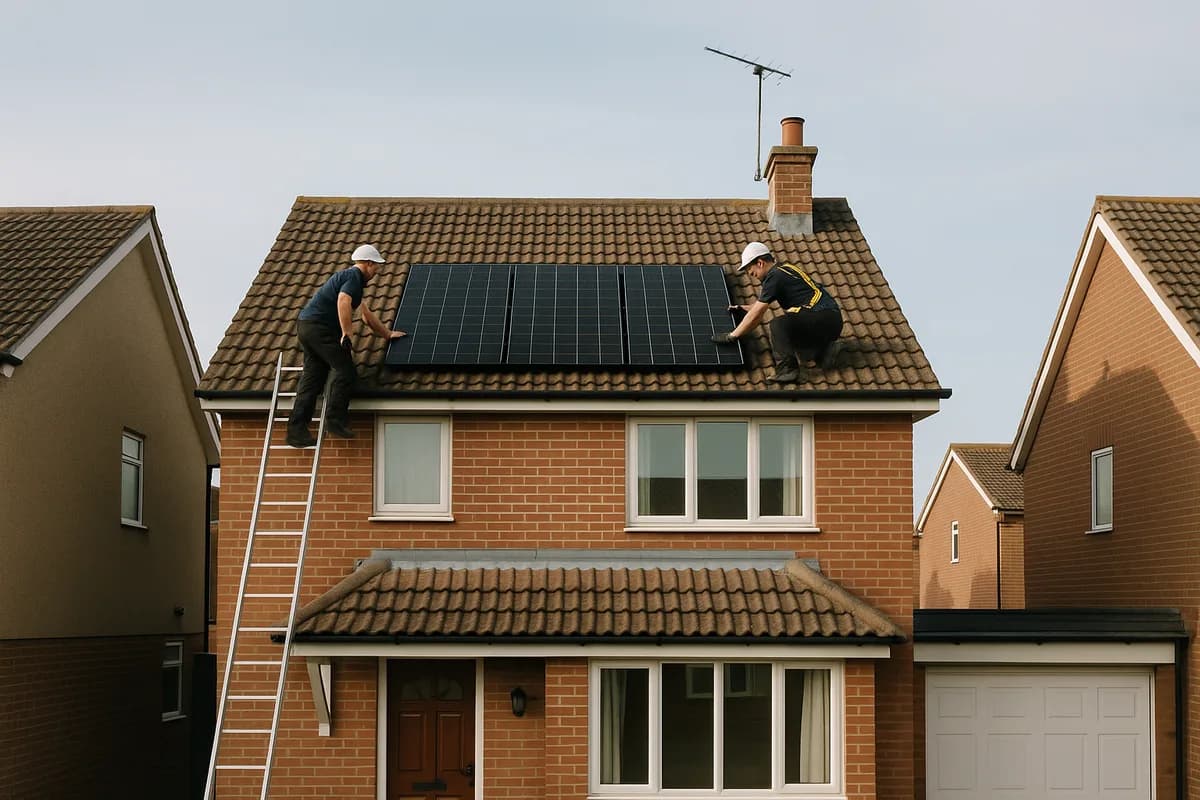
Week 4–5: Installation - Day 0: Scaffolding erected (2–4 hours) - Day 1: Mounting system + panels installed (6–8 hours) - Day 1–2: Inverter, battery (if applicable), and electrical work (4–6 hours) - Day 2: Testing, commissioning, monitoring setup (2–3 hours) - Day 2–3: Scaffolding removed
Week 5–6: Completion - MCS certificate issued (within 2 weeks of installation) - Register for SEG with chosen supplier - System generating electricity from switch-on day
Source: MCS installation process; average UK installer timelines.
What Causes Delays?
- Busy season (April–August) — installers are booked 4–8 weeks out. Winter installations are faster (2–3 weeks).
- G99 DNO application (systems over 3.68kW) — can take 11 working days for approval. G98 (under 3.68kW) is instant.
- Scaffolding availability — in busy areas, scaffolding companies may have 2–3 week lead times.
- Panel/inverter stock — if your chosen panels are not in the installer's warehouse, ordering adds 1–2 weeks.
- Roof repairs needed — if the survey reveals the roof needs work before panels can be installed, this must be completed first.
- Planning permission (conservation areas/listed buildings) — adds 8–12 weeks for the planning application process.
- Weather — heavy rain or strong winds can delay the installation day (but rarely by more than 1–2 days).
- Customer indecision — the most common delay. Getting quotes and making a decision typically takes longer than the installation itself.
Ready to see what solar could save you?
Get free, no-obligation quotes from MCS-certified installers in your area.
Get Free QuotesHow to Speed Up the Process
- Get quotes in autumn/winter — installers have shorter waiting lists and may offer discounts
- Request quotes from multiple installers simultaneously — do not wait for one before contacting the next
- Make your decision within 1 week of receiving all quotes — this is the biggest delay you can control
- Ask about panel stock — choose panels the installer already has in their warehouse
- Prepare your home — clear access to the roof side, clear the loft if cable routing goes through it, and have your WiFi password ready
- Be flexible on dates — offering a mid-week installation slot (Tuesday–Thursday) often gets you booked sooner
What Happens on Installation Day
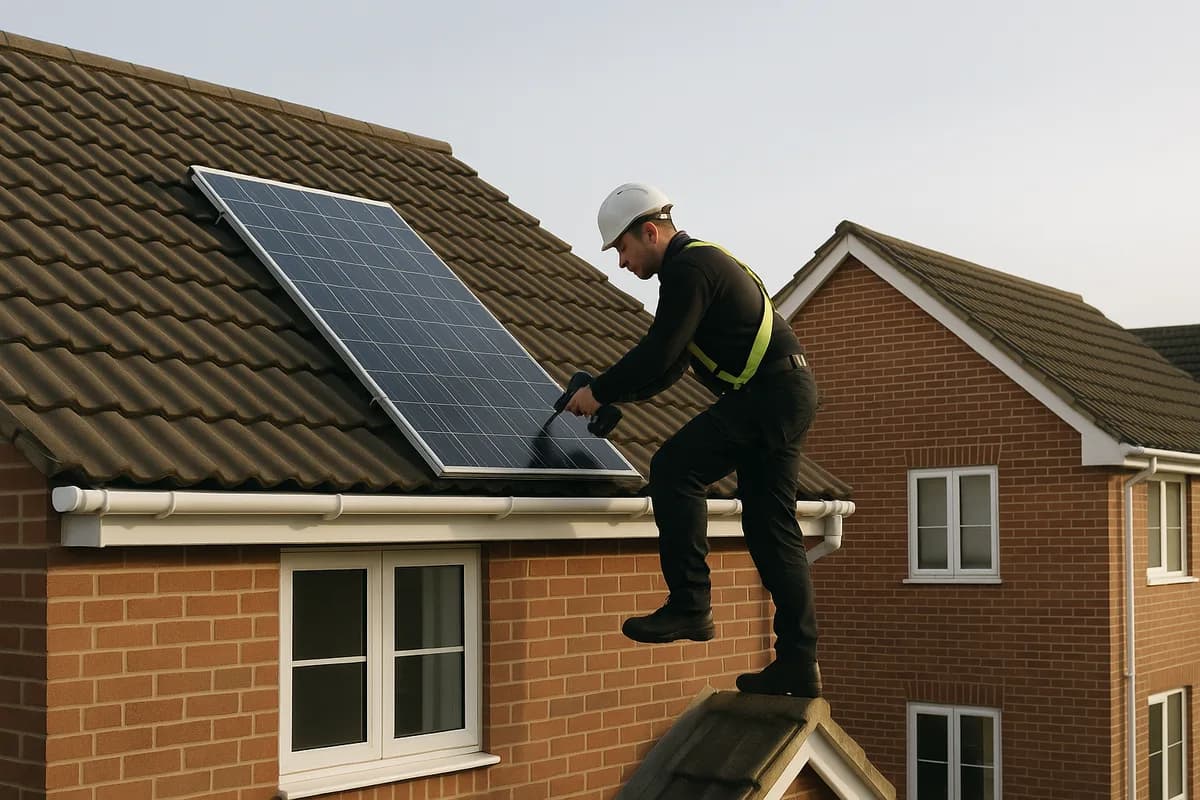
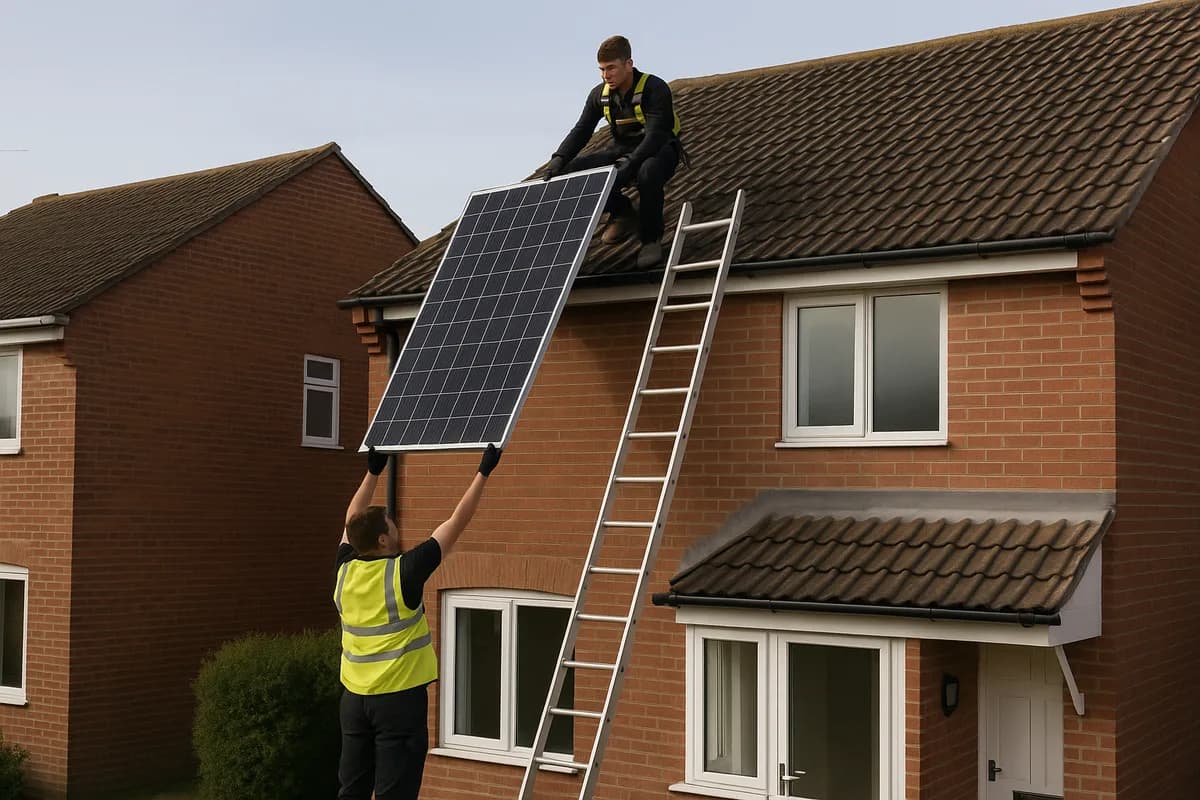
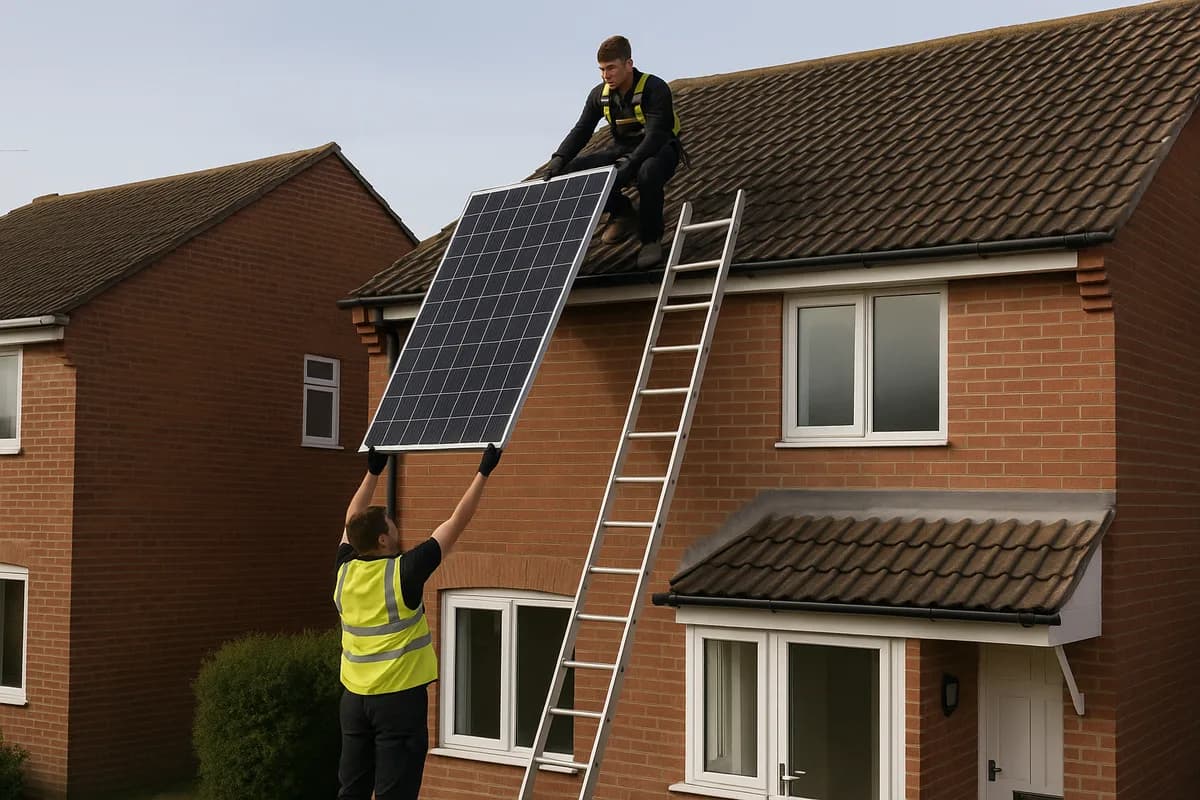
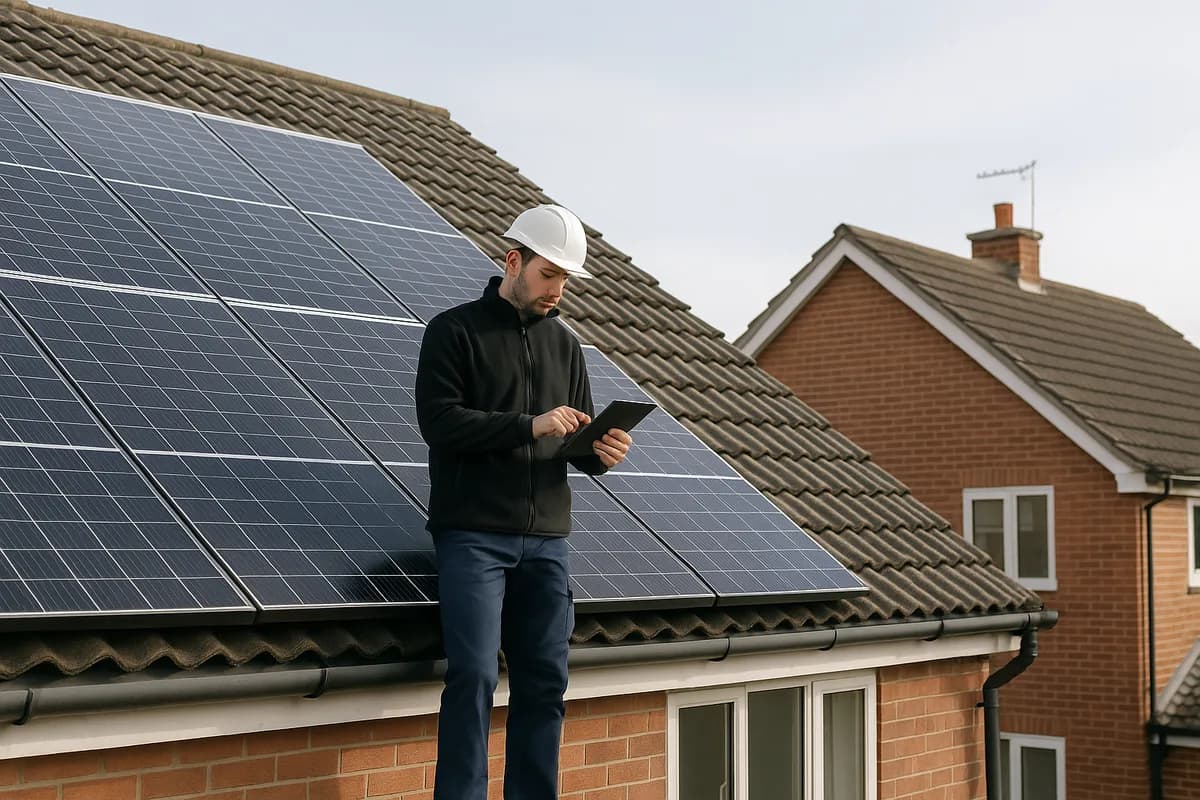
Morning (8am–12pm): - Installation team arrives (typically 2–3 people) - Scaffolding already in place (erected the day before or that morning) - Roof tiles carefully lifted at planned hook positions - Mounting hooks bolted to rafters - Tiles replaced around hooks - Aluminium mounting rails attached to hooks
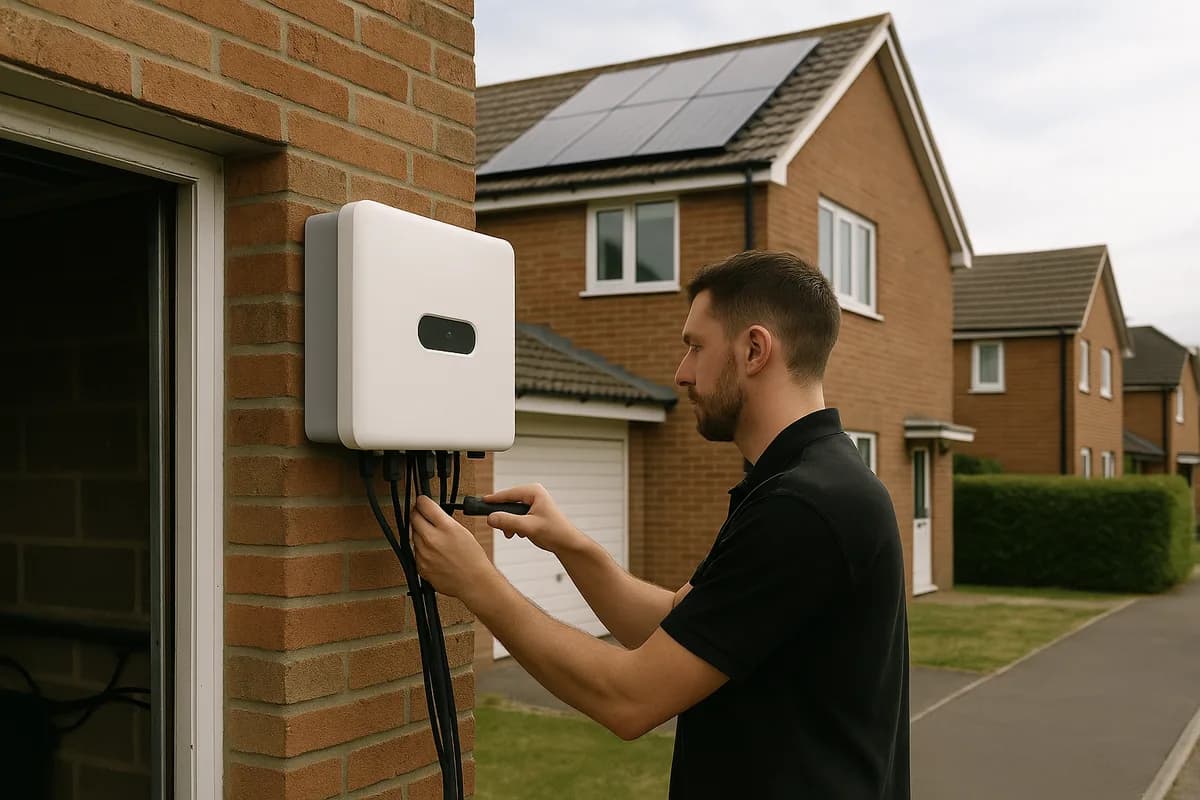
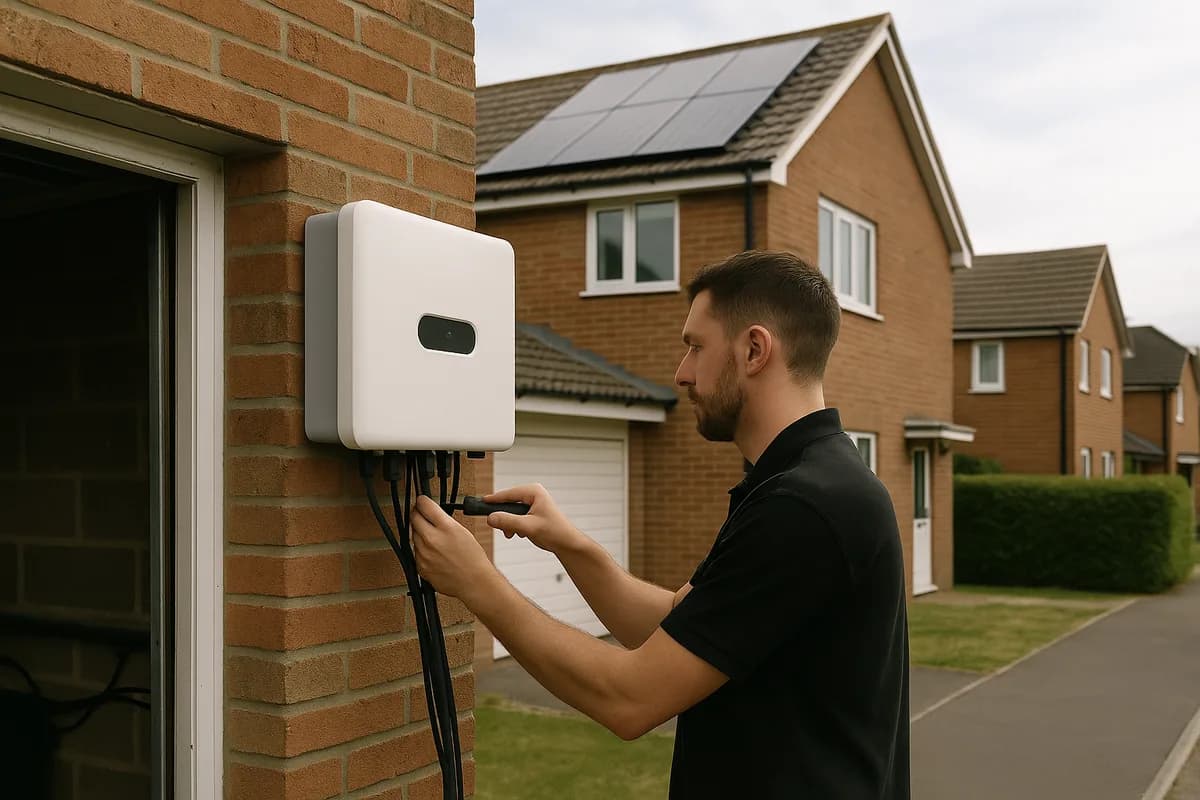
Afternoon (12pm–4pm): - Solar panels lifted onto roof and secured to rails - DC wiring connected between panels - DC cables routed from roof to inverter location
Day 2 Morning (8am–12pm): - Inverter mounted and wired (DC from panels, AC to consumer unit) - Battery installed and connected (if applicable) - DC and AC isolator switches installed - System testing: insulation resistance, earth continuity, polarity
Day 2 Afternoon (12pm–3pm): - System switched on and generation verified - Monitoring connected to WiFi and app set up - Documentation provided: MCS info, warranties, user guides - Scaffolding removal (sometimes day 3)
Your involvement: - Be available for the electrician to access your consumer unit (usually indoors) - Have your WiFi password ready for monitoring setup - Allow access to the loft if cables route through it - No need to take the full day off — the team works independently
Source: Typical MCS installer day schedule.
Frequently Asked Questions
Related guides
Related: Home Heating Systems
Solar panels are most powerful when combined with an efficient heating system. Heat pumps use solar-generated electricity to heat your home at 300-400% efficiency — making them the ideal partner for solar.
Heat pump installation typically takes 2-3 days and is best planned alongside solar.
From our sister site Home Heat Pump Guide
You might also like
Ready to see what solar could save you?
Get free, no-obligation quotes from MCS-certified installers in your area.
Get Free QuotesFree, no obligation. Takes 2 minutes.