Solar Panel Output: kWp, kWh & What It All Means
Find the right system size for your roof
Panel count depends on your electricity use, roof space and direction — not on a rule of thumb. Get a recommended size and what it should cost.
Size My SystemFree calculator. No contact details required to see your result.
How much output do solar panels produce?
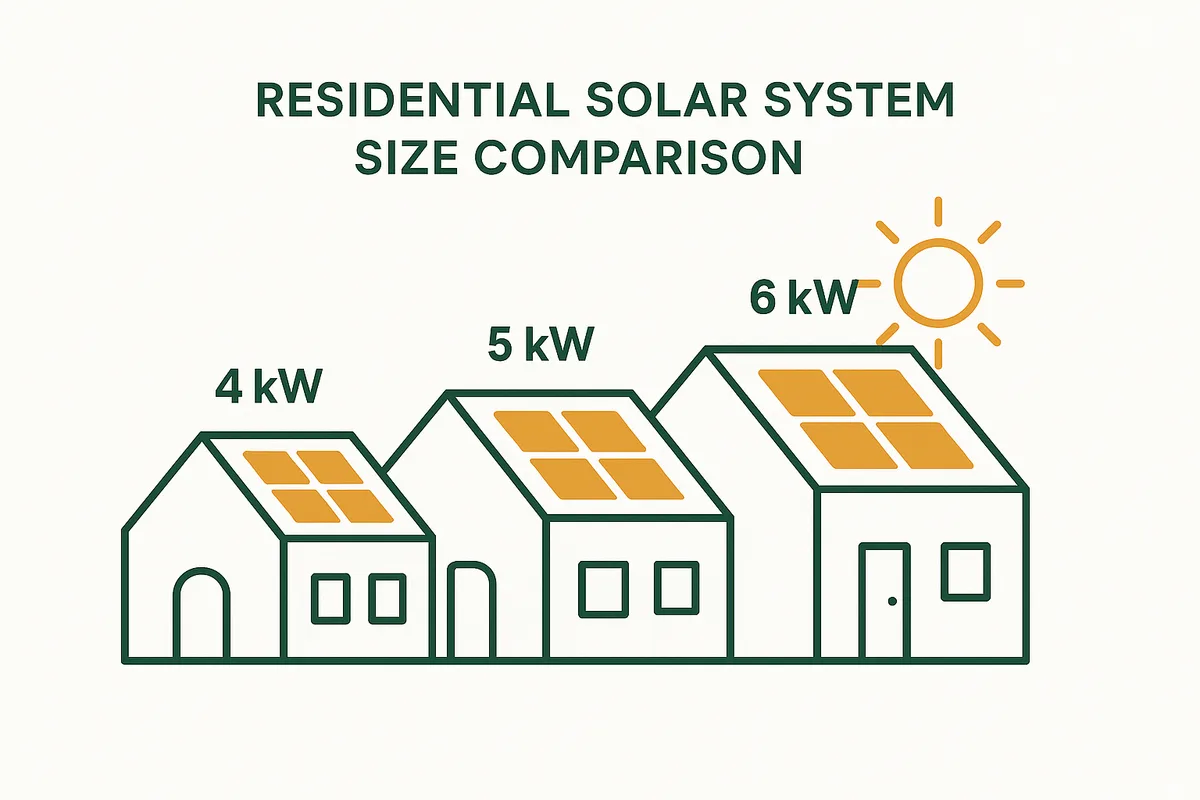
Solar panel output is described in two ways: kWp (kilowatt peak — the panel's maximum capacity under ideal lab conditions) and kWh (kilowatt hours — the actual electricity generated over time). A 400W (0.4kWp) panel in the UK generates approximately 380–420 kWh per year. A 4kW system (10 panels) generates 3,800–4,200 kWh per year. The gap between kWp and real output is due to UK weather, roof angle, and seasonal variation.
kWp vs kWh: The Key Difference
kWp (kilowatt peak): - The maximum power a panel can produce under Standard Test Conditions (STC) - STC = 1,000 W/m² irradiance, 25°C cell temperature, AM1.5 spectrum - This is a lab measurement — real UK conditions rarely match STC - Used to: compare panels, size systems, quote prices - Example: '400W panel' means 0.4 kWp
kWh (kilowatt hours): - The actual electricity generated over a period of time - 1 kWh = 1,000 watts for 1 hour (or 500 watts for 2 hours, etc.) - This is what your electricity bill measures and what you actually use - Used to: calculate savings, compare to your consumption - Example: 'Panel generates 400 kWh per year'
The conversion (UK): In the UK, each 1 kWp of solar capacity generates approximately 950–1,050 kWh per year (depending on location, orientation, and tilt).
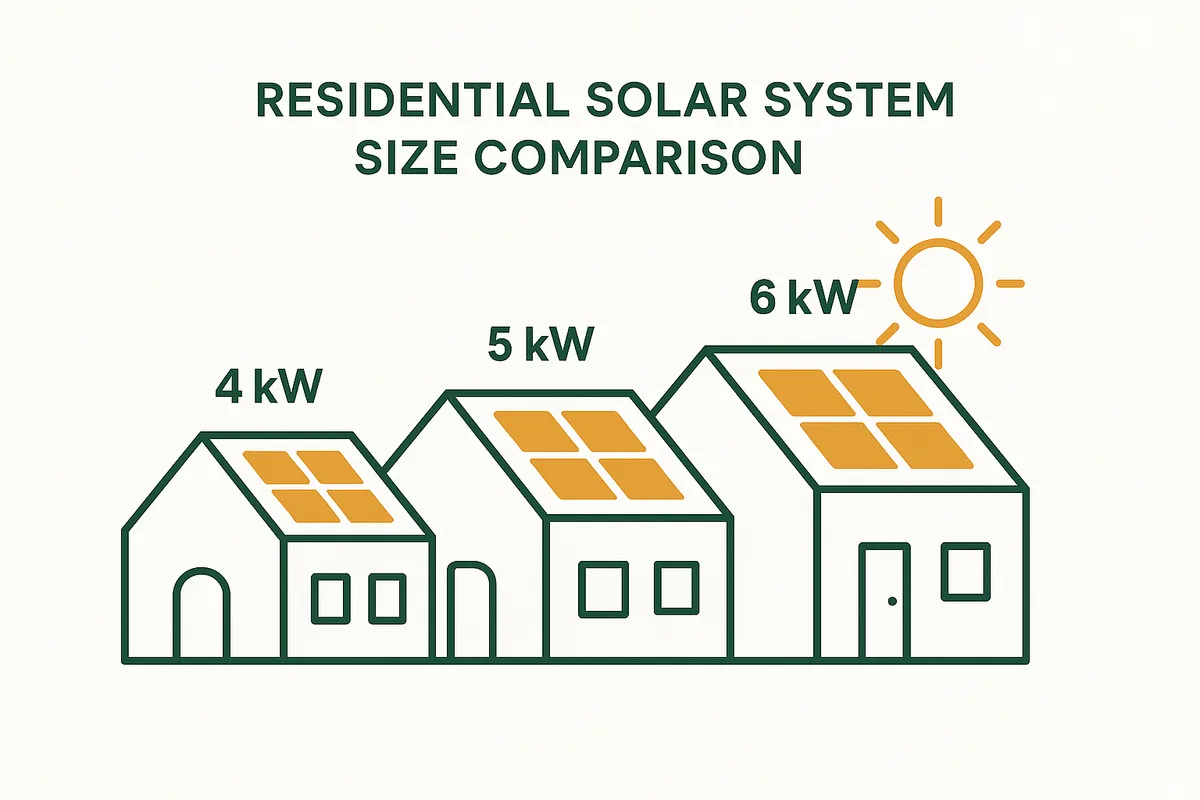
So a 4kW system generates: 4 × 1,000 = ~4,000 kWh/year (UK average).
Source: PVGIS UK irradiance data; IEC 61215 STC definitions.
UK Solar Output by Location
Solar output varies across the UK based on solar irradiance (how much sunlight reaches the ground):
Annual kWh per kWp installed (south-facing, 35° tilt):
| Region | kWh per kWp | 4kW System Output |
|---|---|---|
| South West England | 1,050–1,080 | 4,200–4,320 kWh |
| South East England | 1,020–1,050 | 4,080–4,200 kWh |
| London | 1,000–1,030 | 4,000–4,120 kWh |
| Midlands | 950–1,000 | 3,800–4,000 kWh |
| North West England | 920–960 | 3,680–3,840 kWh |
| North East England | 910–950 | 3,640–3,800 kWh |
| Wales | 950–1,020 | 3,800–4,080 kWh |
| Central Scotland | 870–920 | 3,480–3,680 kWh |
| Northern Scotland | 830–880 | 3,320–3,520 kWh |
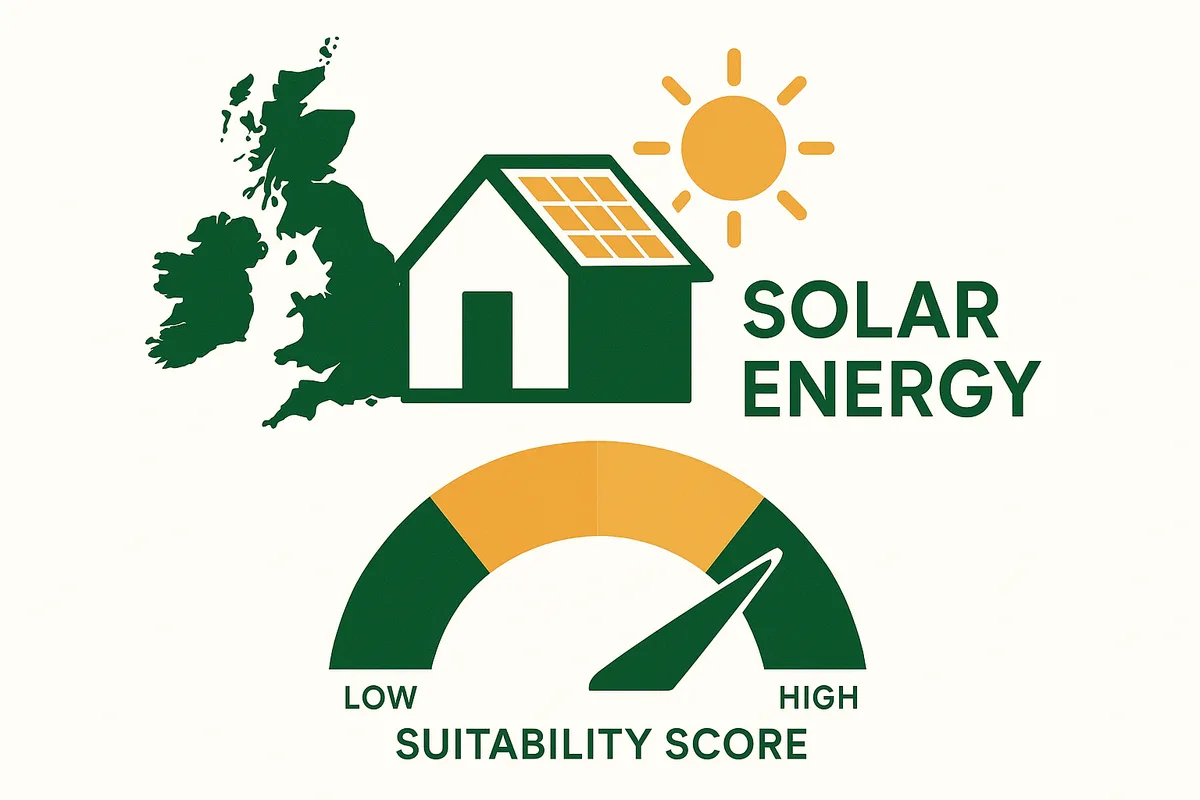
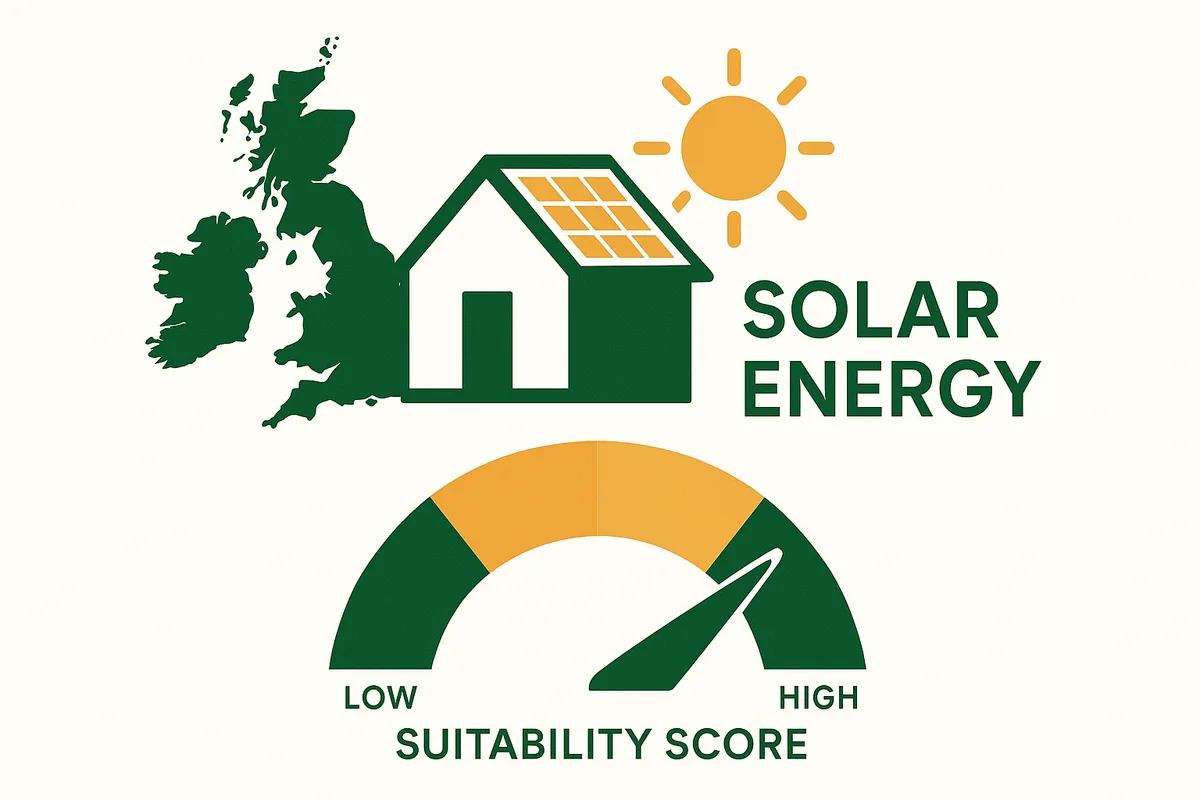
The difference between the sunniest and least sunny UK regions is approximately 20%. This affects savings and payback period but does not make solar unviable anywhere in the UK.
Source: PVGIS European Commission irradiance database.
What Affects Solar Panel Output?
Find the right system size for your roof
Panel count depends on your electricity use, roof space and direction — not on a rule of thumb. Get a recommended size and what it should cost.
Size My SystemFactors that increase or decrease real-world output:
- Roof orientation — south-facing = 100%. East/west = 80–85%. North = 55–60%.
- Roof tilt — 30–40° is optimal. Flat (0°) = 85–90%. Very steep (60°) = 90–95%.
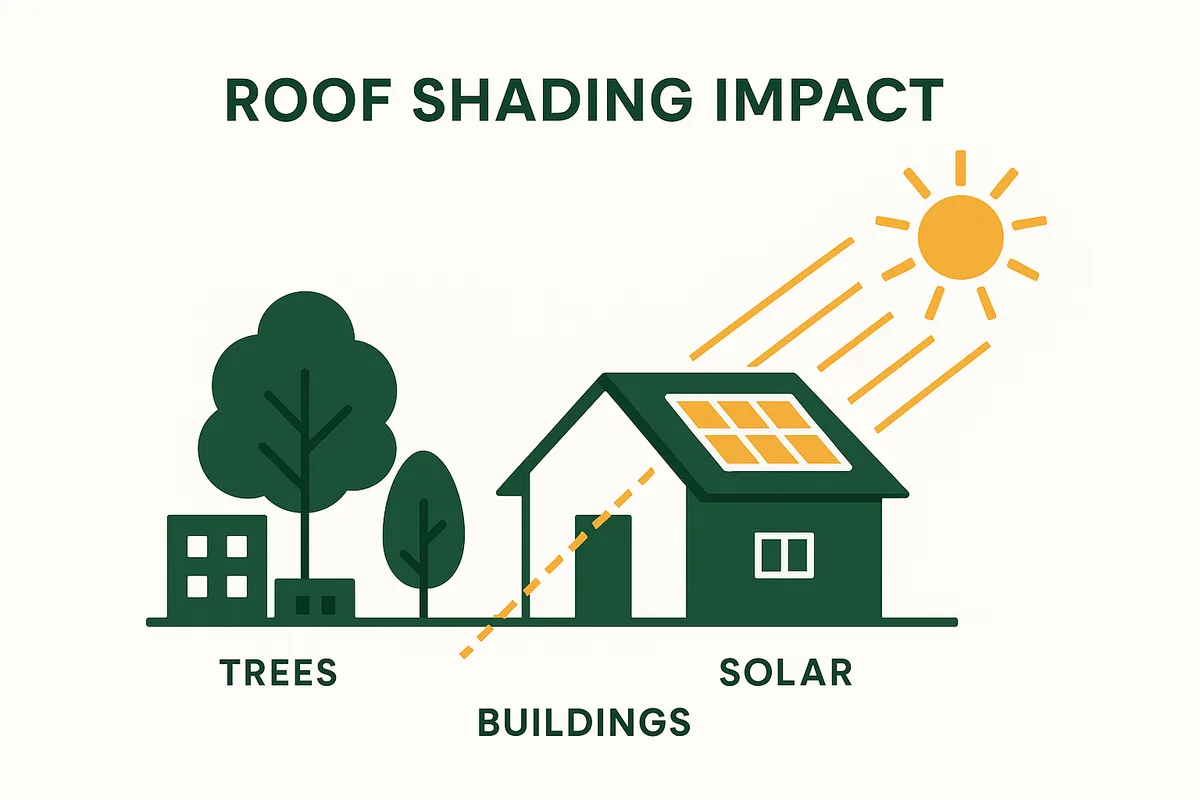
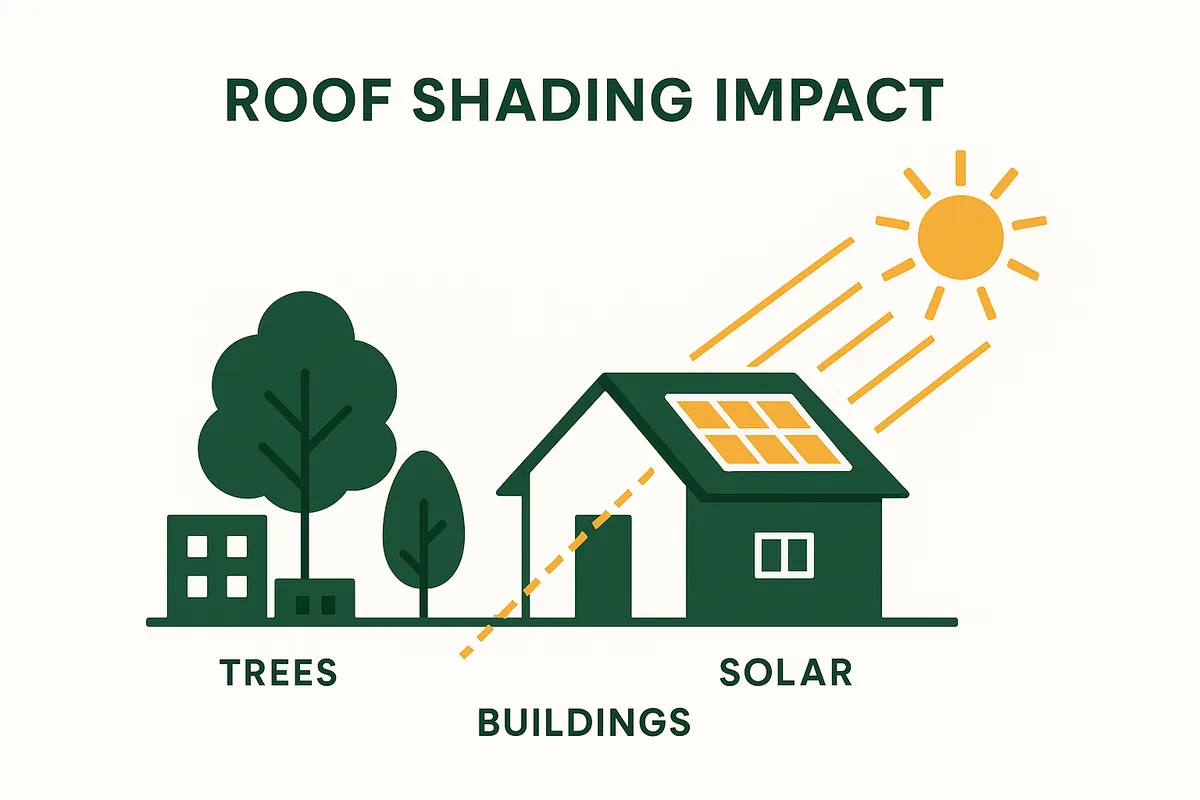
- Shading — partial shade from trees, chimneys, or buildings can reduce output by 10–30%.
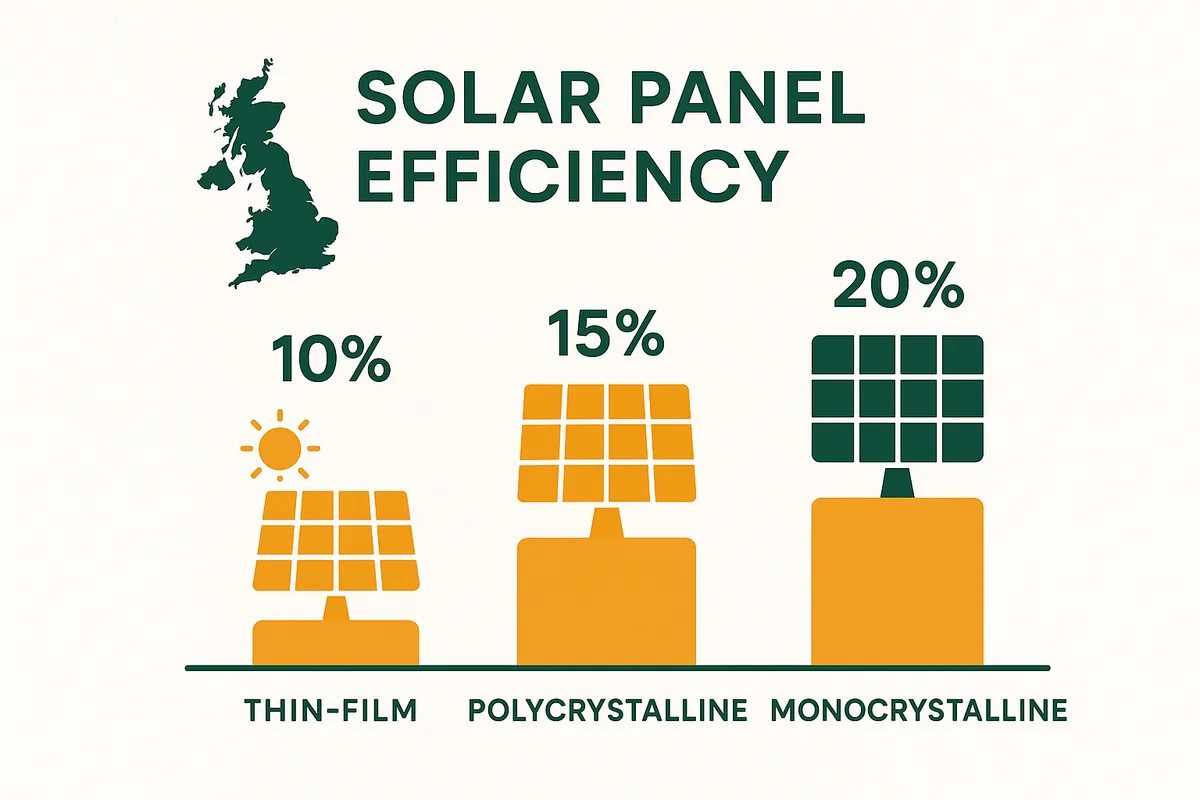
- Panel efficiency — monocrystalline (20–22%) produces more per m² than polycrystalline (15–17%).
- Temperature — panels lose ~0.4% efficiency per degree above 25°C. UK's cool climate is an advantage.
- Inverter efficiency — string inverters convert at 96–98% efficiency. Micro-inverters are similar.
- Cable losses — 1–2% lost in wiring between panels and inverter.
- Soiling — dirt, bird droppings, pollen can reduce output by 2–5%.
- Degradation — 0.3–0.5% per year. Year 25 output ≈ 85–90% of year 1.
- Season — summer months generate 5–6x more than winter months.
Daily and Monthly Output Patterns
A 4kW system produces different amounts depending on the time of day and season:
Daily pattern: - Sunrise to ~9am: gradual ramp up (5–20% of peak) - 10am–2pm: peak output (80–100% of capacity on sunny days) - 3pm–sunset: gradual decline (similar to morning) - Night: zero output
Peak daily output examples (4kW system, south-facing): - Clear June day: 22–25 kWh - Partly cloudy April day: 14–18 kWh - Overcast October day: 5–8 kWh - Short December day: 1–4 kWh
Monthly averages (4kW, Midlands): - January: 100 kWh | July: 500 kWh - April: 420 kWh | October: 220 kWh
The daily and monthly patterns are predictable — solar is not random. Your installer can estimate monthly output accurately based on decades of irradiance data.
Source: PVGIS hourly simulation data for UK.
How to Monitor Your Solar Output
Every modern inverter includes monitoring capability:
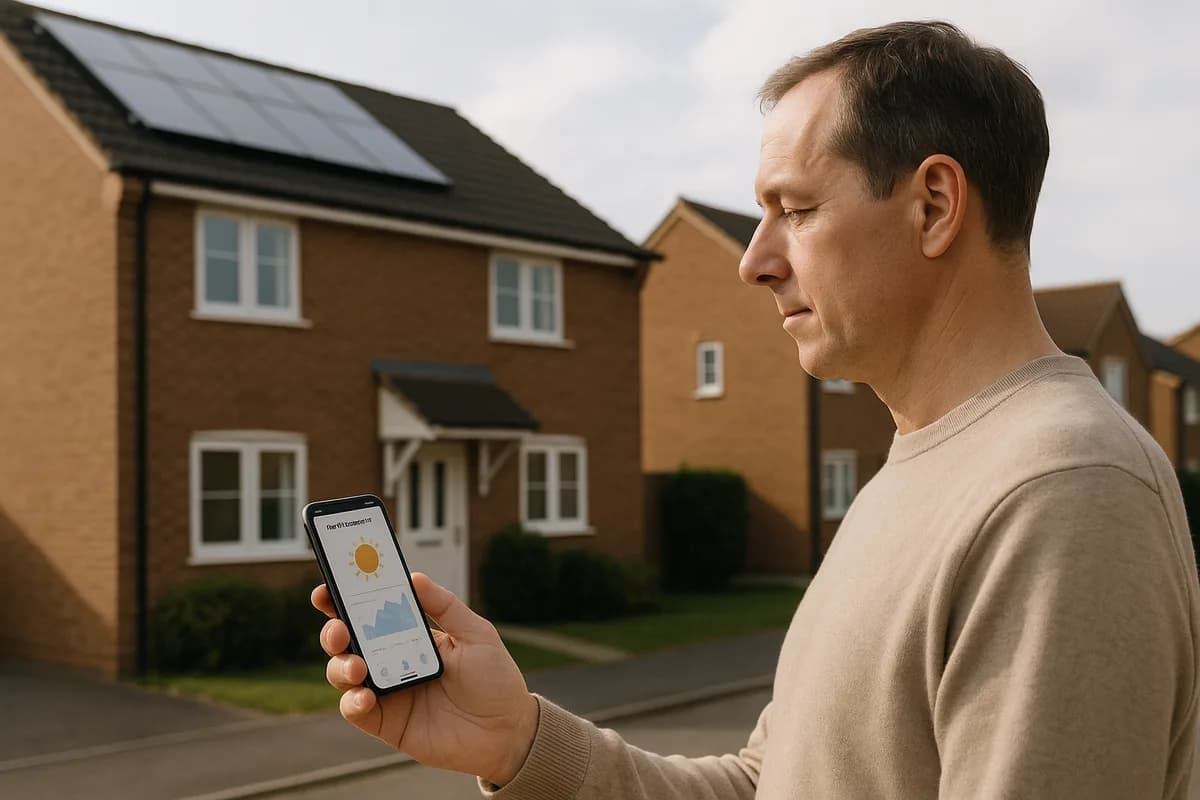
Inverter display: Shows real-time output in watts and daily/total generation in kWh. Accessible without any app.
Manufacturer app: Most inverters connect via WiFi and provide: - Real-time power output - Daily, monthly, and annual generation history - Self-consumption vs export data - Performance alerts if output drops - Comparison to expected generation
Popular monitoring platforms: - GivEnergy app (for GivEnergy inverters/batteries) - mySolarEdge (for SolarEdge inverters) - Enphase Enlighten (for Enphase micro-inverters) - Solis Cloud (for Solis inverters) - FusionSolar (for Huawei inverters)
Monitoring is your best tool for ensuring your system performs as expected and catching issues early.
Source: Manufacturer monitoring platforms.
Frequently Asked Questions
Related guides
You might also like
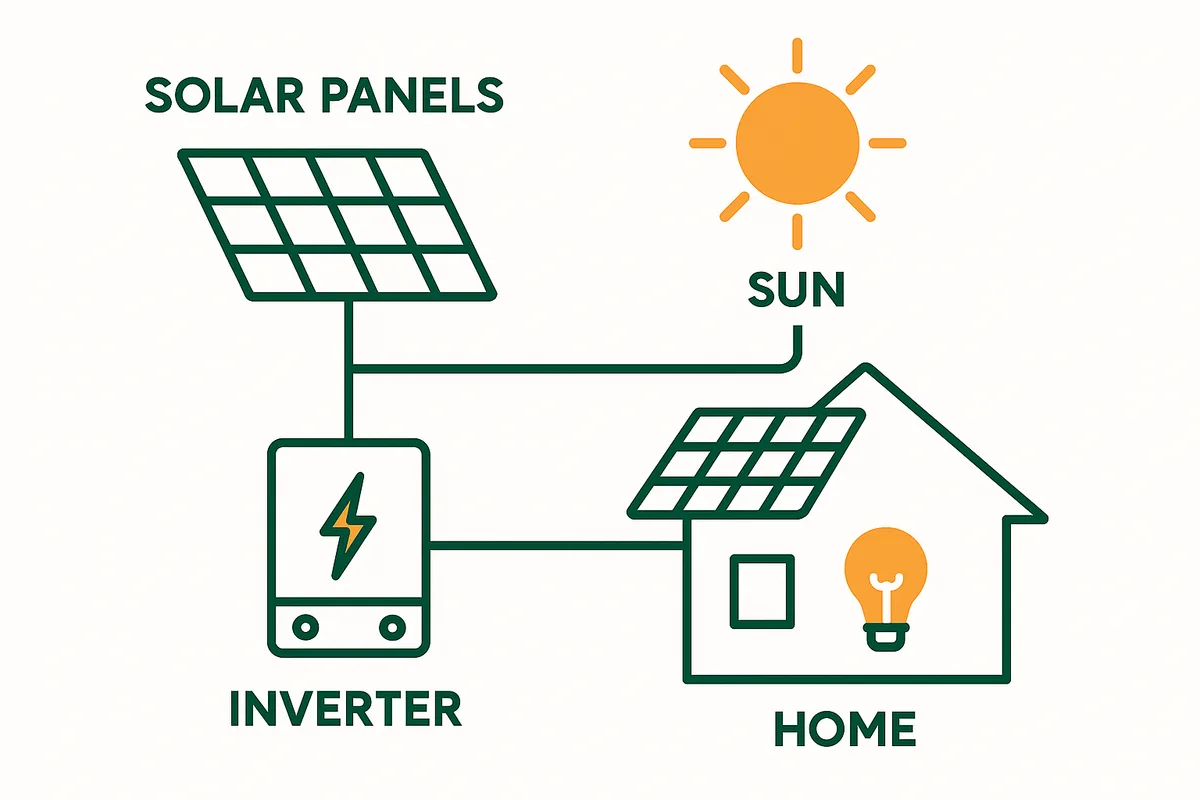
Find the right system size for your roof
Panel count depends on your electricity use, roof space and direction — not on a rule of thumb. Get a recommended size and what it should cost.
Size My SystemFree calculator. No contact details required to see your result.