Solar Panel Weight: Can Your Roof Handle It?
Ready to see what solar could save you?
Get free, no-obligation quotes from MCS-certified installers in your area.
Get Free QuotesFree, no obligation. Takes 2 minutes.
How heavy are solar panels?
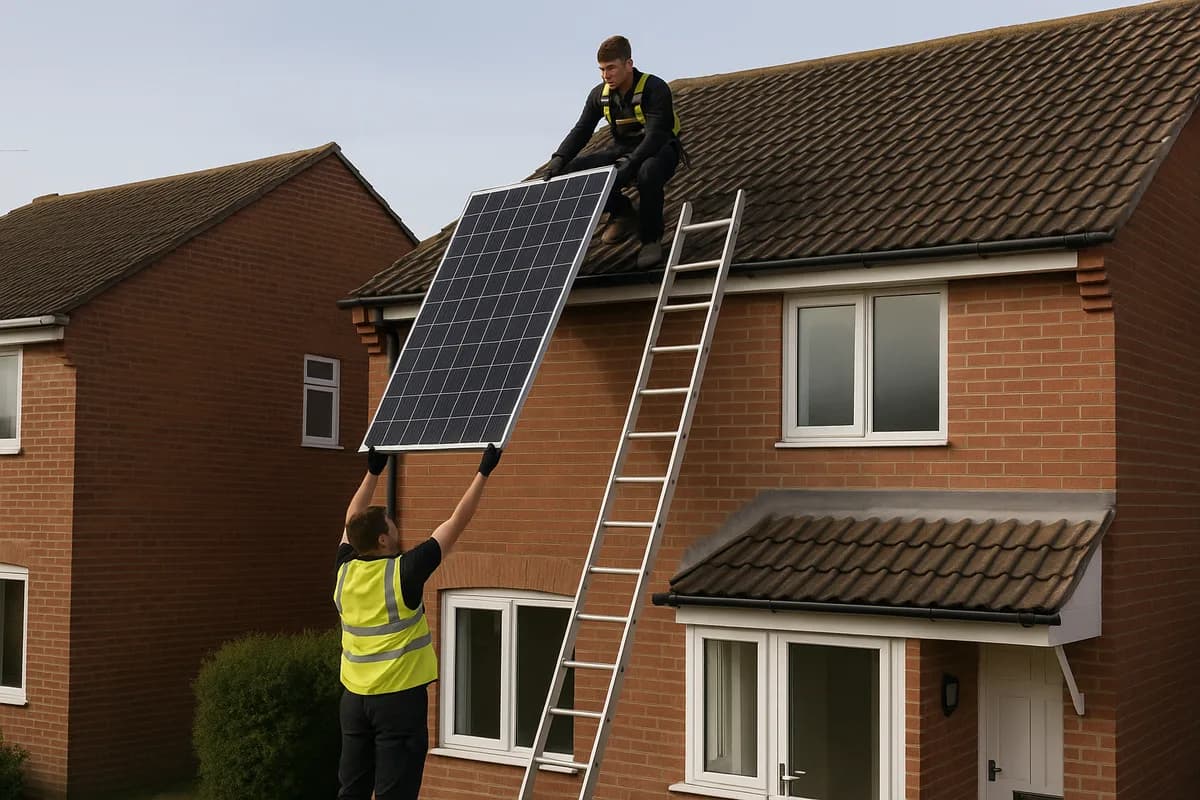
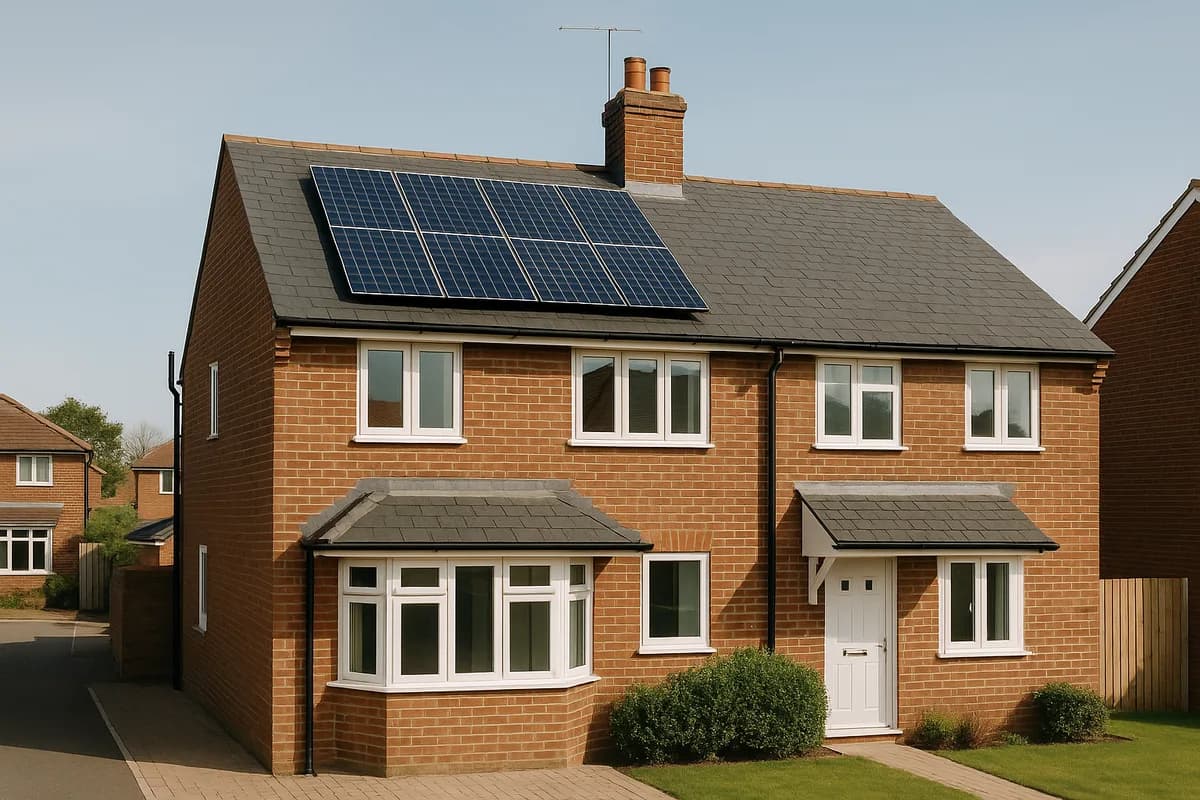
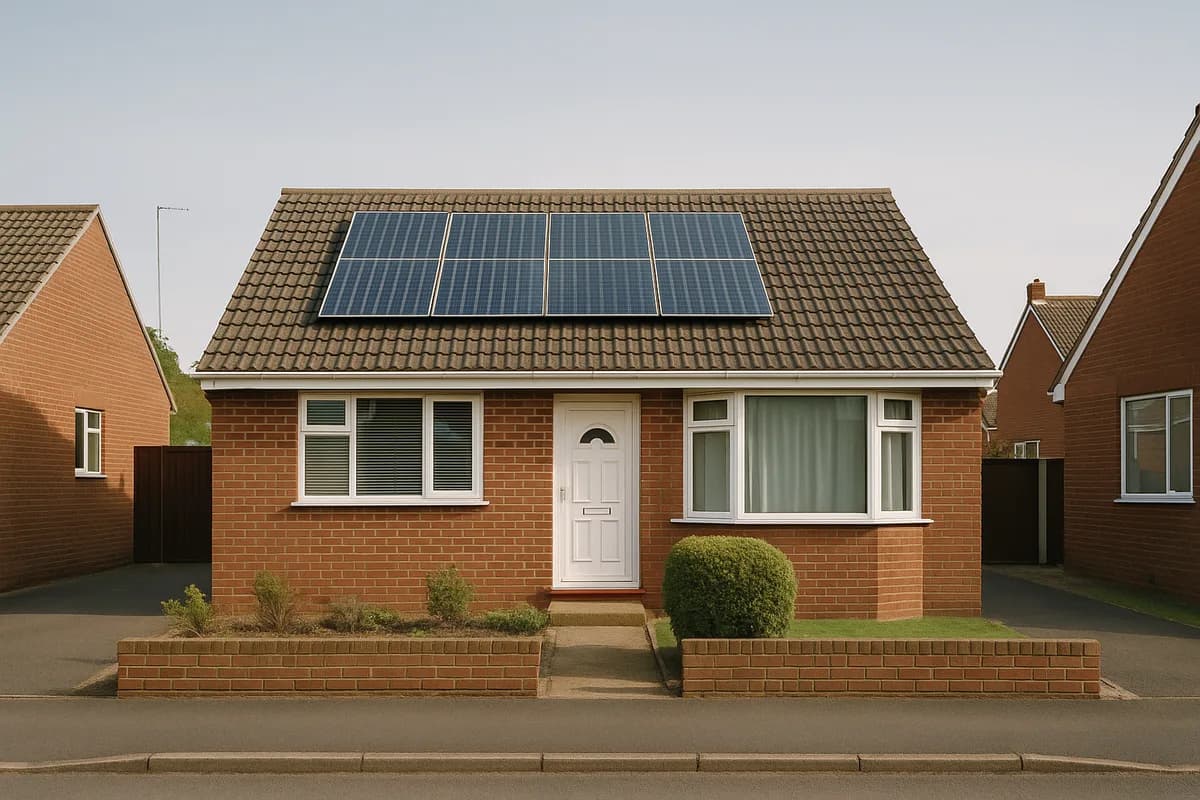
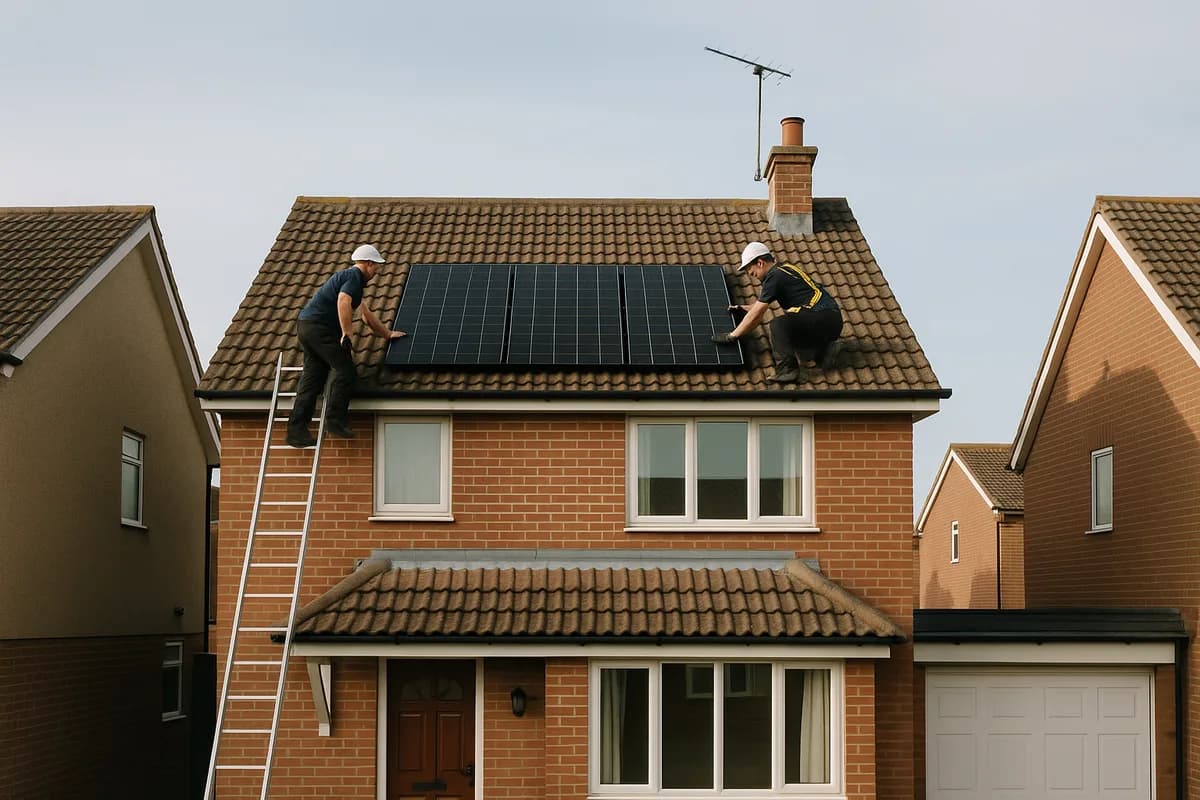
A standard residential solar panel weighs 18–22kg and measures approximately 1.7m × 1.0m. A 10-panel system adds approximately 200–250kg to your roof (including mounting hardware). This is well within the structural capacity of virtually all UK homes — roof structures are designed to support far greater loads from snow, wind, and foot traffic during maintenance. Only very old or deteriorated roofs may need assessment.
Solar Panel Weight by Type and Size
Standard residential panels (60/66-cell, ~400W): - Weight per panel: 18–22 kg - Dimensions: 1,700mm × 1,000mm × 35mm - Weight per m²: approximately 12–13 kg/m²
Larger panels (72-cell, ~500W+): - Weight per panel: 25–28 kg - Dimensions: 2,100mm × 1,000mm × 35mm - Weight per m²: approximately 12–13 kg/m² (similar per area)
System weight including mounting hardware:
| System Size | Panels | Panel Weight | Mounting | Total on Roof |
|---|---|---|---|---|
| 3kW | 8 | 160 kg | 30 kg | ~190 kg |
| 4kW | 10 | 200 kg | 40 kg | ~240 kg |
| 5kW | 13 | 260 kg | 50 kg | ~310 kg |
| 6kW | 16 | 320 kg | 60 kg | ~380 kg |
Distributed load: The weight is spread across the entire panel area, not concentrated at single points. A 4kW system distributed across 17 m² of roof = approximately 14 kg/m².
Source: Manufacturer specifications; MCS structural loading guidance.
Can Your Roof Support Solar Panels?
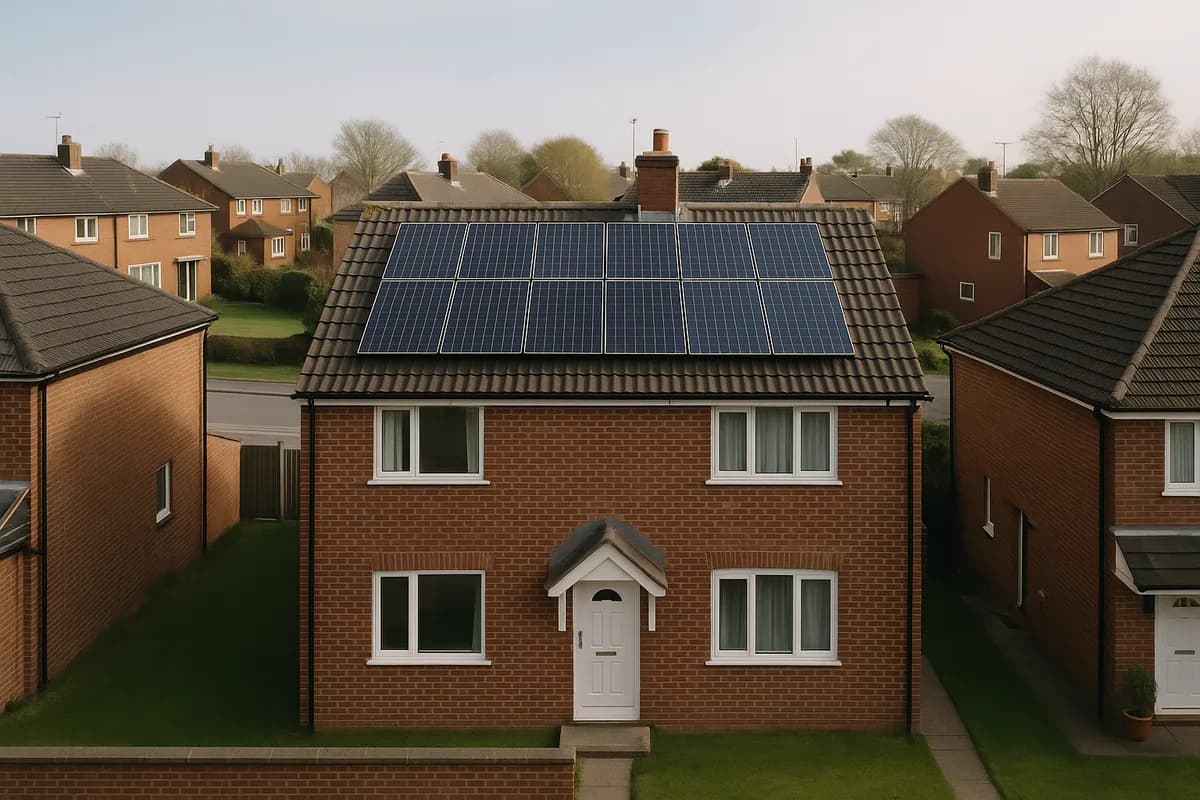
In almost every case: yes. Here is why:
UK roof design loads: UK roofs are designed to support: - Their own weight (tiles, battens, felt, rafters): 40–80 kg/m² - Snow load: 30–60 kg/m² (depending on UK location) - Wind load: variable, but structures are designed for worst-case scenarios - Occasional foot traffic: concentrated loads during maintenance
Solar panel load: 12–14 kg/m² distributed
This is significantly less than a layer of snow (30–60 kg/m²) that the roof is already designed to handle. Solar panels typically add 15–20% to the existing roof load — well within safety margins.
When a structural check IS needed: - Pre-1960s homes with lightweight or deteriorated roof structures - Properties that have been significantly altered (loft conversions with structural changes) - Listed buildings where original timbers may have weakened with age - Flat roofs with lightweight construction (especially 1960s–1980s flat-roofed extensions) - Very large systems (8kW+) concentrated on a small roof area - If the installer expresses any concern during the survey
Structural survey cost: £200–£400 from a structural engineer. Your installer may recommend one during their site survey if they have concerns.
Source: BS EN 1991 structural loading standards; MCS structural assessment guidance.
Ready to see what solar could save you?
Get free, no-obligation quotes from MCS-certified installers in your area.
Get Free Quotes
Weight Comparison: Solar vs Other Roof Loads
To put solar panel weight in context:
| Roof Load | Weight per m² |
|---|---|
| Solar panels + mounting | 12–14 kg/m² |
| Concrete roof tiles | 40–55 kg/m² |
| Clay roof tiles | 45–65 kg/m² |
| Natural slate | 25–40 kg/m² |
| Snow (100mm depth) | 30–50 kg/m² |
| Felt and gravel flat roof | 20–30 kg/m² |
| Artificial slate | 10–15 kg/m² |
Solar panels are lighter per m² than the tiles they sit on top of. Your roof already supports its own tiles — the additional solar load is modest by comparison.
Source: Building regulations structural loads; tile manufacturer weights.
Mounting System Weight Distribution
The mounting system distributes panel weight to the rafters (structural timbers):
Roof-mounted (pitched roof): - Hooks bolt to rafters at 4–6 points per panel - Each hook carries approximately 5–6 kg of load - Load transfers through rafters to walls and foundations - No single point carries excessive weight
Flat roof (ballasted system): - Concrete ballast blocks hold frames in place - Ballast adds 15–25 kg/m² of additional weight - Total flat roof load: 27–39 kg/m² (panels + ballast) - This is still less than concrete tiles but more than pitched roof mounting - Flat roof structural capacity must be checked more carefully
Important: Flat roof ballasted systems add more weight than pitched roof hook systems. If you have a flat roof, your installer should always verify the structural capacity.
Source: MCS mounting system standards; ballast calculation guidelines.
Frequently Asked Questions
Related guides
You might also like
Ready to see what solar could save you?
Get free, no-obligation quotes from MCS-certified installers in your area.
Get Free QuotesFree, no obligation. Takes 2 minutes.