Solar Panels 10 Years Later: Real UK Results
Ready to see what solar could save you?
Get free, no-obligation quotes from MCS-certified installers in your area.
Get Free QuotesFree, no obligation. Takes 2 minutes.
How do solar panels perform after 10 years?
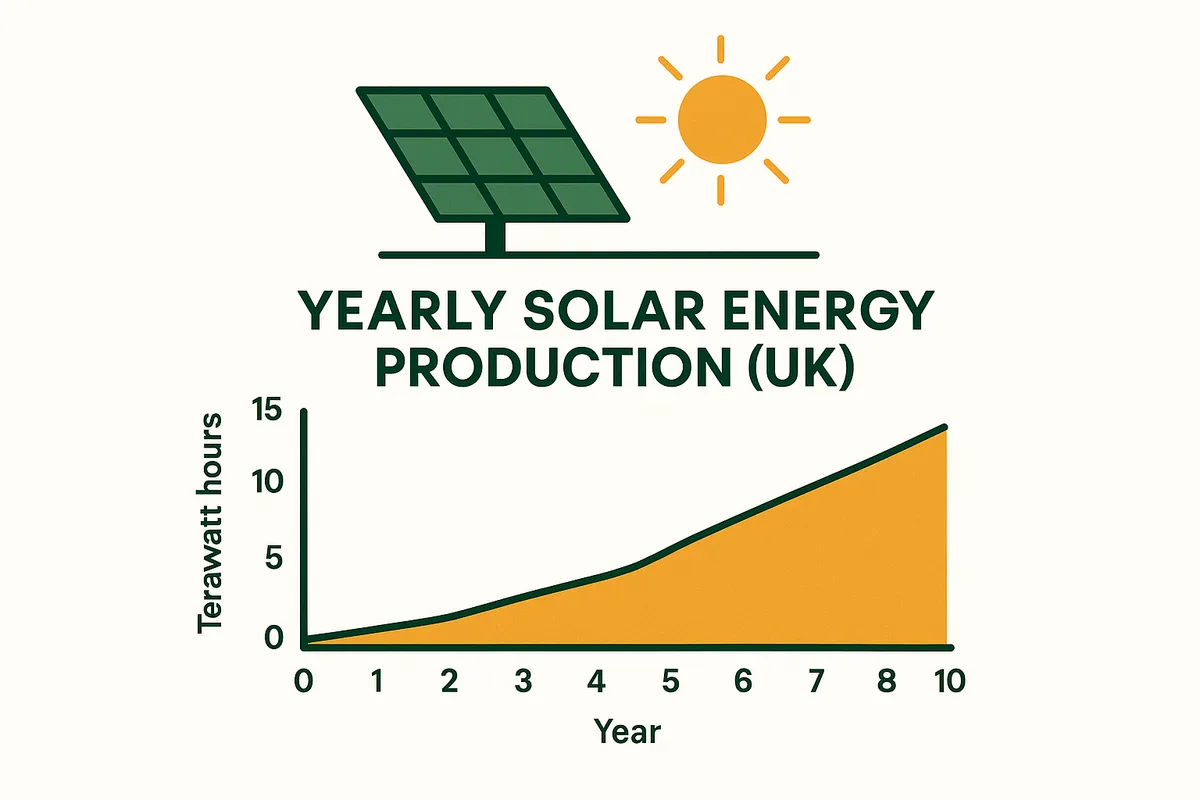
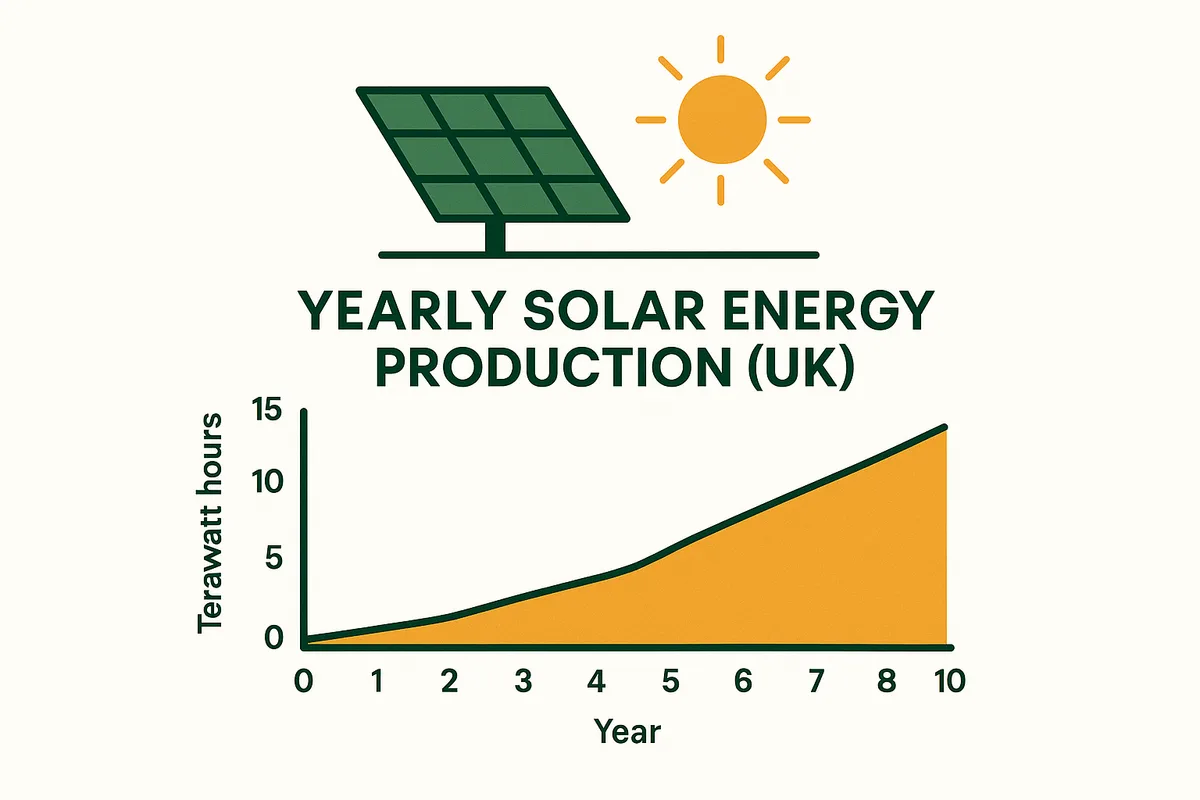
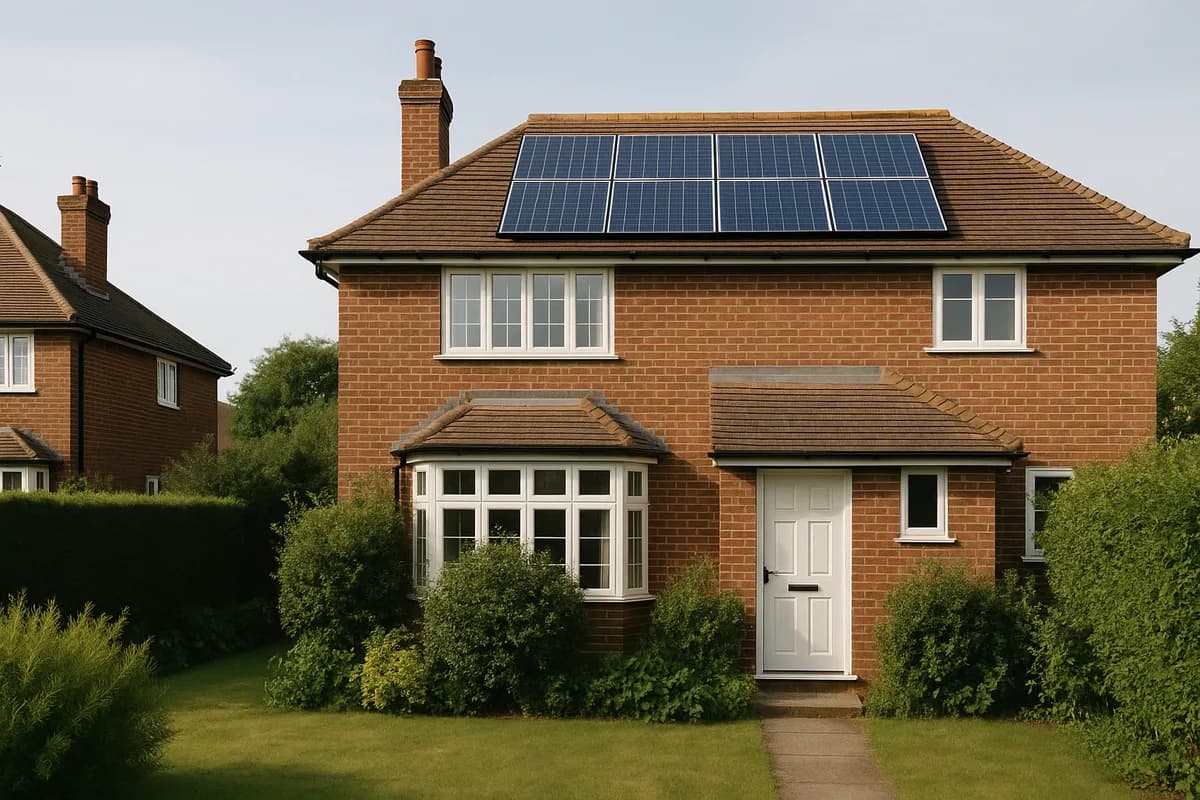
After 10 years, UK solar panels typically still produce 90–95% of their original output. By this point, most systems have fully paid for themselves (payback is 8–12 years) and are generating free electricity. The inverter may need replacing soon (10–15 year lifespan, £800–£1,500), but the panels themselves have 15+ years of useful life remaining.
Real Performance Data: Year 1 vs Year 10
Typical 4kW system installed in 2016, measured in 2026:
| Metric | Year 1 (2016) | Year 10 (2026) | Change |
|---|---|---|---|
| Annual output | 4,000 kWh | 3,800 kWh | –5% |
| Panel efficiency | 20% | 19% | –1 point |
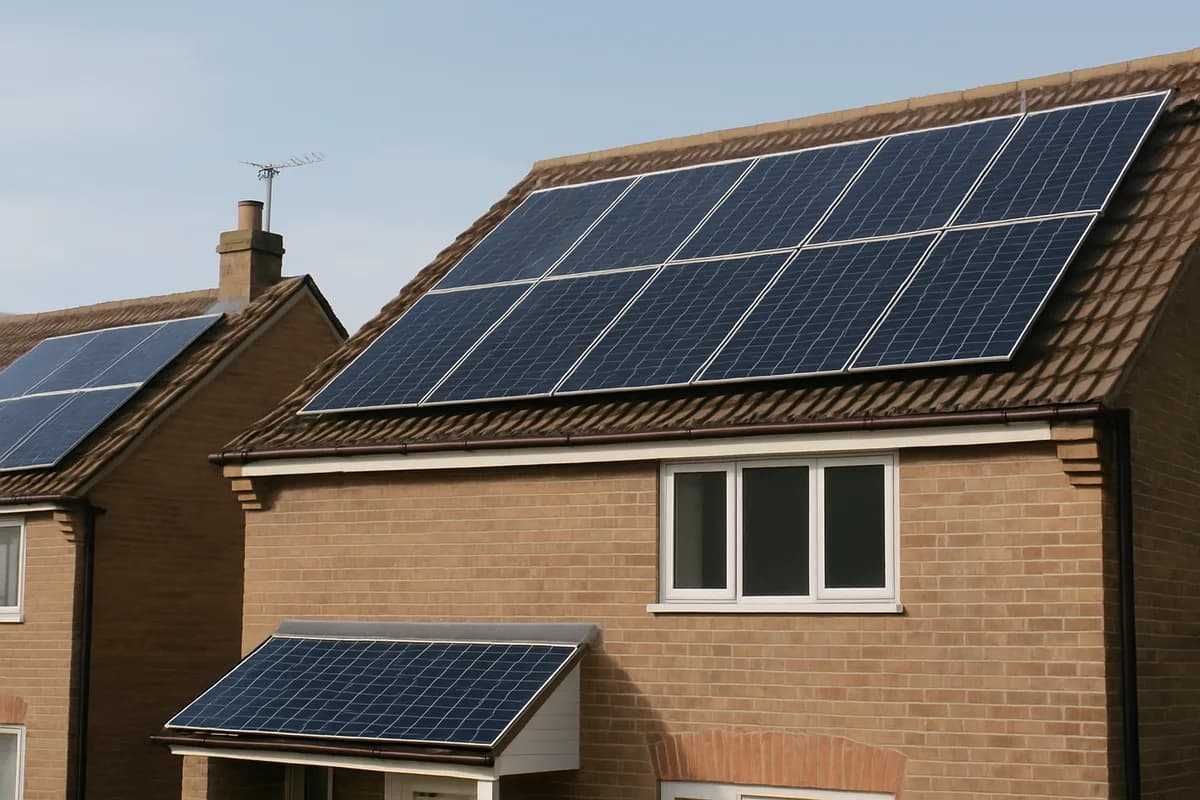
| Visual condition | New | Minor weathering | No damage |
| Inverter | Working | Approaching end of life | May need replacement |
| Mounting | Secure | Secure | No issues |
| Wiring | Perfect | Good | Check if accessible |
The 5% output drop is well within the performance warranty (which typically guarantees >90% at year 10). Most homeowners cannot tell the difference — the panels look and perform almost identically to when they were new.
What the data shows: Solar panels are remarkably durable. The technology has no moving parts, uses tempered glass, and is designed for 25+ years of outdoor exposure. Ten years is less than halfway through their useful life.
Source: NREL PV degradation study (2,000+ systems); UK solar monitoring platforms.
The Financial Picture at 10 Years
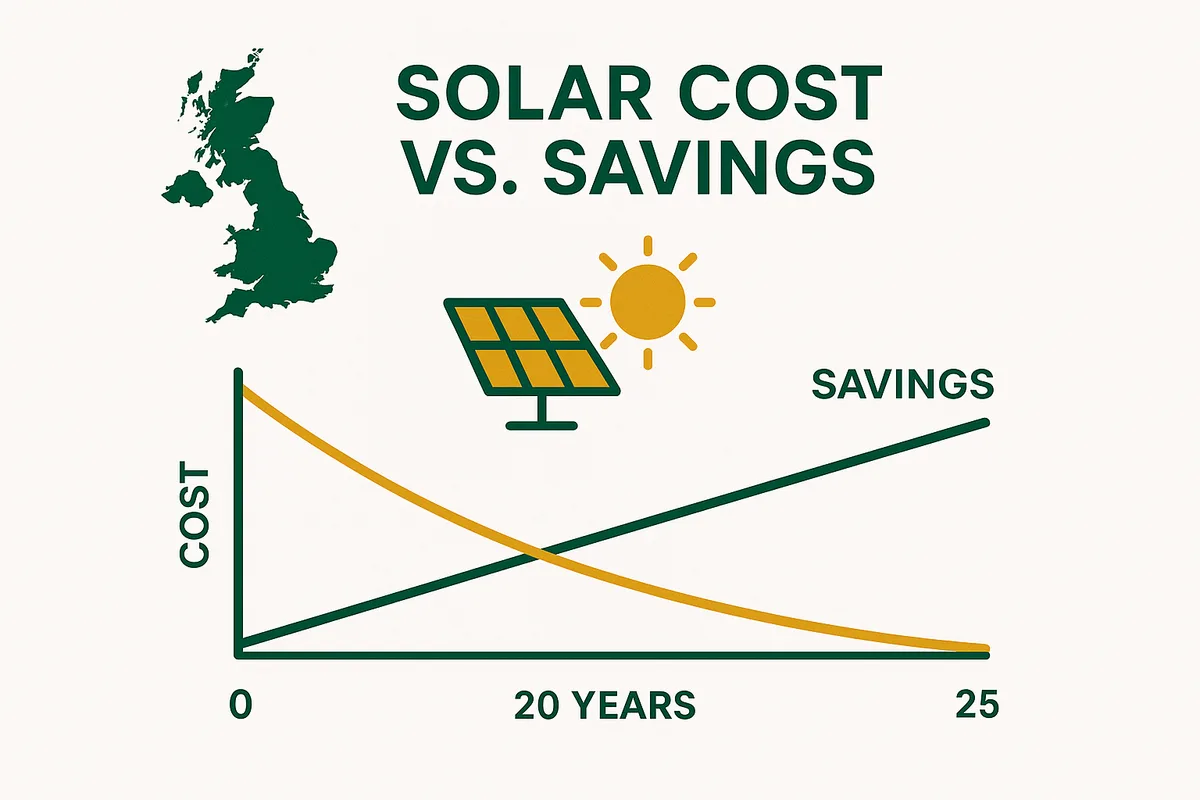
For a 4kW system installed in 2016 at £6,500:
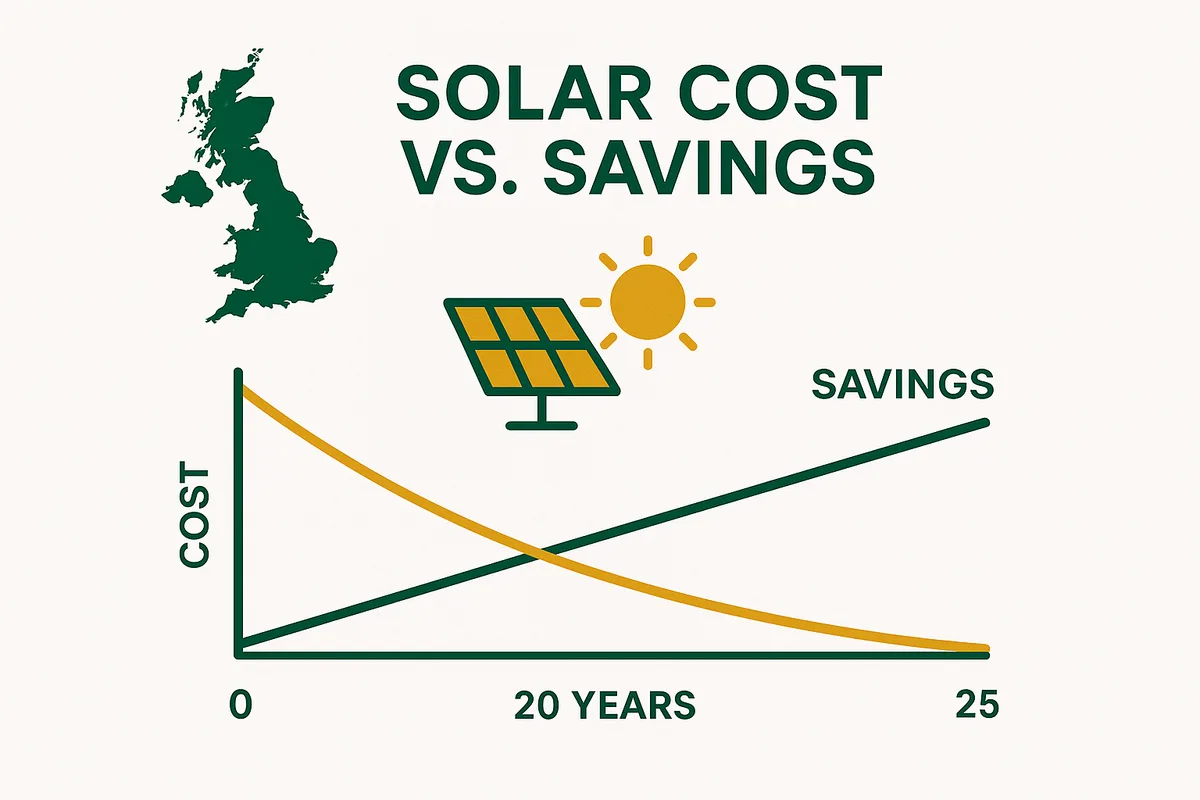
Cumulative savings by year 10: - Electricity saved (years 1–10): £5,500–£7,000 (depending on tariff rates over the period) - SEG/FIT income (years 1–10): £800–£3,000 (FIT homes earn significantly more) - Total income by year 10: £6,300–£10,000
Net position at year 10: - If installed at £6,500: break-even or in profit by £0–£3,500 - The system has either just paid for itself or already generating pure profit
Upcoming costs: - Inverter replacement: £800–£1,500 (likely within next 5 years) - Cleaning (optional): £80–£150 if needed
Next 15 years (years 11–25): - Expected further generation: 50,000–55,000 kWh - Expected further savings: £10,000–£15,000 - Minus inverter replacement: £1,000 - Net profit years 11–25: £9,000–£14,000
The best financial years of your solar system are AHEAD of you at the 10-year mark, not behind you.
Source: Ofgem historical tariff data; FIT register; Energy Saving Trust.
What to Check at the 10-Year Mark
Ready to see what solar could save you?
Get free, no-obligation quotes from MCS-certified installers in your area.
Get Free QuotesAt 10 years, do a system health check:
- Compare current output to year 1 data — should be within 5–10% of original. Anything more warrants investigation.
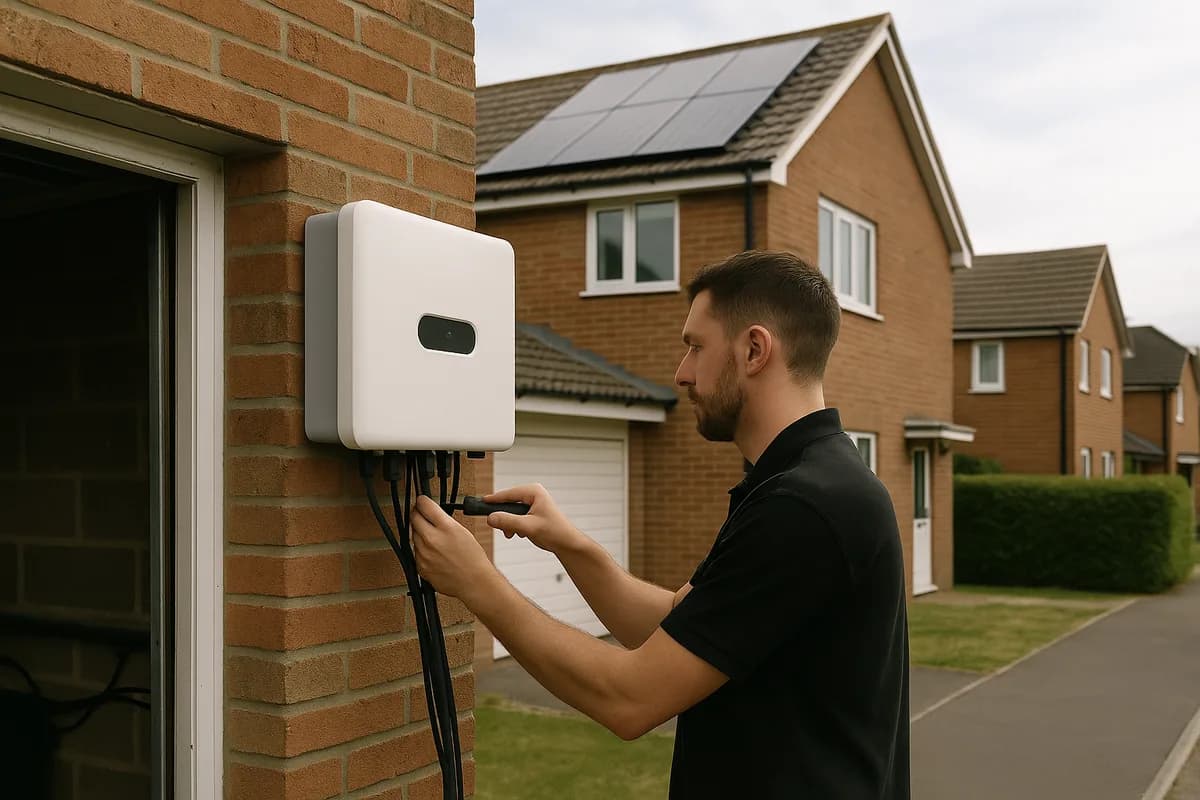
- Check the inverter — is it showing any error codes? Is the display still clear? Is the fan (if present) still working? Budget for replacement within the next 5 years.
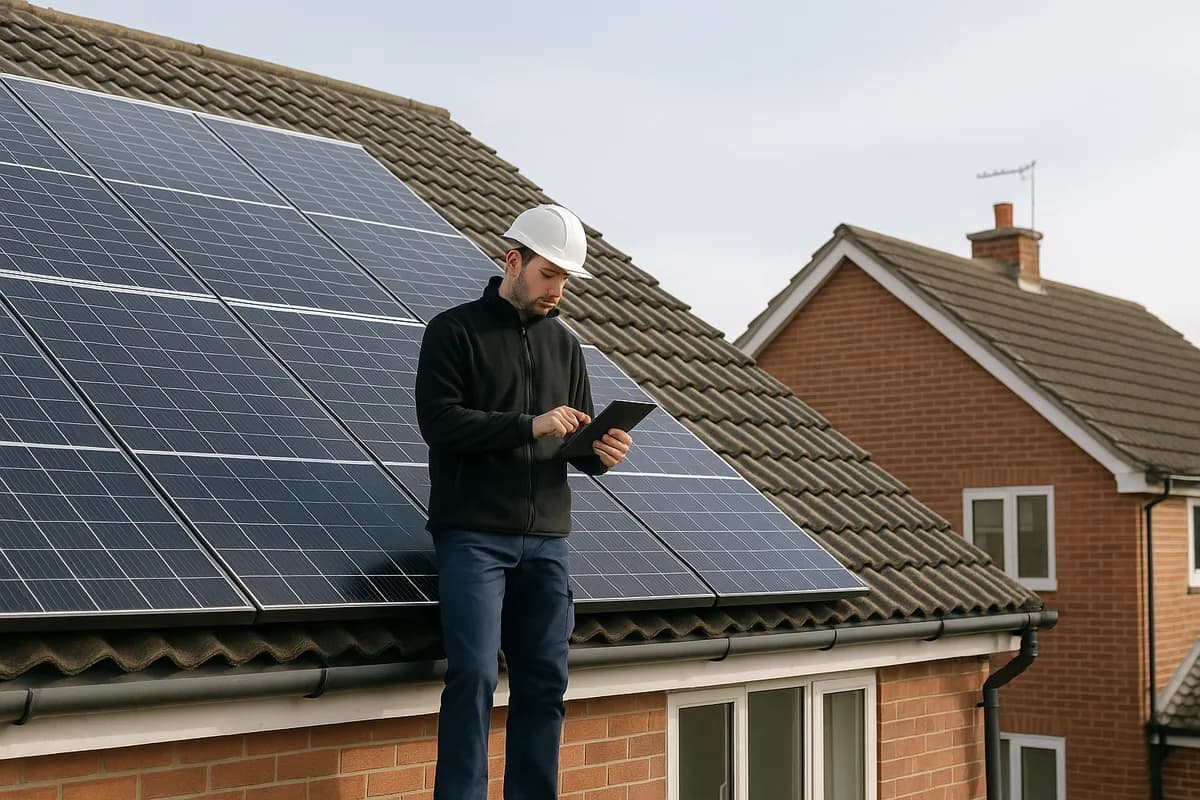
- Visual inspection — look for any visible panel damage (cracks, delamination, discolouration) from ground level. Also check mounting brackets for rust or loosening.
- Check for bird nesting — if pigeons have moved in, now is the time for bird proofing (£300–£600).
- Review your electricity tariff — energy prices have changed dramatically in 10 years. Ensure you are on the best tariff for your consumption pattern.
- Review your SEG/FIT arrangement — if on FIT, check your payments are still correct. If on SEG, compare current rates — you may benefit from switching SEG provider.
- Check warranty status — your 10-year product warranty may be expiring. Note the 25-year performance warranty continues.
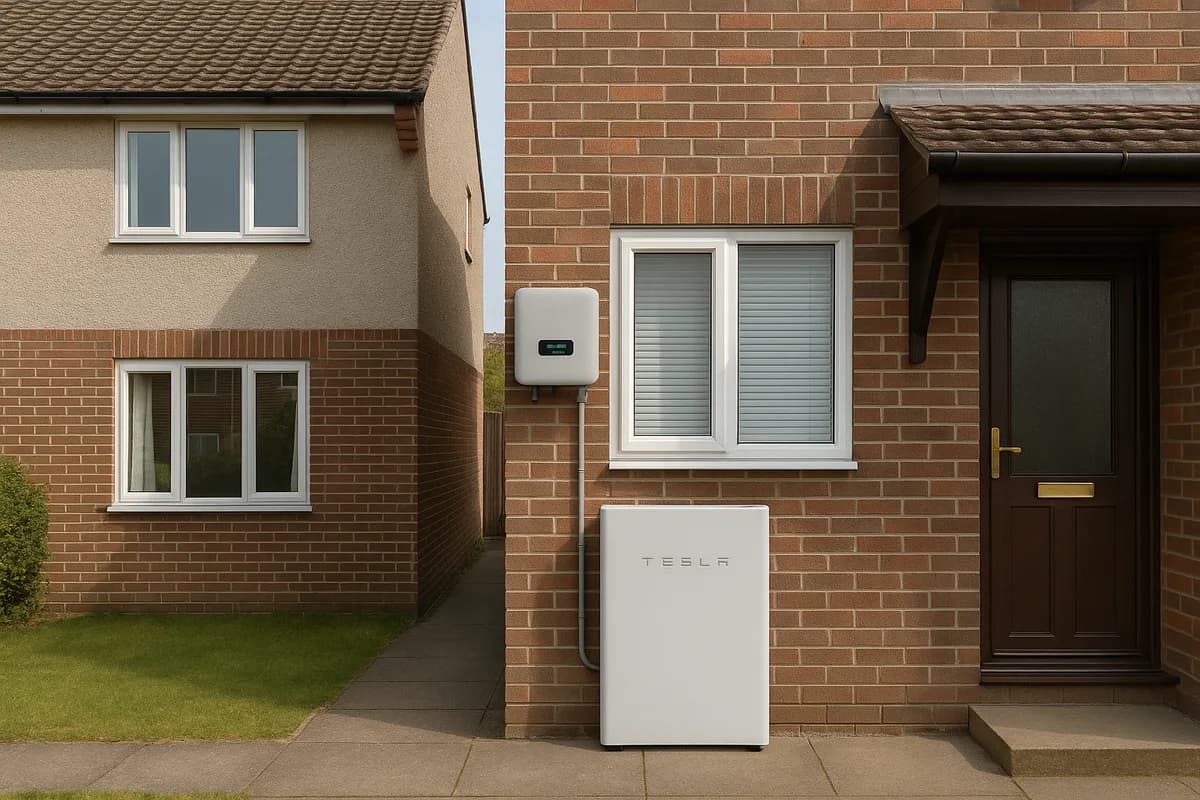
- Consider adding a battery — battery prices have fallen significantly since your original installation. Adding a battery now can boost your self-consumption and savings.
Should You Upgrade at 10 Years?
Your 10-year-old panels are still working well — but technology has improved:
Upgrading the inverter (recommended): - Replace your aging string inverter with a hybrid inverter (£1,200–£2,000) - This future-proofs for battery addition - Modern inverters are more efficient (97–98% vs 94–96% for 2016 models) - Better monitoring and smart tariff integration
Adding a battery (worth considering): - Battery prices have fallen 40–50% since 2016 - A 10kWh battery costs £3,500–£6,000 (vs £8,000–£10,000 in 2016) - Increases self-consumption from 50% to 80% - Adds £200–£400/year in savings
Adding more panels (if roof space allows): - Modern 400W panels produce more per panel than 2016's 250–300W panels - You could add 3–4 panels at £200–£350 each - May need inverter upgrade to handle the additional capacity
Replacing panels (not recommended): - Your panels still produce 90–95% of original output - Replacement costs more than the marginal output gain - Wait until panels drop below 70% (typically year 20+)
Source: MCS upgrade guidance; battery price trends.
What UK Homeowners Say After 10 Years
Common feedback from UK homeowners with 10-year-old solar systems:
Positive: - 'Best home investment we ever made — paid for itself in year 9' - 'Panels look exactly the same as when they were installed' - 'We barely think about them — they just work' - 'Our electricity bill is a fraction of what neighbours pay' - 'We wish we had installed a bigger system'
Lessons learned: - 'Should have got a battery from the start — adding one later is more disruptive' - 'The inverter failed at year 8 — wish we had extended the warranty' - 'We did not realise how much we could save by shifting appliance usage to daytime' - 'Bird proofing should have been done at installation — pigeons arrived in year 3'
The overwhelming consensus: Solar panels are one of the best investments UK homeowners make. The only regret is not installing sooner or bigger.
Source: UK solar owner forums; Trustpilot reviews; Energy Saving Trust survey data.
Frequently Asked Questions
Related guides
You might also like
Ready to see what solar could save you?
Get free, no-obligation quotes from MCS-certified installers in your area.
Get Free QuotesFree, no obligation. Takes 2 minutes.