Solar Panels & Electric Cars: Complete Guide
Sizing solar around an EV or heat pump?
Both change your consumption profile substantially, which changes the system you need. Get a size and price built around your actual load.
Size a System for My HomeFree calculator. See your result before giving any details.
How much do solar panels save on EV charging?
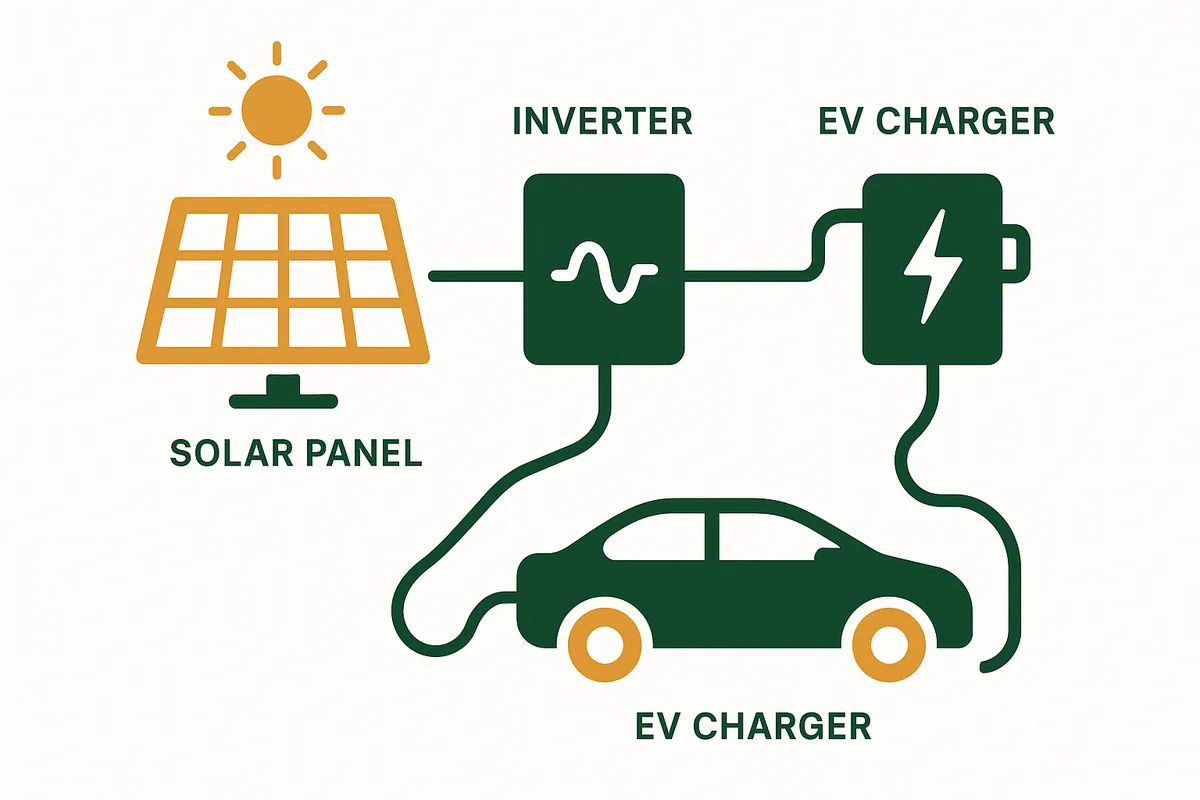
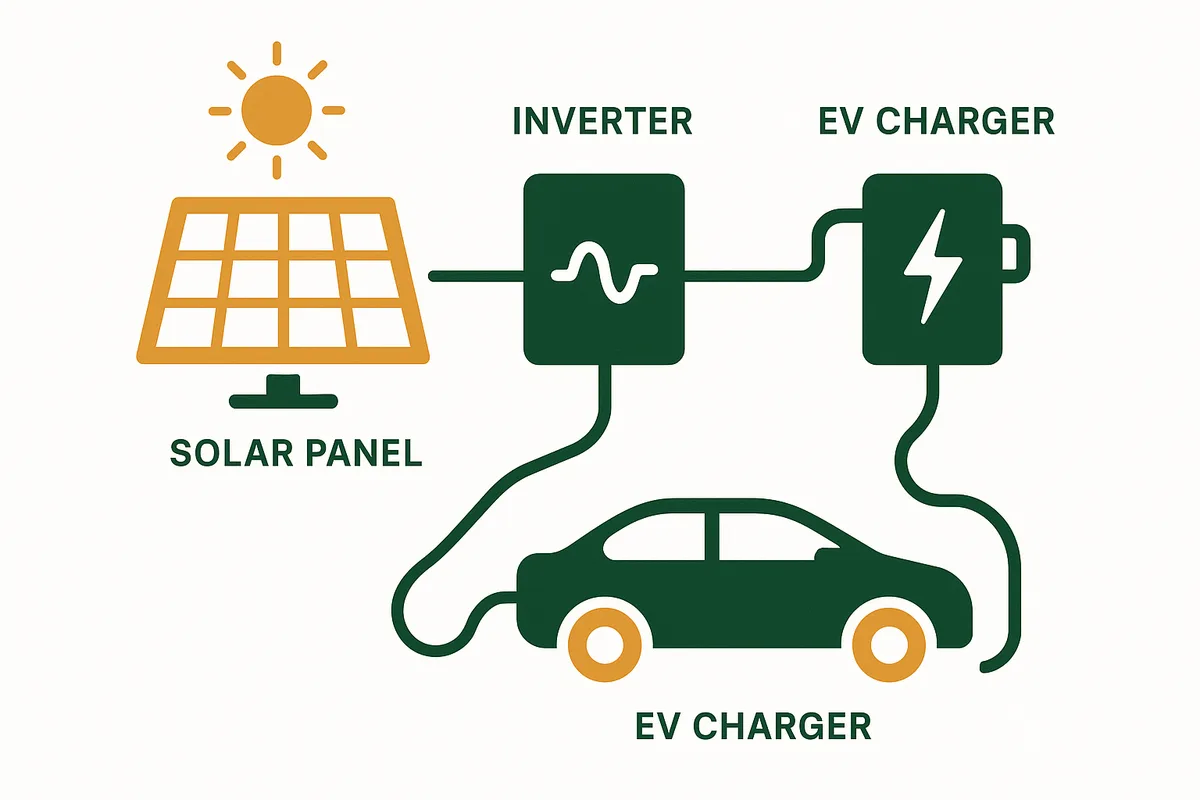
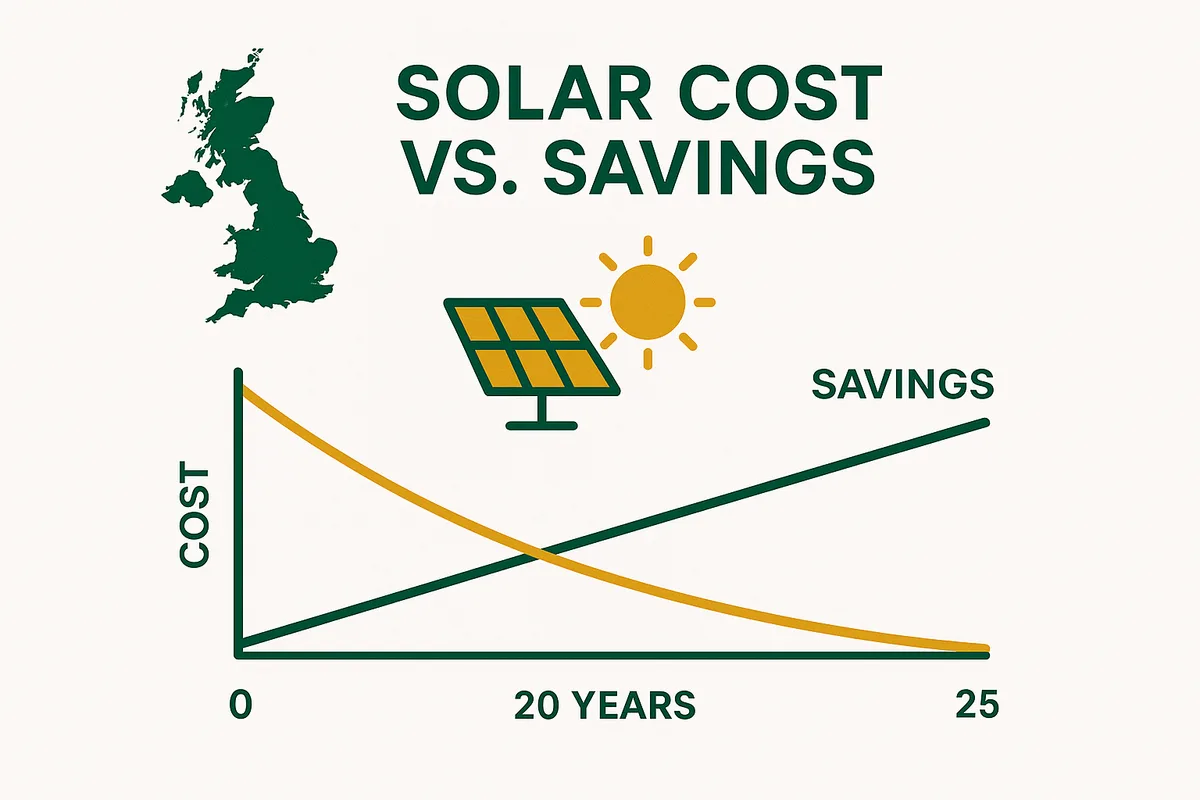
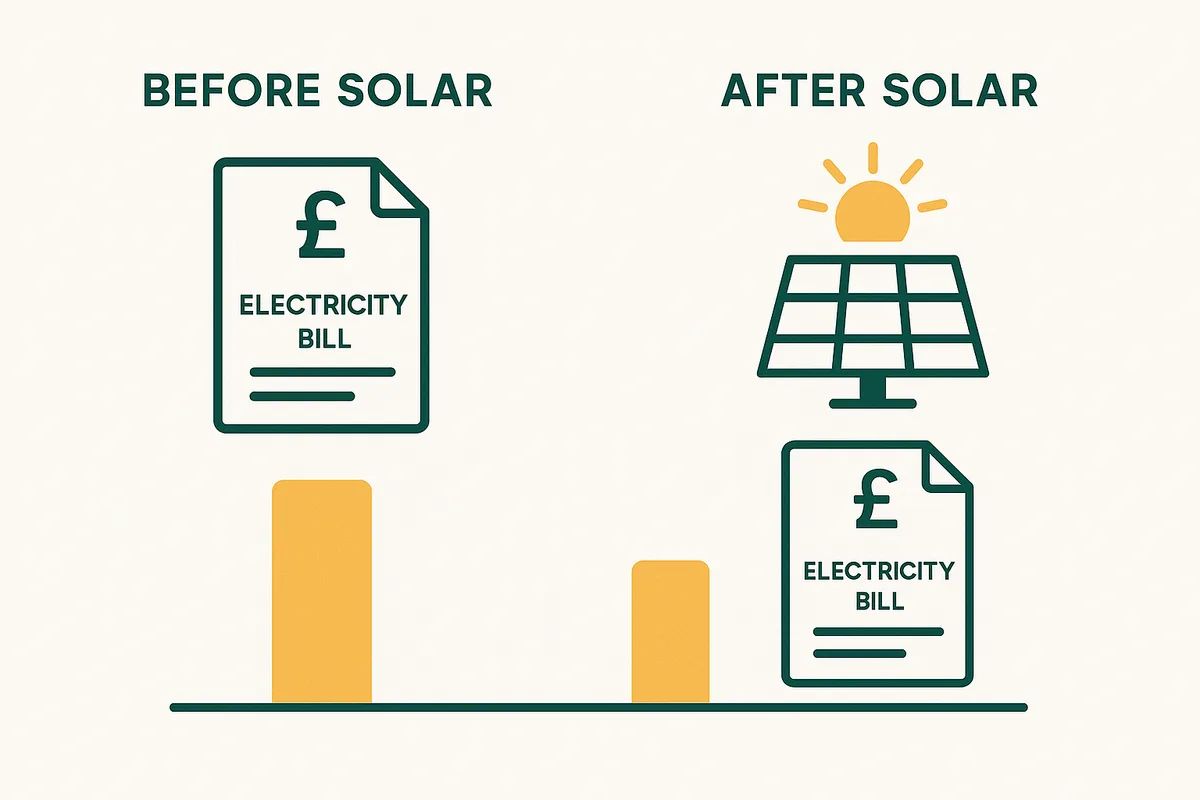
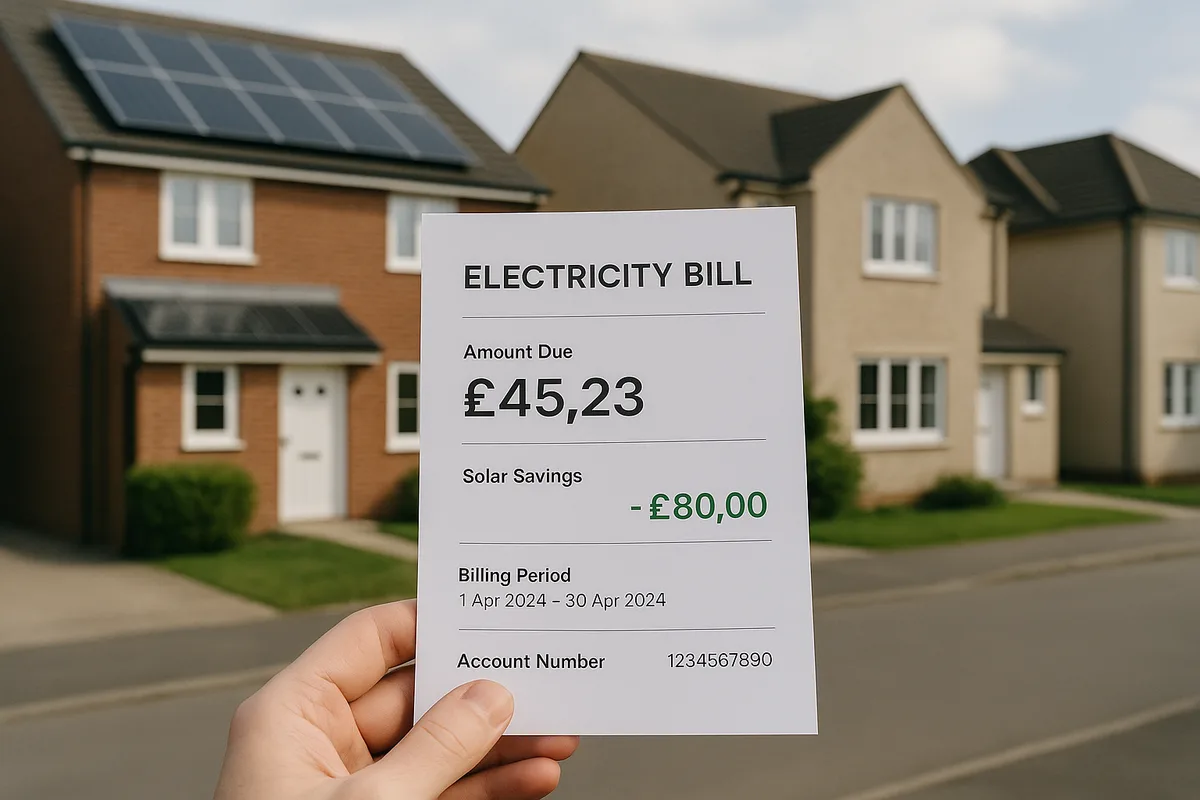
Combining solar panels with an electric car saves £400–£550 per year on fuel costs alone — on top of the £580–£900 home electricity savings from solar. The smartest setup: a 5–6kW solar system + Zappi smart charger + Octopus Go tariff. This gives you: free daytime EV charging from solar + cheap 7.5p/kWh overnight charging. Total annual energy savings (home + car): £1,000–£1,450. Payback on the combined system: 6–9 years.
The Financial Case: Solar + EV
Annual driving costs comparison (7,400 miles/year — UK average):
| Fuel Method | Cost per Mile | Annual Cost |
|---|---|---|
| Petrol (£1.40/litre, 40mpg) | 15.9p | £1,176 |
| EV — grid rate (26.11p/kWh) | 7.5p | £559 |
| EV — Octopus Go overnight (7.5p/kWh) | 2.3p | £171 |
| EV — solar charged (free) | 0p | £0 |
| EV — solar + Go hybrid | ~1p | £68 |
Savings vs petrol: - EV on grid: saves £617/year - EV on Octopus Go: saves £1,005/year - EV on solar + Go hybrid: saves £1,108/year
Savings vs grid-rate EV charging: - Solar + Go hybrid saves £491/year vs standard grid charging
Adding solar to an EV household effectively eliminates fuel costs. The combination delivers the strongest financial returns of any home energy investment.
Source: DfT average mileage; fuel prices; Ofgem price cap July-September 2026; Octopus Go rates.
The Optimal Setup
The ideal solar + EV configuration:
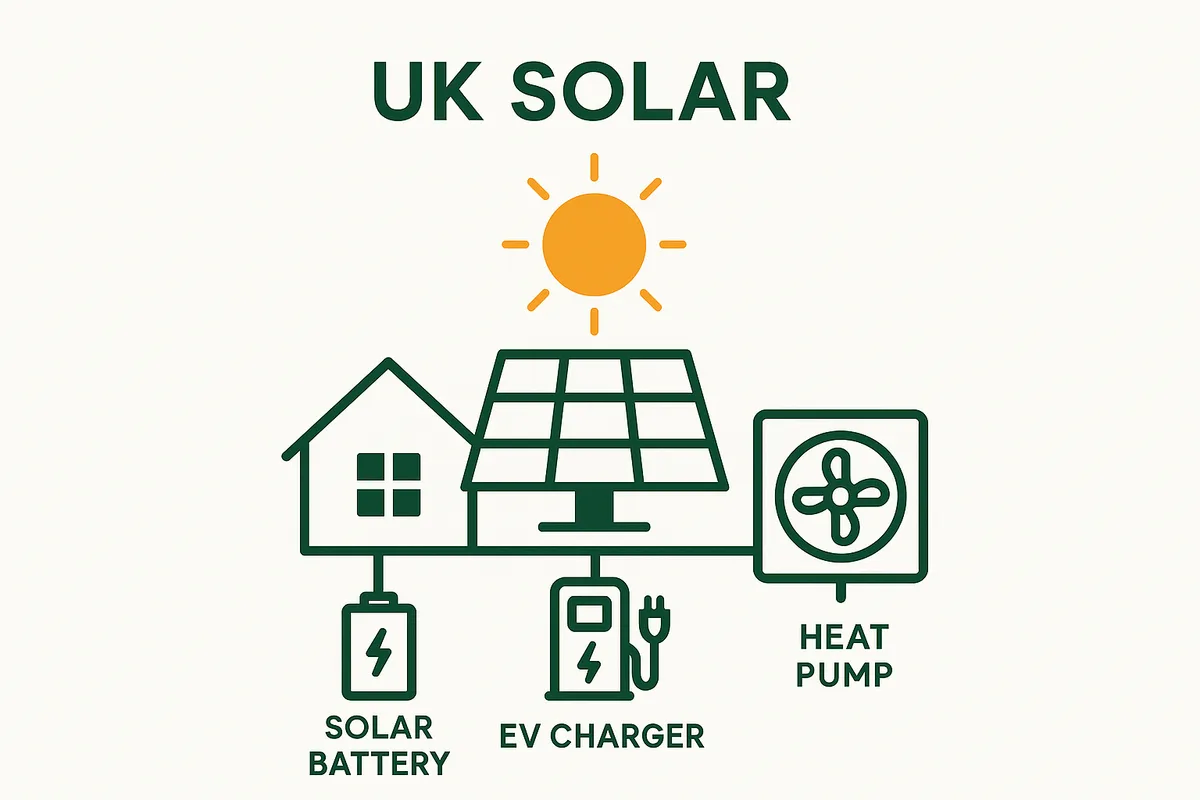
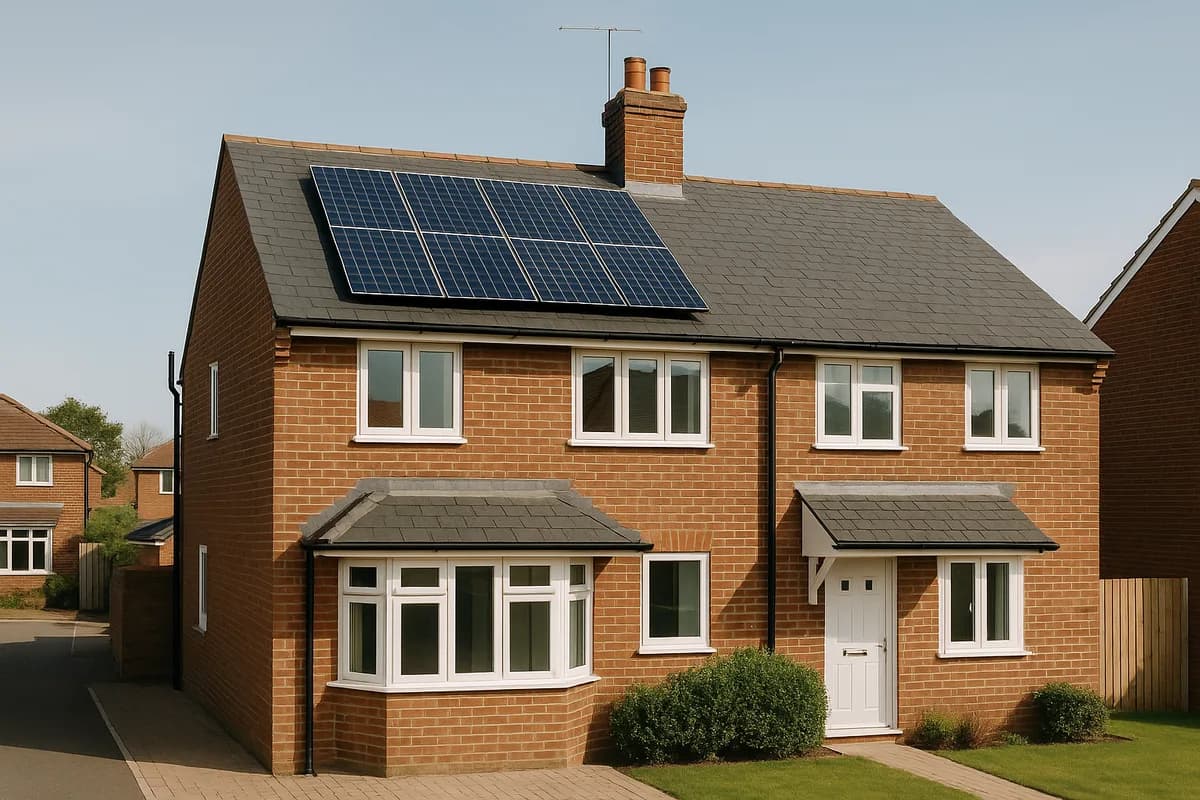
1. Solar panels: 5–6kW (13–16 panels) - Generates enough for home electricity + significant EV surplus - Cost: £6,500–£11,000
2. Smart EV charger: Zappi (by Myenergi) - Eco mode: charges only from surplus solar - Eco+ mode: solar + configurable grid top-up - Fast mode: full speed from any source - Cost: £800–£1,100 installed
3. Time-of-use tariff: Octopus Go - 7.5p/kWh overnight (00:30–05:30) - Charges EV cheaply when solar is not available - Saves £400+/year vs standard rate charging
4. Optional: 10kWh battery - Stores daytime solar for evening home use - Frees up more solar surplus for EV during the day - Enables Octopus Flux peak export income (16:00–19:00) - Cost: £4,000–£6,000
Total system cost: £7,300–£18,100 Annual savings (home + car): £1,000–£1,450 Payback: 6–12 years
Source: System design; Ofgem; Octopus tariffs.
How Much Solar Do You Need for an EV?
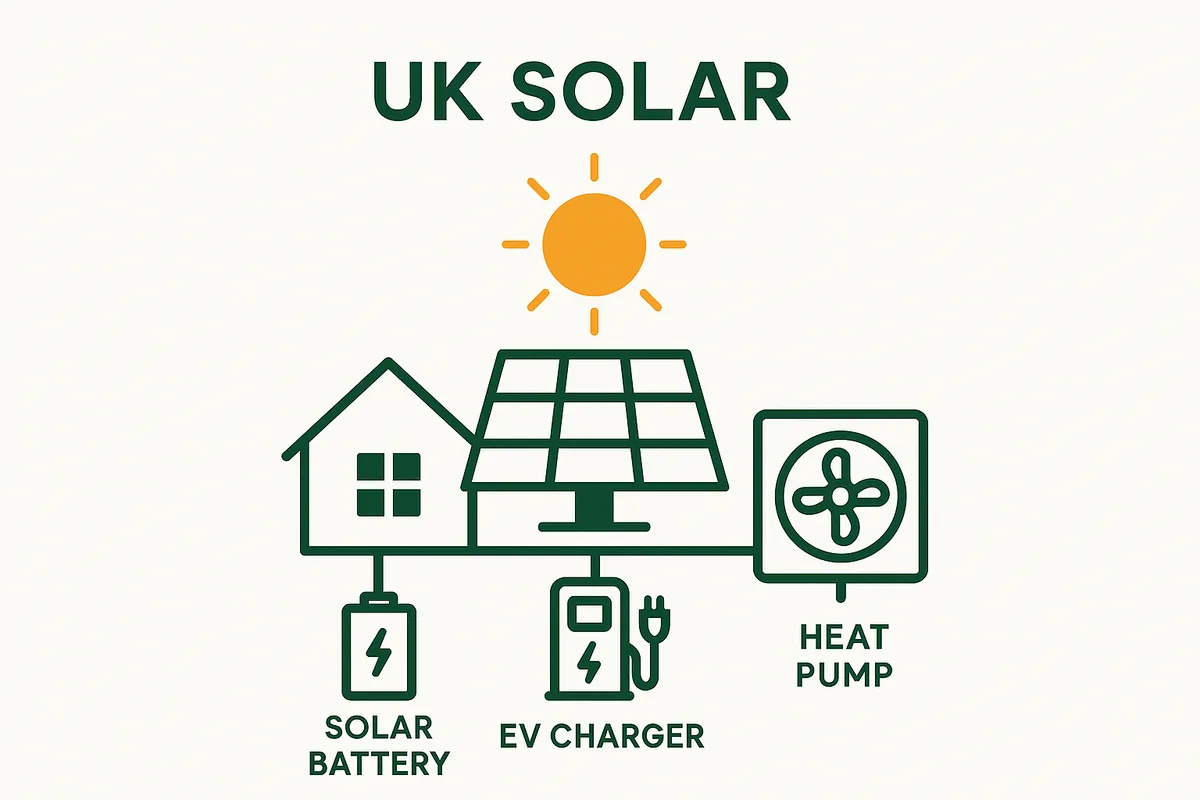
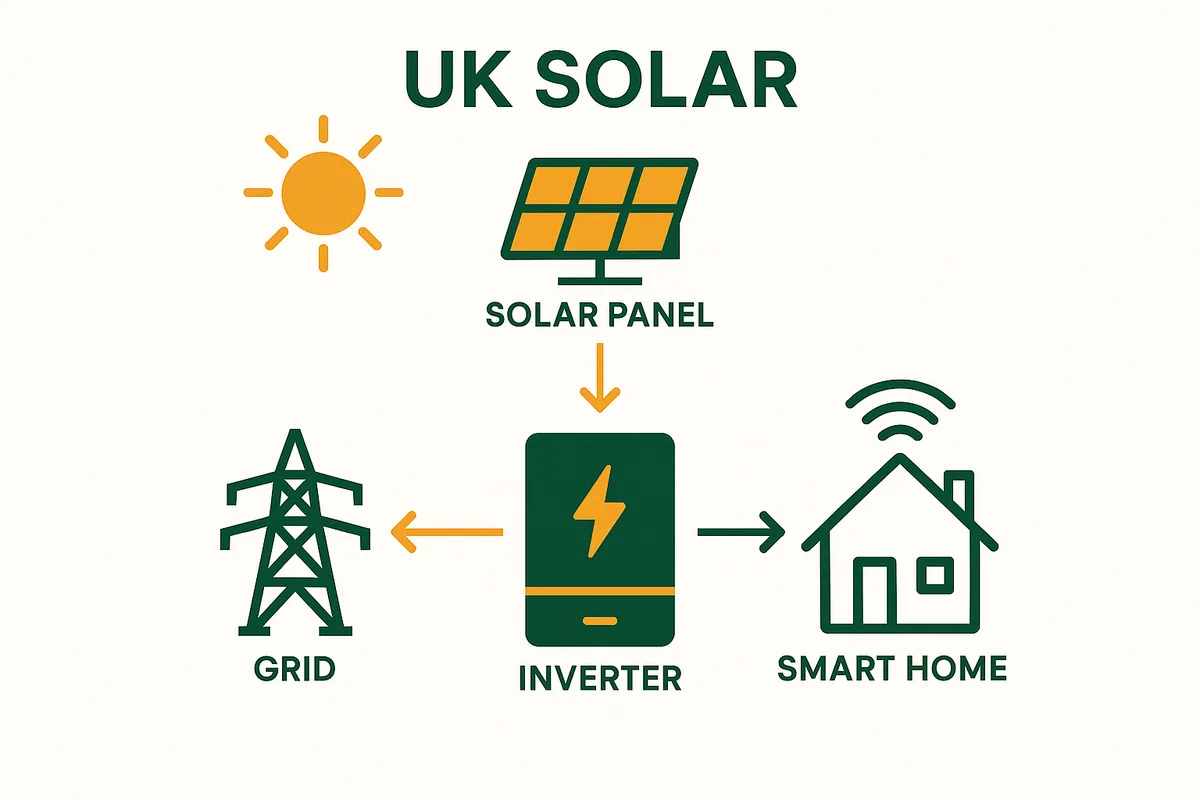
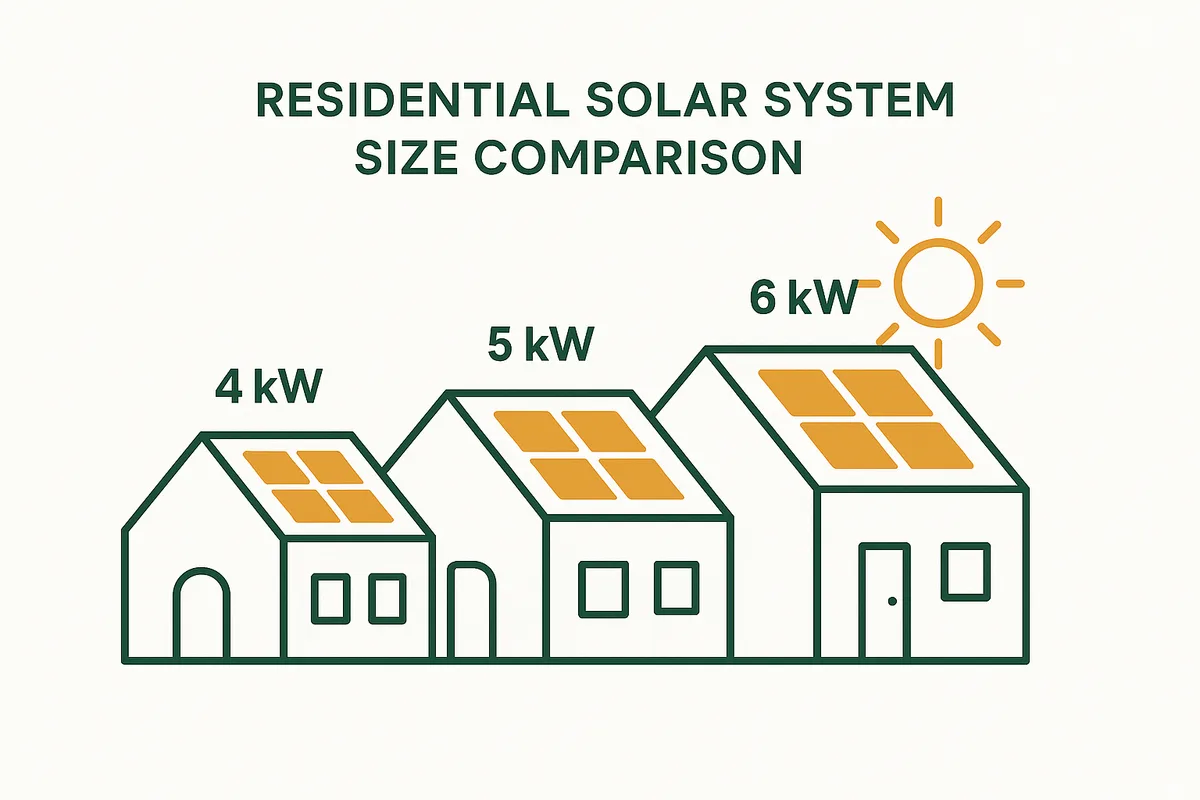
Sizing solar around an EV or heat pump?
Both change your consumption profile substantially, which changes the system you need. Get a size and price built around your actual load.
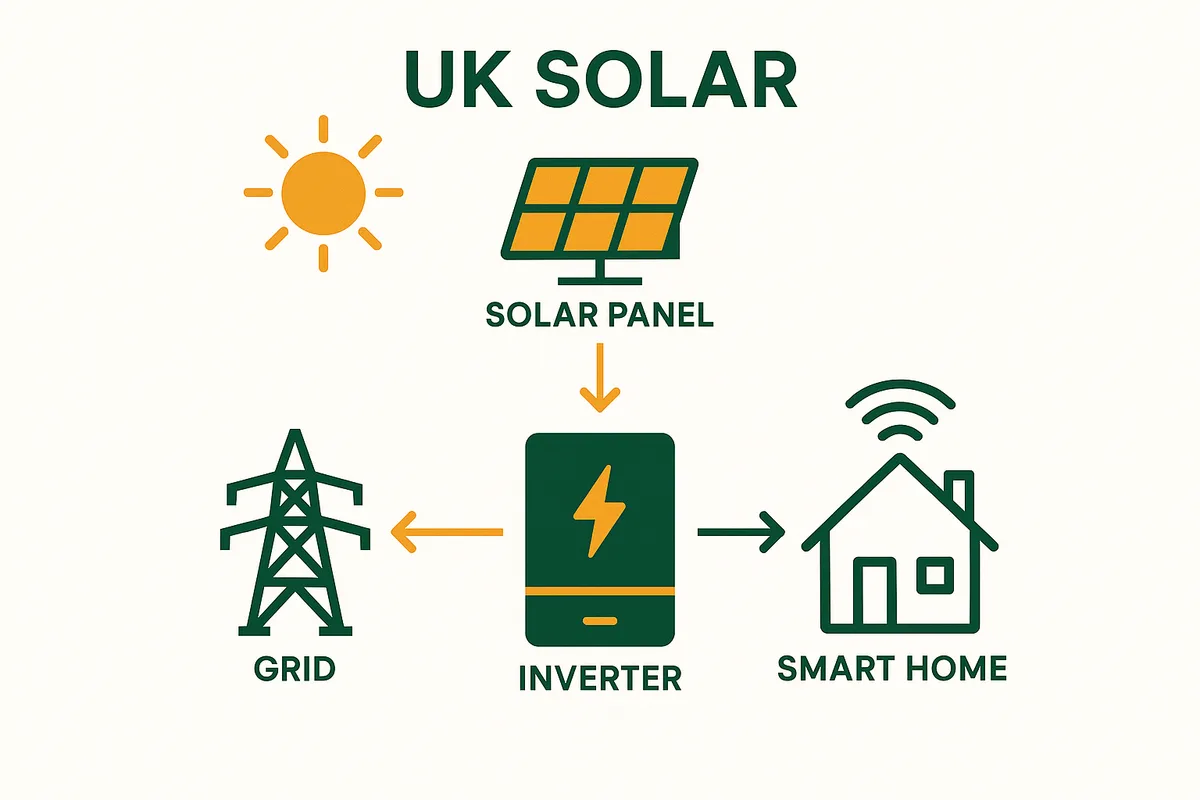
Size a System for My HomeYour EV electricity needs: - Average UK mileage: 7,400 miles/year - Average EV efficiency: 3.25 miles/kWh - Annual EV electricity: 2,280 kWh
Solar to cover EV charging: - 2,280 kWh ÷ 1,000 kWh/kWp yield = 2.3 kWp of solar for EV alone - But self-consumption is only 30–50% without smart scheduling - With Zappi smart charging: 50–70% of surplus goes to EV - Practical recommendation: add 3–4kW (8–10 panels) for EV charging
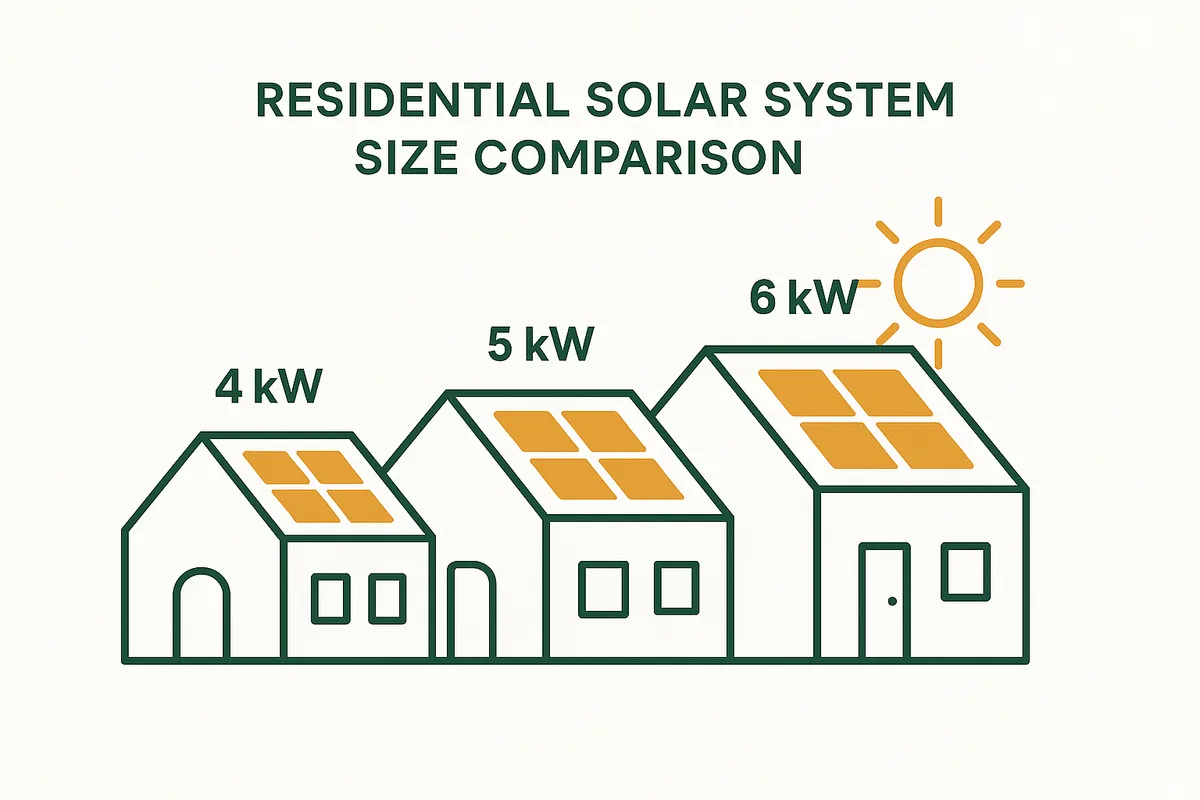
Total system for home + EV: - Home: 4kW (10 panels) - EV: 3–4kW (8–10 panels) - Total: 7–8kW (18–20 panels)
This large system generates more than most homes can use — the surplus charges the EV, and any remaining surplus exports for SEG income.
Source: DfT; EV efficiency data; PVGIS.
Smart Charger Options for Solar EV Charging
Zappi (Myenergi) — £800–£1,100 installed: - Best solar integration in the UK market - Eco mode: charges ONLY from surplus solar (zero grid import) - Eco+ mode: solar + minimum grid import (configurable threshold) - Integrates with Eddi hot water diverter for complete surplus management - 7kW (single phase) or 22kW (three phase) - OZEV approved for grant (if still available)
Ohme — £500–£700 installed: - Smart scheduling via app - Integrates with Octopus Energy tariffs - Solar-aware via API (less direct than Zappi's CT clamp) - Good for tariff optimisation, weaker for real-time solar diversion
Hypervolt — £600–£900 installed: - Solar-aware charging - Load balancing (prevents tripping main fuse) - App control with scheduling - Good mid-range option
Standard 7kW charger — £300–£500 installed: - No solar integration - Charges at fixed 7kW whenever plugged in - Can be scheduled via car's own app for off-peak charging - Cheapest option but no solar intelligence
Recommendation: Zappi for solar owners (best solar integration). Ohme for Octopus tariff users without solar. Standard for budget-only installations.
Source: Manufacturer specifications; OZEV approved charger list.
Real-World Solar EV Charging Scenarios
Scenario 1: Work from home (car parked all day) - Solar charges EV directly during daylight - Zappi Eco mode uses all surplus for the car - 5kW system surplus: ~1,500–2,500 kWh/year to EV - Free driving: 5,000–8,000 miles/year - Remaining miles: Octopus Go overnight at 7.5p - Annual EV cost: £30–£80
Scenario 2: Commuter (car away 8am–6pm) - Car is away during peak solar hours - Solar charges battery during the day - Battery charges EV in the evening (if battery is large enough) - OR: Octopus Go charges EV overnight at 7.5p - Weekend solar charging supplements - Annual EV cost: £120–£200
Scenario 3: Part-time home (mix of home and office) - 2–3 days at home: Zappi charges from solar - Office days: Octopus Go overnight - Annual EV cost: £60–£120
All scenarios dramatically cheaper than petrol (£1,176/year) or standard grid EV charging (£559/year).
Source: Usage modelling; tariff calculations.
Frequently Asked Questions
Related guides
Related: Home Heating Systems
Solar panels are most powerful when combined with an efficient heating system. Heat pumps use solar-generated electricity to heat your home at 300-400% efficiency — making them the ideal partner for solar.
Heat pumps use electricity at 300-400% efficiency, making them ideal partners for solar.
From our sister site Home Heat Pump Guide
You might also like
Sizing solar around an EV or heat pump?
Both change your consumption profile substantially, which changes the system you need. Get a size and price built around your actual load.
Size a System for My HomeFree calculator. See your result before giving any details.