Solar Panels & Home Insurance: What Changes?
Need someone to look at your system?
Faults, cleaning and bird proofing are all installer jobs. Get quotes from MCS-certified installers covering your area.
Get a Quote for This WorkFree, no obligation.
Does home insurance cover solar panels?
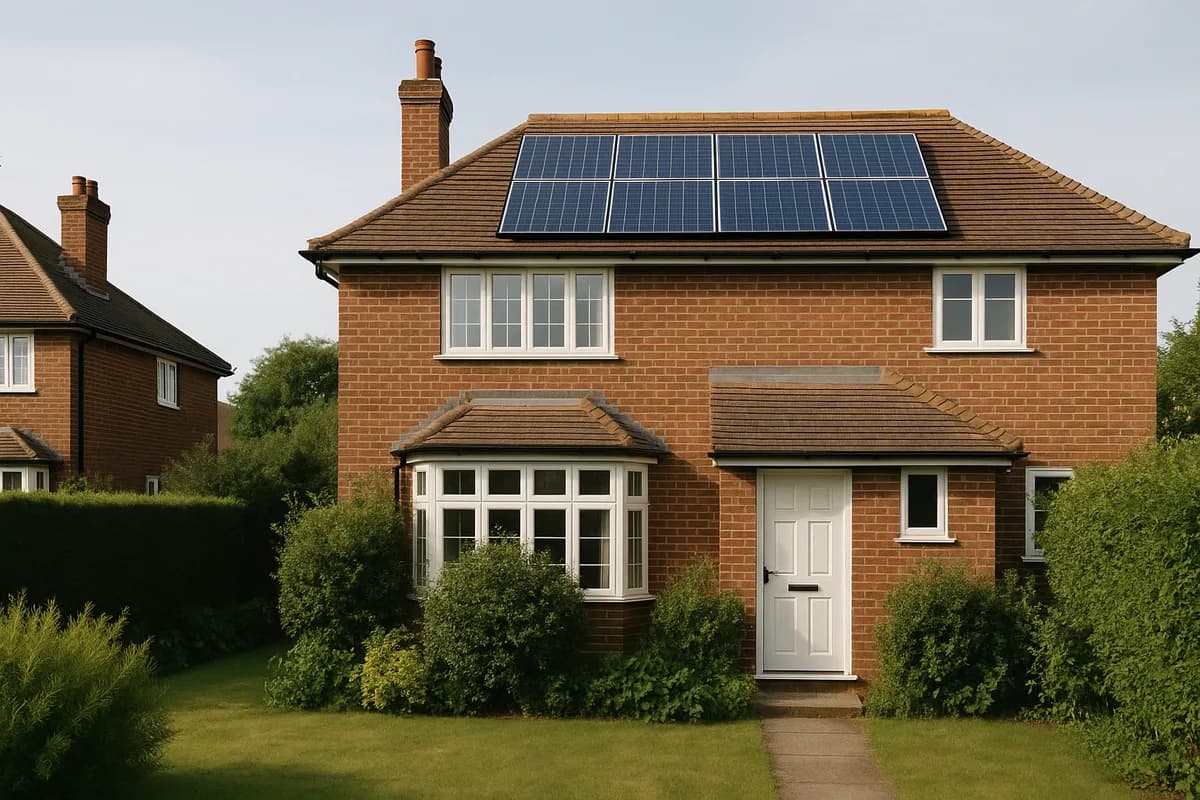
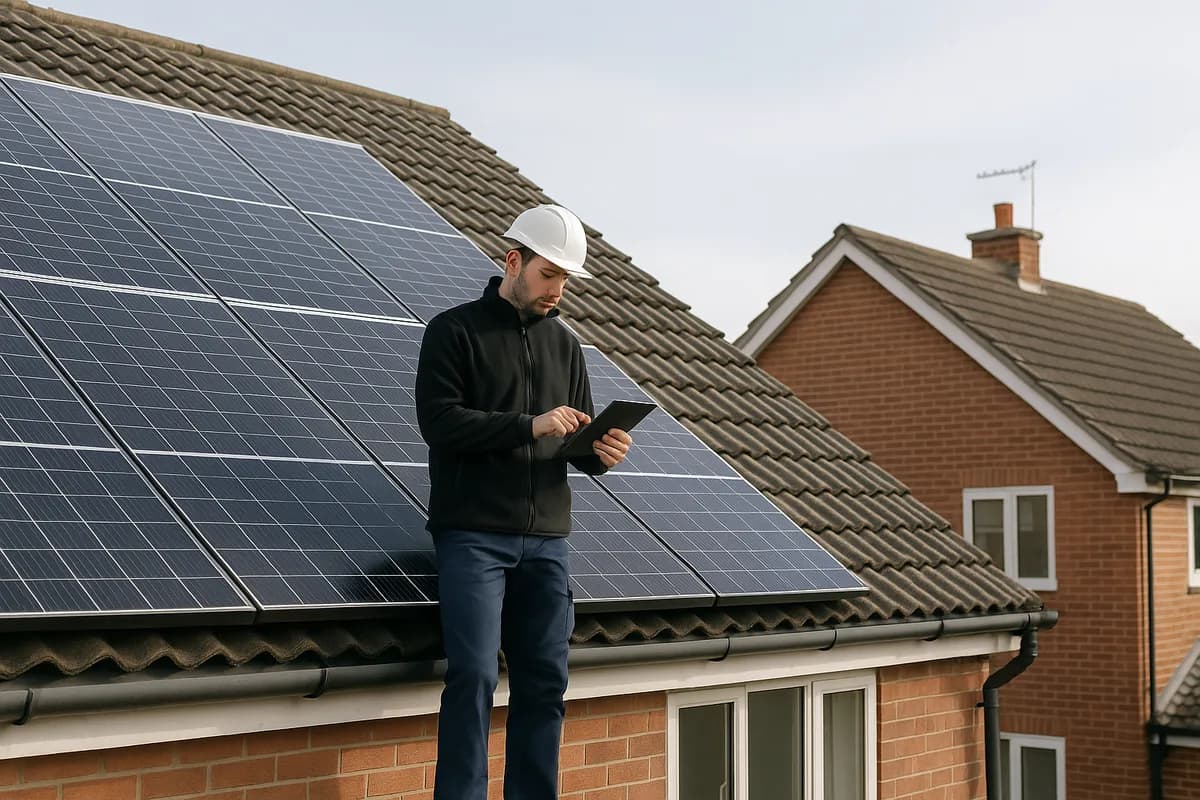
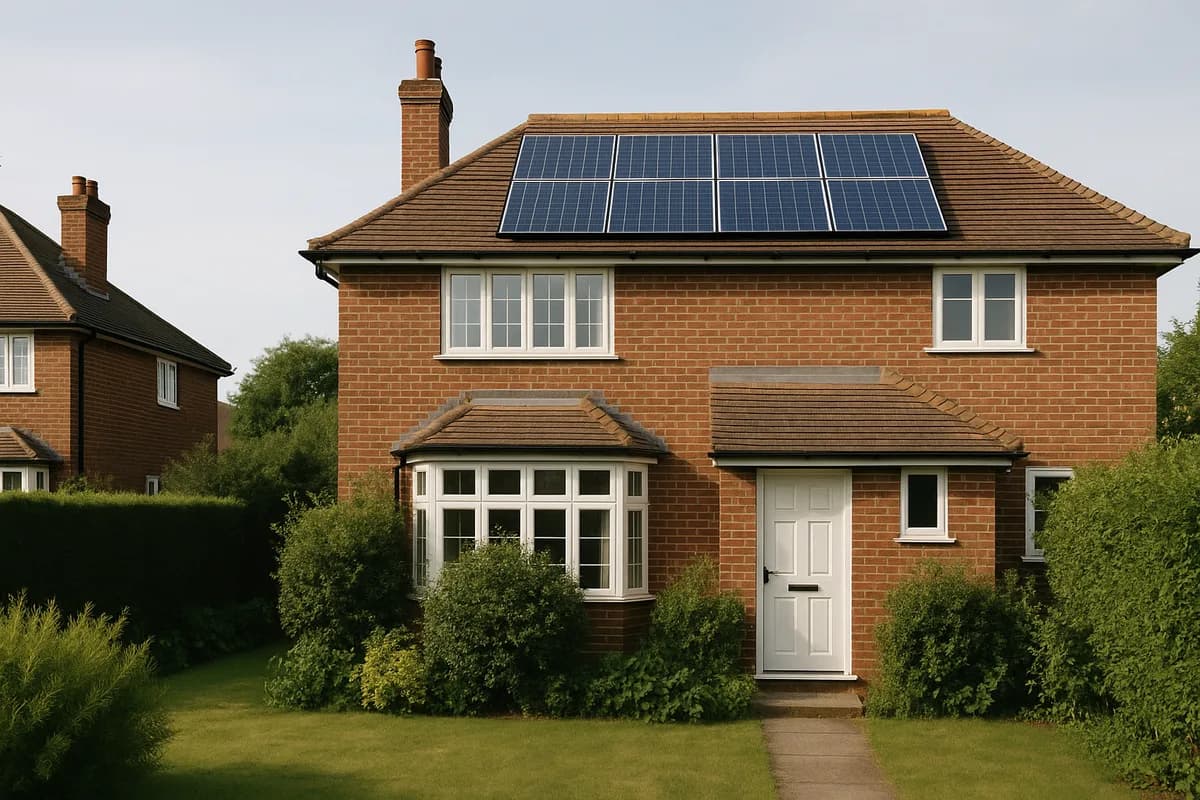
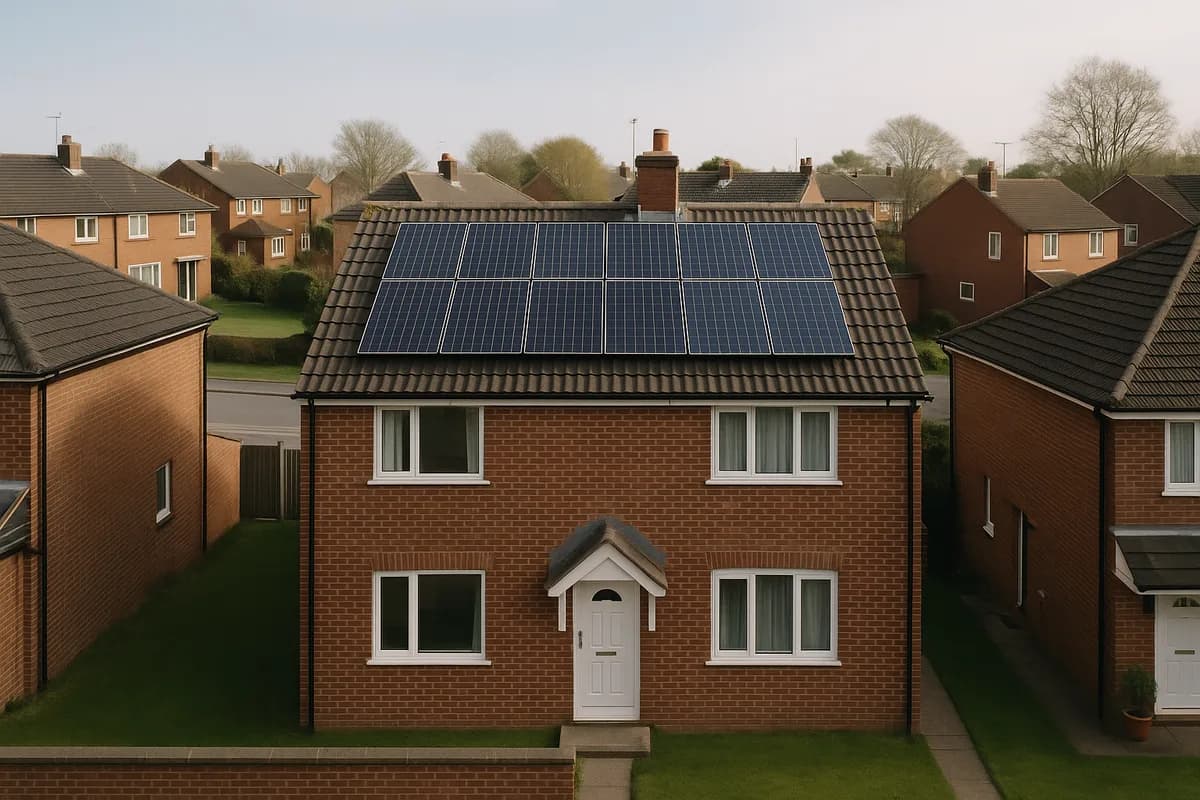
Solar panels are typically covered by your existing buildings insurance as a permanent fixture. You must notify your insurer when panels are installed — failure to disclose could void your entire policy. Most insurers charge no additional premium or add £0–£50/year. Coverage includes: storm damage, fire, theft, and accidental damage. It does NOT cover: mechanical breakdown, gradual degradation, or bird damage (though some policies may).
Why You Must Notify Your Insurer
Notifying your insurer about solar panel installation is essential — not optional. Here is why:
Legal requirement: Buildings insurance policies require you to disclose material changes to the property. Solar panels are a structural modification (permanently fixed to the roof). Non-disclosure can: - Void your entire policy (not just the solar claim) - Result in rejected claims for unrelated damage (roof leak, fire, storm) - Breach the Insurance Act 2015 duty of fair disclosure
What to tell your insurer: 1. System size and number of panels 2. Installation cost (for rebuilding/replacement value) 3. MCS certification (proves professional installation) 4. Whether panels are owned or leased 5. Installer details and workmanship warranty
Timing: Notify your insurer before installation if possible, or immediately after. Most insurers process the change in a single phone call or online form.
Source: Association of British Insurers (ABI); Insurance Act 2015.
What IS Covered
Standard buildings insurance typically covers solar panels against:
- Storm damage — wind, hail, lightning (the most common claim type)
- Fire — including electrical fire originating from the system
- Theft — rare but covered (panels are heavy and difficult to steal)
- Falling objects — tree branches, debris, tiles from neighbouring properties
- Malicious damage / vandalism
- Flood damage — if panels or inverter are affected
- Subsidence — if ground movement damages the roof structure and panels
- Impact damage — vehicle collision, falling scaffolding, etc.
What Is NOT Typically Covered
Need someone to look at your system?
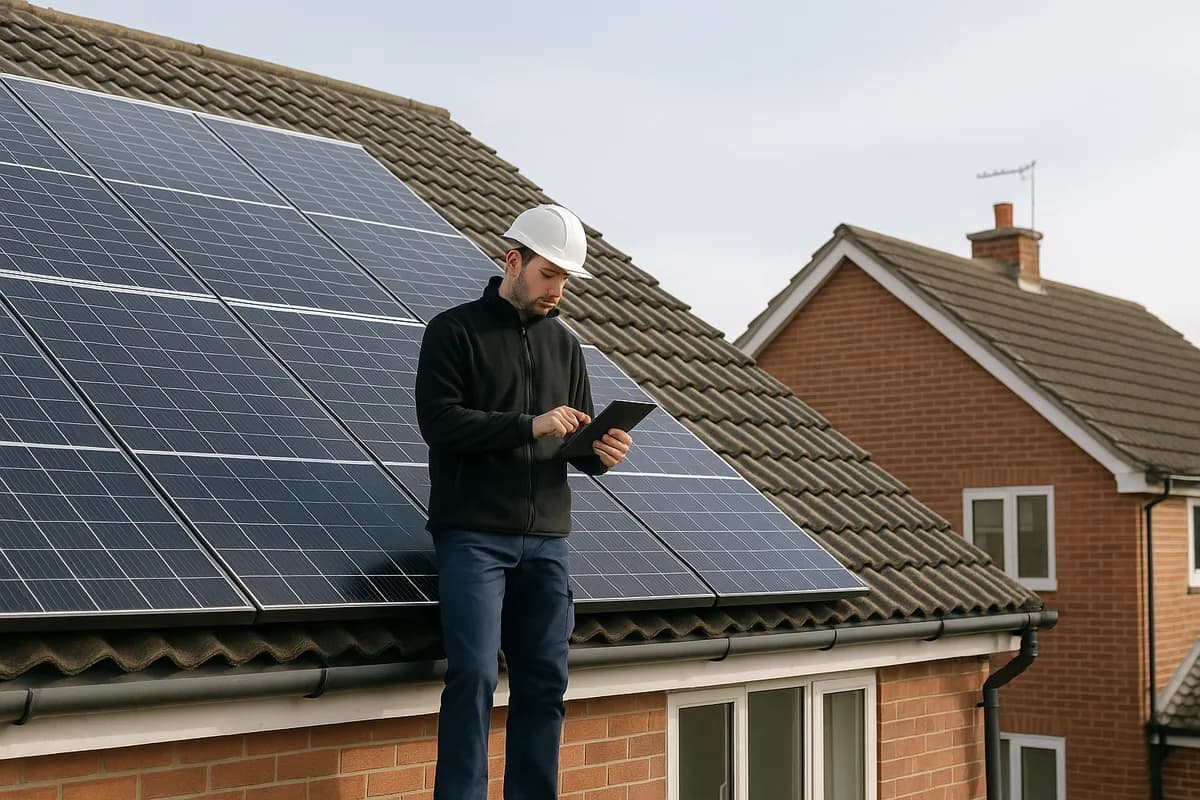
Faults, cleaning and bird proofing are all installer jobs. Get quotes from MCS-certified installers covering your area.
Get a Quote for This Work- Mechanical or electrical breakdown — inverter failure due to wear is a warranty claim, not insurance
- Gradual degradation — panels losing efficiency over time is normal and expected
- Poor installation — damage caused by substandard work is an installer warranty claim
- Bird and pest damage — some policies exclude pest damage; bird proofing prevents this
- Loss of generation income — if panels are damaged and you lose SEG income during repair, most policies do not cover lost earnings
- Cosmetic damage — surface scratches or discolouration that do not affect performance
Do Solar Panels Increase Insurance Premiums?
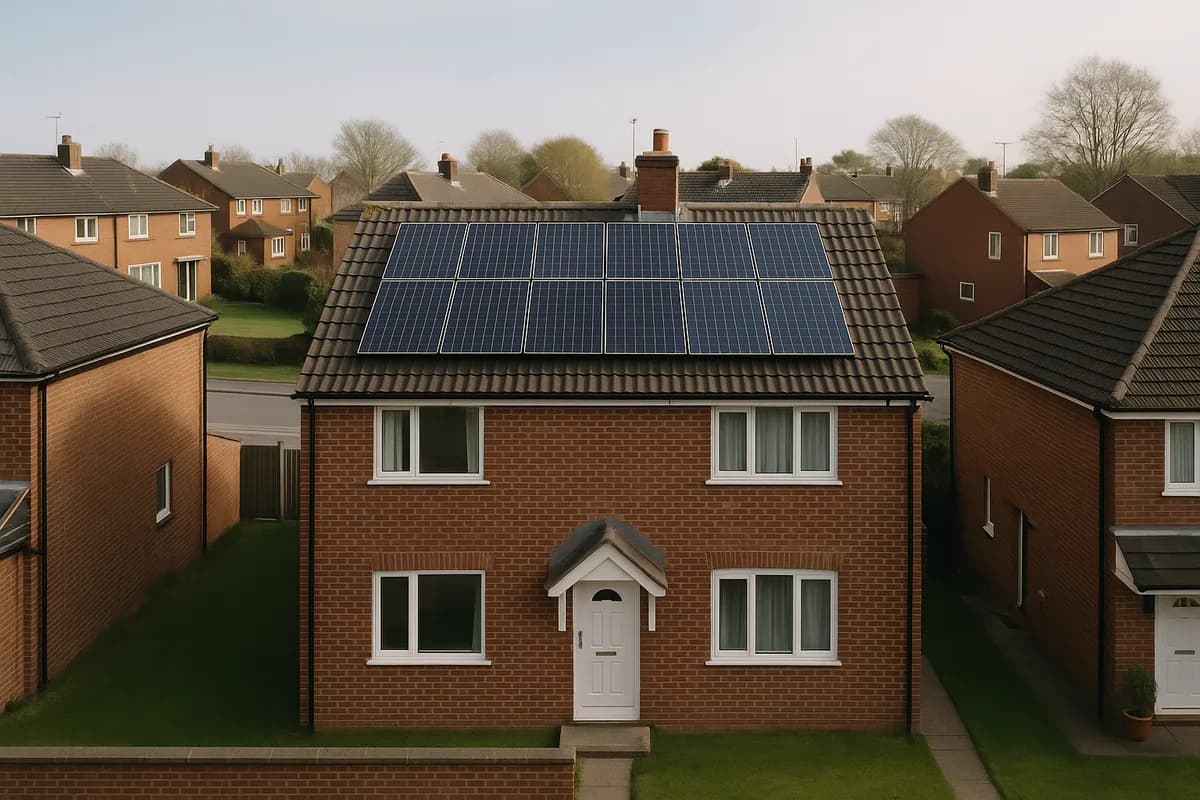
Most homeowners see no premium increase:
A survey of major UK insurers shows: - Aviva: No premium increase for owned solar panels - Direct Line: No standard increase; may adjust based on system value - Admiral: No increase in most cases - LV=: No standard increase - NFU Mutual: Covers solar as standard; no increase - Nationwide (building society): No increase for standard installations
Some insurers may increase premiums by £20–£50/year. This reflects the slightly higher rebuilding cost (your property is worth more with solar). The increase is modest and is far outweighed by solar savings.
If your insurer significantly increases your premium (£100+/year) or refuses to cover solar, shop around. Many specialist home insurers and comparison sites now treat solar as standard.
Source: Individual insurer policy terms; comparison site data.
Making a Solar Panel Insurance Claim
If your panels are damaged:
1. Document the damage — photos, dates, circumstances 2. Check if it is a warranty or insurance claim: - Manufacturing defect → panel manufacturer warranty (free) - Installation fault → installer workmanship warranty (free) - Storm / fire / theft → buildings insurance claim (excess applies) 3. Contact your insurer — provide photos, MCS certificate, and system details 4. Get repair quotes — your insurer may require 2–3 quotes from MCS-certified installers 5. Excess applies — standard buildings insurance excess (typically £250–£500)
Typical claim values: - Single panel replacement: £200–£500 - Inverter replacement (if storm/fire damaged): £800–£1,500 - Full system reinstallation: £5,000–£10,000 - Roof repair from panel mounting damage: £300–£1,000
Source: Typical insurer claims handling process.
Frequently Asked Questions
Related guides
You might also like
Need someone to look at your system?
Faults, cleaning and bird proofing are all installer jobs. Get quotes from MCS-certified installers covering your area.
Get a Quote for This WorkFree, no obligation.