Solar Panels & Smart Meters: Do You Need One?
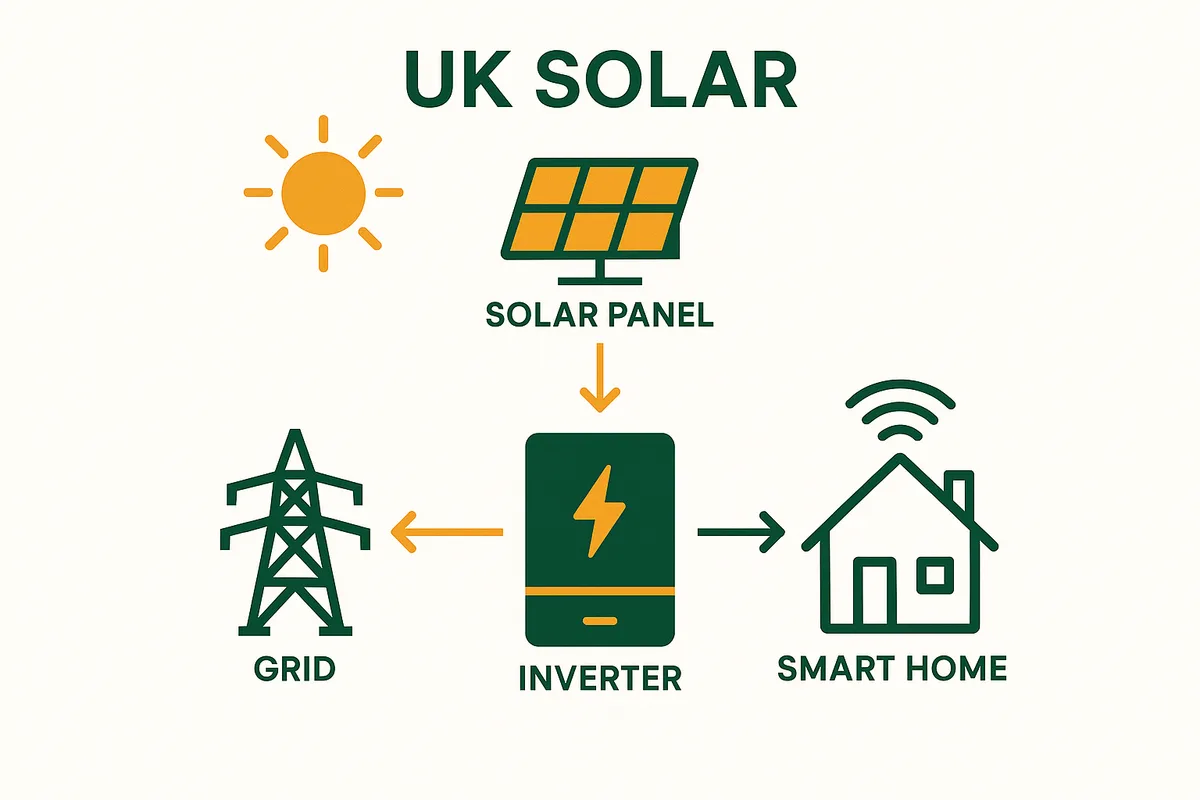
Ready to see what solar could save you?
Get free, no-obligation quotes from MCS-certified installers in your area.
Get Free QuotesFree, no obligation. Takes 2 minutes.
Do I need a smart meter for solar panels?
Yes, you need a smart meter to receive Smart Export Guarantee (SEG) payments for surplus solar electricity. Without one, you generate solar and save on bills, but cannot earn export income. Smart meters are free from your energy supplier. If you do not have one, request installation before or shortly after your solar panels go live.
Why You Need a Smart Meter for Solar
The Smart Export Guarantee requires half-hourly export data — only a smart meter can provide this. Here is what happens:
With a smart meter: - Your meter records electricity you import (buy) AND electricity you export (sell) - Your SEG supplier uses export data to calculate your payments - You can see real-time generation and consumption data - You qualify for time-of-use tariffs (Octopus Go, Flux) that maximise value
Without a smart meter: - You still generate solar electricity and save on bills - BUT you cannot receive SEG payments (losing £80–£300/year) - BUT you cannot access time-of-use tariffs - BUT your supplier cannot see how much you export
The SEG income alone (£80–£300/year) makes getting a smart meter essential for solar owners.
Source: Ofgem SEG requirements; Smart Metering Implementation Programme.
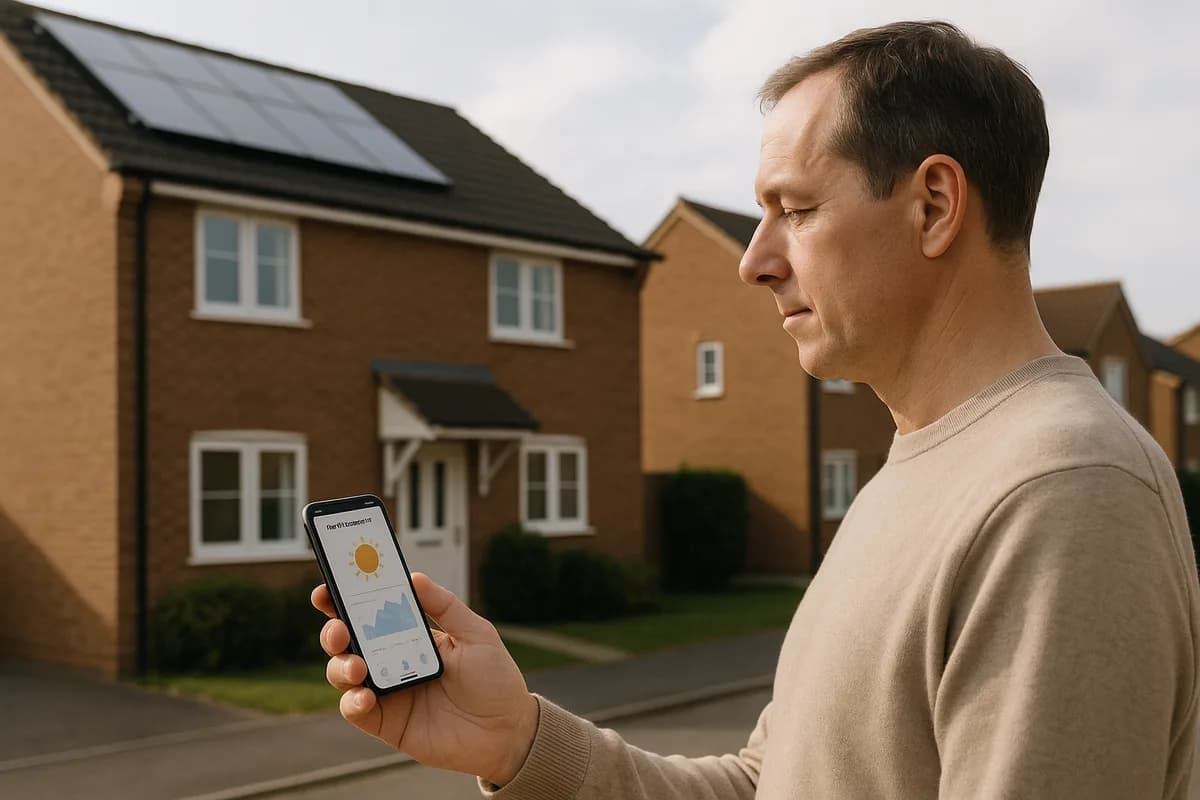
How Smart Meters Work With Solar
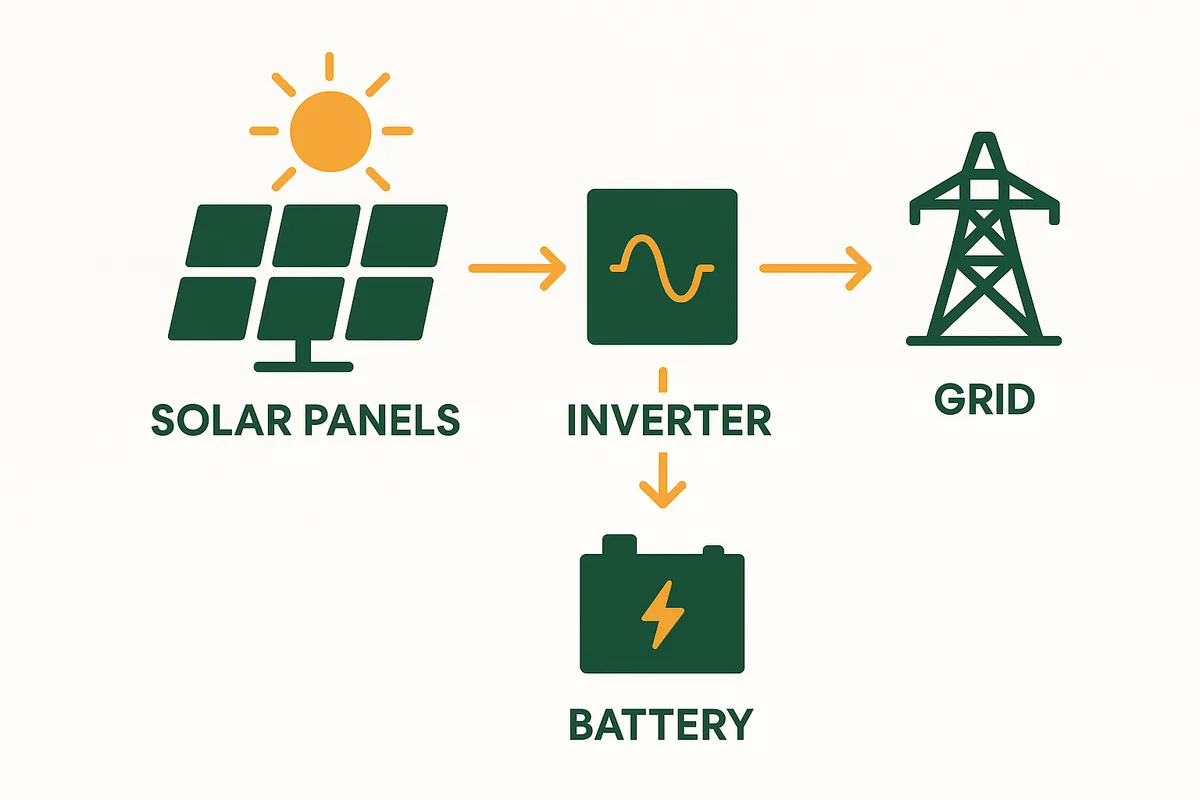
A smart meter replaces your old electricity meter and measures two things:
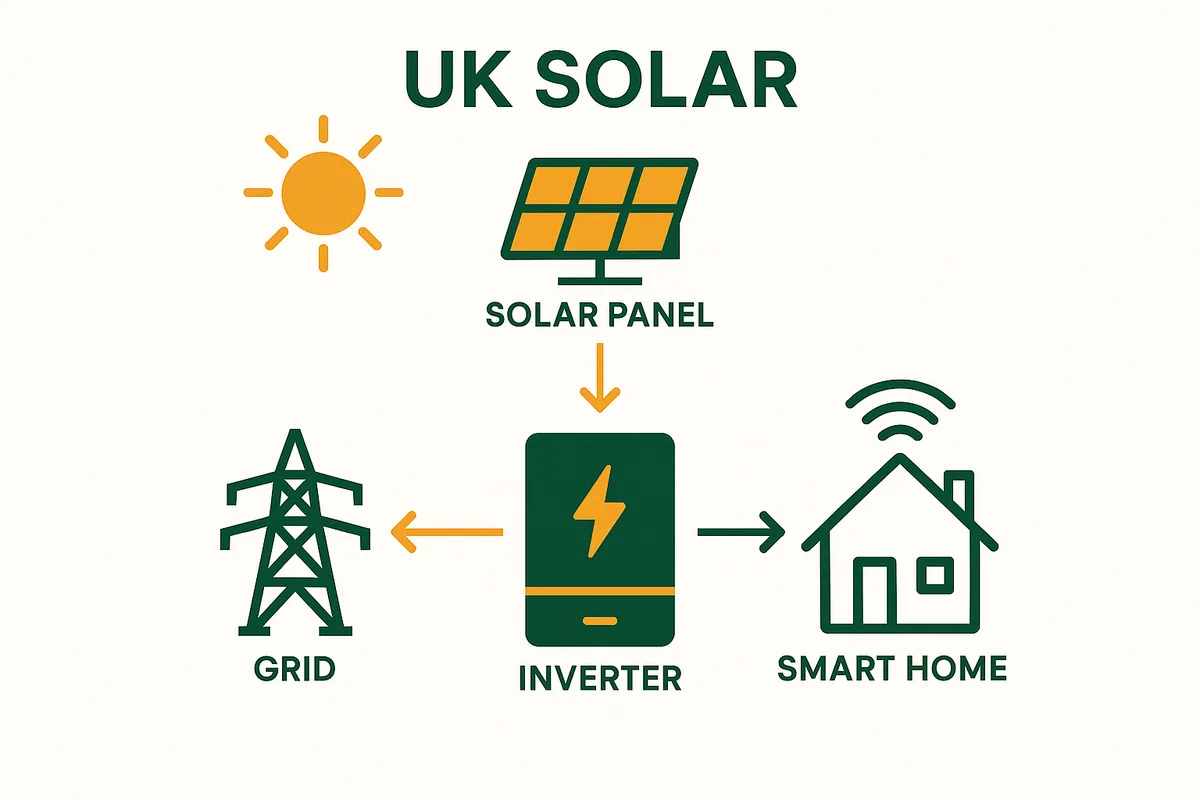
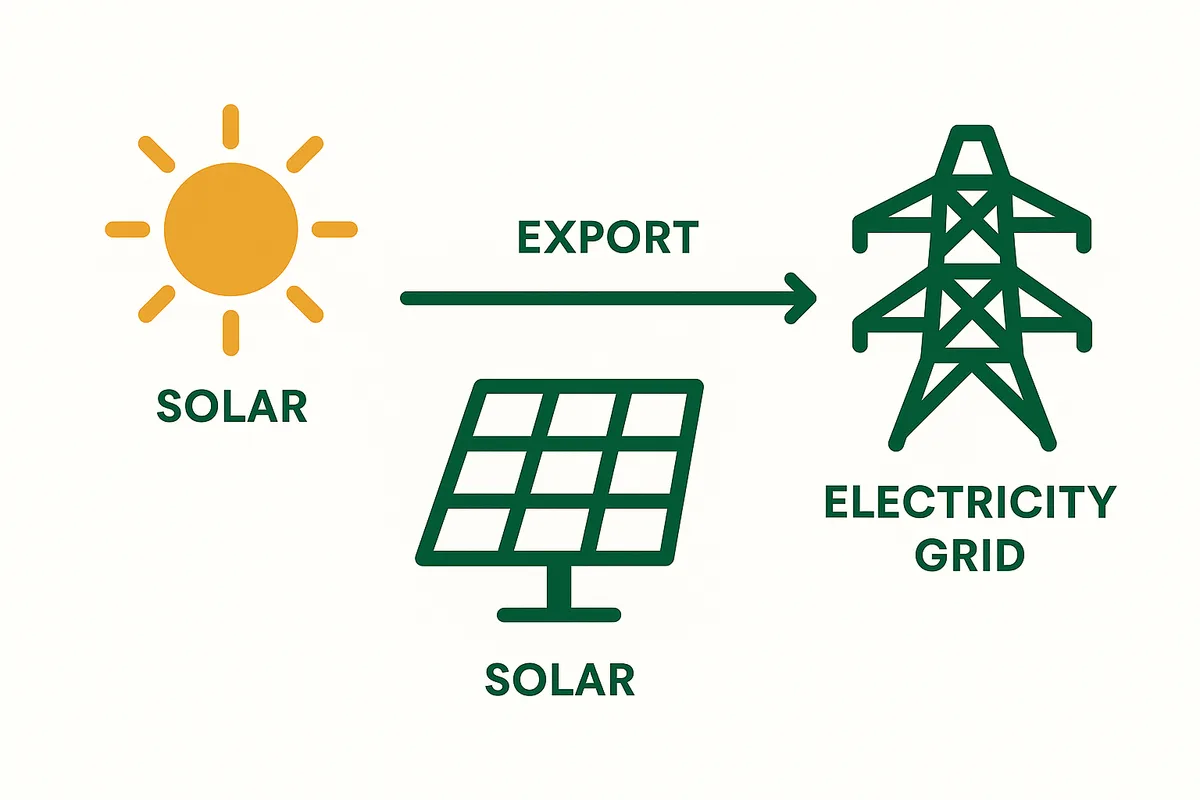
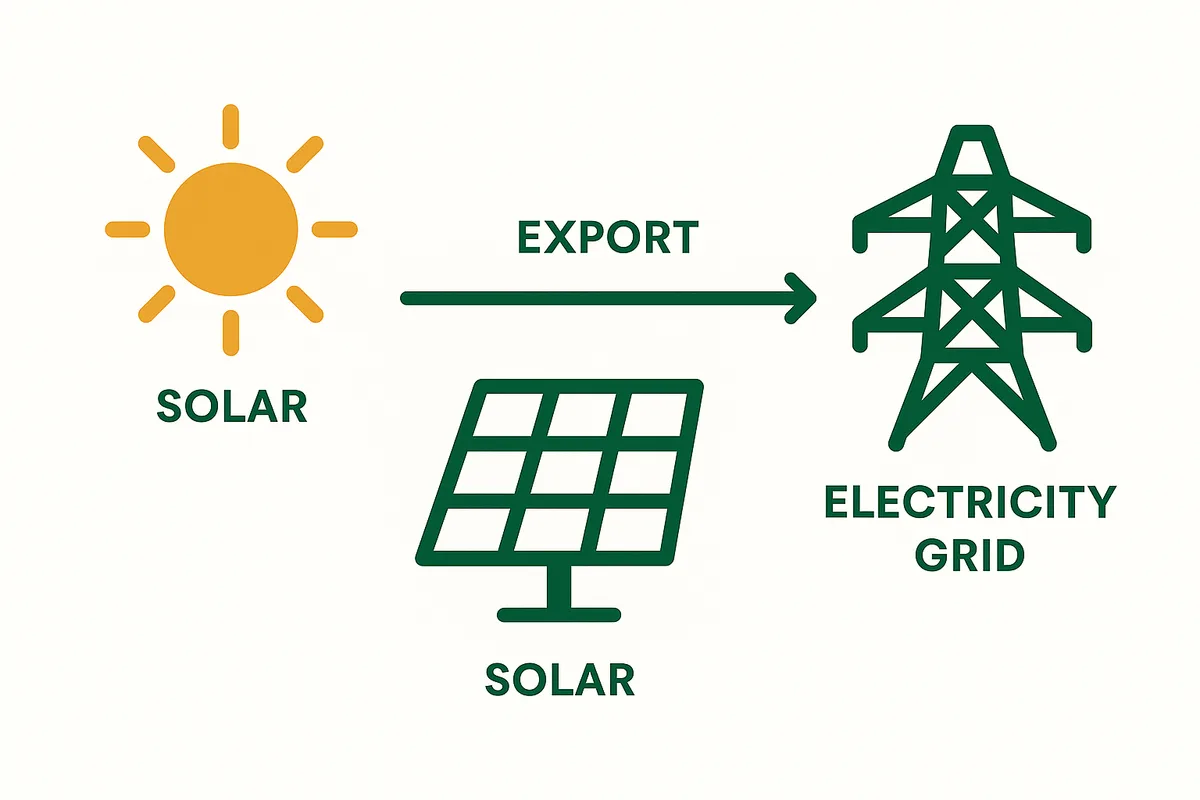
1. Import register: Electricity flowing FROM the grid TO your home (you pay for this) 2. Export register: Electricity flowing FROM your home TO the grid (you are paid for this)
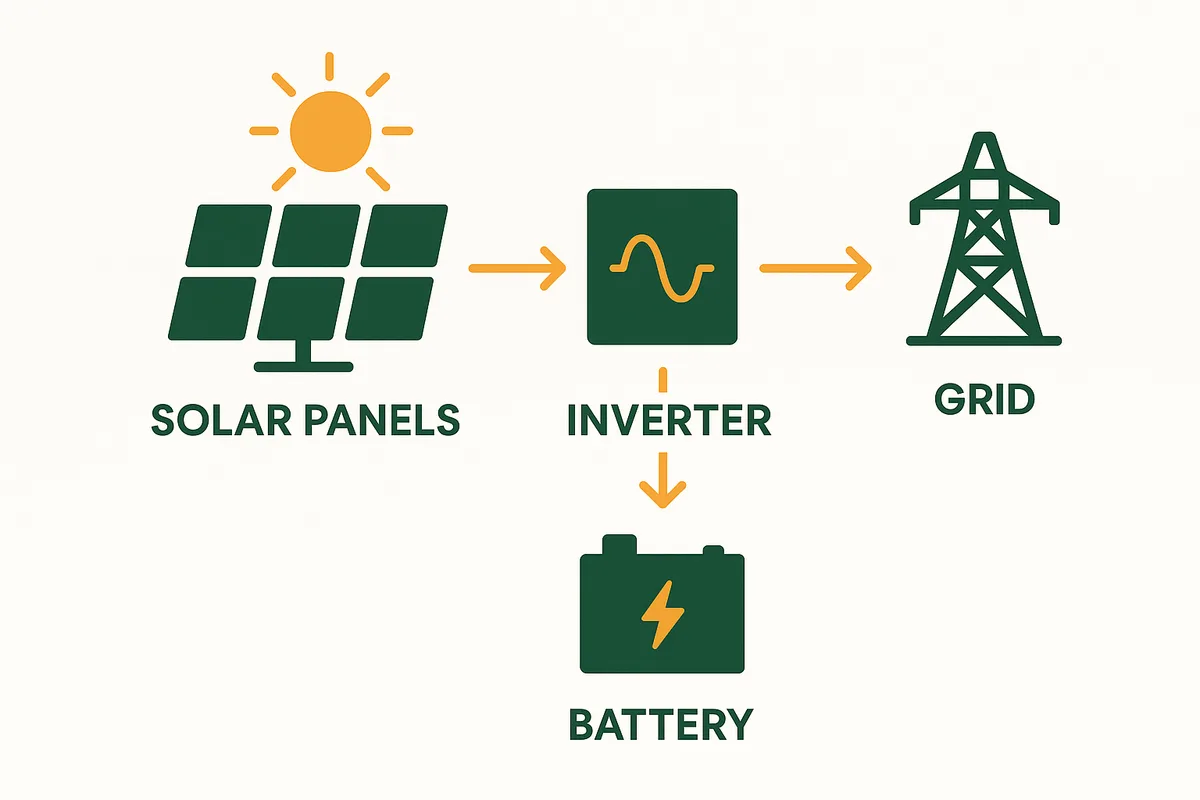
During a sunny day: - Solar panels generate electricity - Your home uses what it needs (import register stays low or at zero) - Surplus flows to the grid (export register increases)
In the evening: - Solar panels stop generating - Your home draws from the grid (import register increases) - Export register stays at zero
The meter sends half-hourly readings to your energy supplier automatically. Your SEG supplier uses the export readings to calculate your payment.
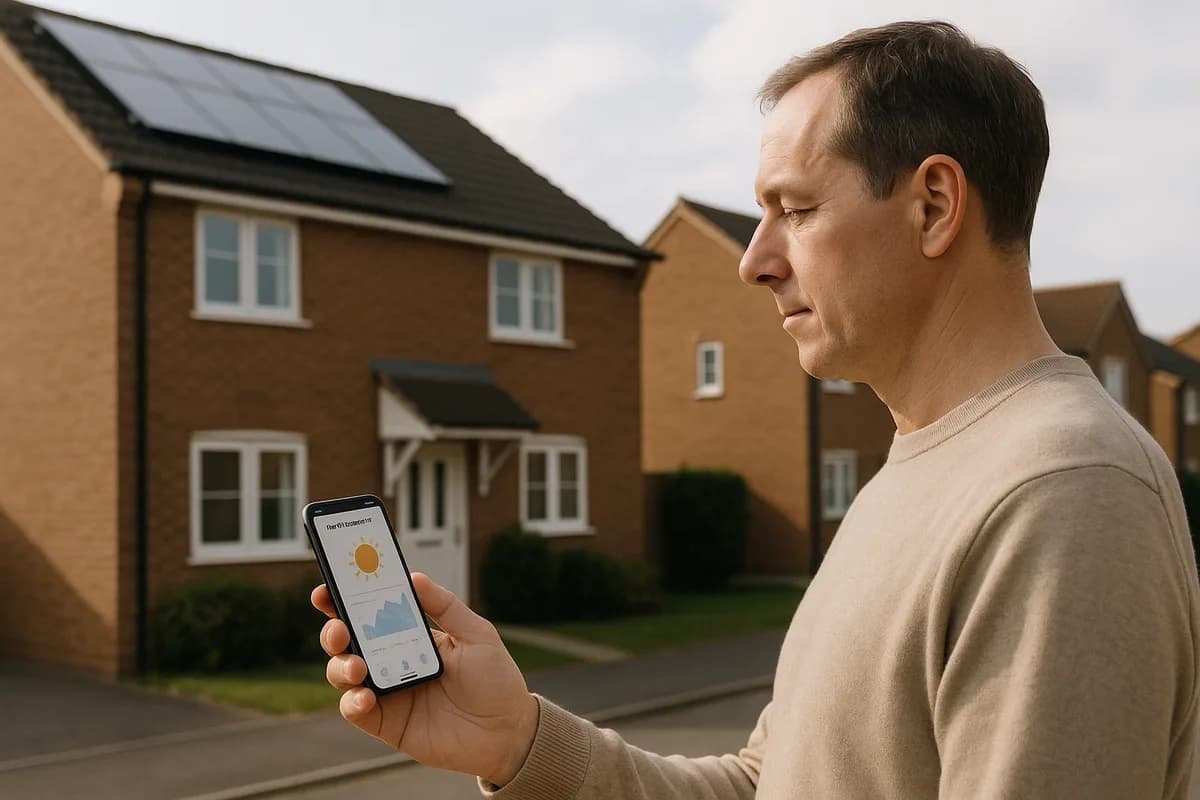
Your in-home display (IHD) shows real-time import/export and daily/weekly/monthly totals. This helps you see exactly when you are using solar vs grid electricity.
Source: BEIS smart meter programme; Ofgem.
Ready to see what solar could save you?
Get free, no-obligation quotes from MCS-certified installers in your area.
Get Free QuotesHow to Get a Smart Meter
- Contact your energy supplier — all major UK suppliers offer free smart meter installations
- Request a second-generation (SMETS2) meter — these work across all suppliers if you switch. Avoid first-gen SMETS1 meters if possible.
- Book an installation slot — typically a 1-hour appointment at your home
- The engineer replaces your old meter and connects the in-home display
- If you already have solar, tell the engineer — they need to configure the meter for export as well as import
- Typical wait time: 2–6 weeks from request to installation
- Cost: FREE — energy suppliers are required by law to offer smart meters at no charge
Smart Meter + Solar: Common Issues
Export readings not showing: Some smart meters need to be configured to record export as well as import. If your export register shows zero despite solar generation, contact your energy supplier and ask them to enable the export register remotely.
IHD showing high consumption despite solar: The in-home display sometimes shows gross consumption (total electricity used by the house) rather than net import (electricity bought from the grid). This can make it look like solar is not working. Check your monitoring app for the accurate picture.
Smart meter goes 'dumb' after switching supplier: SMETS1 meters sometimes lose smart functionality when you switch energy supplier. If this happens, your new supplier should be able to reconnect it remotely, or schedule a SMETS2 upgrade.
No signal in your area: Smart meters communicate via the mobile network (or a dedicated smart metering network). In some rural areas, signal can be weak. If the meter cannot communicate, it works like a standard meter but does not send automatic readings. Your supplier may offer a different communication method.
Source: Ofgem; supplier installation guidance.
Smart Meters and Time-of-Use Tariffs
A smart meter unlocks time-of-use tariffs that can dramatically increase solar savings:
Octopus Go: 7.5p/kWh overnight (00:30–05:30). Charge a battery cheaply, use stored energy during the day alongside solar.
Octopus Flux: Higher export rates during 16:00–19:00 peak (15–24p/kWh). Export stored solar battery energy when it is worth most.
Octopus Agile: Half-hourly pricing that varies throughout the day. Advanced users can optimise import/export for maximum value.
These tariffs require a smart meter — they rely on half-hourly data to calculate your variable charges and credits.
Value of smart tariff optimisation: - Standard flat tariff savings: £580/year (4kW, no battery) - Octopus Flux with battery: £900–£1,100/year (same system) - Difference: £320–£520/year extra — just from the tariff
Source: Octopus Energy published tariff rates March 2026.
Frequently Asked Questions
Related guides
Related: Home Heating Systems
Solar panels are most powerful when combined with an efficient heating system. Heat pumps use solar-generated electricity to heat your home at 300-400% efficiency — making them the ideal partner for solar.
Heat pump installation typically takes 2-3 days and is best planned alongside solar.
From our sister site Home Heat Pump Guide
You might also like
Ready to see what solar could save you?
Get free, no-obligation quotes from MCS-certified installers in your area.
Get Free QuotesFree, no obligation. Takes 2 minutes.