Solar Panels for Camping UK: Best Options
Ready to see what solar could save you?
Get free, no-obligation quotes from MCS-certified installers in your area.
Get Free QuotesFree, no obligation. Takes 2 minutes.
What solar panel do I need for camping?
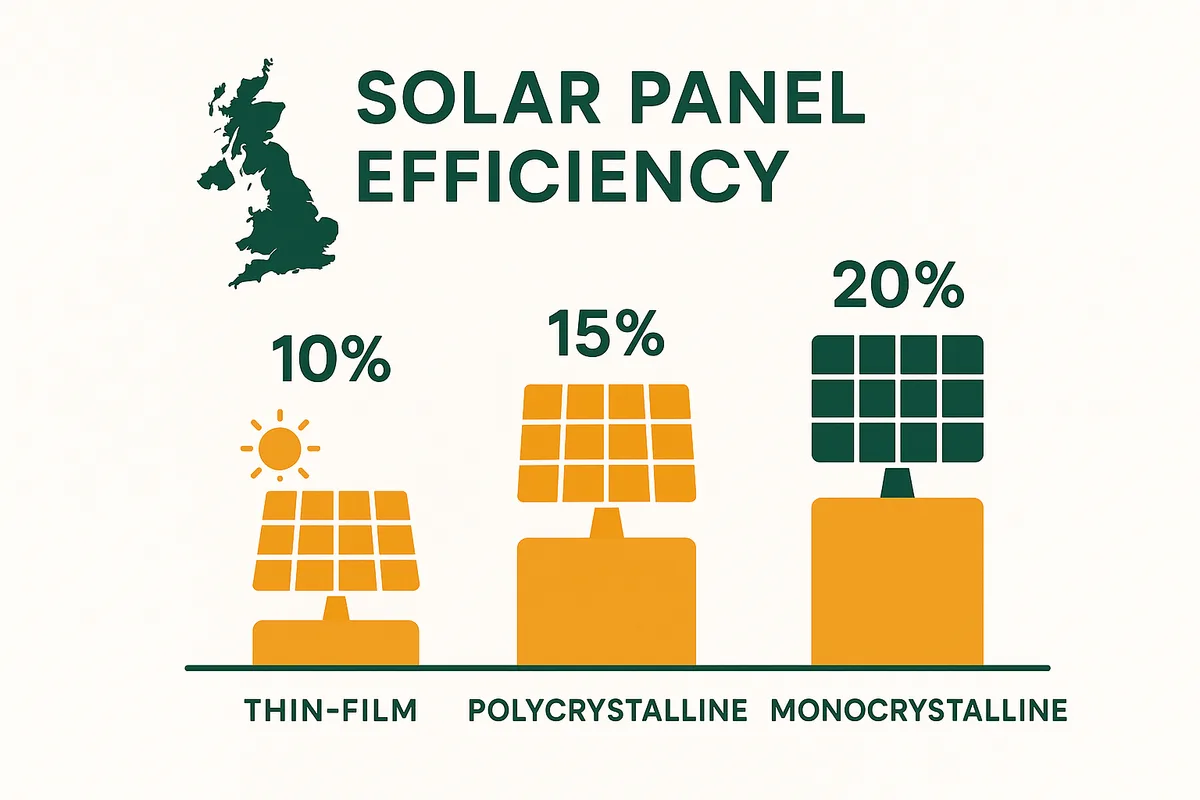
For UK camping, a 50–100W portable solar panel (£50–£200) paired with a portable power station (£150–£500) covers phone charging, LED lighting, and small devices. For more demanding use (cool box, laptop, drone), go for 100–200W (£150–£400). Folding panels are best for camping — they pack flat, set up in seconds, and weigh 3–8kg. UK summer provides 5–6 peak sun hours — enough for meaningful charging.
Camping Solar Panel Sizing Guide
What you want to power determines the panel size:
| Camping Style | Panel Size | Power Station | Cost (total) | Powers |
|---|---|---|---|---|
| Ultralight (phone only) | 20–30W | USB battery bank | £30–£80 | Phones, headtorch, GPS |
| Weekend camp | 50–100W | 300Wh station | £150–£350 | + LED lantern, tablet, speaker |
| Week-long camp | 100–200W | 500–1000Wh station | £300–£700 | + cool box, laptop, drone battery |
| Base camp / glamping | 200–400W | 1000–1500Wh station | £600–£1,200 | + small fridge, fan, multiple devices |
UK-specific note: Summer camping (May–September) provides 4–6 peak sun hours per day. A 100W panel generates 400–600Wh daily — enough for most weekend camping needs. Winter camping in the UK provides only 1–2 peak hours — size accordingly or bring a fully charged power station.
Source: Panel manufacturer data; UK solar irradiance.
Types of Camping Solar Panels
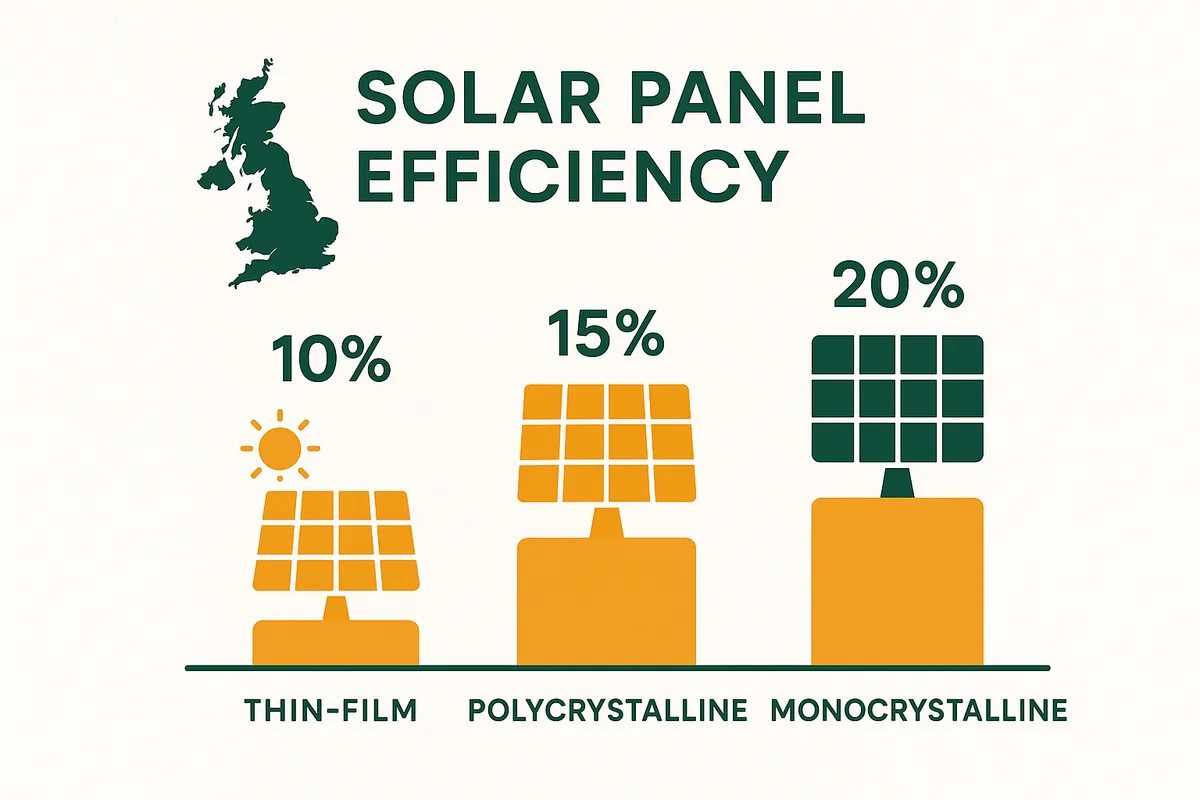
Folding panels (most popular for camping): - Fold in half or thirds for easy transport - Built-in kickstand for optimal angle - Weight: 3–8kg for 100–200W - Pack size: briefcase-sized when folded - Best for: car camping, festival camping, caravan use - Price: £80–£350
Rollable/flexible panels: - Roll up into a tube for compact storage - Very lightweight (1–3kg for 100W) - Can drape over tent, rucksack, or uneven surfaces - Less efficient than rigid folding panels - Best for: hiking, bikepacking, kayaking - Price: £100–£300
Rigid panels (with camping frame): - Standard rigid panel mounted on a portable frame - Heavier (8–15kg) but most efficient - Best for: semi-permanent base camps, allotment, garden - Price: £100–£250 (panel) + £30–£80 (frame)
USB solar chargers (pocket-sized): - 10–20W, direct USB output - Attach to backpack while hiking - Charge 1 phone per day in good conditions - Best for: day hikes, emergency backup - Price: £20–£60
Source: Product comparisons; camping equipment reviews.
Essential Companion: Portable Power Station
Ready to see what solar could save you?
Get free, no-obligation quotes from MCS-certified installers in your area.
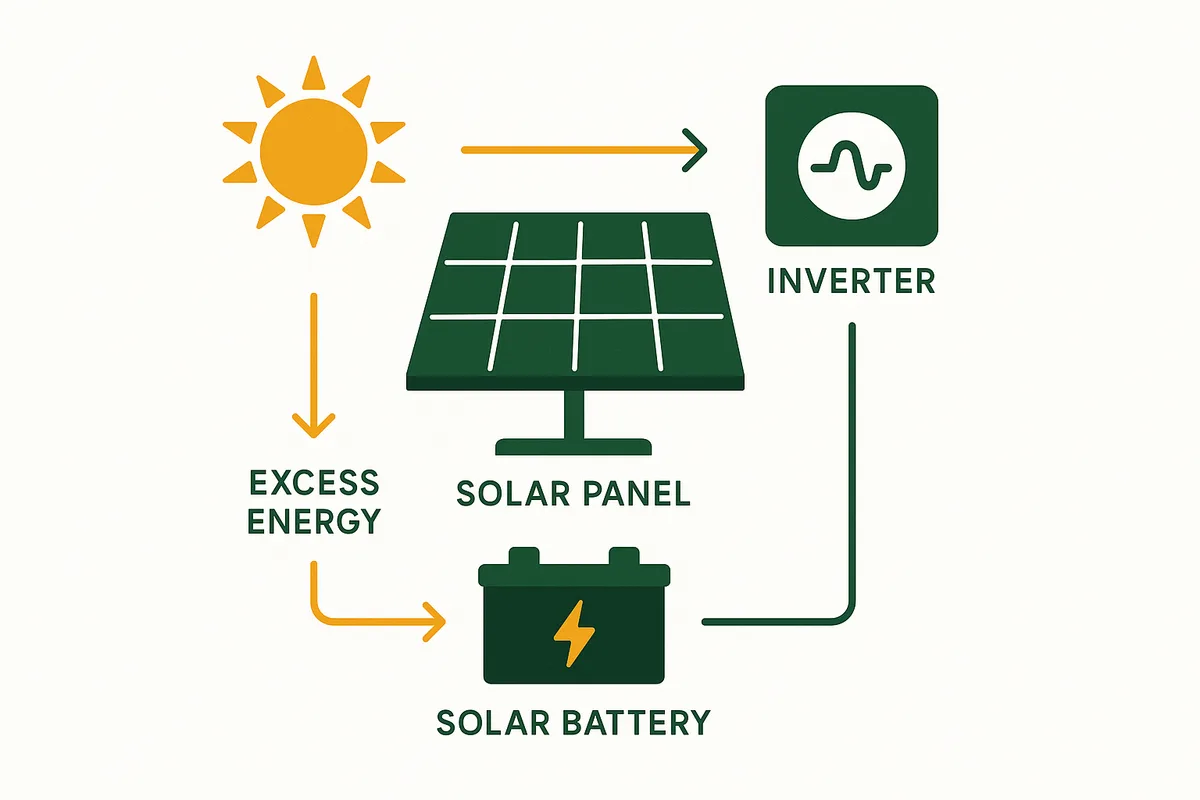
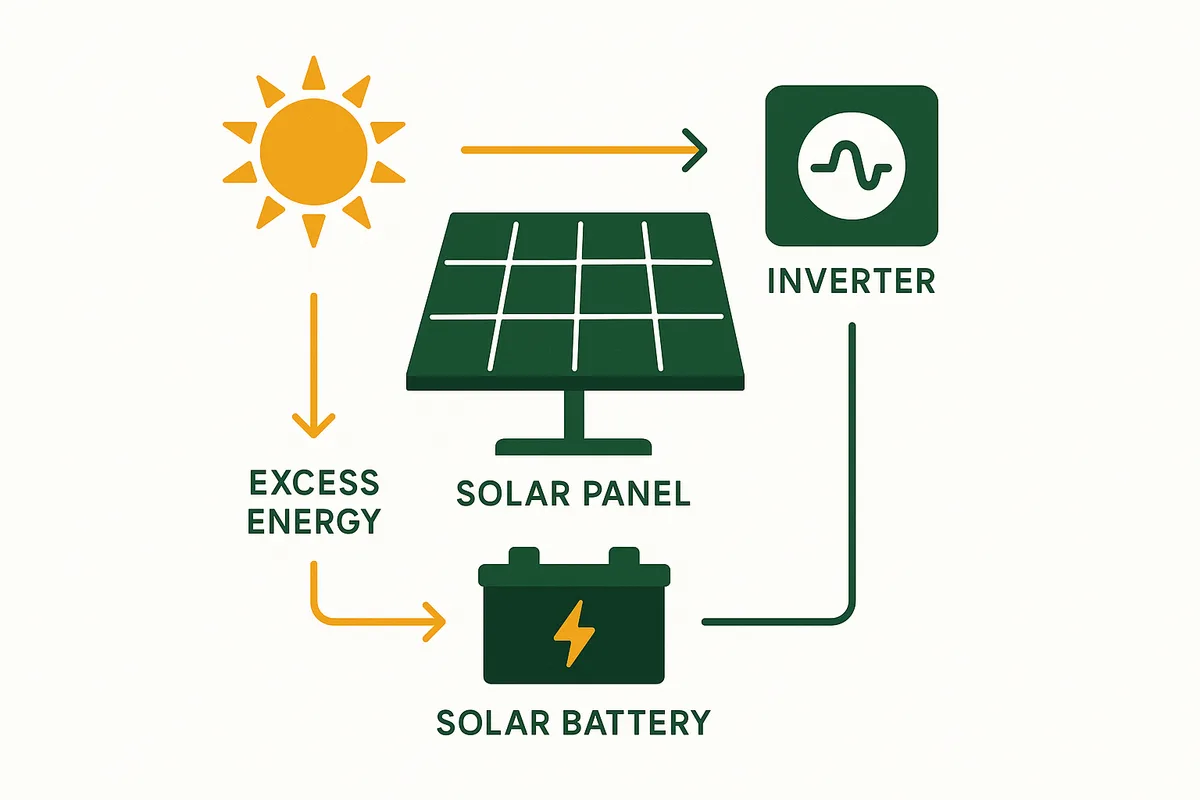
Get Free QuotesA solar panel alone produces DC electricity — you need something to store it and convert it for your devices:
Recommended power stations for camping:
Budget (£150–£250): - Capacity: 200–300Wh - Outputs: 2x USB, 1x AC outlet (200W) - Powers: phones, tablets, LED lights, small speaker - Recharges from 100W panel in: 3–4 hours
Mid-range (£300–£600): - Capacity: 500–700Wh - Outputs: 3x USB, 2x AC outlets (500W) - Powers: + laptop, drone battery, small cool box - Recharges from 200W panel in: 3–4 hours
Premium (£600–£1,200): - Capacity: 1000–1500Wh - Outputs: 4x USB, 3x AC outlets (1000W+) - Powers: + 12V fridge, fan, CPAP machine, hair dryer (briefly) - Recharges from 200W panel in: 5–8 hours
Top brands: EcoFlow, Jackery, Bluetti, Anker. All available in the UK with warranty support.
Source: Product specifications; user reviews.
Practical Camping Solar Tips
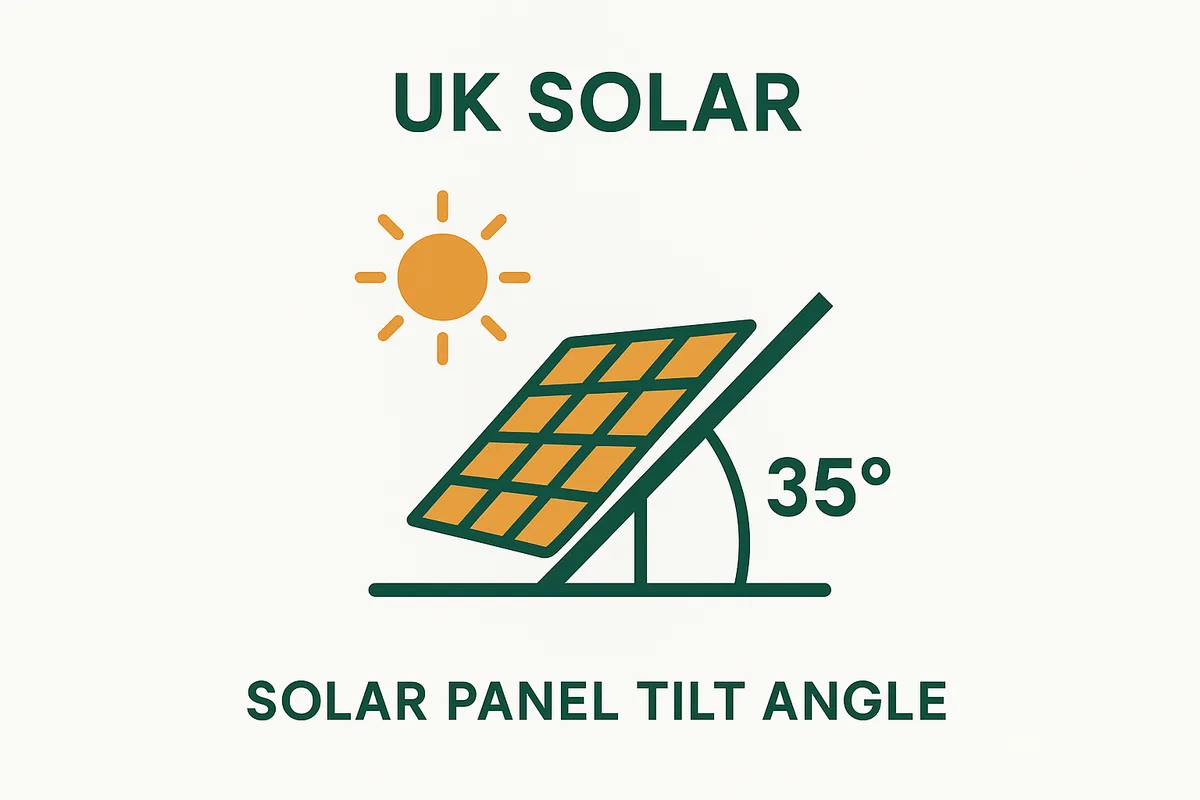
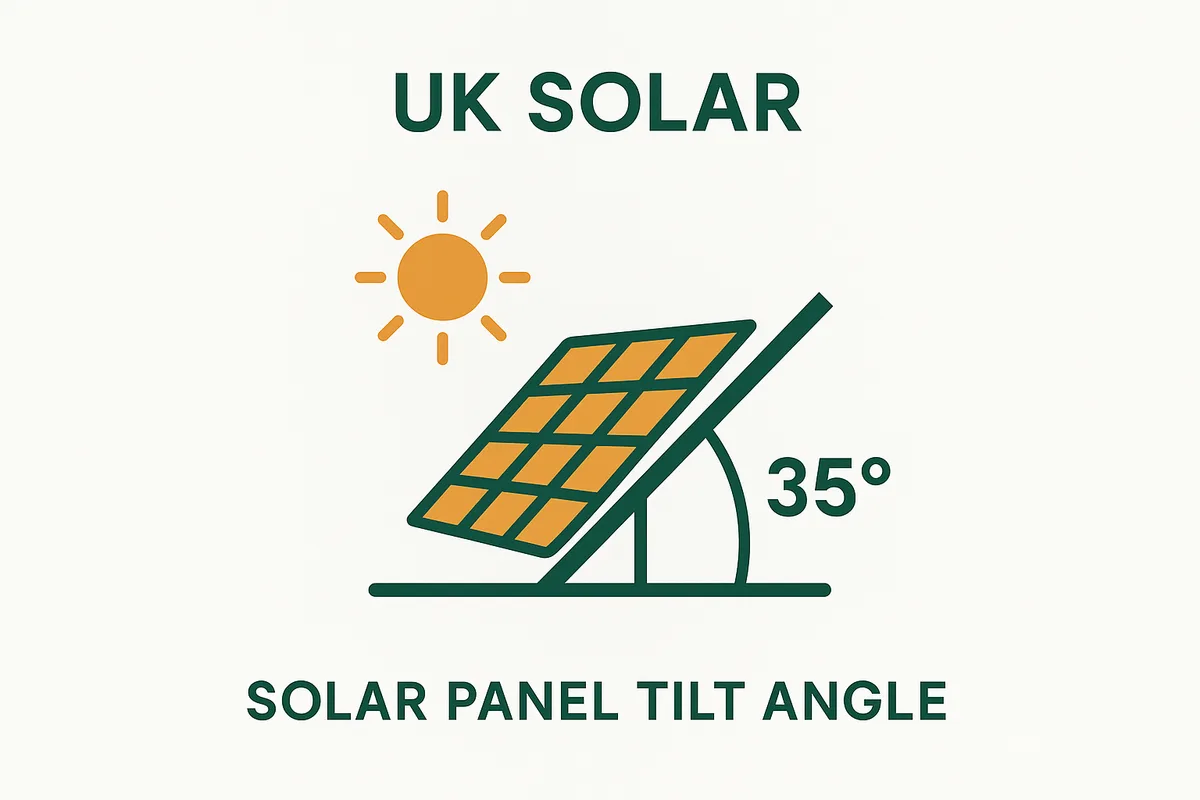
- Angle toward the sun — lay flat produces 10–15% less than angled at 30–40°. Use the built-in kickstand.
- Reposition every 2 hours — the sun moves across the sky. Point the panel toward it for maximum output.
- Avoid shade — even partial shade on one cell significantly reduces output. Move the panel as shadows shift.
- Start charging early — set up the panel as soon as the sun hits your campsite. Morning hours are valuable.
- Charge your power station first — then use the station to charge devices in the evening when the panel is packed away.
- Bring enough cable — 3–5m of extension cable lets you position the panel in sun while your tent stays in shade.
- Protect from rain — most camping panels are IP65 rated (splashproof) but should not be left in heavy rain. Bring a dry bag.
- Secure against wind — panels act as sails. Use the kickstand anchors or weigh down with rocks/pegs.
- Do not leave unattended at festivals — camping solar panels are easy to steal. Use a cable lock or bring them into the tent.
UK Camping Solar: Realistic Expectations
UK summer (June–August) — 100W panel: - Sunny day: 400–600Wh generated - Charges: 2 phones + 1 power station fully - Runs: LED lantern all evening + small speaker
UK spring/autumn — 100W panel: - Sunny day: 300–450Wh - Cloudy day: 100–200Wh - Charges: 1–2 phones + partial power station
UK winter — 100W panel: - Best case: 100–200Wh - Typical: 50–100Wh - Barely charges 1 phone per day
Bottom line: For UK summer camping, portable solar works brilliantly. For winter or extended off-grid, bring a fully charged power station and use solar as a supplement, not your sole power source.
Source: UK solar irradiance applied to portable panel efficiency.
Frequently Asked Questions
Related guides
You might also like
Ready to see what solar could save you?
Get free, no-obligation quotes from MCS-certified installers in your area.
Get Free QuotesFree, no obligation. Takes 2 minutes.