Solar Panels for Caravans: Guide
Ready to see what solar could save you?
Get free, no-obligation quotes from MCS-certified installers in your area.
Get Free QuotesFree, no obligation. Takes 2 minutes.
How much do caravan solar panels cost?
Caravan solar panels cost £150–£500 for a 100–300W system. A 200W panel with MPPT controller costs approximately £250–£400 and generates enough to run LED lights, charge devices, power a 12V fridge, and keep your leisure battery topped up during UK touring. Rigid monocrystalline panels are best for permanent roof mounting. Portable folding panels suit those who want flexibility. Installation is straightforward DIY — no electrician needed for 12V systems.
Caravan Solar Sizing Guide
Typical caravan daily electricity use:
| Equipment | Daily Consumption |
|---|---|
| LED interior lights (6 hours) | 30 Wh |
| 12V compressor fridge (24 hours) | 400–600 Wh |
| Phone/tablet charging (2 devices) | 30 Wh |
| Water pump (occasional) | 20 Wh |
| TV (3 hours via inverter) | 120 Wh |
| Laptop (2 hours) | 100 Wh |
| Total (no heating) | 700–900 Wh |
Recommended panel sizes:
| Usage Level | Panel Size | Cost | Daily Output (UK Summer) |
|---|---|---|---|
| Basic (lights + phones) | 100W | £100–£200 | 400–500 Wh |
| Standard (+ fridge) | 200W | £200–£350 | 800–1,000 Wh |
| Full (+ TV + laptop) | 300W | £300–£500 | 1,200–1,500 Wh |
For most UK touring caravans: 200W is the sweet spot.
Source: Caravan electrical consumption data; panel manufacturer specifications.
Mounting Options for Caravans
Rigid roof-mounted (most popular): - Bolted or adhesive-mounted to caravan roof - Permanent — always generating when parked - No setup/takedown required - Weight: 8–12kg per 200W panel - Slight reduction in headroom clearance (35mm panel depth) - Best for: regular tourers who want set-and-forget
Flexible panels: - Thin, lightweight panels that curve to match roof contour - Adhesive bonded directly to roof - Virtually no added height - Weight: 2–4kg per 200W panel - Shorter lifespan than rigid (5–10 years vs 15–20) - Best for: low-profile installation, lightweight caravans
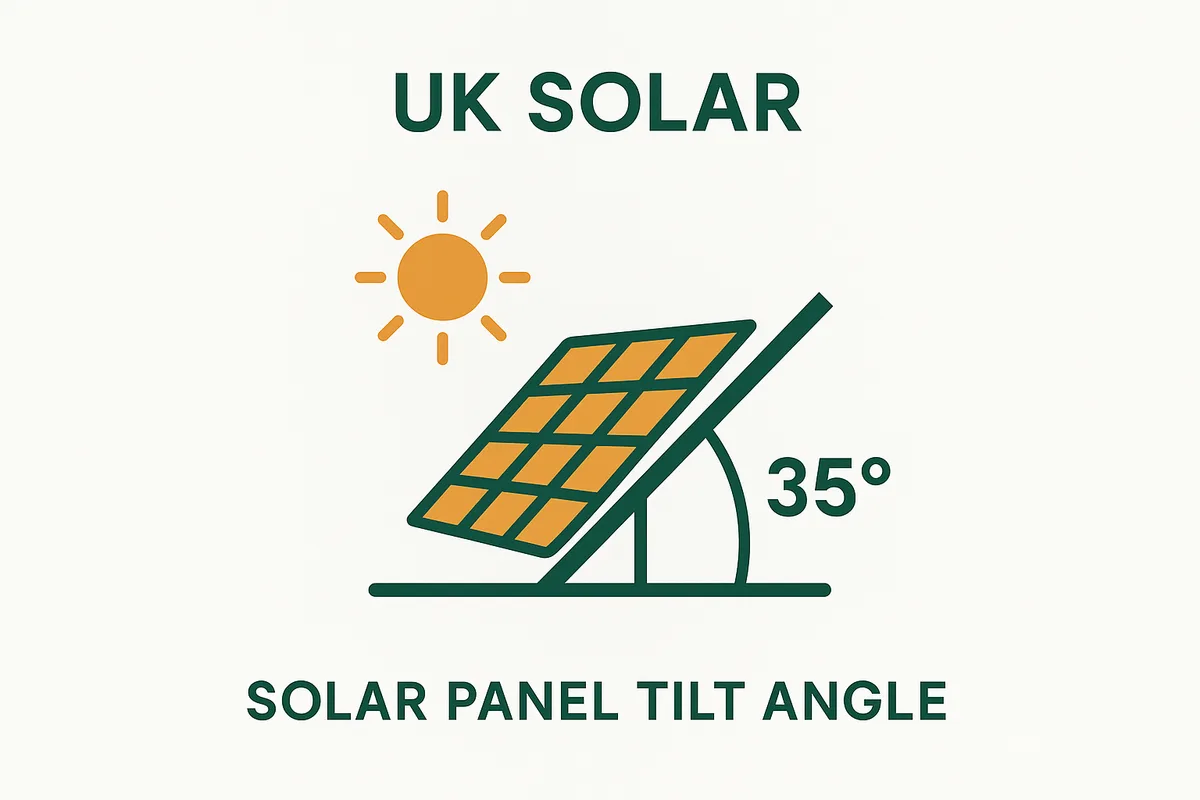
Portable/folding: - Set up on the ground when parked, store when travelling - No permanent modification to caravan - Can angle toward the sun for maximum output - Weight: 5–8kg per 200W (easy to carry) - Must be put away before driving - Best for: occasional use, hire caravans, maximum flexibility
Source: Caravan solar installation guides; product specifications.
Ready to see what solar could save you?
Get free, no-obligation quotes from MCS-certified installers in your area.
Get Free Quotes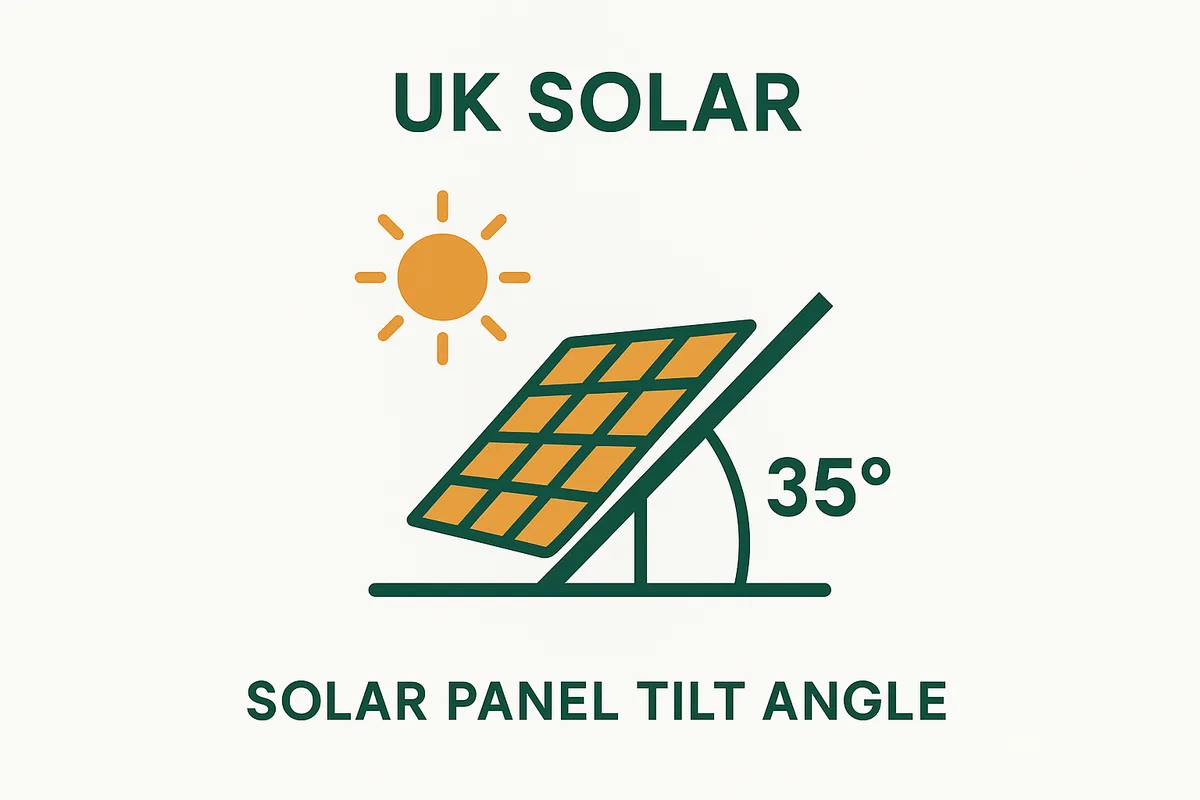
Essential Components
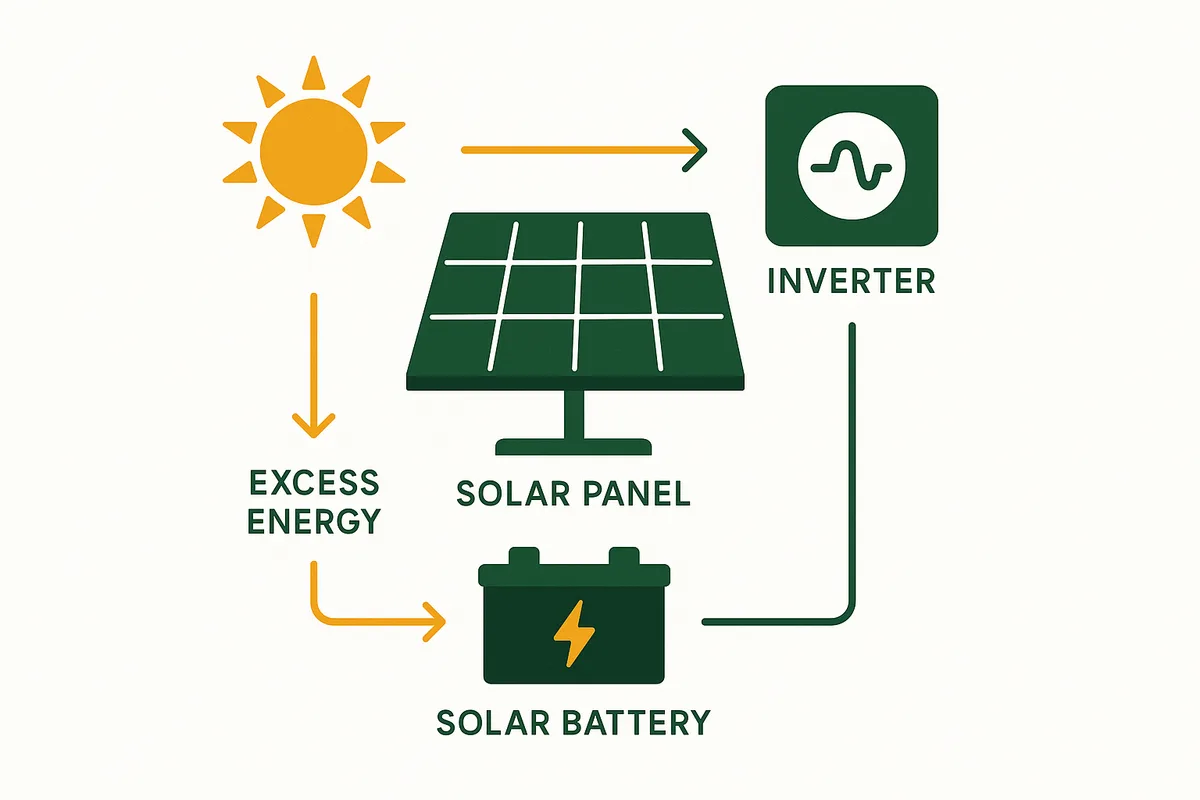
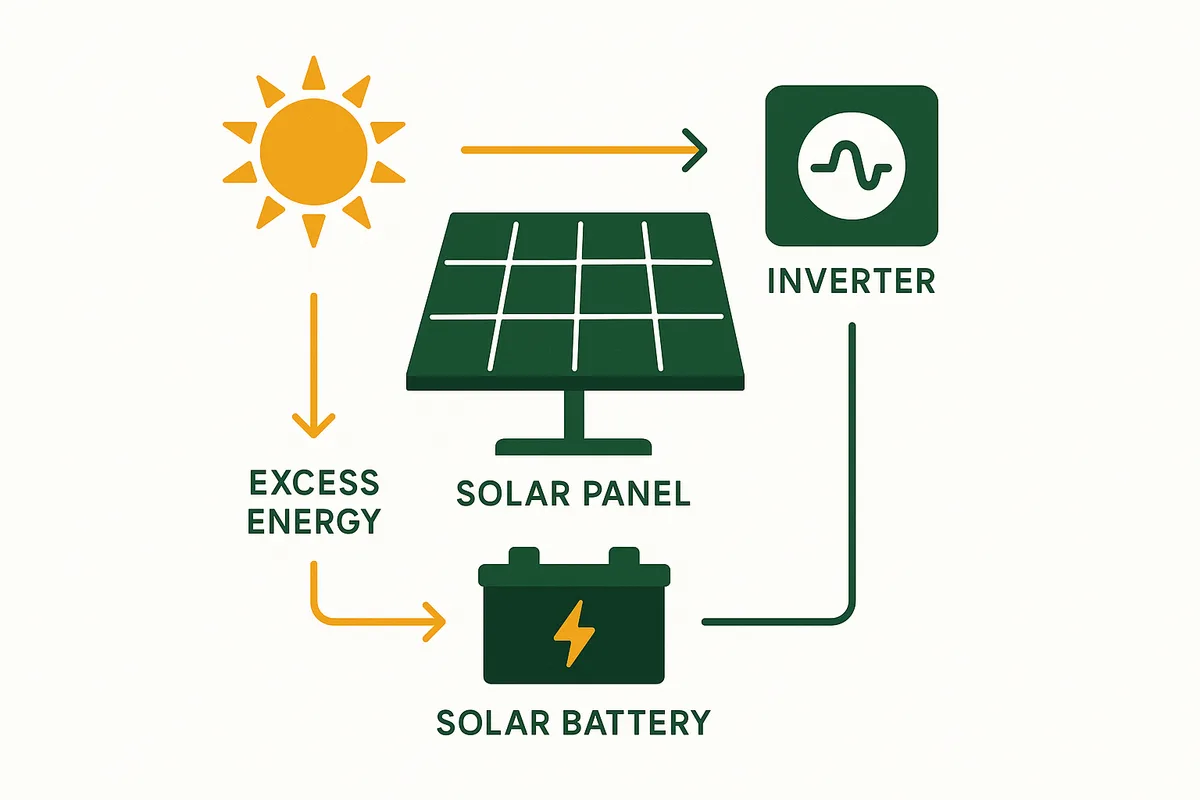
A complete caravan solar kit includes:
- Solar panel (100–300W) — rigid, flexible, or portable
- MPPT charge controller (£40–£120) — 15-20% more efficient than PWM; regulates charging to protect battery
- Cable gland (£10–£25) — waterproof entry for cables through roof (for roof-mounted only)
- Solar cable (4mm², £15–£30) — UV-resistant, connects panel to controller
- Fuses and fuse holders (£5–£15) — safety protection between components
- Leisure battery — if upgrading: lithium LFP (100Ah, £300–£800) or AGM (110Ah, £100–£250)
- Battery monitor (£30–£80, optional) — shows charge level, consumption, and solar input
- Inverter (£40–£200, optional) — converts 12V DC to 230V AC for mains devices
DIY Installation
Caravan solar is an excellent DIY project:
Time required: 3–6 hours for a first-time installer
Steps: 1. Plan panel position on roof (south-facing when parked, away from vents/aerials) 2. Mount panel using brackets or adhesive (4 corner brackets, drill or bond) 3. Install cable gland through roof (drill one hole, seal with gland + sealant) 4. Route cable inside caravan to charge controller location 5. Mount charge controller near leisure battery 6. Connect: panel → controller → battery (follow controller instructions) 7. Fuse all connections appropriately 8. Test in sunlight — controller should show charging
Safety notes: - All 12V DC — no dangerous mains voltage - Disconnect battery before wiring - Ensure correct polarity (+ to +, – to –) - Seal all roof penetrations thoroughly (silicone sealant) - If adding a 230V inverter: AC wiring should comply with BS 7671
Source: Caravan Club solar installation guide; NCC electrical standards.
Frequently Asked Questions
Related guides
Related: Home Heating Systems
Solar panels are most powerful when combined with an efficient heating system. Heat pumps use solar-generated electricity to heat your home at 300-400% efficiency — making them the ideal partner for solar.
Heat pump installation typically takes 2-3 days and is best planned alongside solar.
From our sister site Home Heat Pump Guide
You might also like
Ready to see what solar could save you?
Get free, no-obligation quotes from MCS-certified installers in your area.
Get Free QuotesFree, no obligation. Takes 2 minutes.