Solar Panels on a Garage Roof
Ready to see what solar could save you?
Get free, no-obligation quotes from MCS-certified installers in your area.
Get Free QuotesFree, no obligation. Takes 2 minutes.
Can I put solar panels on my garage?
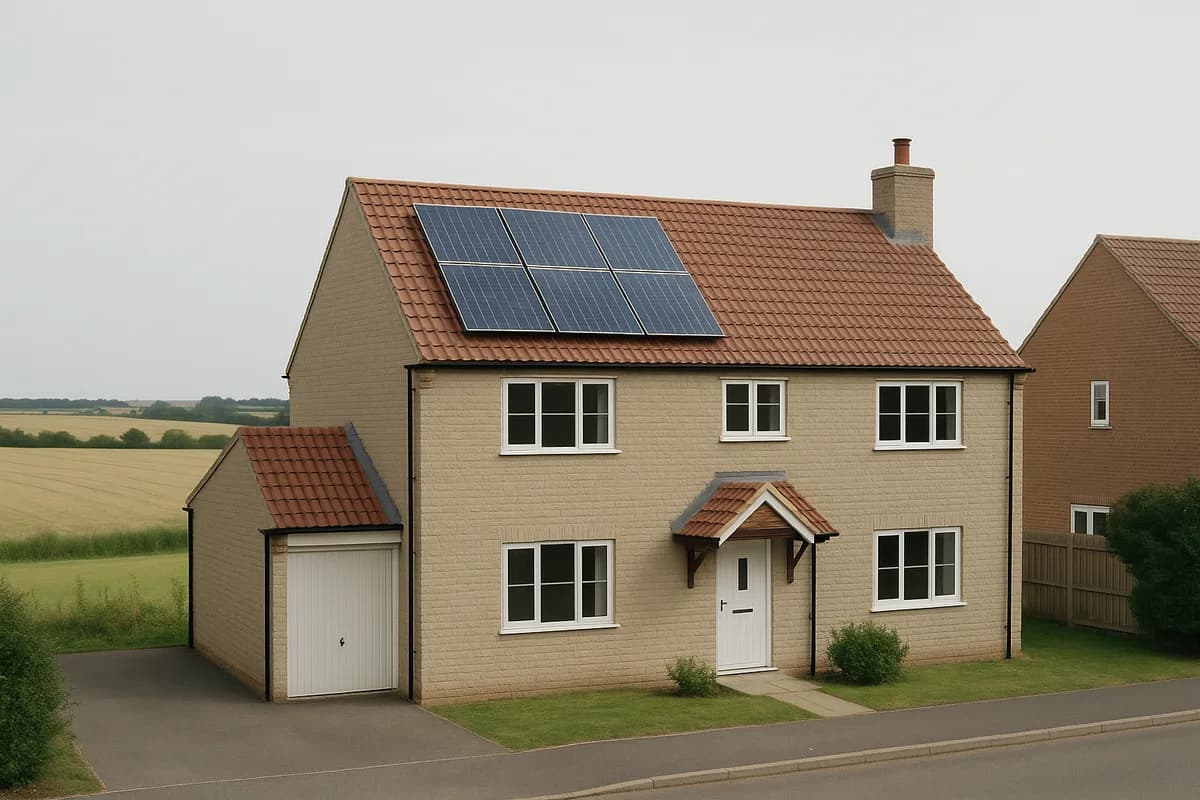
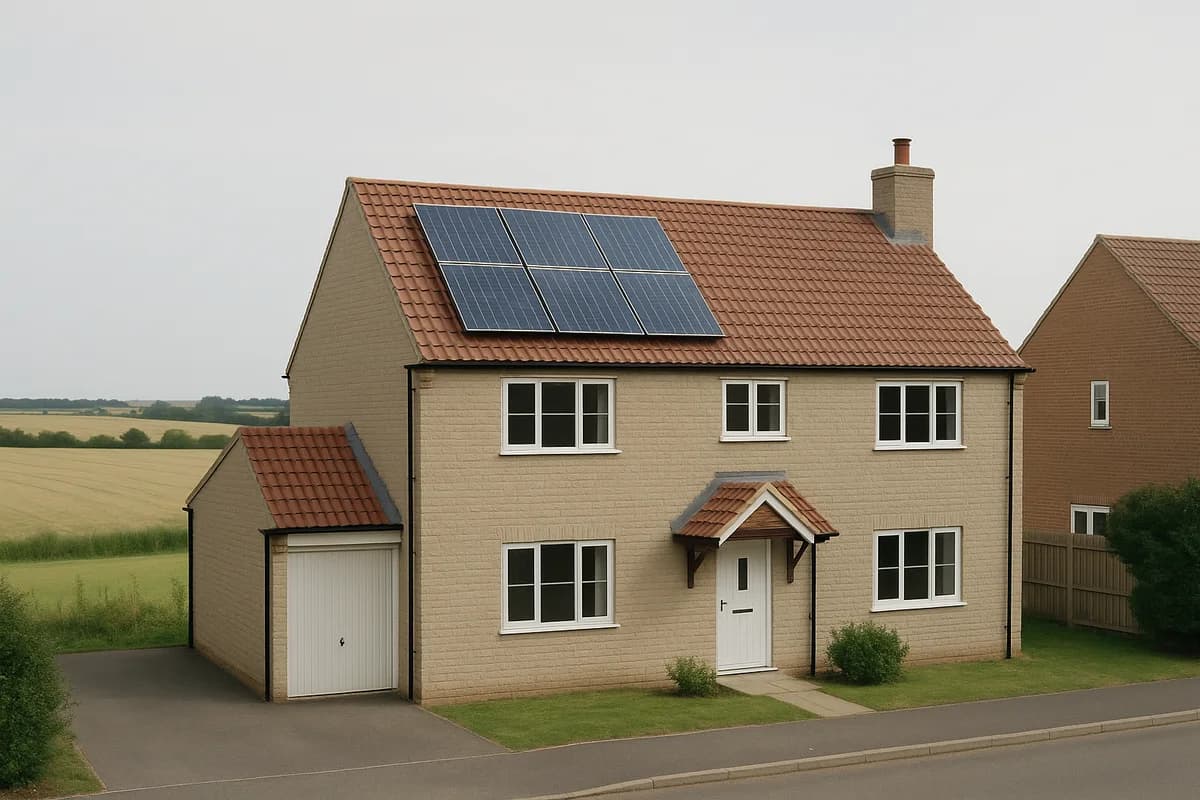
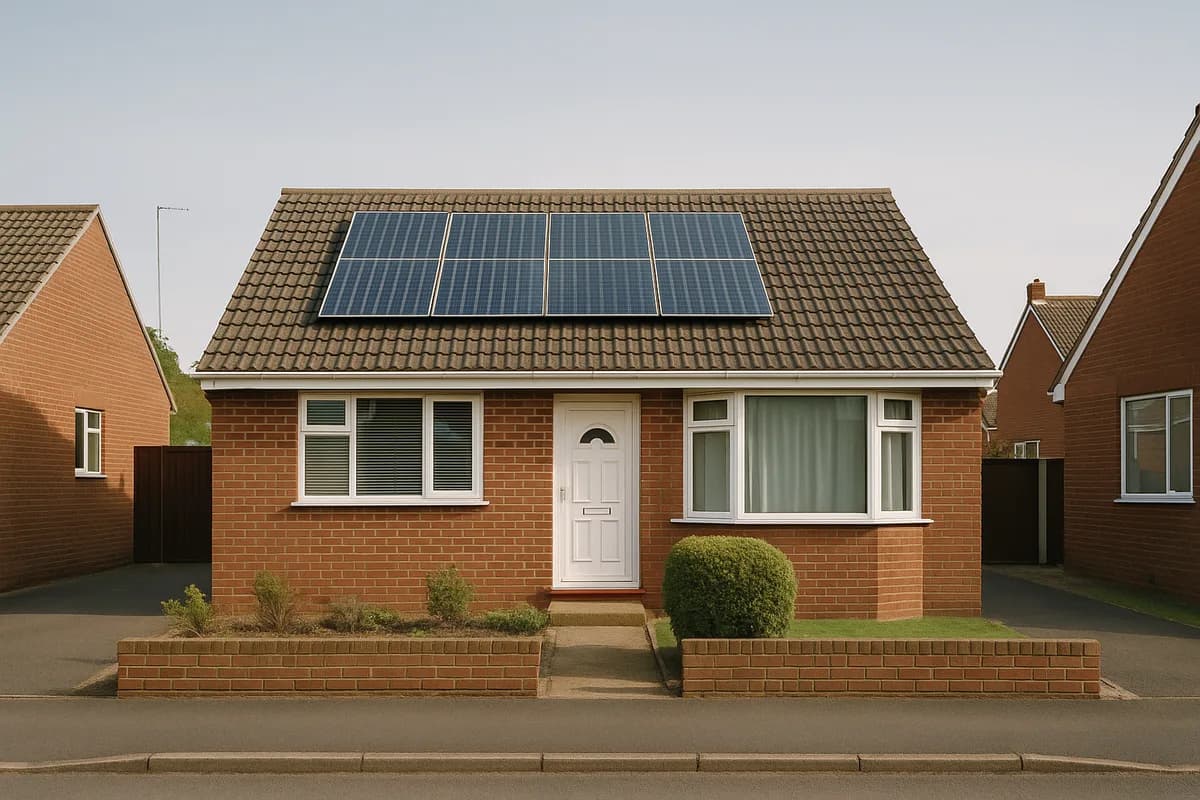
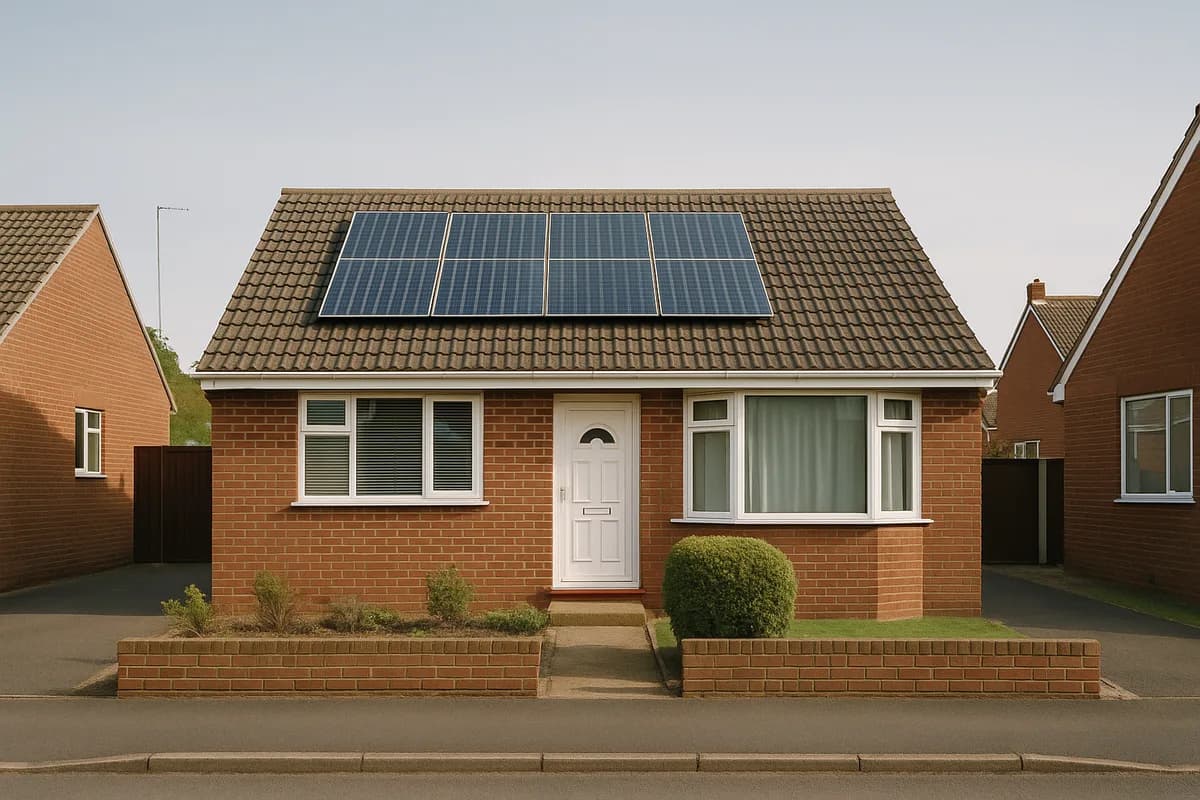
A detached garage roof can add 1.5–3kW of solar (4–8 panels) to your home system at a cost of £1,500–£4,000. The electricity feeds into your home's system via a buried cable. Garage solar makes sense when: your main roof is full, the garage faces a better direction (south), or you want to charge an EV in the garage. Planning permission is usually not needed. The panels connect to your existing inverter (if capacity allows) or a separate small inverter.
Garage Solar: When It Makes Sense
- Your main roof is full — you have already installed panels on the house and want more capacity
- The garage faces south — if your house faces east/west but the garage faces south, the garage is the better location
- You want to charge an EV — panels on the garage + a charger in the garage = short cable run and simple wiring
- Your house roof is unsuitable — north-facing, heavily shaded, or structural issues, but the garage is fine
- You want a ground-level alternative — garage panels are lower and easier to access for maintenance than house panels
- Your garage has a flat roof — flat garage roofs can have panels at any angle using tilted frames
Costs and Installation
Typical garage solar costs:
| Component | Cost |
|---|---|
| 4–8 panels (1.5–3kW) | £800–£2,500 |
| Mounting system | £200–£400 |
| Underground cable (house to garage) | £200–£600 |
| Connection to existing inverter | £200–£400 |
| OR separate micro-inverters | £400–£1,000 |
| Labour | £400–£800 |
| Total | £1,500–£4,000 |
Cable routing: DC or AC cable runs underground in armoured ducting from the garage to the house. Trench depth: 450–600mm. Typical distance: 5–15m. The cable connects to your existing inverter (if it has capacity) or to separate micro-inverters mounted on the garage.
Inverter options: - If your house inverter has spare capacity: connect garage panels as an additional string (cheapest) - If your house inverter is at capacity: install micro-inverters on the garage panels (each panel converts independently) - If the garage is standalone (off-grid workshop): install a small separate inverter + battery in the garage
Source: MCS installer pricing for garage extensions.
Ready to see what solar could save you?
Get free, no-obligation quotes from MCS-certified installers in your area.
Get Free Quotes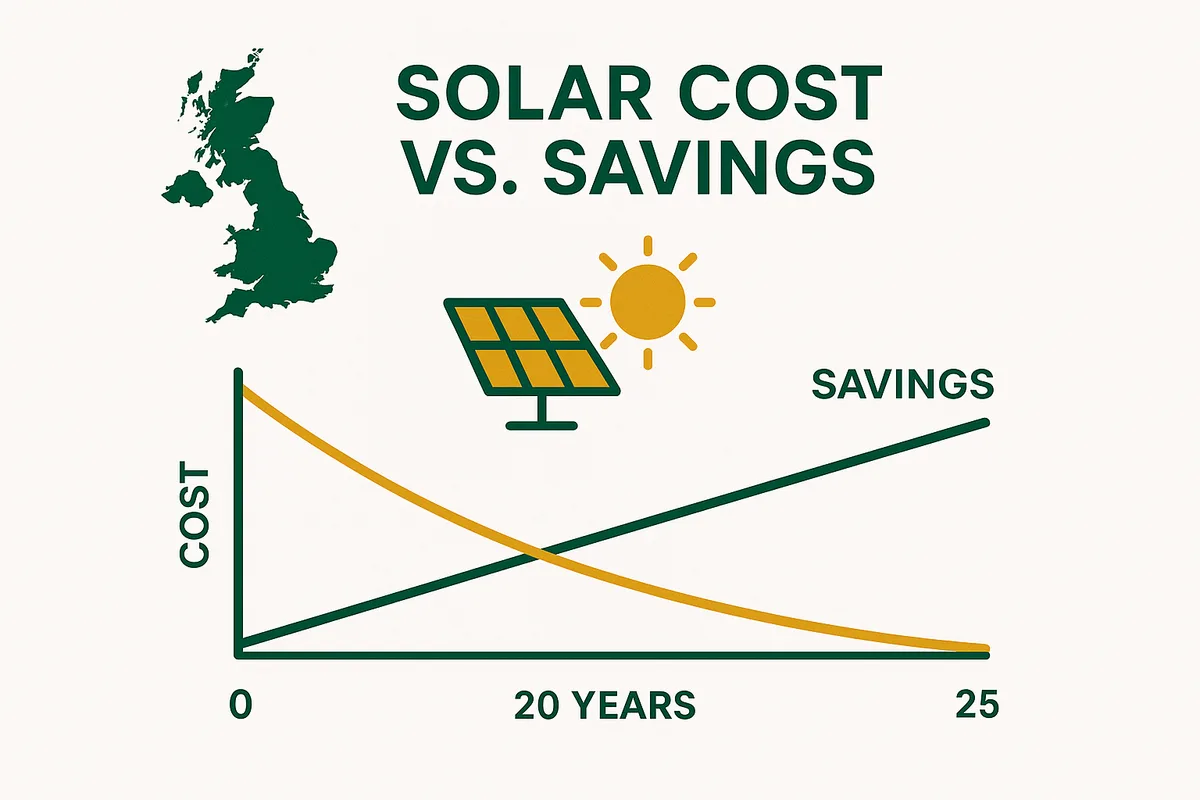
Planning Permission for Garage Solar
Detached garage in your garden: - Panels on the garage roof are usually permitted development (same rules as the main house) - Must not protrude more than 200mm from the roof surface - Must not extend above the highest part of the roof - No highway-facing restrictions apply to outbuildings in most cases
Garage in a conservation area: - Same conservation area rules apply as for the main house - Panels not visible from the highway are usually fine
Shared garage / garage block: - If the garage is part of a block with shared ownership, you need the freeholder's consent - If it is your freehold garage, standard permitted development applies
Source: Planning Portal outbuilding guidance.
Garage Solar + EV Charging
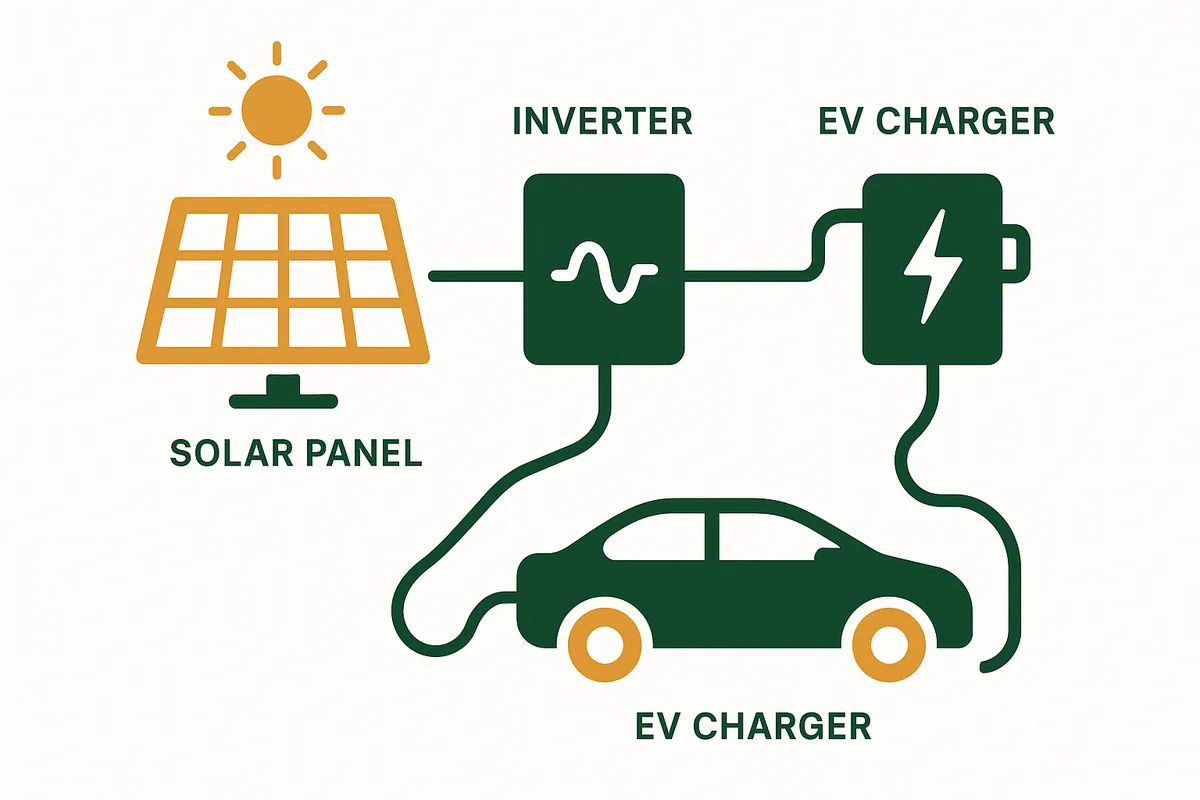
The ideal garage solar setup for EV owners:
1. Panels on garage roof (4–8 panels, 1.5–3kW) 2. Zappi or smart charger mounted in the garage 3. Direct connection — short cable run from panels to charger 4. Surplus solar → EV automatically during the day
Benefits: - Minimal cable routing (panels directly above charger) - EV charges from surplus solar while parked in garage - No need to run cables from house to garage for the charger - Garage inverter/charger can operate semi-independently from house system
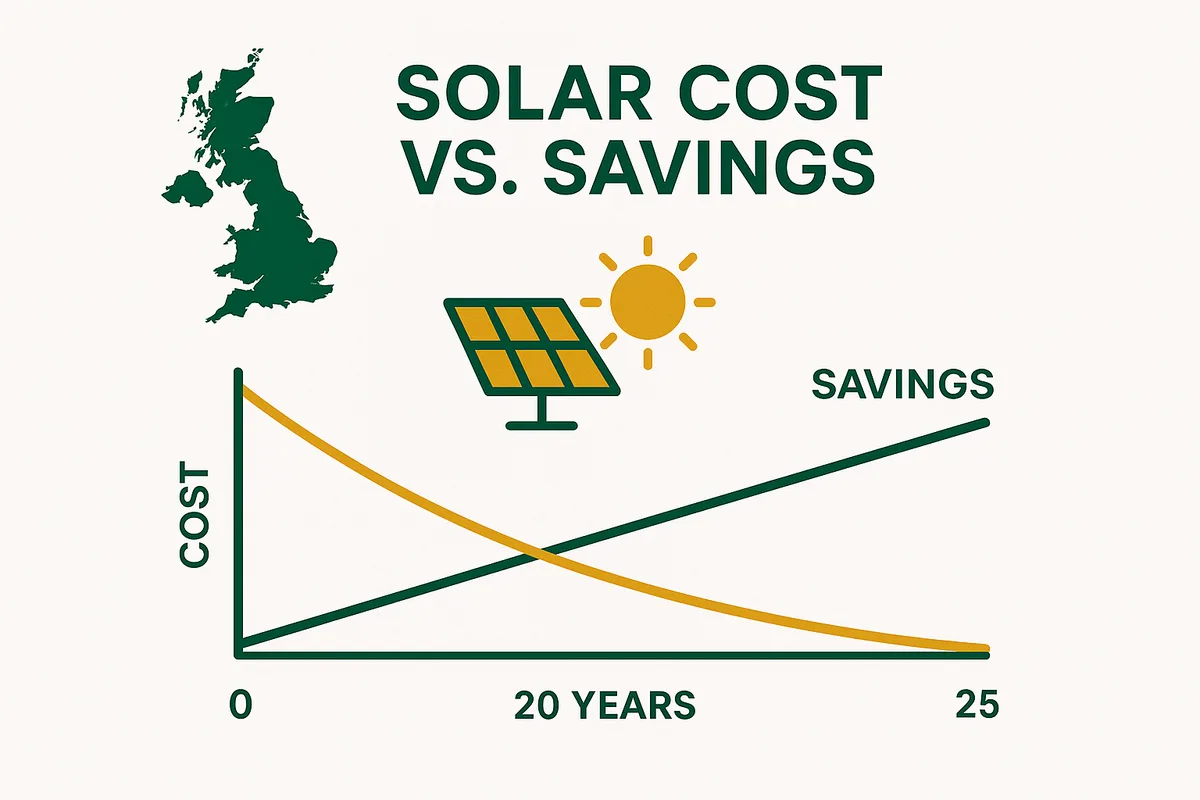
Estimated annual savings from garage solar EV charging: - 2kW garage system surplus for EV: ~1,000 kWh/year free charging - At 26.11p/kWh avoided: £245/year saved on EV charging - System cost: ~£2,500 - Payback: ~10 years from EV charging alone (faster if home electricity savings included)
Source: EV charging calculations; Zappi installation guidance.
Frequently Asked Questions
Related guides
You might also like
Ready to see what solar could save you?
Get free, no-obligation quotes from MCS-certified installers in your area.
Get Free QuotesFree, no obligation. Takes 2 minutes.