Solar Panels for a Garden Office
Ready to see what solar could save you?
Get free, no-obligation quotes from MCS-certified installers in your area.
Get Free QuotesFree, no obligation. Takes 2 minutes.
How many solar panels do I need for a garden office?
A garden office needs approximately 3–8 kWh per day of electricity (lighting, laptop, monitor, heating, WiFi). A 1–2kW solar system (3–5 panels) costing £1,500–£4,000 generates enough to cover this in spring–autumn. For year-round use, combine with a battery (£1,000–£2,500) or connect to your house mains via a buried cable. A fully off-grid garden office is achievable in summer but challenging in winter.
Garden Office Electricity Needs
Typical garden office equipment:
| Equipment | Wattage | Daily Use | Daily Consumption |
|---|---|---|---|
| Laptop | 50W | 8 hours | 400 Wh |
| External monitor | 30W | 8 hours | 240 Wh |
| LED desk lamp | 10W | 6 hours | 60 Wh |
| Router/WiFi extender | 15W | 10 hours | 150 Wh |
| Phone charging | 20W | 2 hours | 40 Wh |
| Printer (standby) | 5W | 10 hours | 50 Wh |
| Subtotal (without heating) | 940 Wh | ||
| Fan heater (winter) | 2,000W | 4 hours | 8,000 Wh |
| Infrared panel heater (winter) | 600W | 6 hours | 3,600 Wh |
Key insight: The office equipment itself uses under 1 kWh/day. Heating is the big variable — a fan heater uses 8x more electricity than all your equipment combined. Insulate your garden office well and use an efficient heater.
Source: Appliance wattage data; home office energy surveys.
System Sizing for a Garden Office
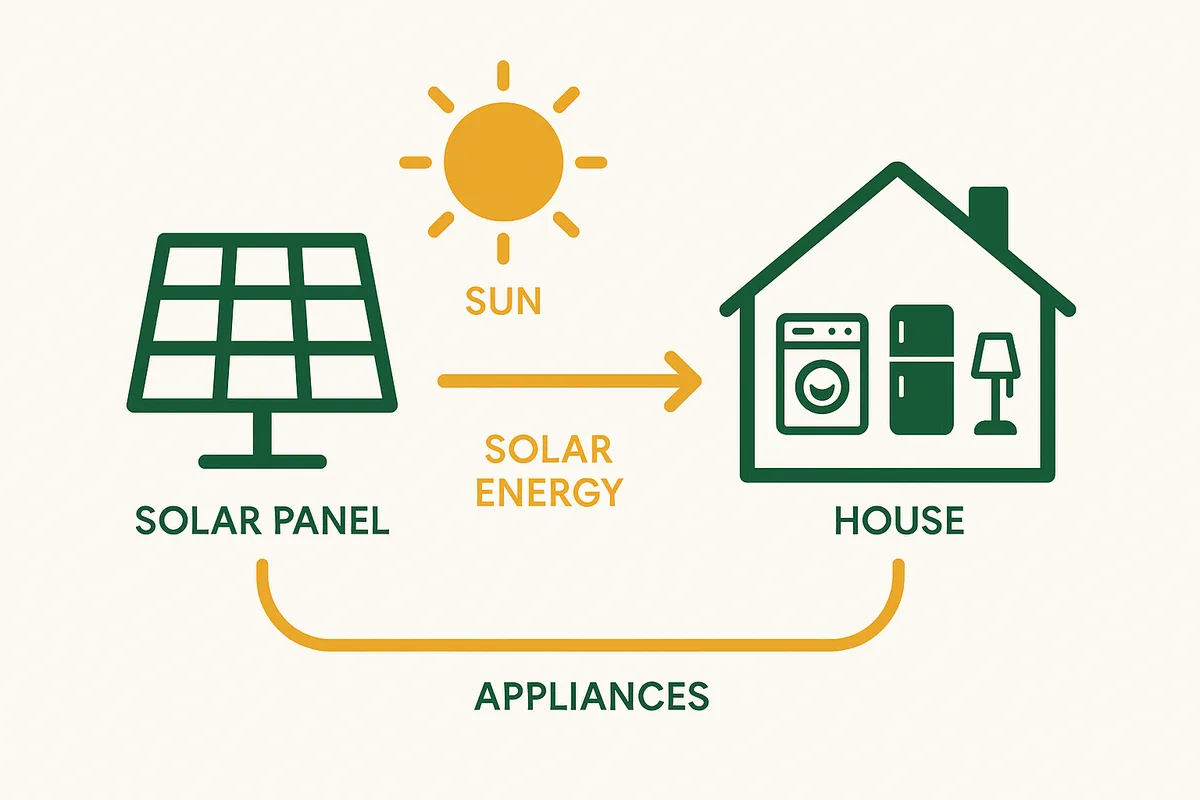
Option 1: Off-grid (solar + battery, no mains connection)
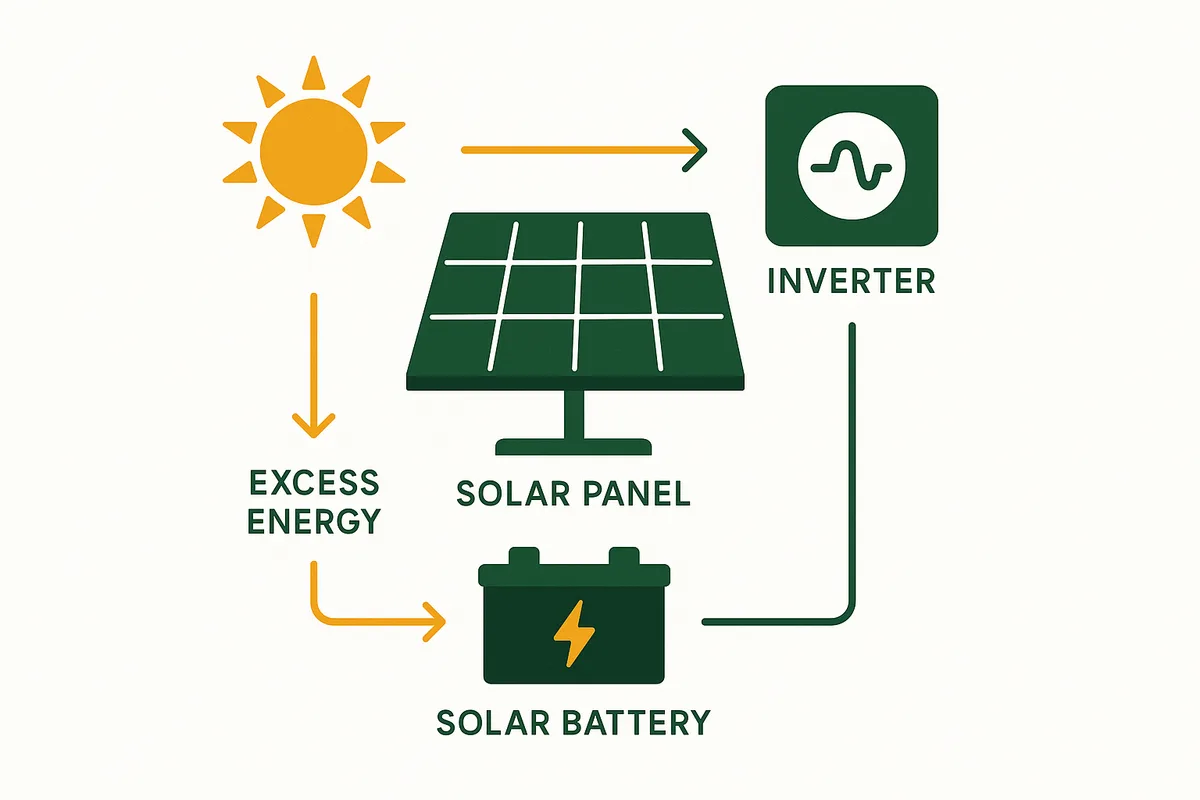
For summer-only use (no heating): - Solar: 500W–1kW (2–3 panels) - Battery: 1–2 kWh (lithium, 12V or 24V) - Inverter: 1–2kW pure sine wave - Cost: £800–£2,000 - Covers: April–October without grid
For year-round use (with efficient heating): - Solar: 1.5–2kW (4–5 panels) - Battery: 3–5 kWh - Infrared heater (not fan heater) - Cost: £2,000–£5,000 - Note: Winter solar may not cover heating. Battery may drain by mid-afternoon on dark December days.
Option 2: Connected to house system (mains cable)
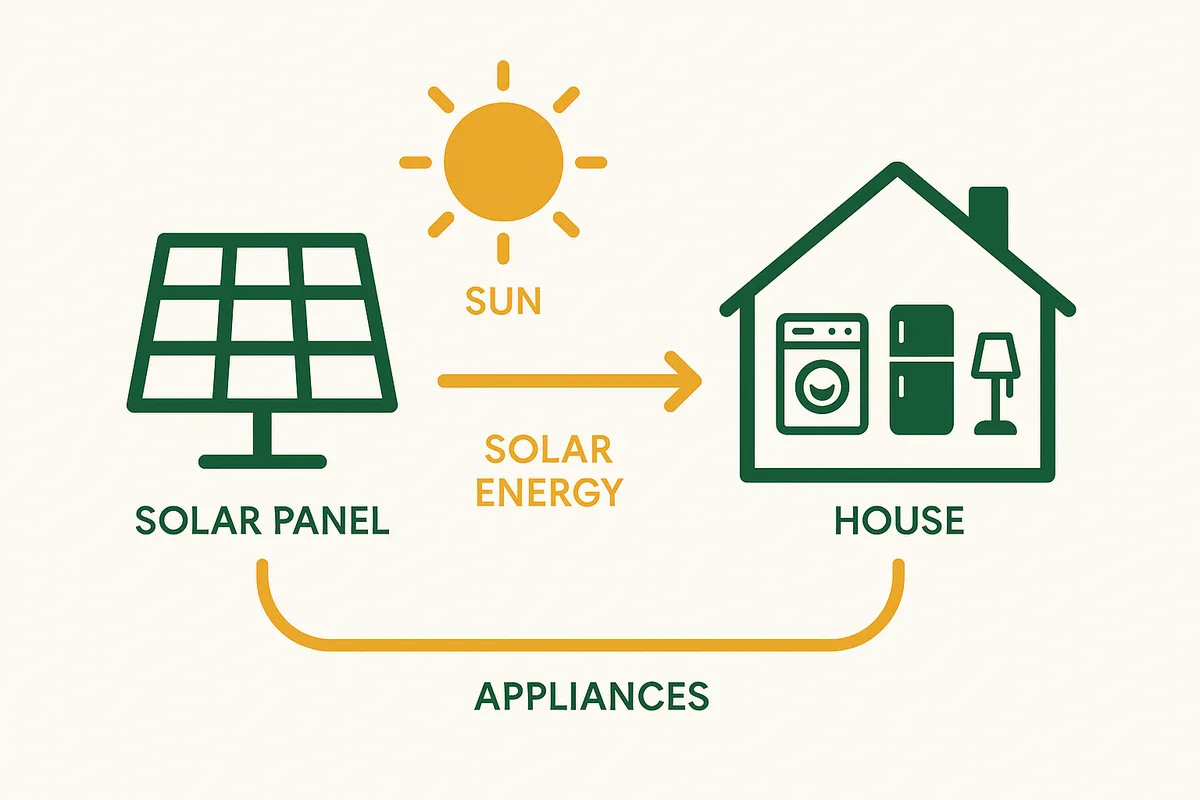
Run an armoured cable from your house consumer unit to the garden office: - Cost: £500–£1,500 (electrician to install) - Benefits: unlimited power from the grid + your house solar system - Add solar to the office roof as supplementary generation - Most reliable option for year-round working
Recommendation: If you work full-time from the garden office year-round, connect to mains AND add solar. If it is a summer/weekend workspace, off-grid solar + battery works well.
Source: Garden office electrical planning guidance; MCS small system data.
Ready to see what solar could save you?
Get free, no-obligation quotes from MCS-certified installers in your area.
Get Free Quotes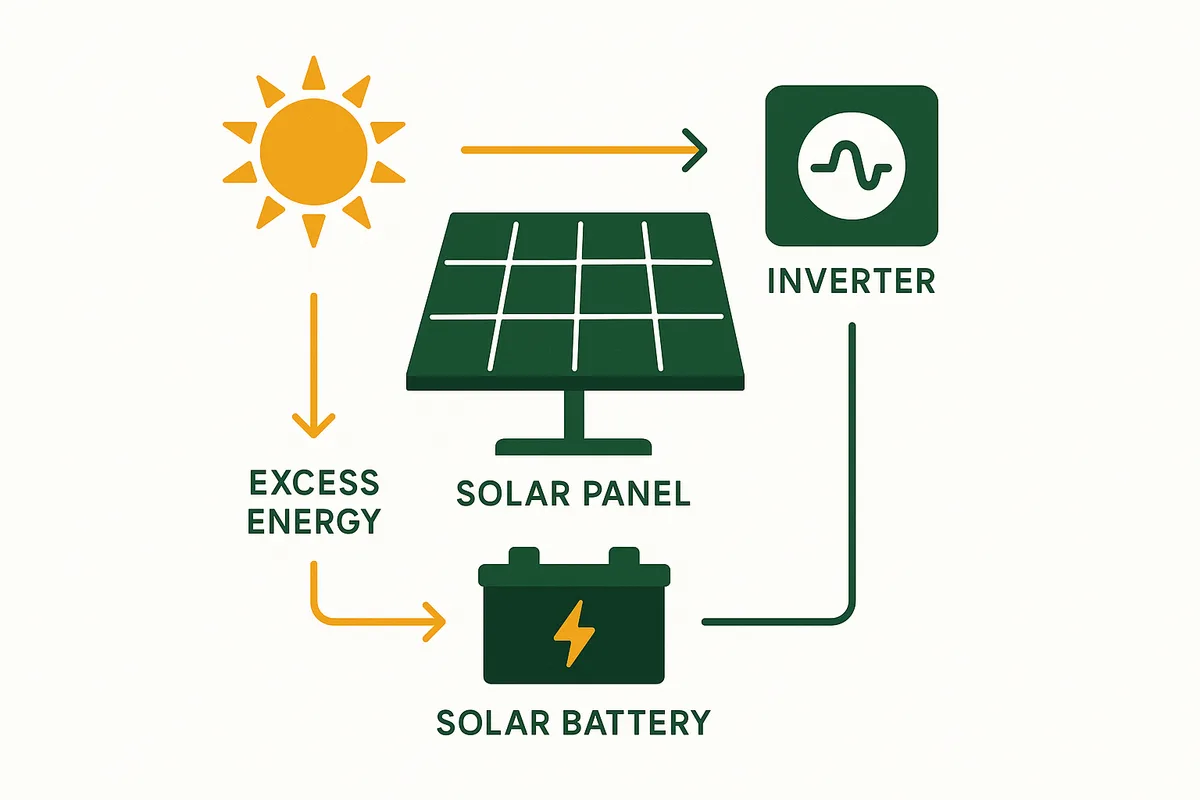
Mounting Panels on a Garden Office Roof
Garden office roofs are typically flat or low-pitched, which suits solar well:
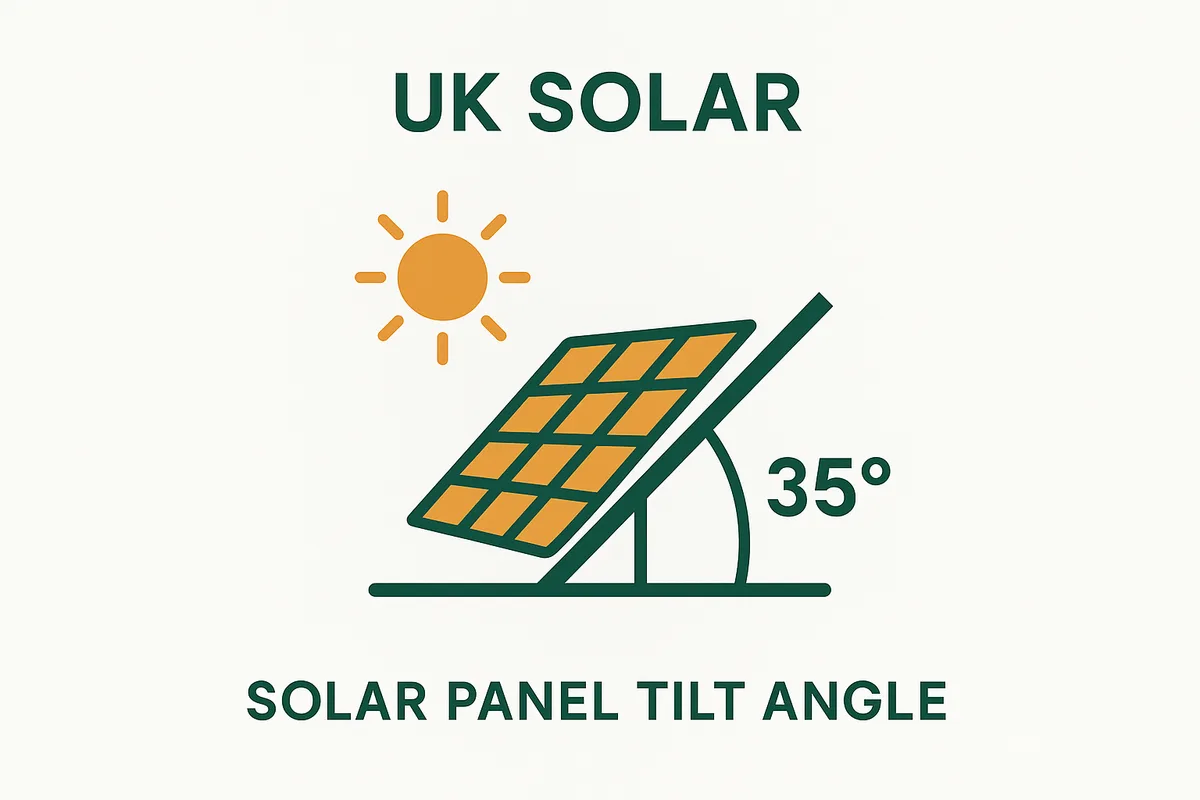
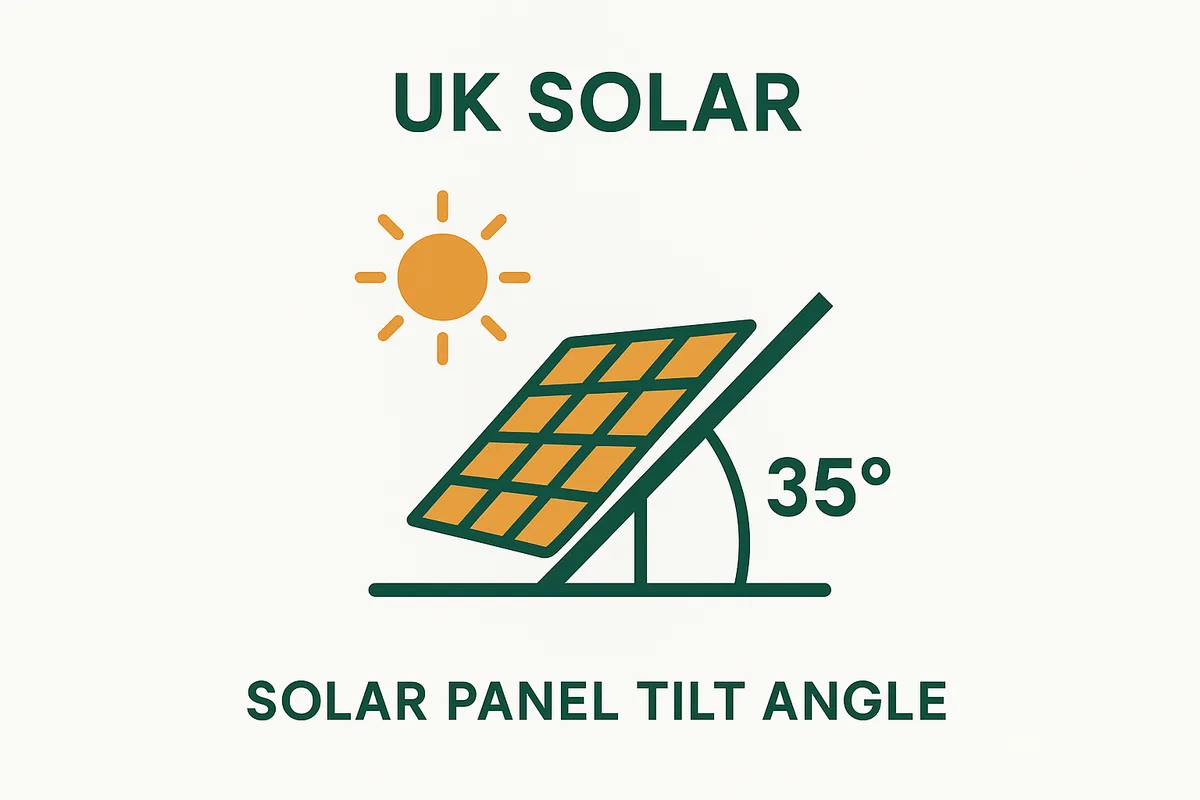
Flat roof: Use 20–30° tilted frames (same as house flat roof solar). 2–3 panels fit on most garden office roofs (2m × 3m minimum).
Sedum/green roof: Remove sedum in the panel area, or mount panels above the sedum layer. Weight may be a consideration — check with the office manufacturer.
Pitched roof: Mount directly on the slope. Small garden offices may only accommodate 2–3 panels per slope.
Planning permission: Garden office solar panels follow the same permitted development rules as house solar — typically no permission needed. In conservation areas, the panels are probably hidden behind the house and not visible from the highway.
Weight: Garden offices with lightweight timber construction should be checked for roof load capacity. Standard panels add ~12 kg/m² — within most garden office specifications, but confirm with the manufacturer.
Source: Garden office manufacturers; permitted development rules.
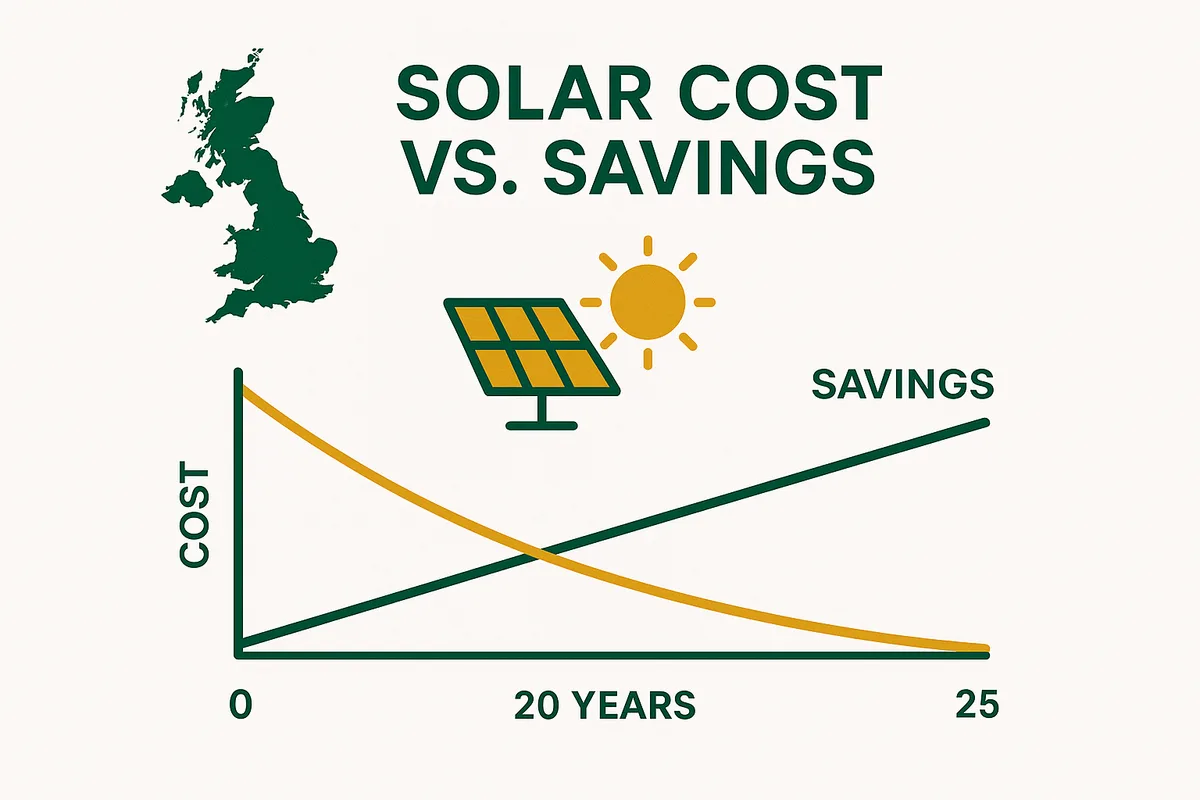
Cost Comparison: Solar vs Mains Extension
Off-grid solar system (summer use): - Cost: £800–£2,000 - Running cost: £0 (free electricity) - Limitations: may not cover winter heating
Off-grid solar system (year-round): - Cost: £2,000–£5,000 - Running cost: £0 (but may need grid top-up in winter) - Limitations: expensive battery, winter shortfall
Mains extension cable only: - Cost: £500–£1,500 (electrician) - Running cost: £200–£500/year (grid electricity for office) - Limitations: ongoing electricity bills
Mains extension + house solar: - Cost: £500–£1,500 (cable) + solar already installed on house - Running cost: near £0 if house solar covers office consumption - Best of both worlds
Best approach: If you already have (or plan) house solar, run a mains cable to the office and let the house system power it. Adding panels to the office roof is then a bonus — not a necessity.
Source: Electrician pricing; solar system modelling.
Frequently Asked Questions
Related guides
You might also like
Ready to see what solar could save you?
Get free, no-obligation quotes from MCS-certified installers in your area.
Get Free QuotesFree, no obligation. Takes 2 minutes.