Solar Panels for Hot Water: PV vs Thermal
Ready to see what solar could save you?
Get free, no-obligation quotes from MCS-certified installers in your area.
Get Free QuotesFree, no obligation. Takes 2 minutes.
Can solar panels heat hot water?
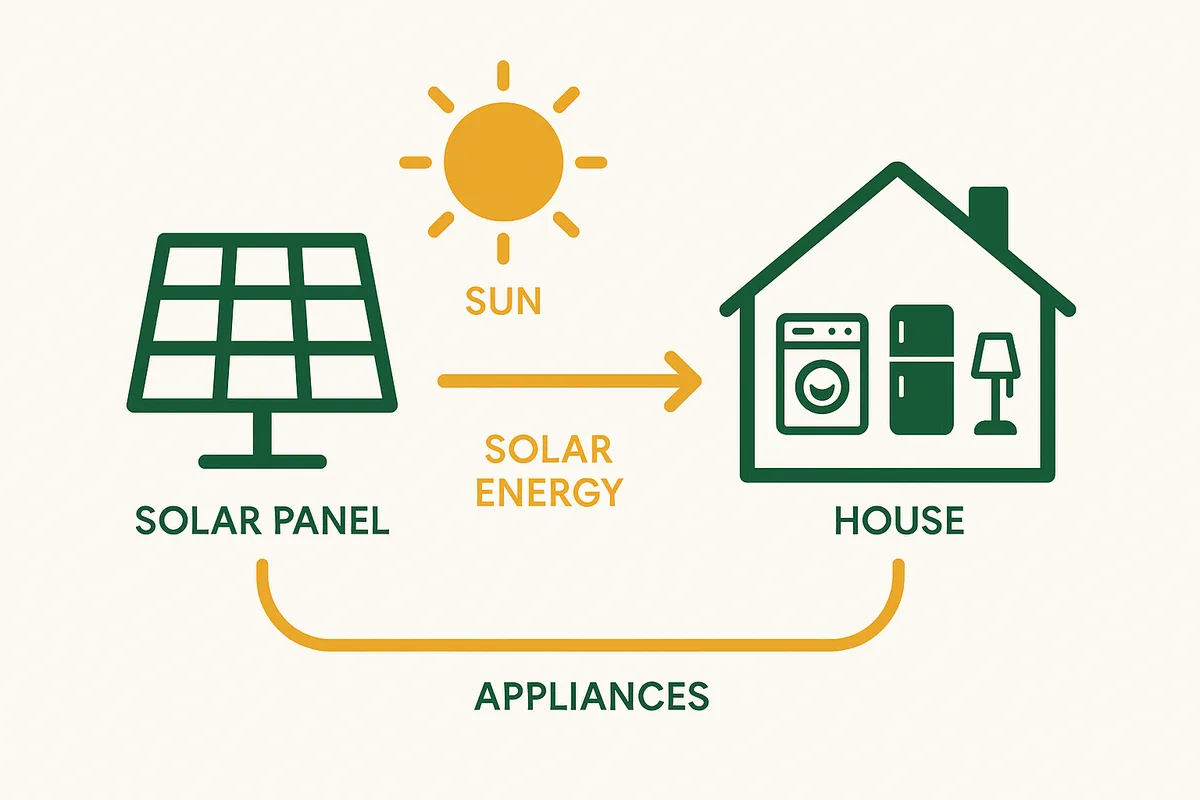
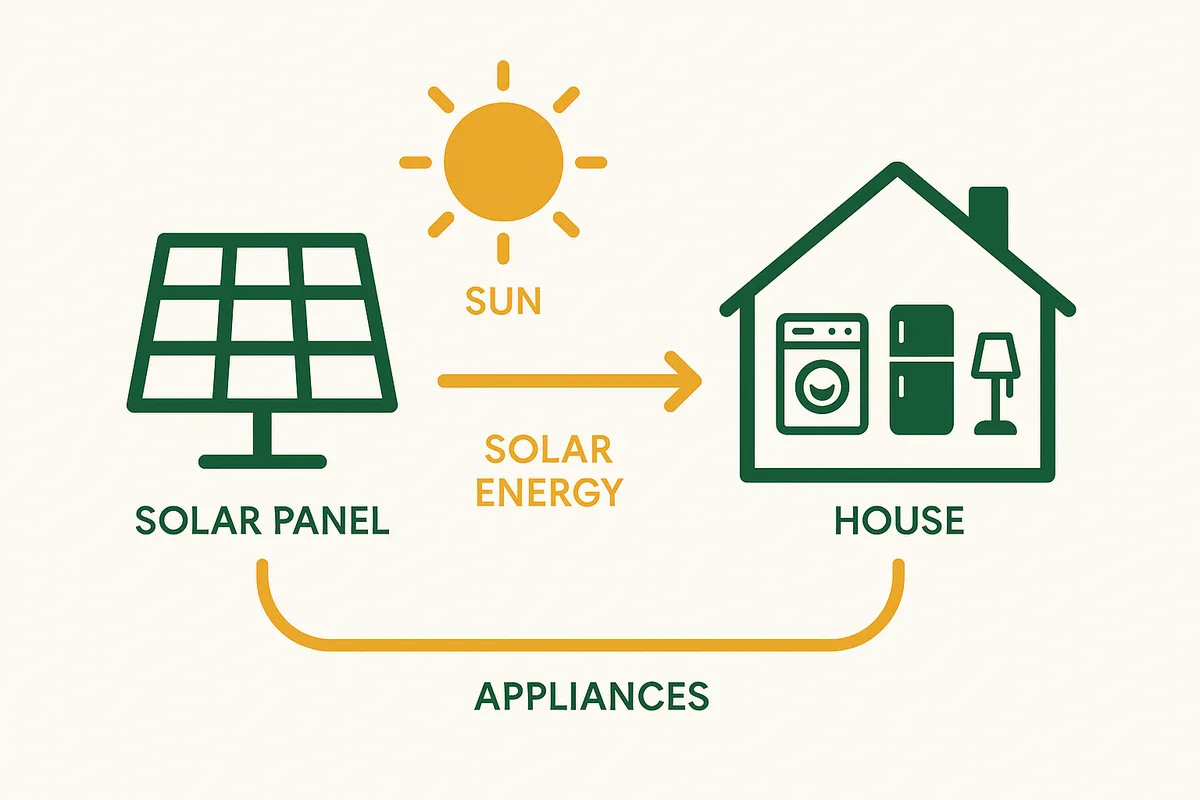
Solar PV panels can heat your hot water using a solar immersion diverter (iBoost+ or Eddi, costing £200–£400). The diverter automatically routes surplus solar electricity to your hot water cylinder's immersion heater — giving you free hot water from sunshine. This is now more popular and cost-effective than dedicated solar thermal panels. A PV + diverter system gives you both electricity AND hot water; thermal only gives you hot water.
Option 1: Solar PV + Immersion Diverter (Recommended)
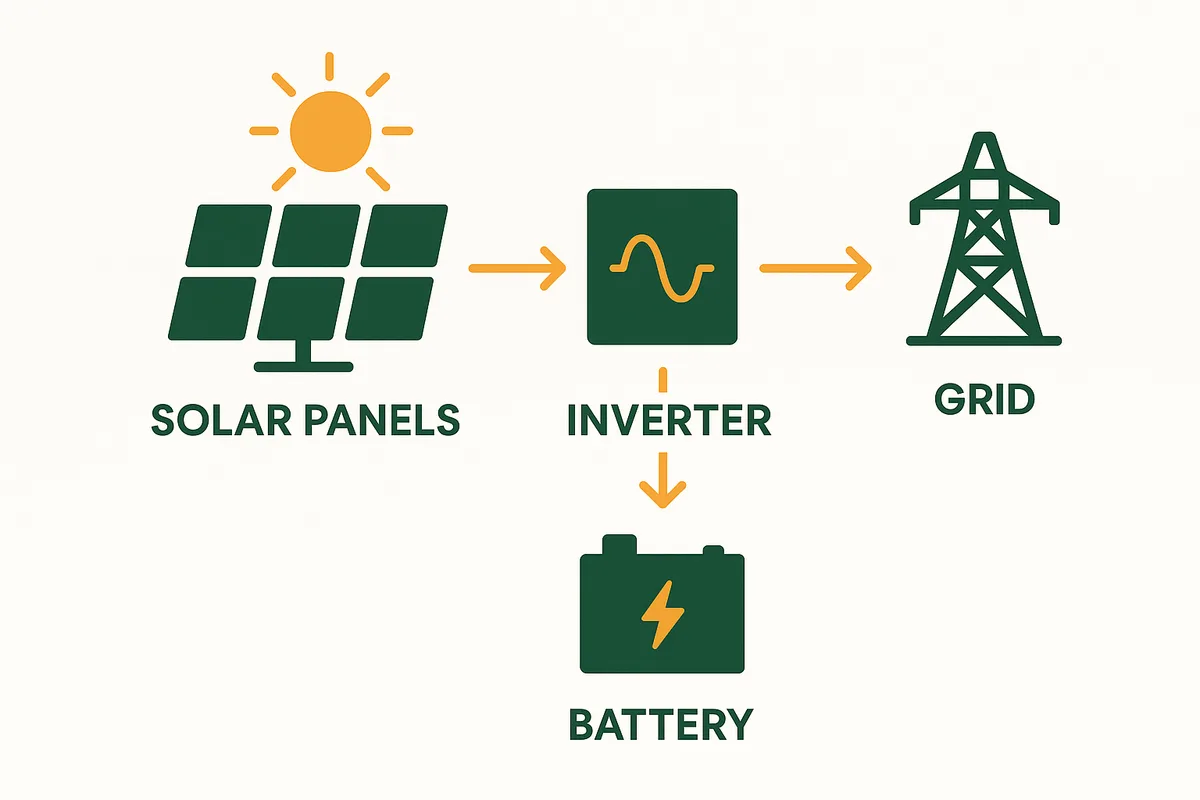
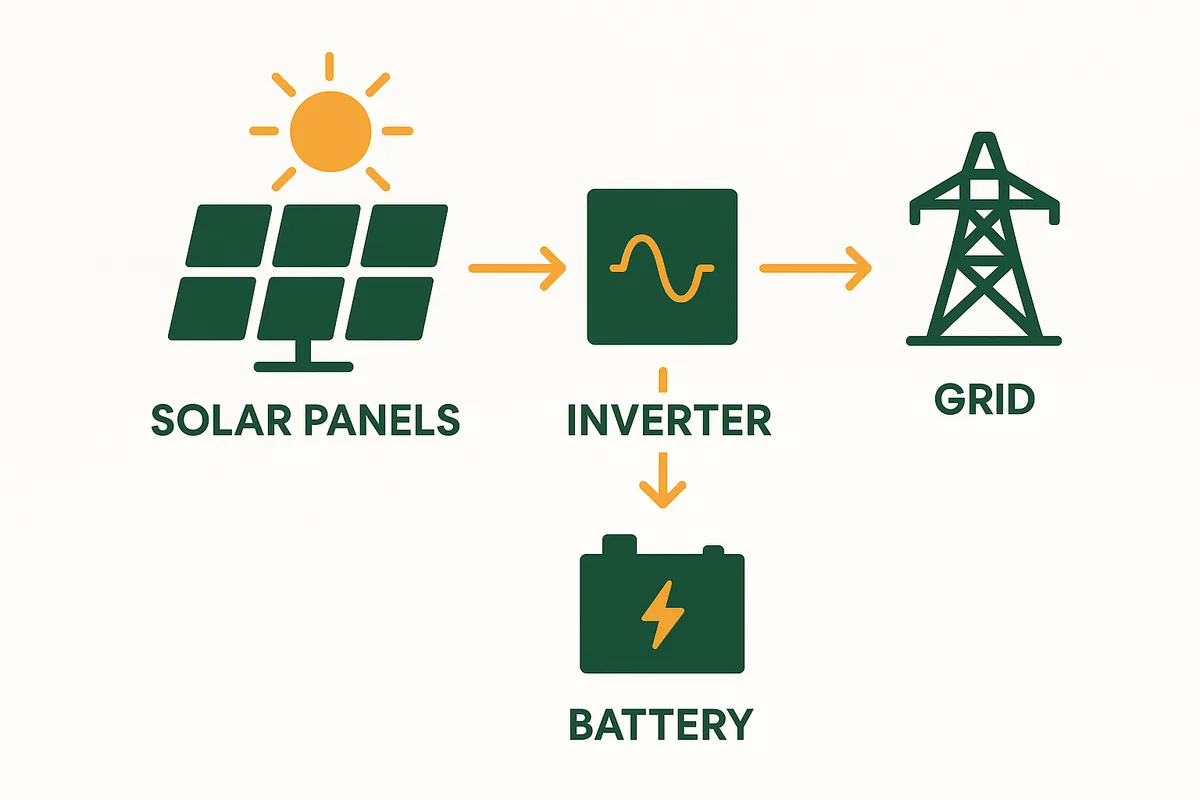
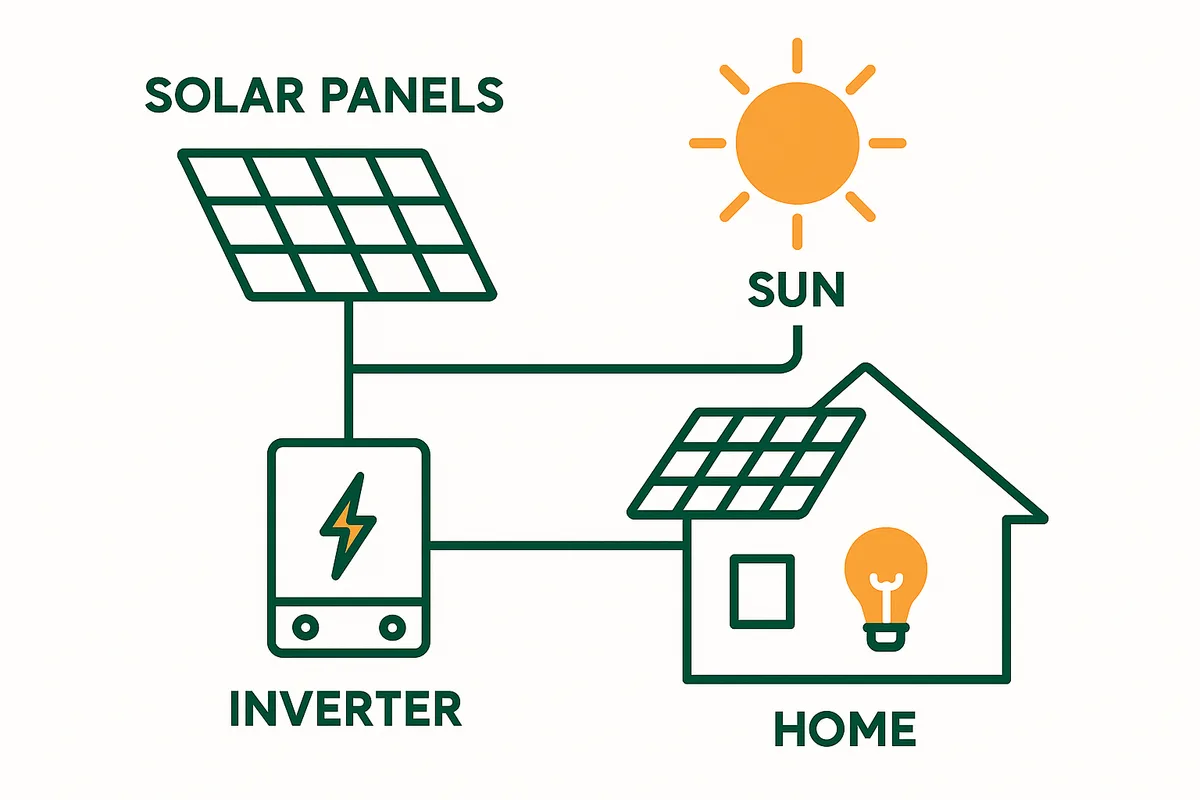
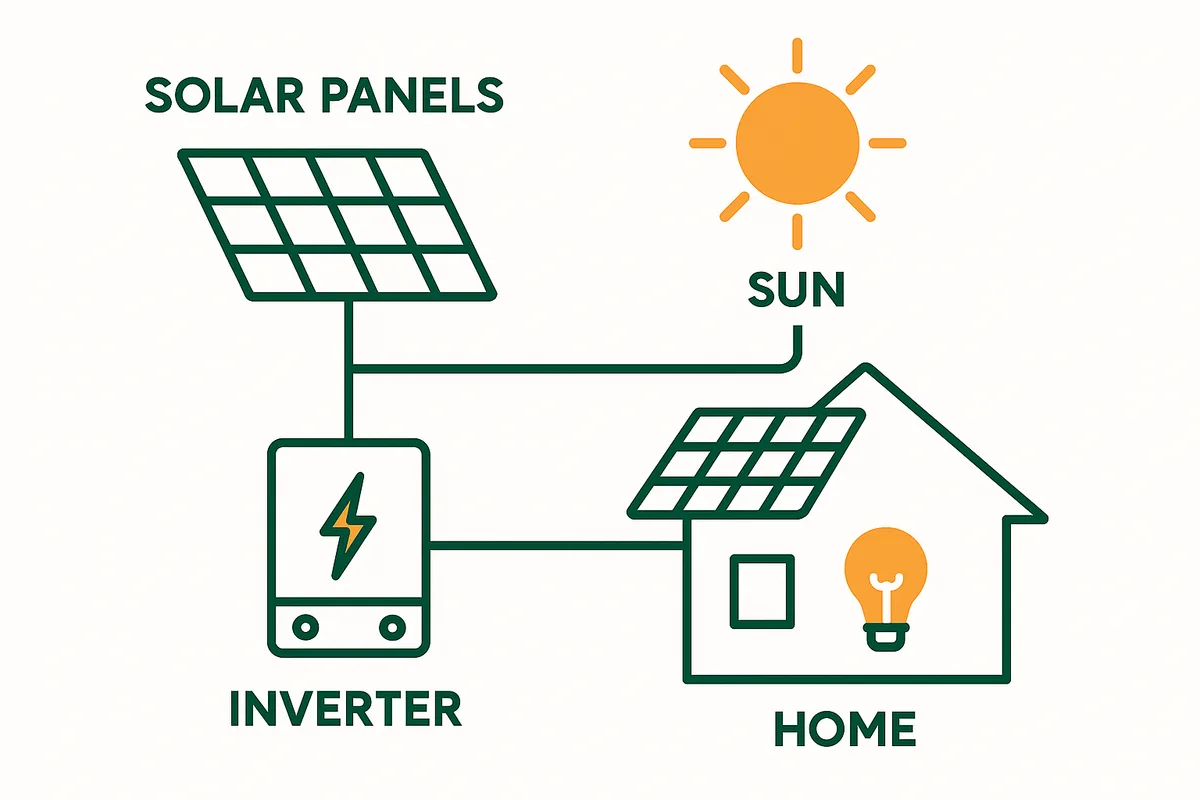
How it works: 1. Your solar PV panels generate electricity 2. Your home uses what it needs for appliances and lighting 3. When there is surplus solar (generation > consumption), the diverter detects this 4. The diverter automatically routes surplus electricity to your immersion heater 5. Your hot water cylinder heats up — for free 6. If the cylinder reaches target temperature, remaining surplus exports to the grid
Products: - iBoost+ (Marlec): £200–£350 installed. Wireless sensor clips to the meter tails. Simple, reliable, widely used. - Eddi (Myenergi): £350–£500 installed. More advanced — integrates with Zappi EV charger for prioritised surplus routing.
How much hot water can it heat? - In summer: PV surplus of 2,000–4,000 Wh/day → easily heats a full cylinder (150L at 60°C ≈ 6kWh) - In spring/autumn: 1,000–2,000 Wh surplus → partial cylinder heating - In winter: 200–500 Wh surplus → minimal hot water contribution
Annual hot water savings: £100–£250/year depending on system size and usage patterns.
Source: iBoost+ and Eddi product specifications; hot water heating calculations.
Option 2: Solar Thermal Panels
How it works: Dedicated solar thermal panels absorb sunlight and directly heat a fluid (water/glycol mixture) that circulates through your hot water cylinder.
Types: - Flat plate collectors (cheaper, simpler) - Evacuated tube collectors (more efficient, especially in winter)
Cost: £3,000–£5,000 installed
Annual savings: £50–£100 (hot water heating only)
Payback: 15–25+ years
Why thermal is losing popularity: - Only heats water — cannot power appliances, charge EVs, or earn SEG income - Higher maintenance (annual fluid checks, pump maintenance, glycol replacement every 5 years) - Shorter lifespan than PV (20 years vs 25–30) - Higher installation cost per benefit delivered - A PV system with a £200 diverter achieves the same hot water benefit PLUS provides electricity
Source: Energy Saving Trust solar thermal guidance.
Ready to see what solar could save you?
Get free, no-obligation quotes from MCS-certified installers in your area.
Get Free Quotes
Head-to-Head Comparison
| Feature | PV + Diverter | Solar Thermal |
|---|---|---|
| Upfront cost | £5,700–£8,400 (PV + diverter) | £3,000–£5,000 |
| Annual savings (total) | £700–£1,100 (electricity + hot water) | £50–£100 (hot water only) |
| Hot water saving | £100–£250/year | £50–£100/year |
| Electricity saving | £500–£800/year | £0 |
| SEG income | £80–£300/year | £0 |
| Payback | 8–12 years | 15–25+ years |
| Maintenance | Very low | Annual fluid check, pump |
| Lifespan | 25–30 years | 20 years |
| Versatility | Electricity + hot water + EV + battery | Hot water only |
| Verdict | Winner | Outdated for most homes |
Source: Energy Saving Trust; MCS installer data.
Do You Need a Hot Water Cylinder?
Both PV diverter and solar thermal require a hot water cylinder (the insulated tank that stores heated water). If your home has a combi boiler (no cylinder), you have three options:
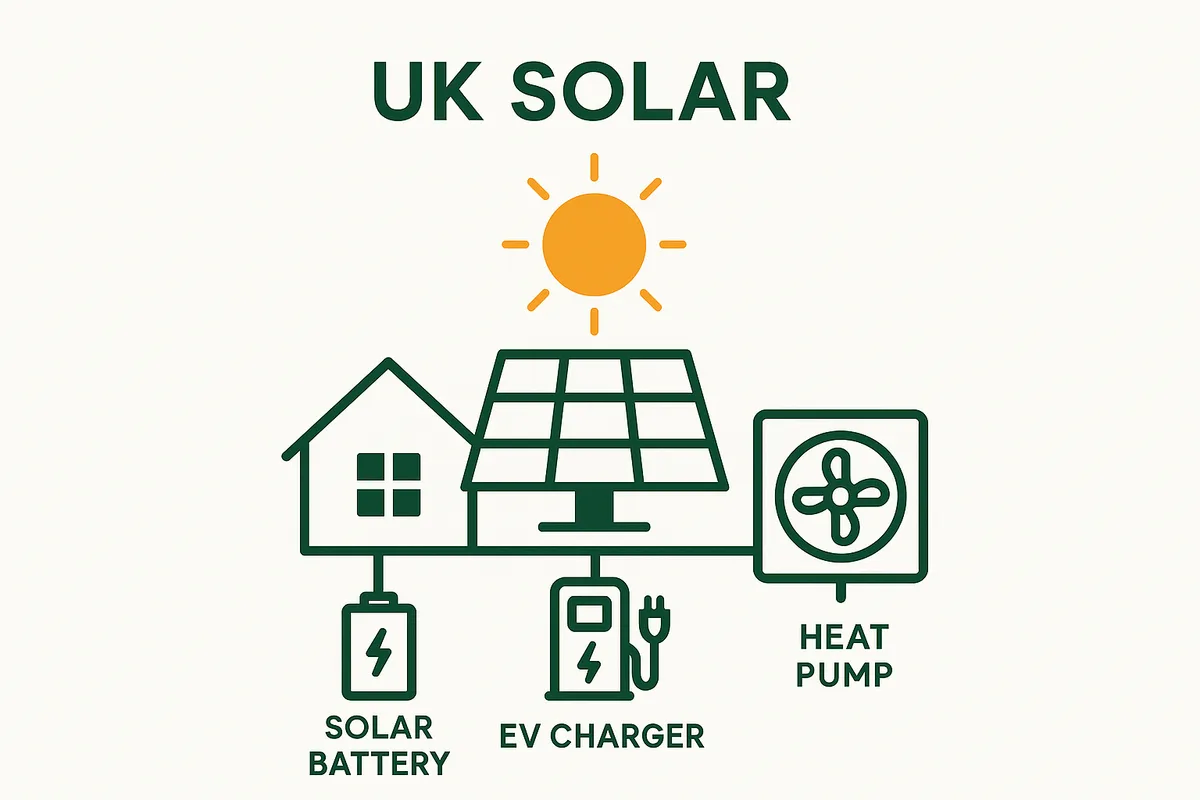
1. Add a hot water cylinder (£500–£1,500 including plumbing) — the diverter heats this cylinder 2. Skip the diverter entirely — use PV for electricity only (still saves £500–£800/year) 3. Install a heat pump (which requires a cylinder) — the PV powers the heat pump for both heating and hot water
If you already have a cylinder (common in UK homes with regular/system boilers), adding a diverter is simple and cheap.
Source: Hot water cylinder installation guidance.
Frequently Asked Questions
Related guides
You might also like
Ready to see what solar could save you?
Get free, no-obligation quotes from MCS-certified installers in your area.
Get Free QuotesFree, no obligation. Takes 2 minutes.