Solar PV vs Solar Thermal: Which Is Right for You?
Ready to see what solar could save you?
Get free, no-obligation quotes from MCS-certified installers in your area.
Get Free QuotesFree, no obligation. Takes 2 minutes.
Is solar PV or solar thermal better?
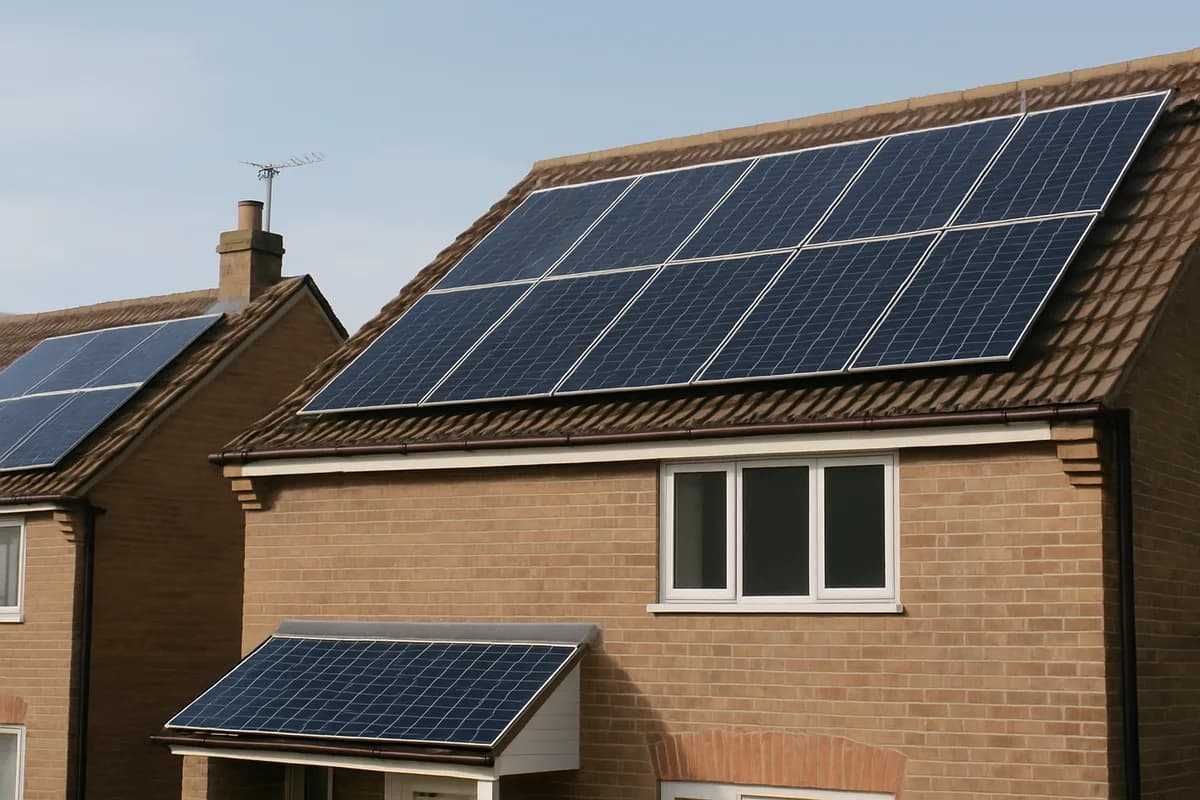
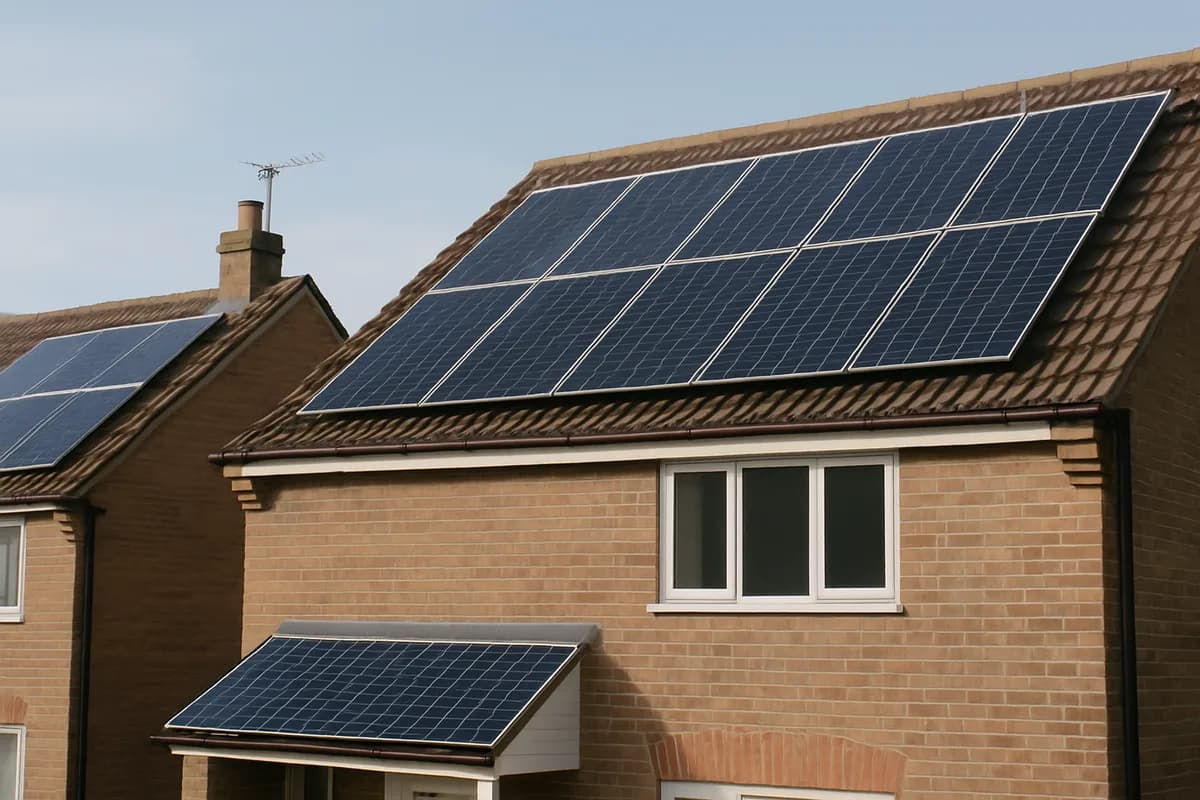
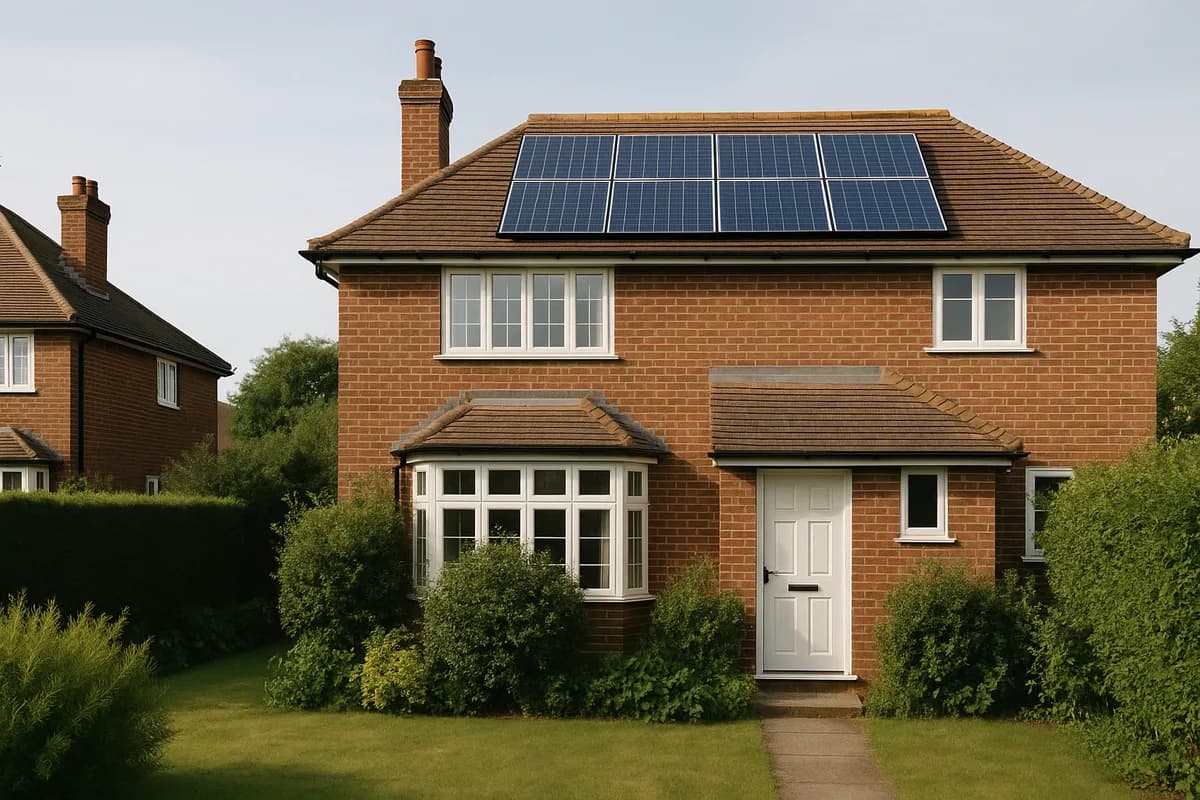
Solar PV generates electricity that can power any appliance, charge batteries, and earn export income. Solar thermal heats water directly, reducing your hot water heating bill. For most UK homes, PV is the better choice — it is more versatile, has a better financial return, costs less to install, and can power an immersion heater to heat water anyway. Solar thermal only makes sense if you have very high hot water demand and limited roof space.
The Key Differences
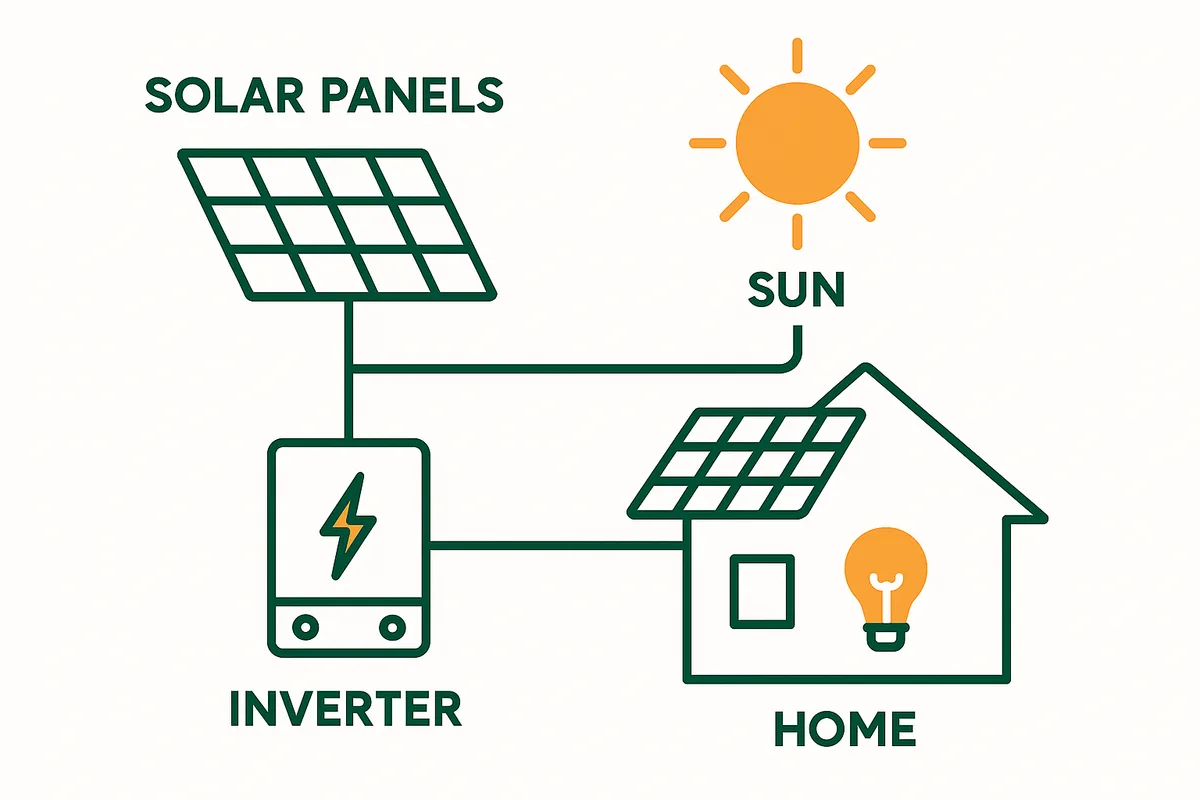
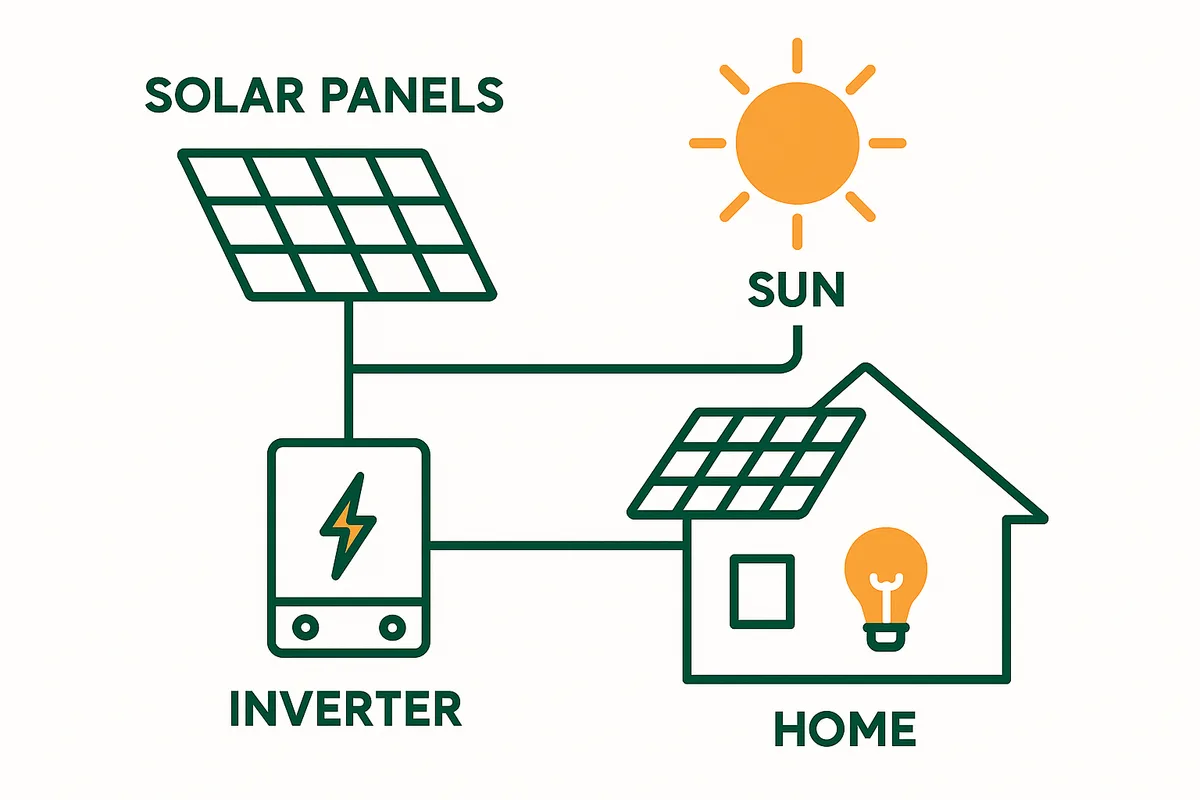
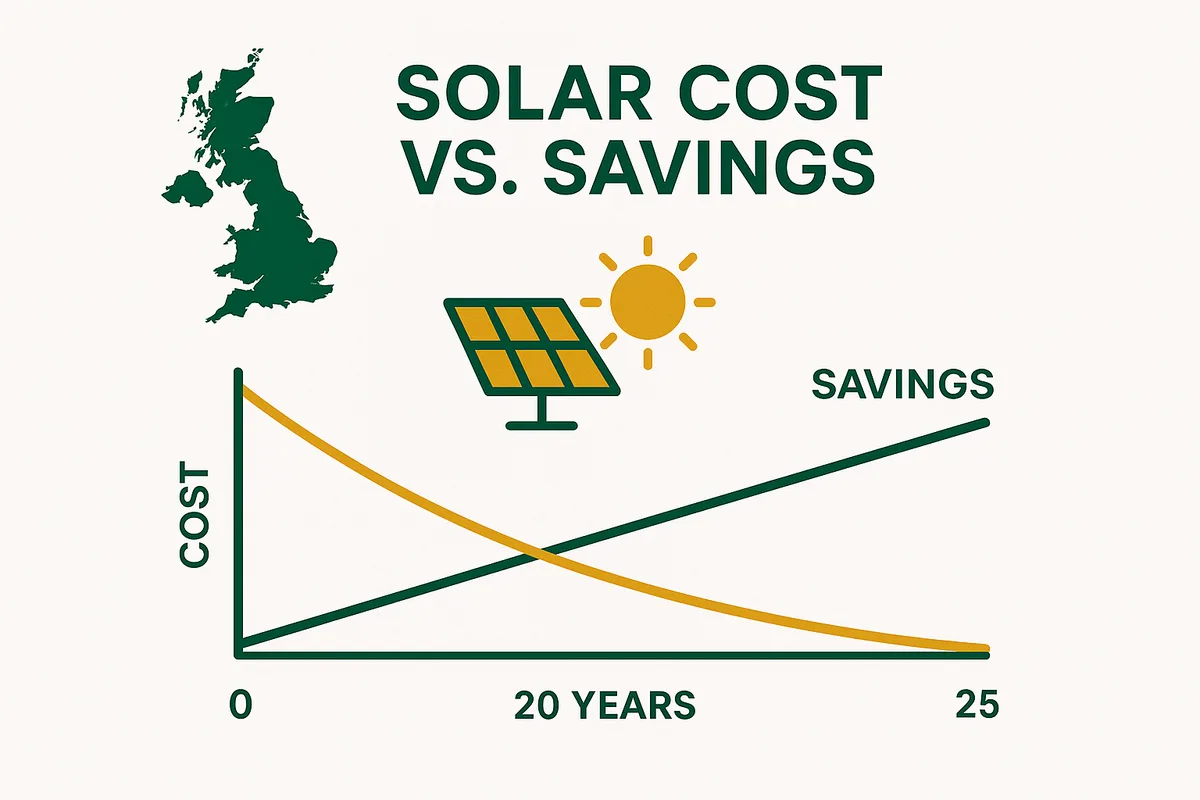
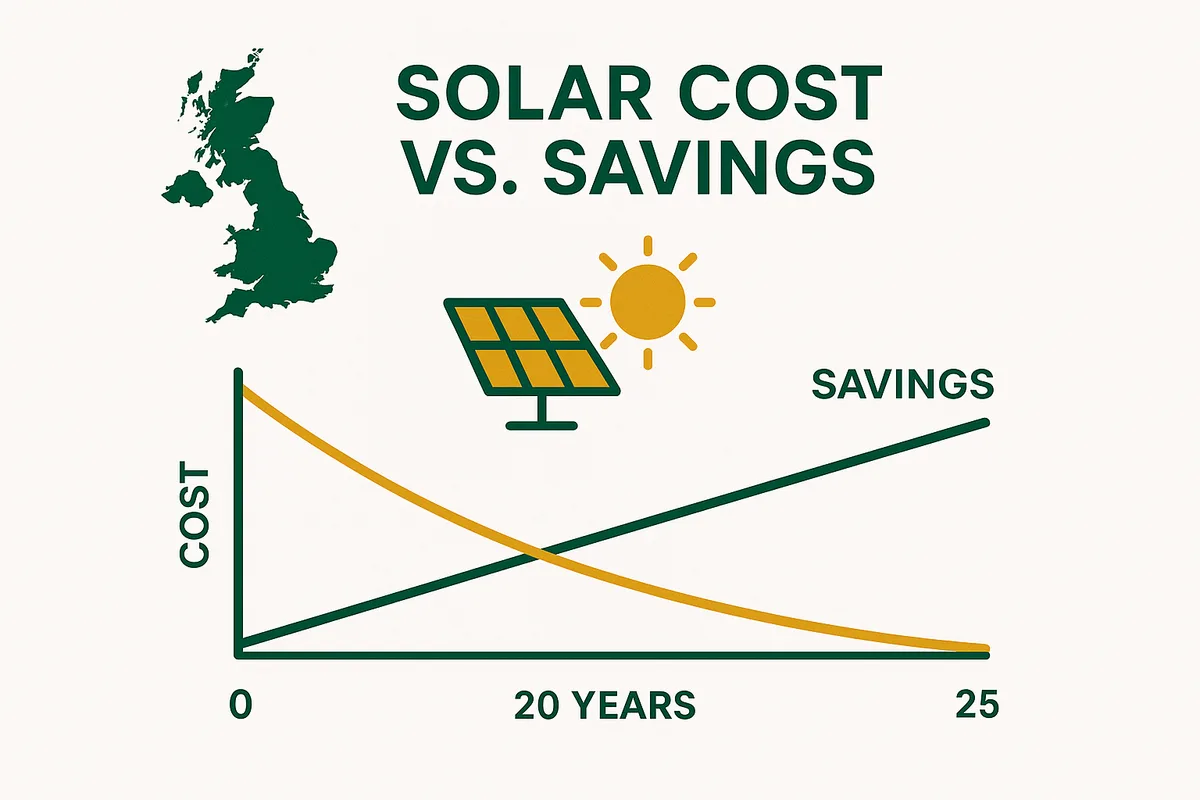
Solar PV (Photovoltaic): - What it does: Converts sunlight into electricity - Output: Electricity (AC) that powers any appliance - Cost: £5,000–£8,000 for a 4kW system - Annual saving: £600–£1,100 (electricity bills + SEG) - Payback: 8–12 years - Lifespan: 25–30+ years - Maintenance: Very low — occasional cleaning, inverter replacement at 10–15 years - Versatility: Powers lights, appliances, EV charging, heat pumps, AND can heat water via immersion heater
Solar Thermal: - What it does: Heats water directly using sunlight - Output: Hot water only - Cost: £3,000–£5,000 for a typical system - Annual saving: £50–£100 (hot water heating costs only) - Payback: 15–25+ years - Lifespan: 20–25 years - Maintenance: Higher — annual fluid checks, pump maintenance, glycol replacement every 5 years - Versatility: Hot water only — cannot power appliances or earn export income
Source: Energy Saving Trust technology comparison; MCS installer data.
Why PV Wins for Most UK Homes
- Better financial return — PV saves £600–£1,100/year vs thermal's £50–£100/year. PV pays back in 8–12 years; thermal takes 15–25+ years.
- More versatile — PV electricity powers everything. Thermal only heats water.
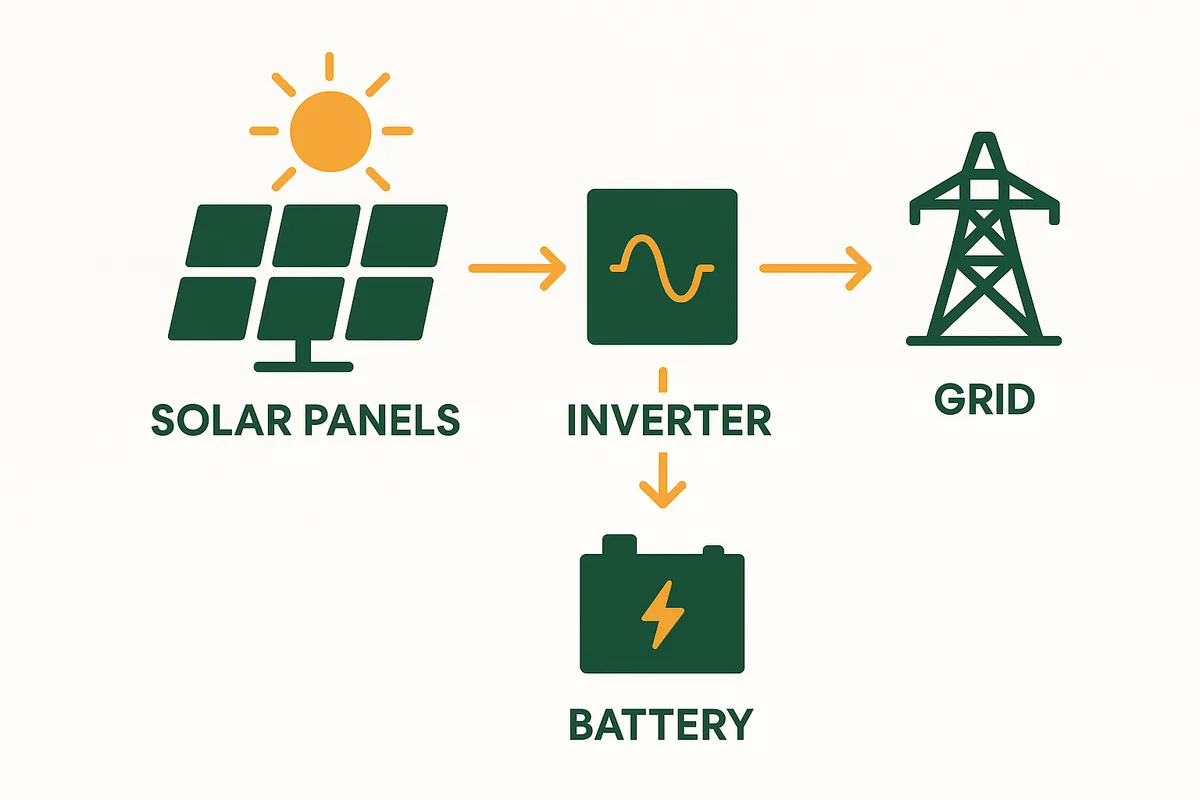
- PV can heat water too — a PV system with an immersion heater diverter (£200–£400) uses surplus solar electricity to heat your hot water cylinder. You get both electricity AND hot water from one system.
- Export income — PV earns SEG payments for surplus electricity. Thermal generates no income.
- Battery compatible — PV pairs with batteries for evening use. Thermal cannot store energy beyond the hot water cylinder.
- EV charging — PV can charge an electric vehicle. Thermal cannot.
- Lower maintenance — PV has no moving parts, no fluids, no pumps. Thermal requires annual fluid checks and pump maintenance.
- Better technology trajectory — PV costs have fallen 90% in 15 years. Thermal costs have barely changed.
Ready to see what solar could save you?
Get free, no-obligation quotes from MCS-certified installers in your area.
Get Free Quotes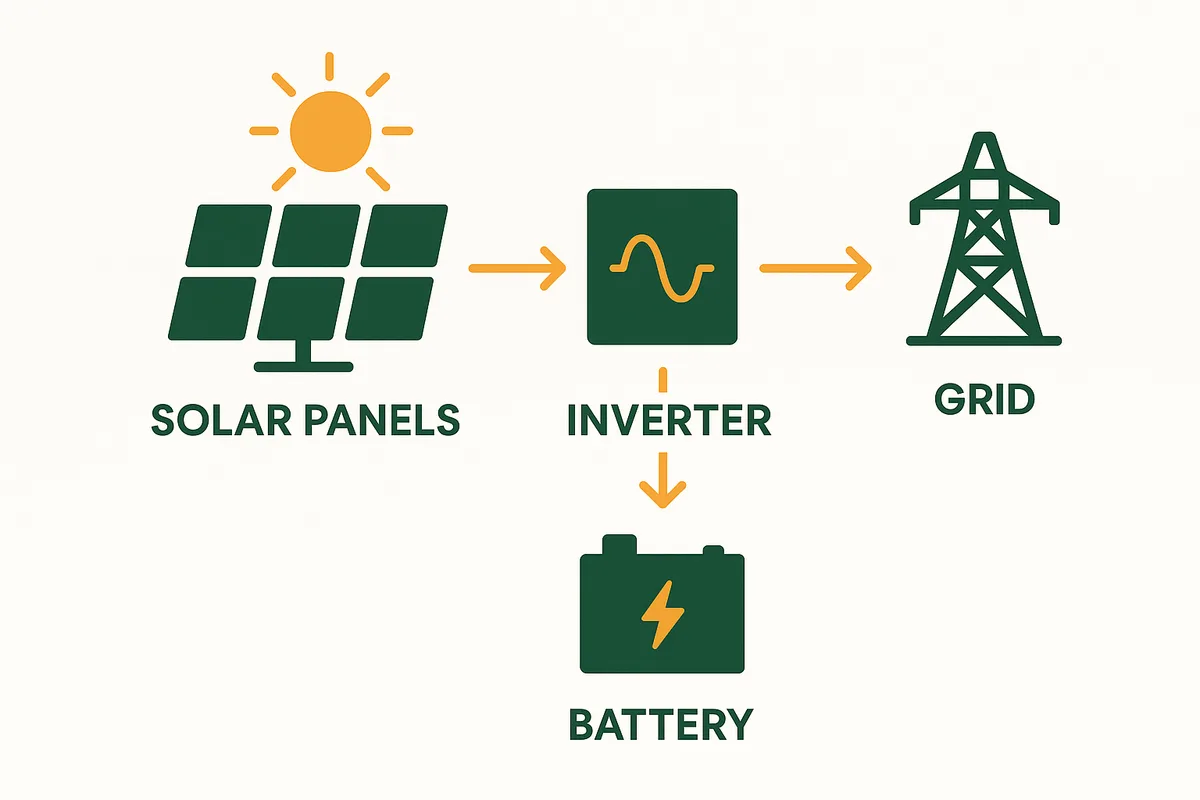
When Solar Thermal Might Make Sense
Solar thermal is not dead — there are a few scenarios where it can work:
High hot water demand: - Large families (5+ people) using 150+ litres of hot water daily - Properties with hot water cylinders already in place - Businesses with high hot water needs (B&Bs, care homes, swimming pools)
Limited roof space: - Thermal panels are more efficient per square metre at heating water than PV + immersion diverter - If you only have space for 2 panels, thermal may heat more water than 2 PV panels
No electricity need: - If you already generate enough electricity through other means (e.g., wind turbine) - Properties that are already very electricity-efficient
In practice: These scenarios are rare. For the vast majority of UK homeowners, PV is the better investment.
Source: Energy Saving Trust; MCS installer recommendations.
Can You Have Both PV and Thermal?
Yes, but it is rarely cost-effective. The roof space used for thermal panels would usually generate more value as additional PV panels. And since PV + immersion diverter can heat water anyway, adding thermal panels is redundant for most homes.
The better approach: Install a larger PV system and use a solar immersion diverter (like the iBoost+ at £200–£400) to automatically heat your hot water cylinder with surplus solar electricity. This gives you: - Electricity for everything - Hot water from surplus solar - Export income from any remaining surplus - Battery compatibility
This is now the standard recommendation from most UK solar installers.
Source: MCS best practice guidance.
Frequently Asked Questions
Related guides
You might also like
Ready to see what solar could save you?
Get free, no-obligation quotes from MCS-certified installers in your area.
Get Free QuotesFree, no obligation. Takes 2 minutes.