Solar Panels on a North-Facing Roof: Honest Assessment
Find the right system size for your roof
Panel count depends on your electricity use, roof space and direction — not on a rule of thumb. Get a recommended size and what it should cost.
Size My SystemFree calculator. No contact details required to see your result.
Should you put solar panels on a north-facing roof?
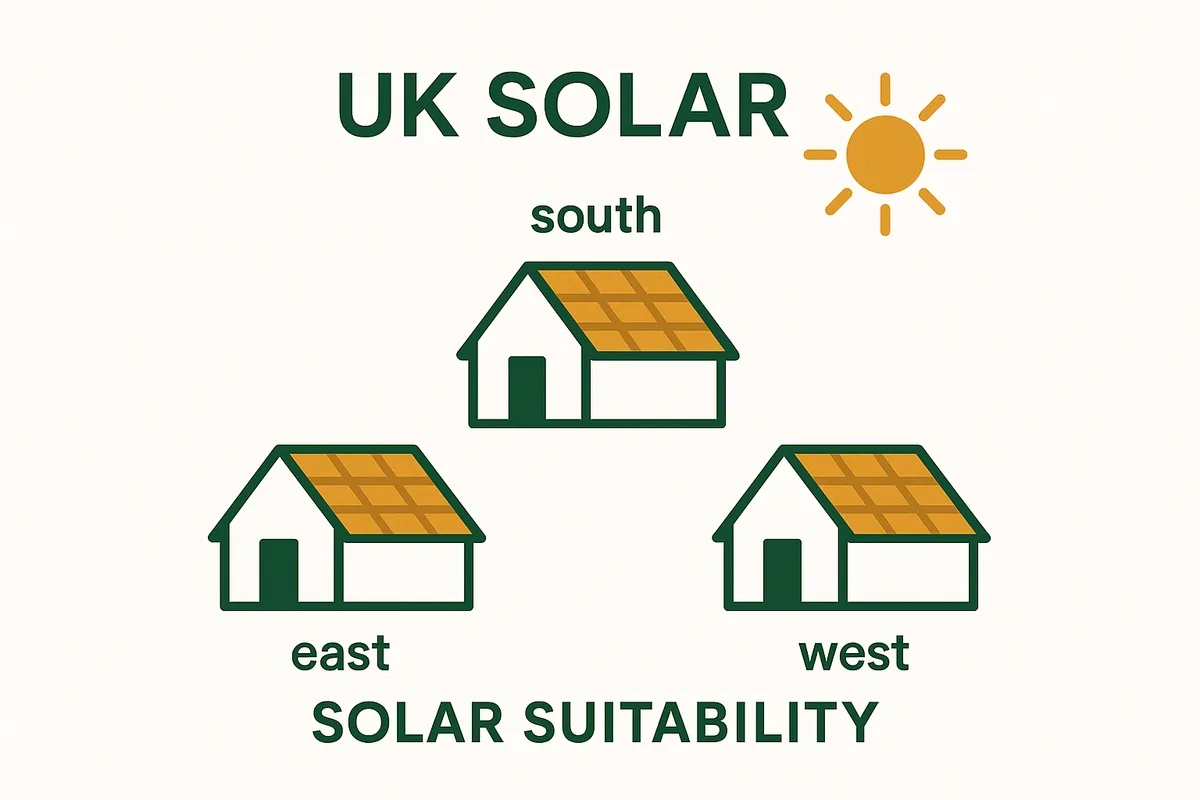
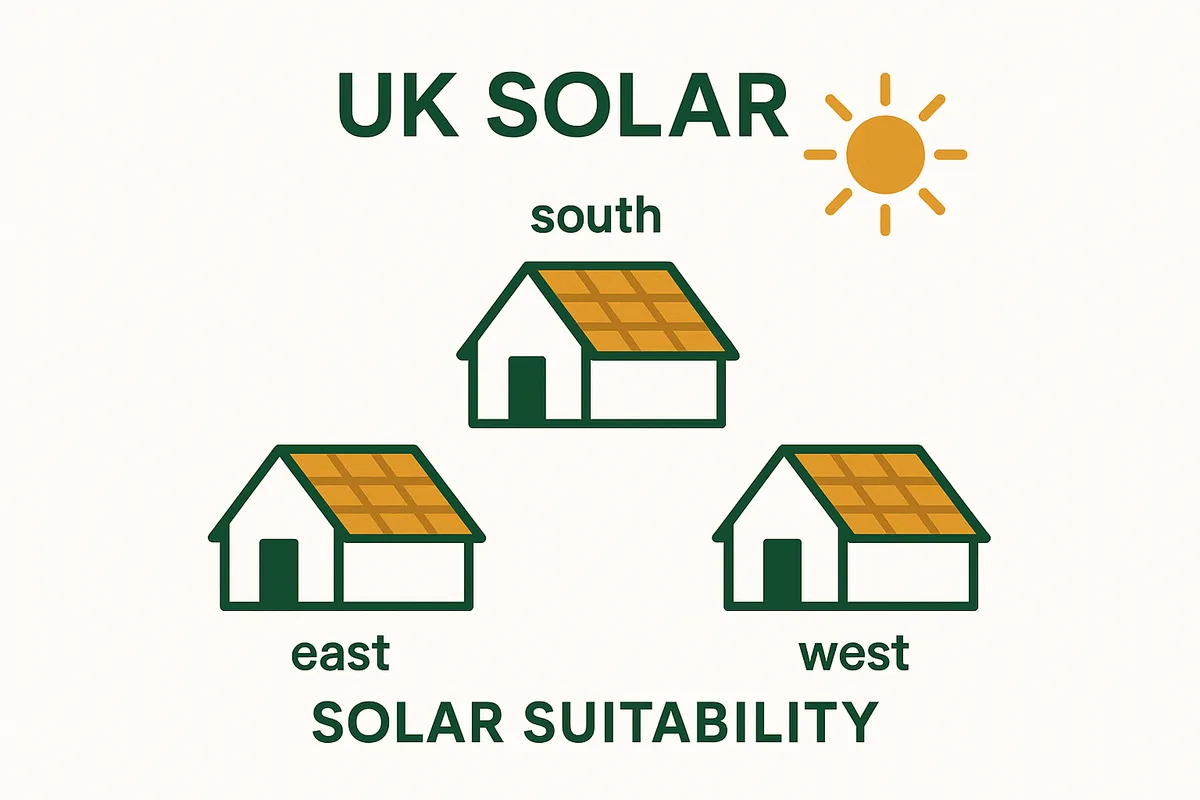
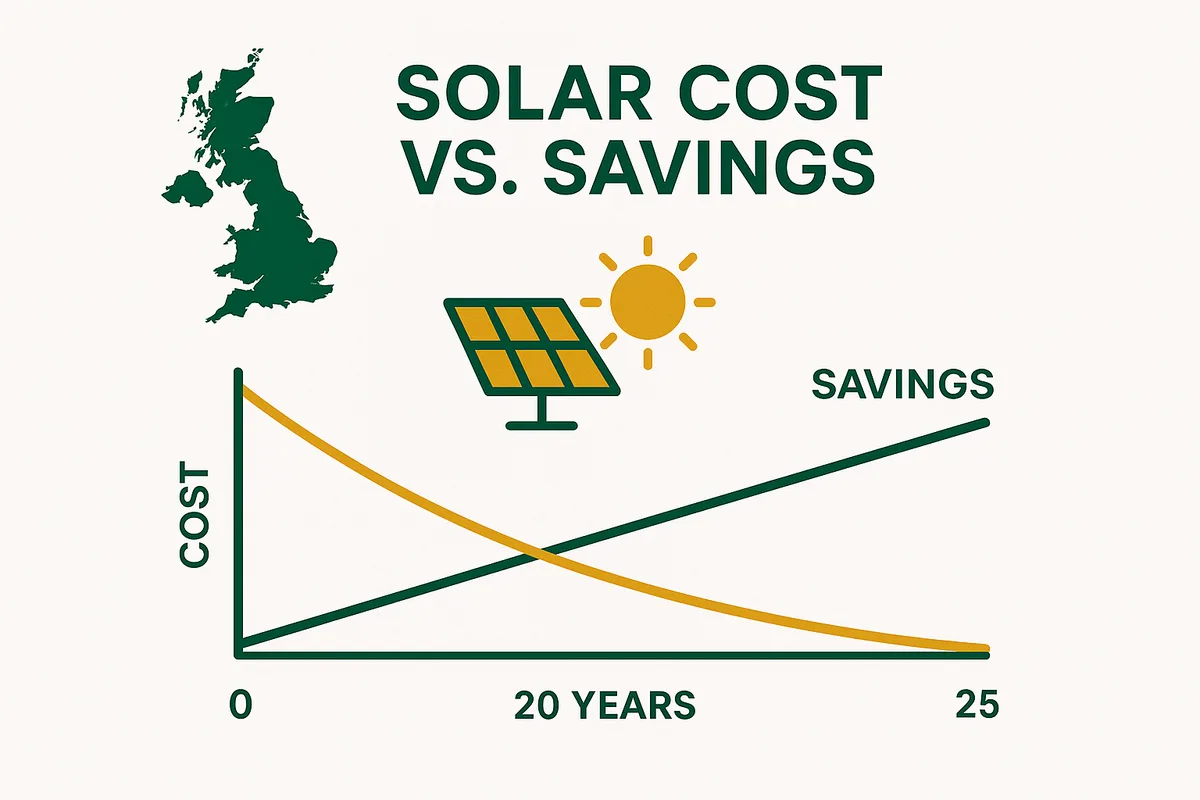
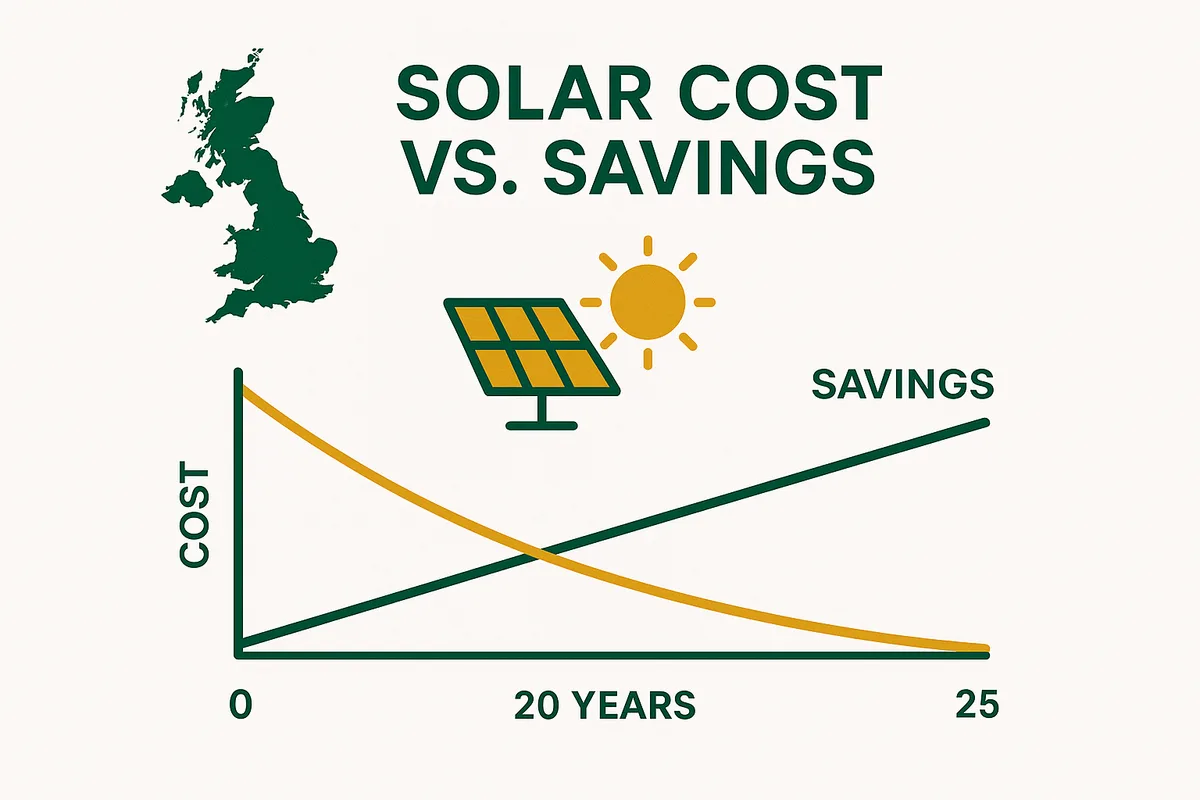
North-facing solar panels produce only 55–60% of south-facing output. For most UK homes, this weakens the financial case significantly — payback extends to 14–18 years and annual savings drop to £350–£500 instead of £700–£900. We generally do not recommend north-facing installations unless you have no alternative roof direction, very high electricity consumption, or other factors that improve the maths.
The Numbers: North vs South-Facing
4kW system comparison:
| Direction | Annual Gen | Annual Savings | Cost | Payback | 25yr Net |
|---|---|---|---|---|---|
| South | 4,000 kWh | £700–£900 | £6,750 | 8–10 yrs | £10,750–£15,750 |
| South-East | 3,800 kWh | £660–£850 | £6,750 | 8–11 yrs | £9,750–£14,500 |
| East/West | 3,300 kWh | £570–£740 | £6,750 | 9–12 yrs | £7,500–£11,750 |
| North | 2,300 kWh | £400–£520 | £6,750 | 13–17 yrs | £3,250–£6,250 |
The north-facing system still generates a positive return over 25 years — but the return is roughly 50–60% less than south-facing. The payback period pushes uncomfortably close to the inverter replacement point (10–15 years), meaning you may need to spend another £800–£1,500 before the original system has fully paid for itself.
Source: PVGIS UK orientation data; Ofgem price cap, July-September 2026.
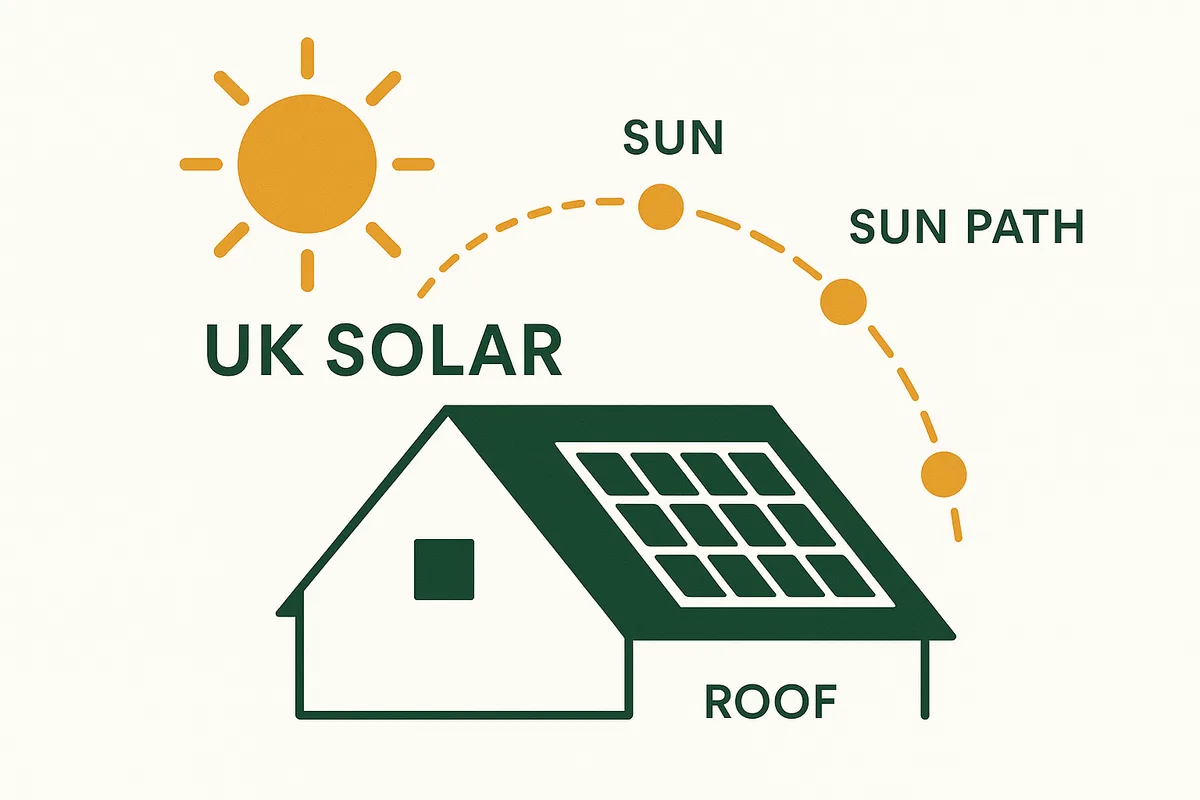
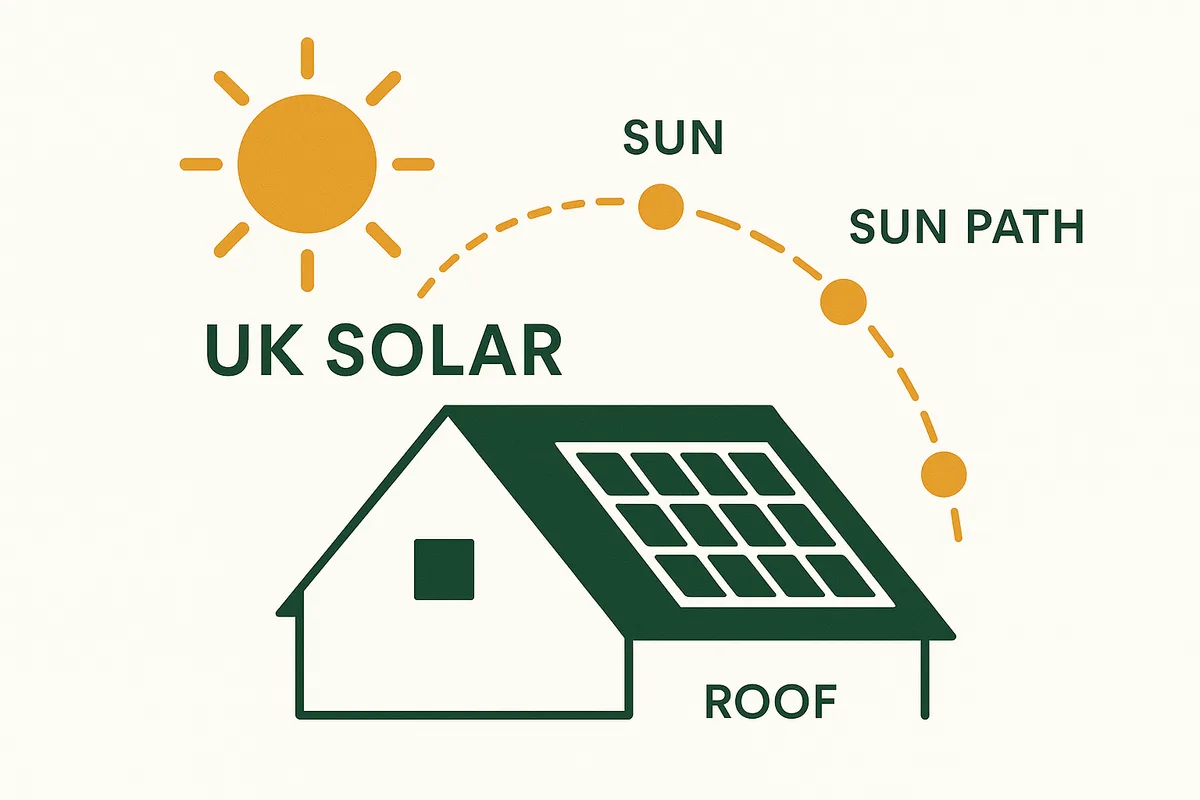
When North-Facing Solar Might Still Work
Exceptions where north-facing panels could make sense:
- Very high electricity consumption (6,000+ kWh/year) — even 55% output covers a meaningful portion of a large bill
- All other roof faces are unusable — shaded, too small, or have structural issues
- You have already installed panels on south/east/west and want to add more capacity
- You are installing a very large system (8–10kW) and using every available roof face
- Your roof pitch is very low (10–15 degrees) — shallow north-facing roofs lose less than steep ones because the panel angle is closer to flat (which is less directionally sensitive)
- Ground-mounted panels are not an option (no garden space, planning restrictions)
- Electricity prices rise significantly — every 5p/kWh increase adds £115/year to north-facing savings
Find the right system size for your roof
Panel count depends on your electricity use, roof space and direction — not on a rule of thumb. Get a recommended size and what it should cost.
Size My SystemBetter Alternatives If Your Roof Faces North
Before accepting north-facing panels, consider these alternatives:
1. Ground-mounted panels: If you have a garden, ground-mounted panels can be angled optimally toward the south. Cost premium: 10–15% more than roof-mounted, but you get 100% output.
2. Solar carport/garage: If you have a detached garage or carport with a different orientation, these may offer better panel positioning.
3. Invest in energy efficiency instead: The £6,750 you would spend on north-facing solar might deliver better returns if spent on: - Loft insulation (£300–£600, saves £100–£200/year on heating) - Cavity wall insulation (£500–£1,500, saves £200–£400/year) - Double glazing upgrade (£3,000–£7,000, saves £100–£200/year) - LED lighting throughout (£100–£300, saves £50–£100/year)
4. Wait for a better option: If you plan to move within 5–10 years, you may be better served by investing in a south-facing system at your next property.
Source: Energy Saving Trust; MCS installer guidance.
What About a North-East or North-West Roof?
North-east and north-west are slightly better than due north:
- North-east: 60–65% of south-facing output. Captures some morning sun.
- North-west: 60–65% of south-facing output. Captures some afternoon sun.
- Due north: 55–60% of south-facing output. Relies almost entirely on diffused light.
The difference between NE/NW and due north is small (about 5 percentage points). None of these directions are ideal, but NE/NW are marginally better.
Our honest recommendation: If your only option is a north, north-east, or north-west facing roof, the money is usually better spent on other energy efficiency improvements — unless you have very high electricity consumption or are committed to renewable energy regardless of payback period.
Source: PVGIS UK irradiance data by orientation.
Frequently Asked Questions
Related guides
Related: Home Heating Systems
Solar panels are most powerful when combined with an efficient heating system. Heat pumps use solar-generated electricity to heat your home at 300-400% efficiency — making them the ideal partner for solar.
Heat pumps use electricity at 300-400% efficiency, making them ideal partners for solar.
Heat pump installation typically takes 2-3 days and is best planned alongside solar.
From our sister site Home Heat Pump Guide
You might also like
Find the right system size for your roof
Panel count depends on your electricity use, roof space and direction — not on a rule of thumb. Get a recommended size and what it should cost.
Size My SystemFree calculator. No contact details required to see your result.