Solar Panels Scotland: Are They Worth It?
Find the right system size for your roof
Panel count depends on your electricity use, roof space and direction — not on a rule of thumb. Get a recommended size and what it should cost.
Size My SystemFree calculator. No contact details required to see your result.
Are solar panels worth it in Scotland?
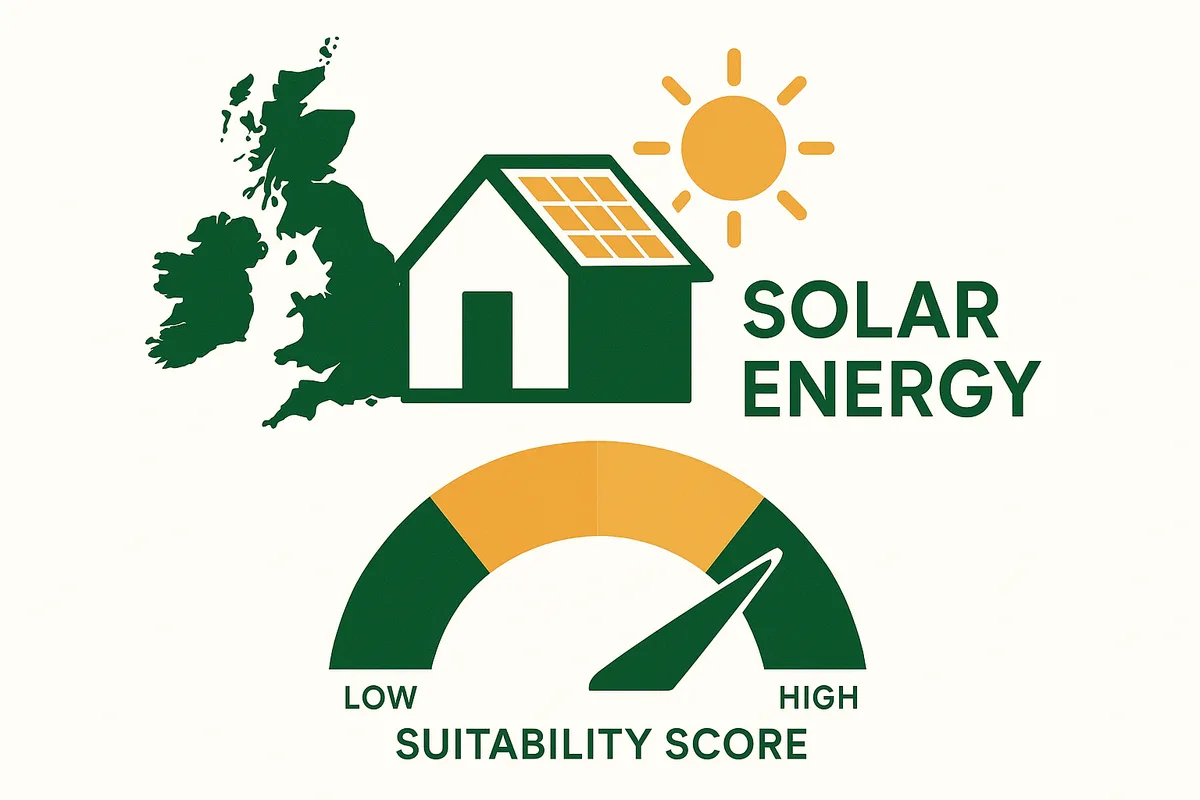
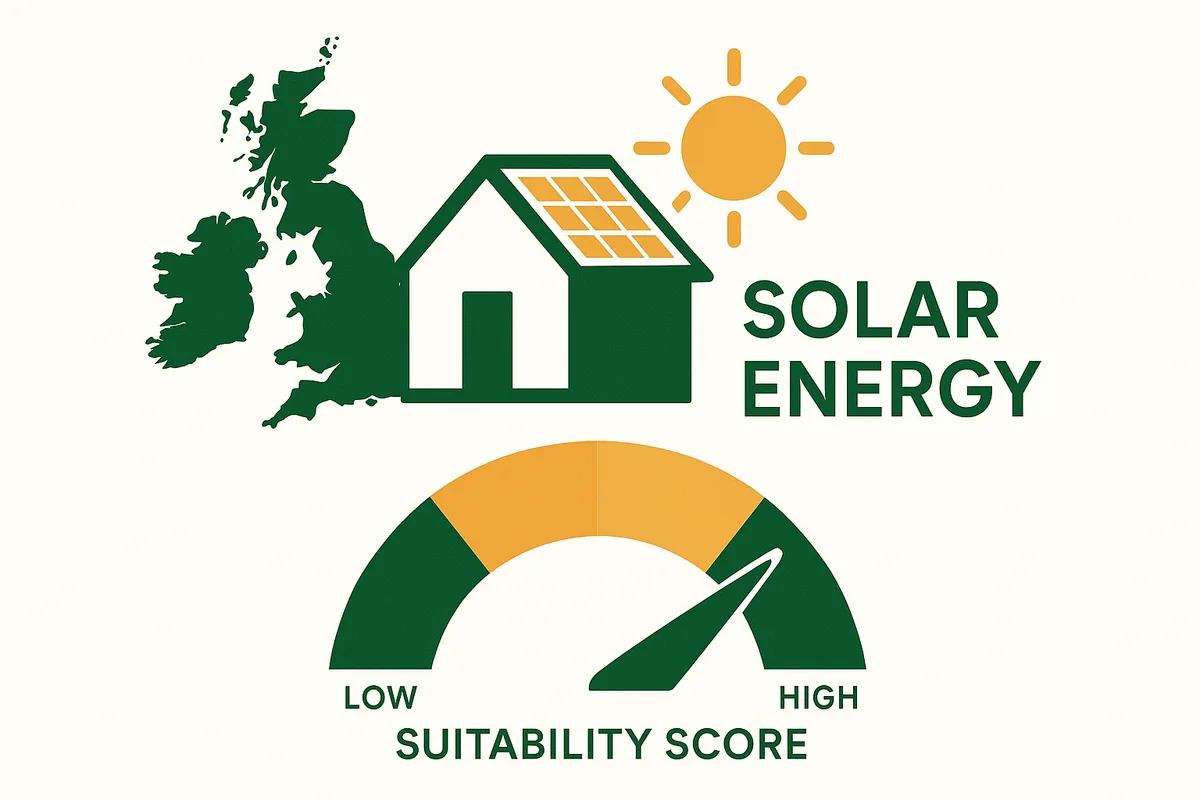
Yes, solar panels are worth it in Scotland. A 4kW system generates 3,200–3,700 kWh per year (vs 3,800–4,200 in southern England — a 10–15% difference). Cost: £5,500–£8,000 at 0% VAT. Annual savings: £550–£700. Payback: 10–14 years. Scotland also has additional support through Home Energy Scotland and the Scottish Government's interest-free loans. The longer summer daylight hours (up to 18 hours in June) partially compensate for lower winter output.
Scottish Solar Output: The Real Numbers
4kW system annual generation by Scottish location:
| Location | Sun Hours/yr | Yield (kWh/kWp) | 4kW Output | vs London |
|---|---|---|---|---|
| Edinburgh | 1,500 | 920 | 3,680 kWh | –8% |
| Glasgow | 1,400 | 880 | 3,520 kWh | –12% |
| Aberdeen | 1,450 | 900 | 3,600 kWh | –10% |
| Dundee | 1,480 | 910 | 3,640 kWh | –9% |
| Inverness | 1,350 | 850 | 3,400 kWh | –15% |
| Stirling | 1,420 | 890 | 3,560 kWh | –11% |
| London | 1,640 | 1,020 | 4,080 kWh | Baseline |
Key insight: The difference is 8–15%, not the 30–50% many people assume. Scotland gets significantly more summer daylight than England (18+ hours in June vs 16 in London), which partially compensates for lower winter output and slightly lower irradiance.
Source: PVGIS UK irradiance data; Met Office sunshine hour records.
Scottish Solar Costs and Savings
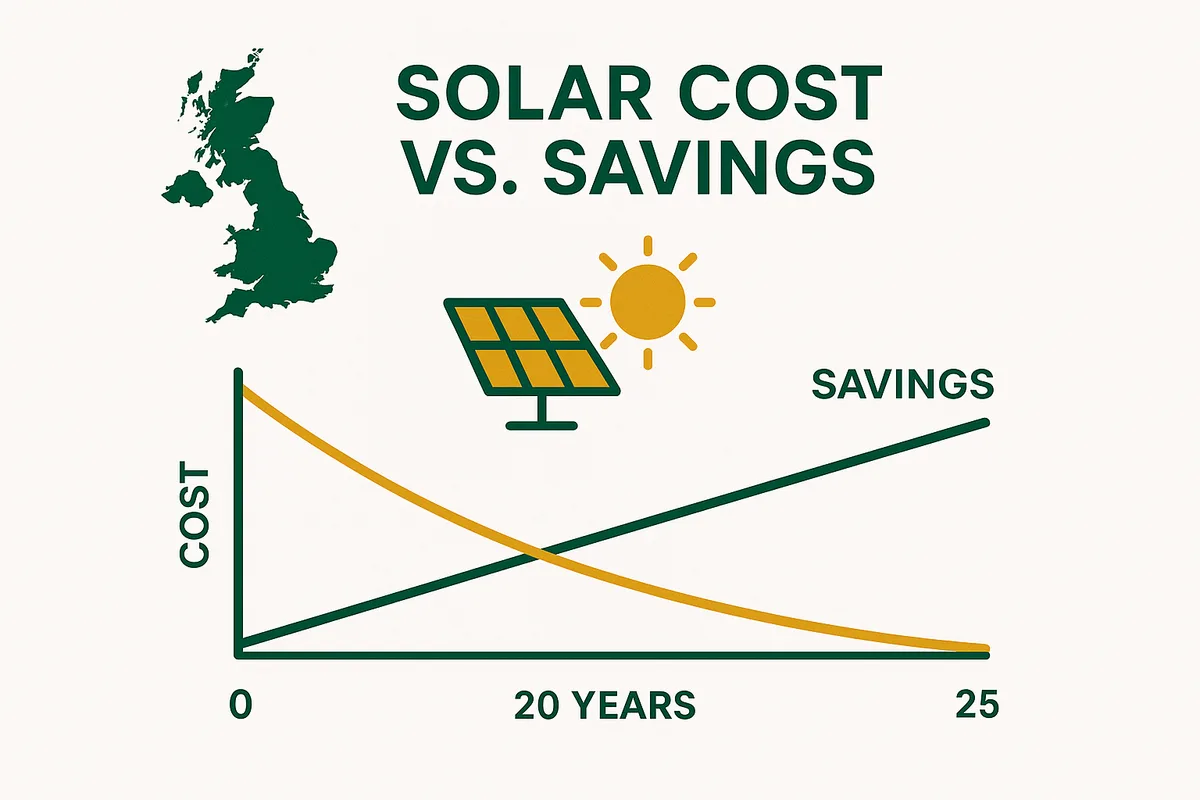
Financial comparison (4kW system):
| Metric | Scotland (Glasgow) | England (London) |
|---|---|---|
| Installation cost | £5,500–£8,000 | £5,500–£8,000 |
| Annual generation | 3,520 kWh | 4,080 kWh |
| Annual savings | £600 | £700 |
| Payback | 11–13 years | 9–11 years |
| 25-year net profit | £5,500–£8,000 | £7,500–£10,500 |
| ROI | 80–120% | 110–155% |
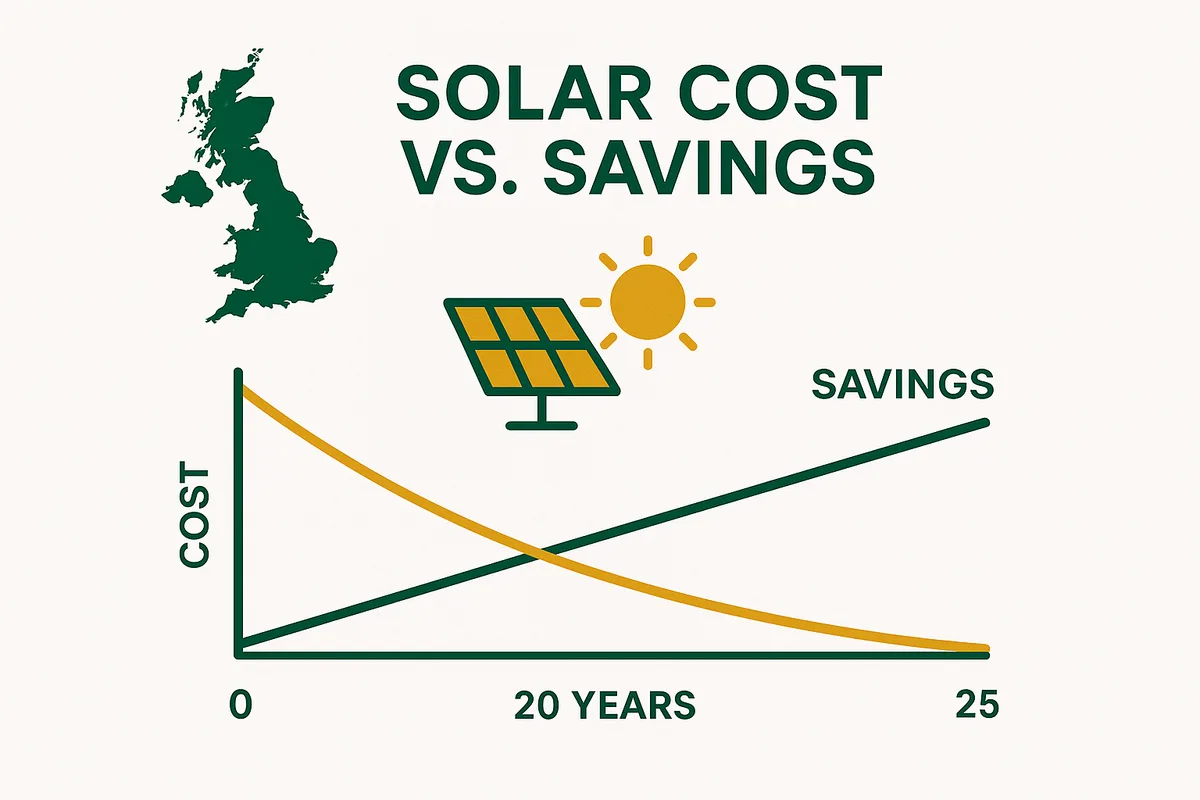
Scottish payback is 1–2 years longer than southern England. The absolute savings are lower, but the ROI is still strongly positive. Scotland is firmly in 'worth it' territory.
Scottish advantage: Installation costs are identical (national pricing). The only difference is output — which is only 10–15% lower.
Source: MCS installer pricing (national); PVGIS Scottish irradiance.
Scottish Solar Support and Grants
Find the right system size for your roof
Panel count depends on your electricity use, roof space and direction — not on a rule of thumb. Get a recommended size and what it should cost.
Size My SystemScotland has additional support that England and Wales do not:
Home Energy Scotland (HES) Loan: - Interest-free loan up to £7,500 for solar panels - Up to £6,000 for battery storage - Repayable over 10 years - No arrangement fee - Means-tested cashback grant of up to £7,500 also available for some households - Apply through homeenergyscotland.org
UK-wide support (also available in Scotland): - 0% VAT on solar installation (until March 2027) - Smart Export Guarantee (4–15p/kWh for surplus) - BUS grant (£7,500 for heat pump — combine with solar)
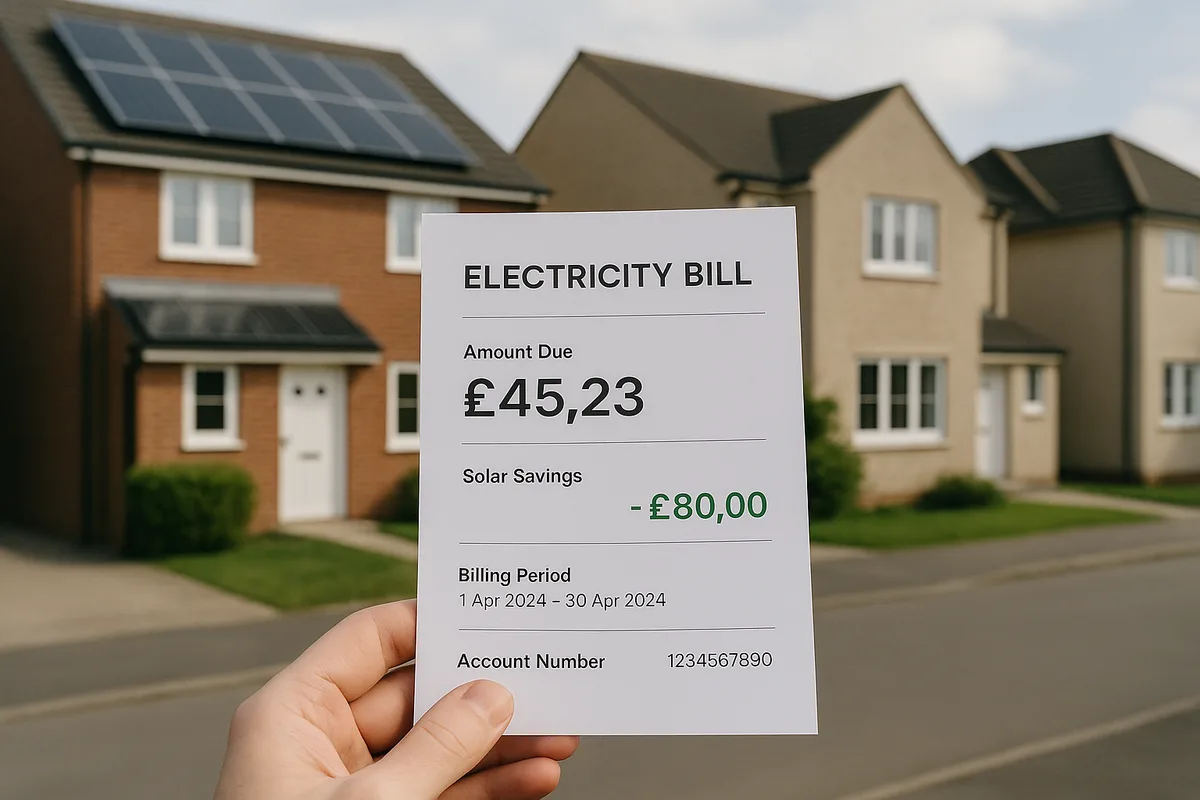
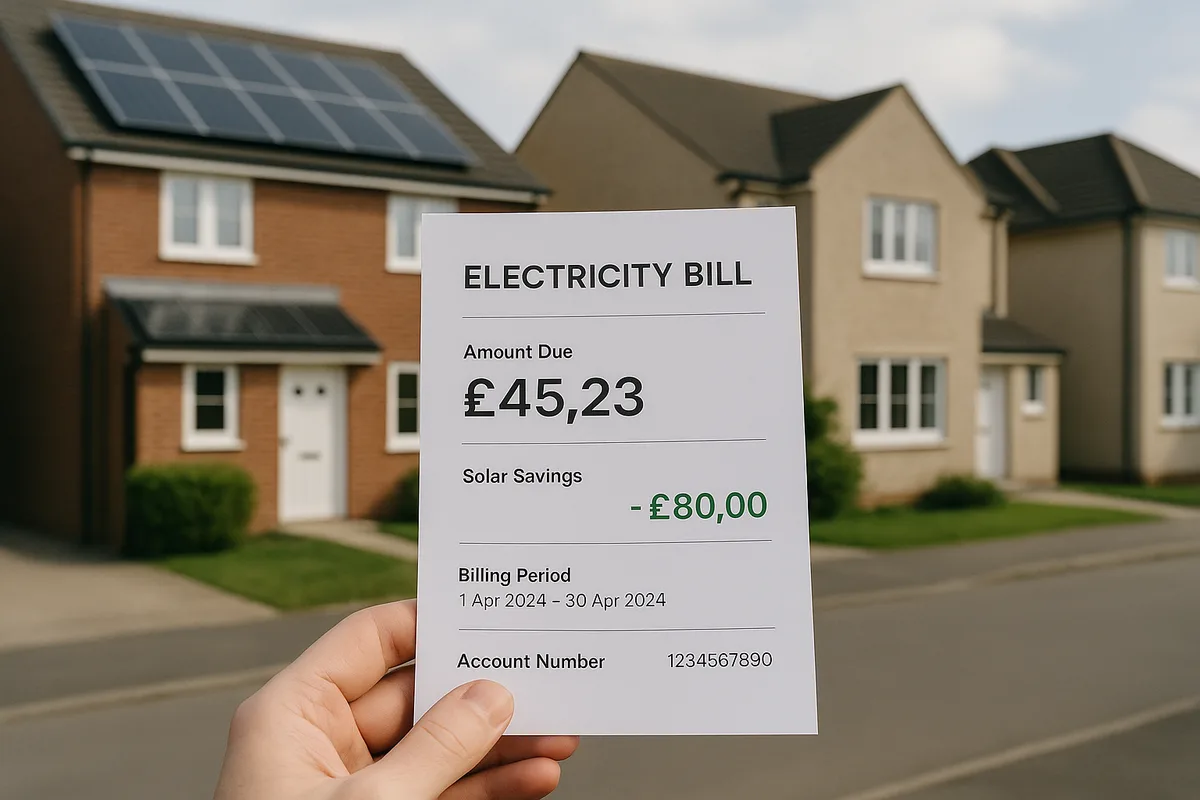
The Scottish advantage: The interest-free loan means Scottish homeowners can install solar with zero upfront cost and pay back from electricity savings. Monthly loan payment: ~£56–£67/month. Monthly electricity savings: £46–£58/month. Near cash-flow neutral from day one.
Source: Home Energy Scotland; Scottish Government energy efficiency programme.
Scotland's Summer Advantage
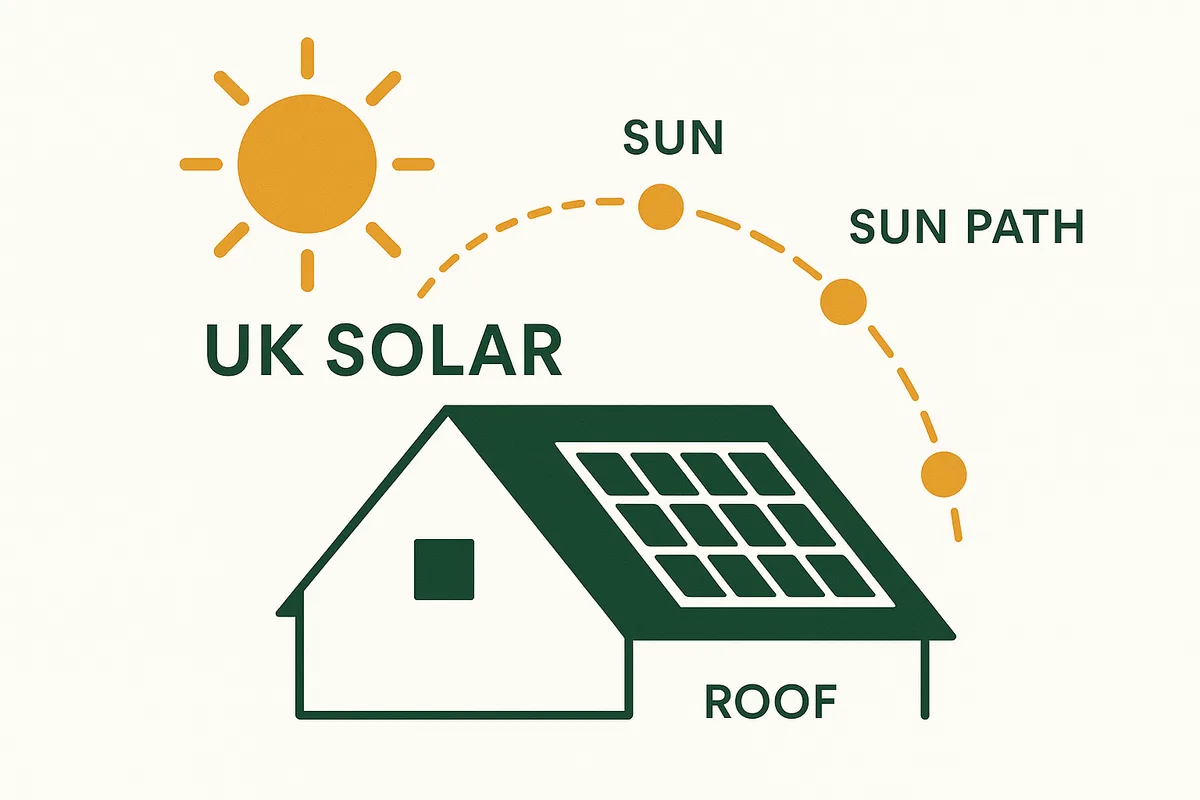
Scotland's latitude (55–59°N) means dramatically longer summer days:
Daylight hours comparison (Edinburgh vs London):
| Date | Edinburgh | London | Difference |
|---|---|---|---|
| 21 June (summer solstice) | 17h 36min | 16h 38min | +58 min |
| 21 March (equinox) | 12h 14min | 12h 10min | +4 min |
| 21 December (winter solstice) | 6h 57min | 7h 50min | –53 min |
What this means for solar: - Scottish panels generate for nearly an hour longer per day in summer - This partially compensates for lower irradiance intensity - Summer months (April–September) contribute 75% of annual Scottish solar output - The 'golden hours' of 5–8am and 5–8pm are productive in Scottish summer
But winter is harder: - December daylight in Edinburgh: under 7 hours (vs ~8 hours in London) - Winter output: 70–100 kWh/month (vs 100–130 in London) - A battery is particularly valuable for Scottish winter evenings
Source: TimeandDate.com daylight data; PVGIS seasonal output.
Scottish Planning and Building Standards
Scotland has its own planning and building regulations:
Planning: - Permitted development rules are similar to England — most residential solar does not need planning permission - Conservation area restrictions apply (panels on highway-facing slopes may need permission) - Listed building consent required for listed properties (Historic Environment Scotland) - National Parks (Cairngorms, Loch Lomond & Trossachs) may have additional restrictions
Building Standards: - Scotland uses Scottish Building Standards (not Part P) - MCS-certified installers in Scotland comply with these standards - The MCS certification process is the same UK-wide
Energy Performance Certificates: - Scotland uses the same EPC system as England and Wales - Solar improves your EPC by 1–2 bands - Minimum EPC E is required for rental properties (same as England)
Source: Scottish Government planning guidance; Scottish Building Standards.
Frequently Asked Questions
Related guides
Related: Home Heating Systems
Solar panels are most powerful when combined with an efficient heating system. Heat pumps use solar-generated electricity to heat your home at 300-400% efficiency — making them the ideal partner for solar.
Heat pumps use electricity at 300-400% efficiency, making them ideal partners for solar.
From our sister site Home Heat Pump Guide
You might also like
Find the right system size for your roof
Panel count depends on your electricity use, roof space and direction — not on a rule of thumb. Get a recommended size and what it should cost.
Size My SystemFree calculator. No contact details required to see your result.