Solar Panels on a West-Facing Roof: Worth It?
Find the right system size for your roof
Panel count depends on your electricity use, roof space and direction — not on a rule of thumb. Get a recommended size and what it should cost.
Size My SystemFree calculator. No contact details required to see your result.
Are solar panels worth it on a west-facing roof?
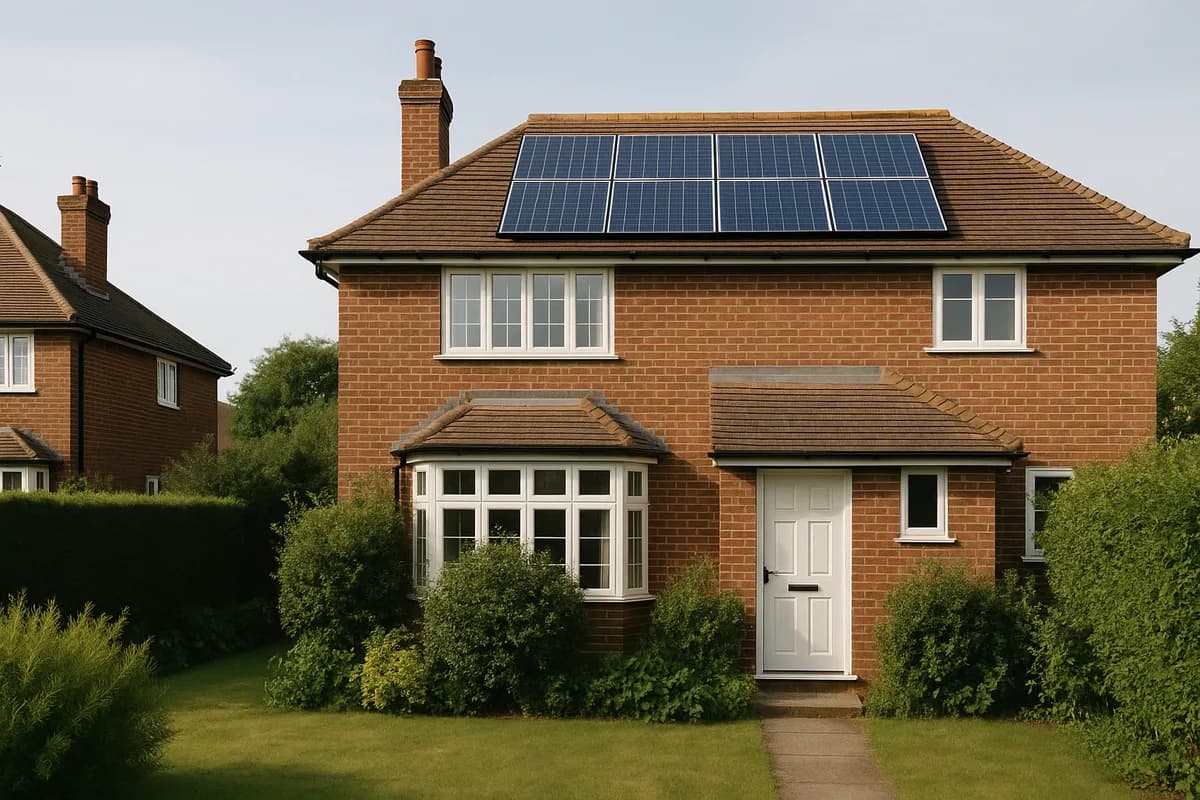
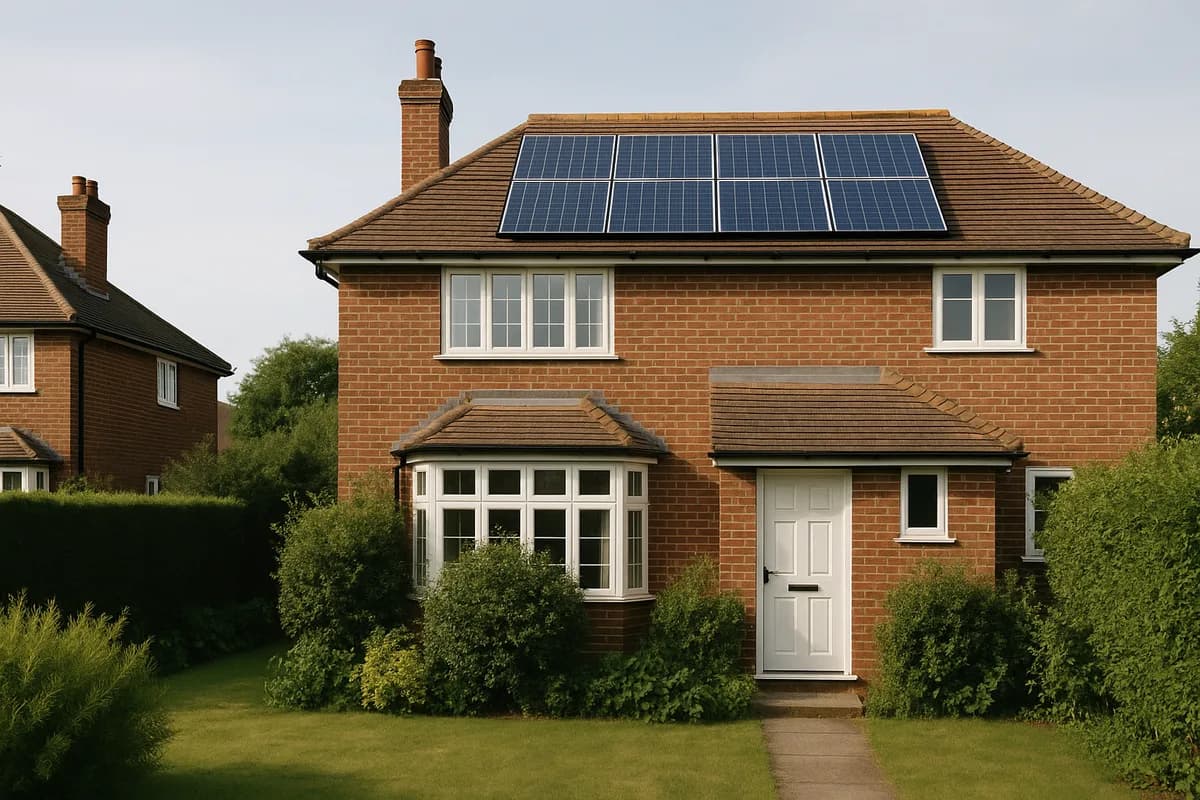
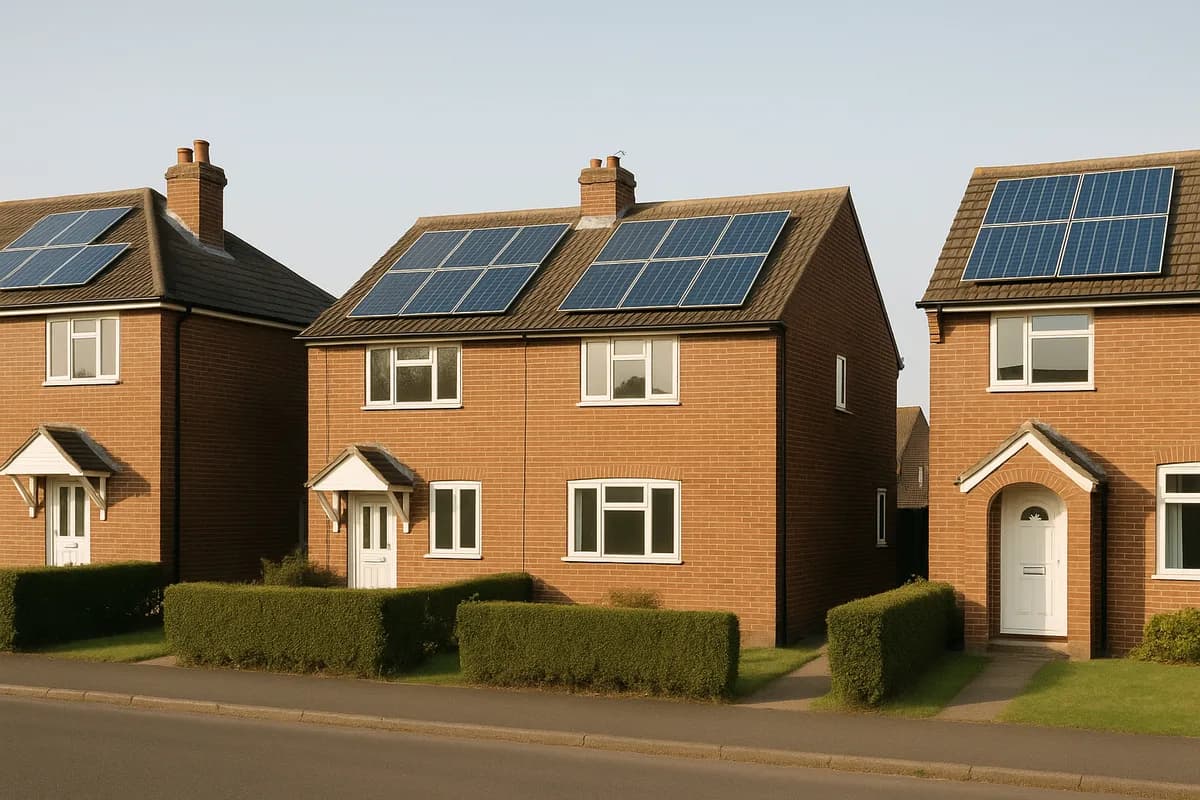
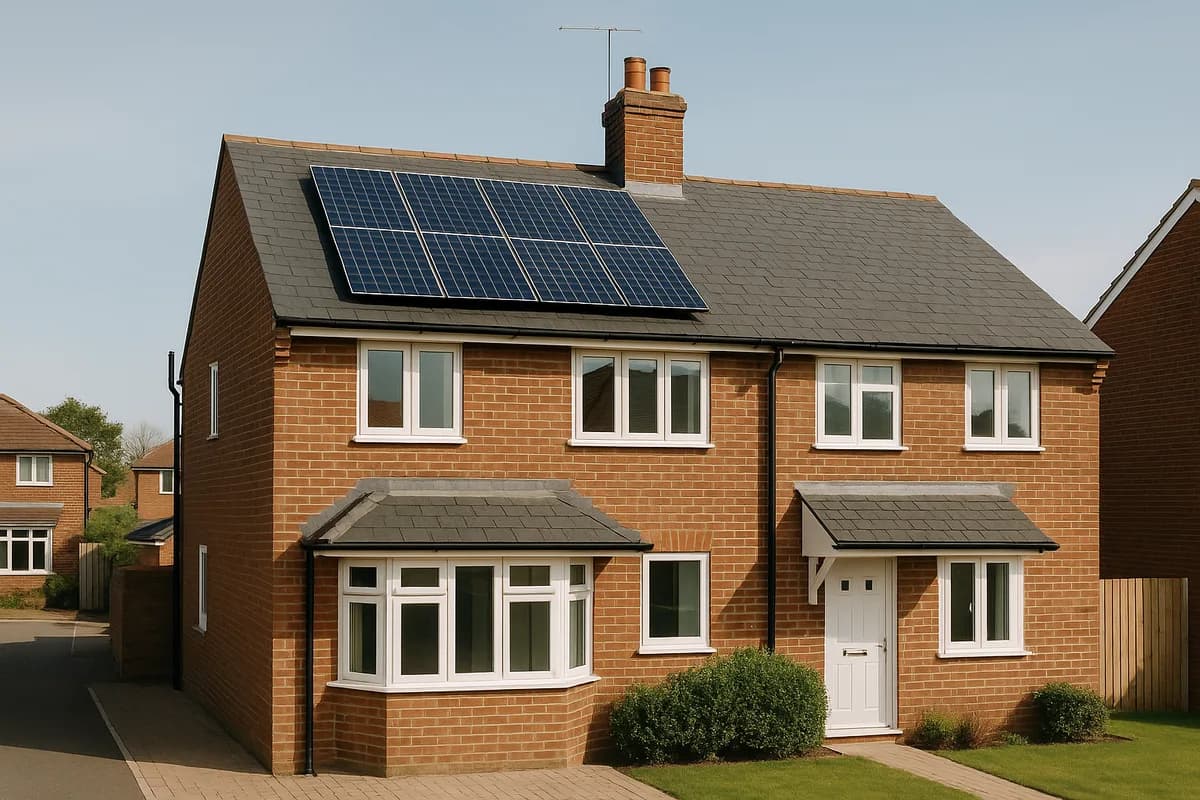
Yes, solar panels on a west-facing roof are worth it. They produce 80–85% of south-facing output — a 4kW system generates approximately 3,200–3,400 kWh per year instead of 4,000 kWh. Annual savings: £550–£700 instead of £700–£900. The afternoon generation peak aligns well with early evening consumption, which can be an advantage for households that use most electricity in the late afternoon and evening.
West-Facing Output: The Numbers
4kW system comparison by direction:
| Direction | Annual Output | % of South | Annual Savings | Payback |
|---|---|---|---|---|
| South | 4,000 kWh | 100% | £700–£900 | 8–10 yrs |
| South-West | 3,800 kWh | 95% | £660–£850 | 8–11 yrs |
| West | 3,300 kWh | 82% | £570–£740 | 9–12 yrs |
| North-West | 2,500 kWh | 63% | £430–£560 | 12–16 yrs |
West-facing panels produce almost identical annual output to east-facing (both 80–85%). The only difference is timing: east panels peak in the morning, west panels peak in the afternoon.
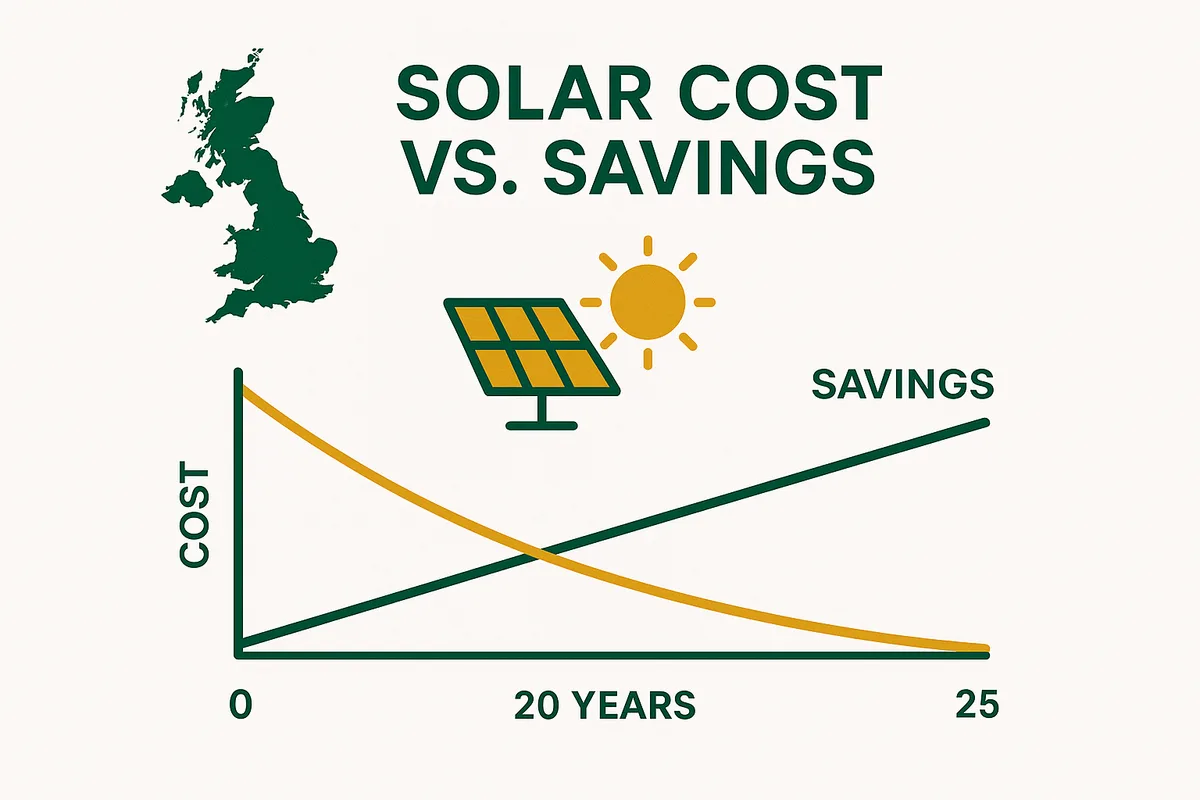
Financial return: The 18% reduction in output adds approximately 1–2 years to the payback period. Over 25 years, west-facing panels still deliver £5,000–£10,000 in net savings.
Source: PVGIS UK orientation data; Ofgem price cap July-September 2026.
The Afternoon Advantage
West-facing panels have a hidden benefit: their peak generation (1pm–5pm) aligns with rising afternoon and early evening electricity demand.
Why this matters: - Many households increase electricity use from 4pm onwards (cooking, home from work/school, heating, lighting) - Electricity tariff peak rates are often 4pm–7pm - West-facing panels generate the most during this transition period - Without a battery, this timing alignment increases self-consumption
For households with these patterns: - Stay-at-home parents with afternoon school runs and evening cooking - Shift workers home in the afternoon - Anyone on a time-of-use tariff where afternoon rates are highest
South-facing panels peak at midday when many households have lower consumption. West-facing panels shift this peak later — sometimes closer to when you actually need the electricity.
Source: Energy Saving Trust UK household consumption patterns.
Find the right system size for your roof
Panel count depends on your electricity use, roof space and direction — not on a rule of thumb. Get a recommended size and what it should cost.
Size My System
East-West Split: Best of Both Worlds
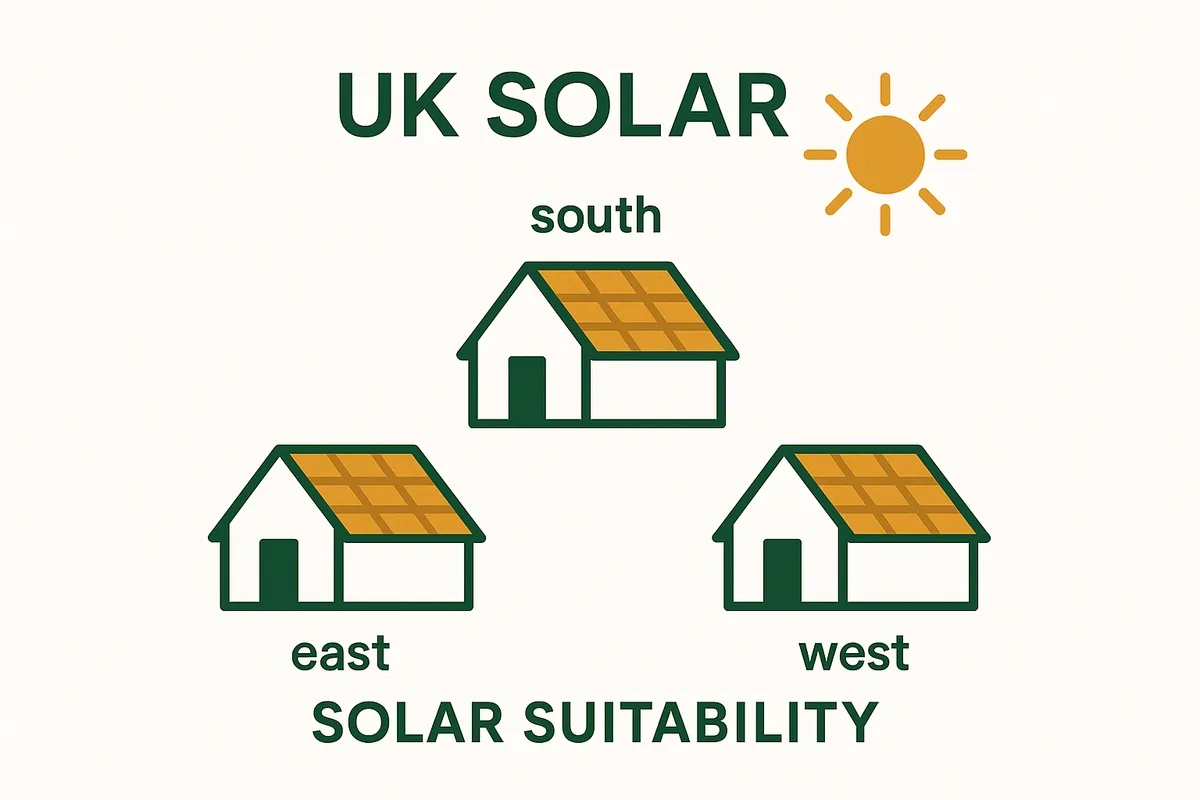
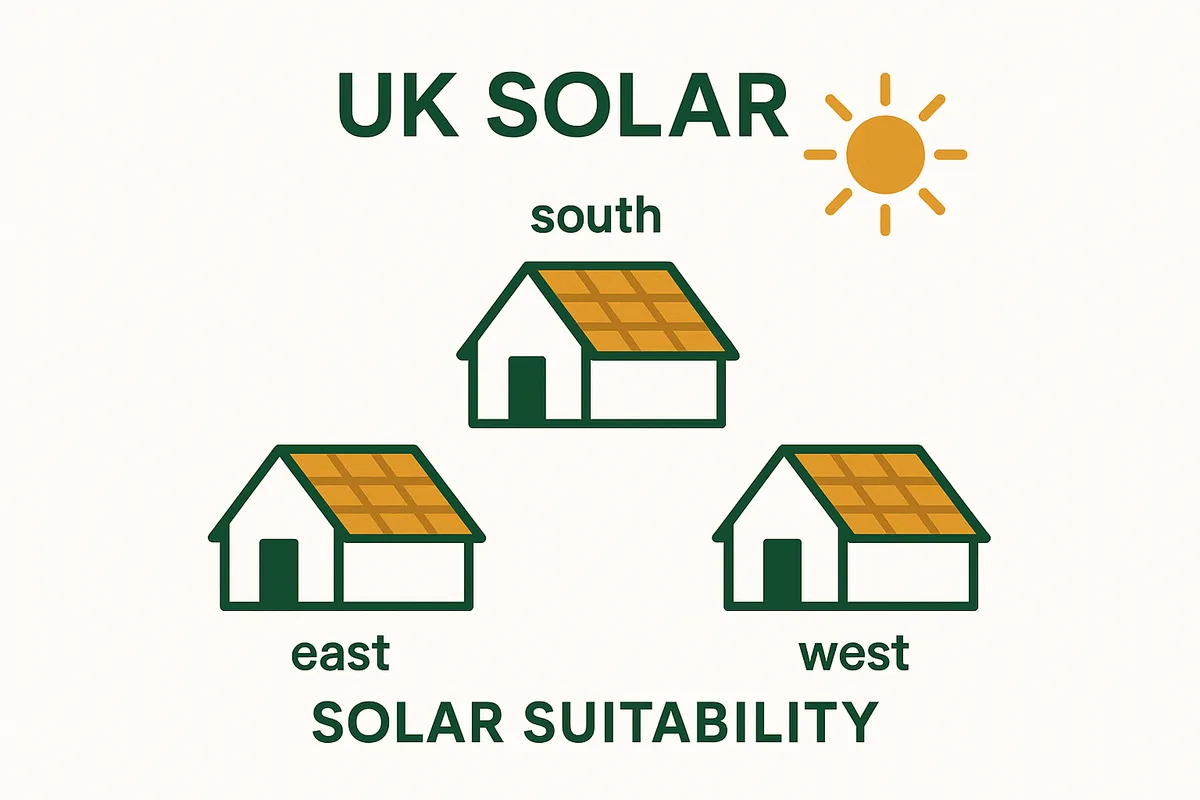
If you have both east and west roof slopes, installing on both creates an extended generation window:
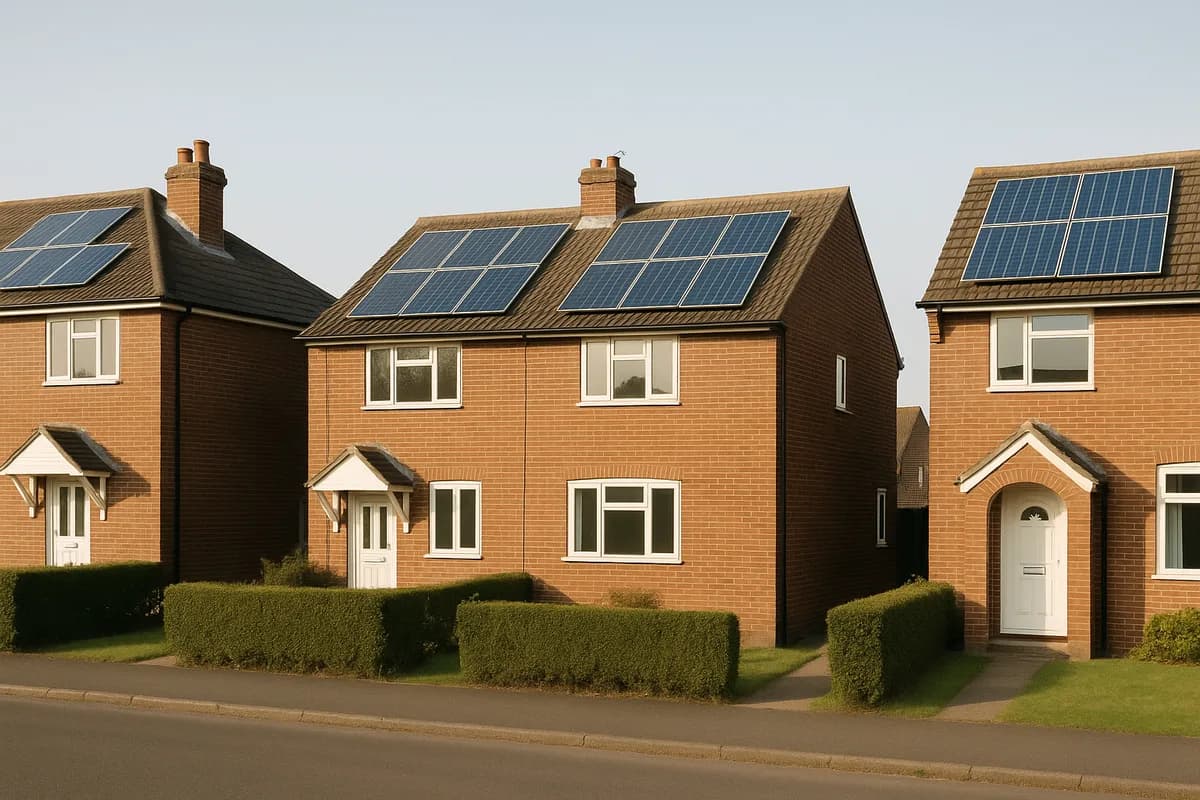
East-west split (6 panels each side = 12 total): - Morning (east panels): strong generation 7am–12pm - Afternoon (west panels): strong generation 12pm–6pm - Combined: generation across 11+ hours (vs 6–7 hours for south-only) - Total output: approximately 85% per panel, but more panels = potentially more total kWh
Example: - 10 panels south-facing: 4,000 kWh/year - 12 panels east-west split: 4,300 kWh/year (85% × more panels) - The east-west split wins if you can fit more panels total
Use micro-inverters for east-west splits — they allow each panel to operate independently, so morning shade on west panels does not affect east panels.
Source: MCS east-west system design data.
Should You Install on West-Facing or Wait?
Install now. The same logic applies as east-facing: waiting costs more than the reduced output.
Install today (west-facing): - Year 1 savings: £650 - 25-year savings: £16,250 - Minus cost: £6,750 - Net profit: £9,500
Wait 5 years for a south-facing home: - 5 years of zero savings: £0 - Year 6–25 savings: £14,000 (south) - Minus cost: £8,000 (future price) - Net profit: £6,000
Installing now on a west-facing roof delivers £3,500 MORE over 25 years than waiting 5 years for south-facing. Time in the sun beats perfect orientation.
Source: Calculation using Ofgem price cap July-September 2026 rates, 3% annual price inflation.
Frequently Asked Questions
Related guides
Related: Home Heating Systems
Solar panels are most powerful when combined with an efficient heating system. Heat pumps use solar-generated electricity to heat your home at 300-400% efficiency — making them the ideal partner for solar.
Heat pumps use electricity at 300-400% efficiency, making them ideal partners for solar.
From our sister site Home Heat Pump Guide
You might also like
Find the right system size for your roof
Panel count depends on your electricity use, roof space and direction — not on a rule of thumb. Get a recommended size and what it should cost.
Size My SystemFree calculator. No contact details required to see your result.