String Inverter vs Micro Inverter: Which Is Better?
Ready to see what solar could save you?
Get free, no-obligation quotes from MCS-certified installers in your area.
Get Free QuotesFree, no obligation. Takes 2 minutes.
Which is better: string inverter or micro-inverter?
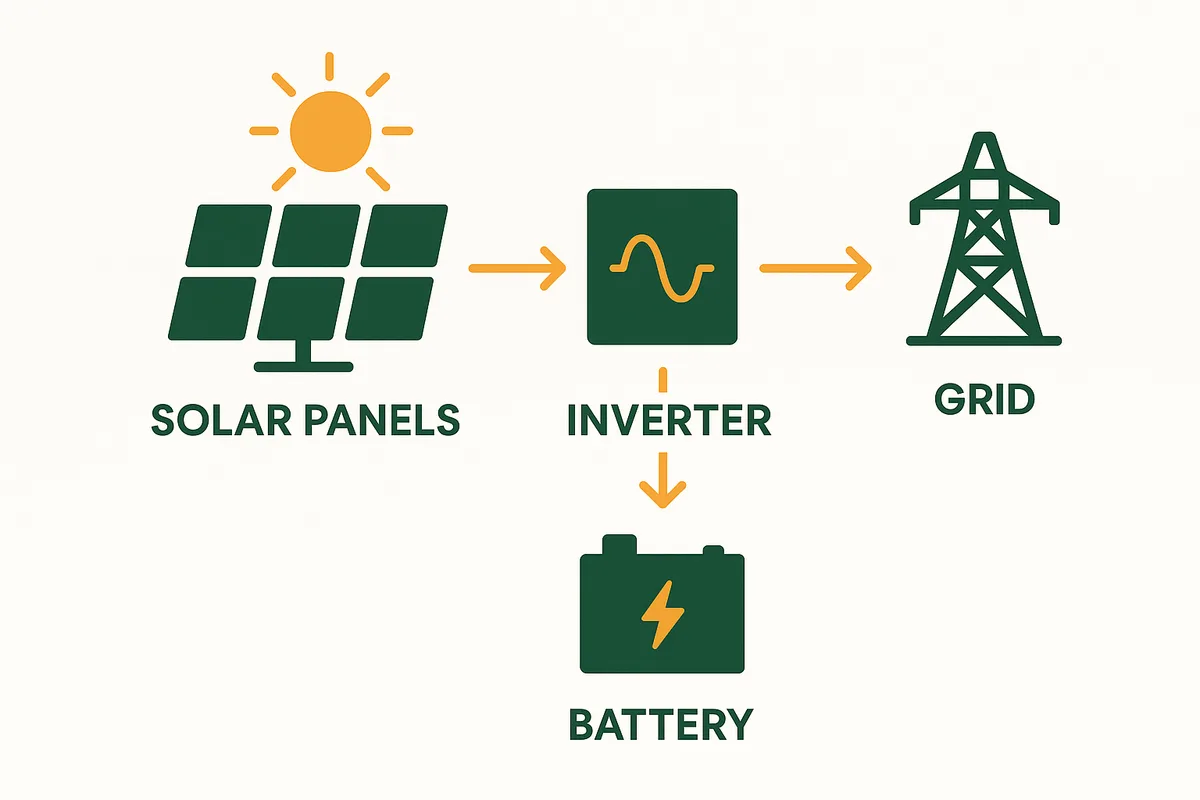
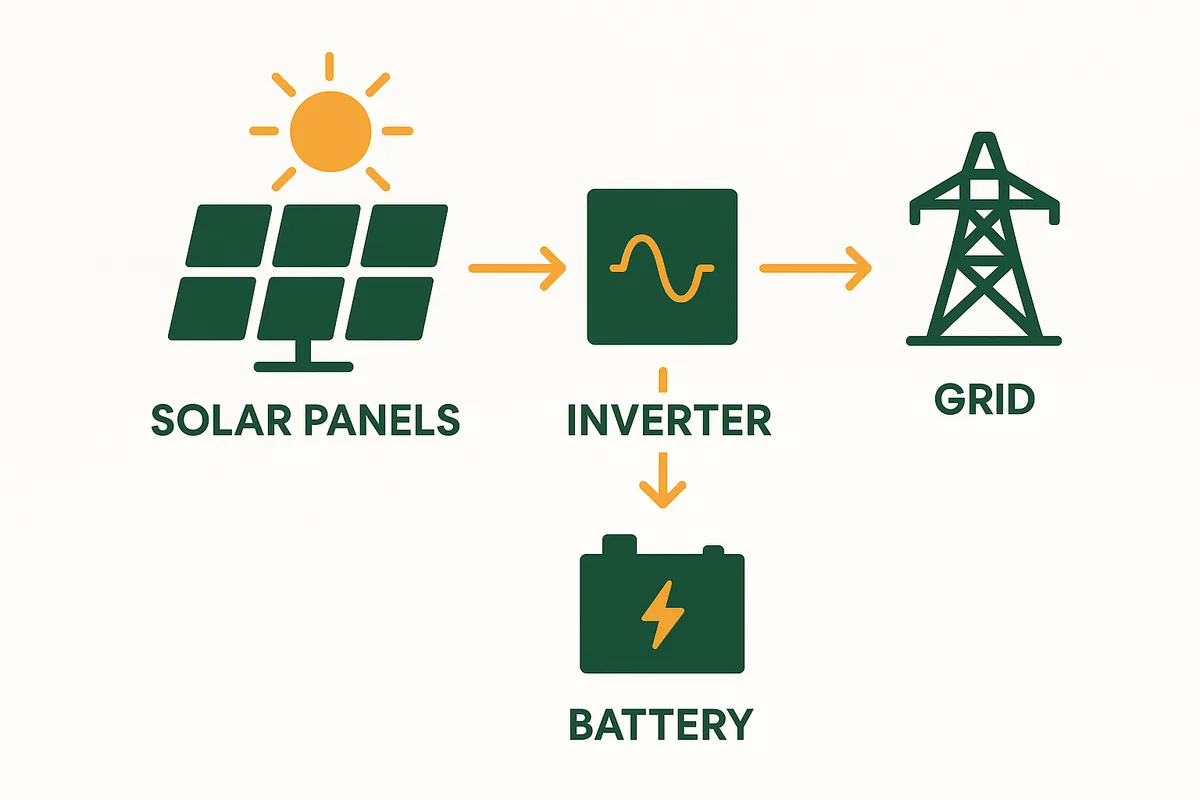
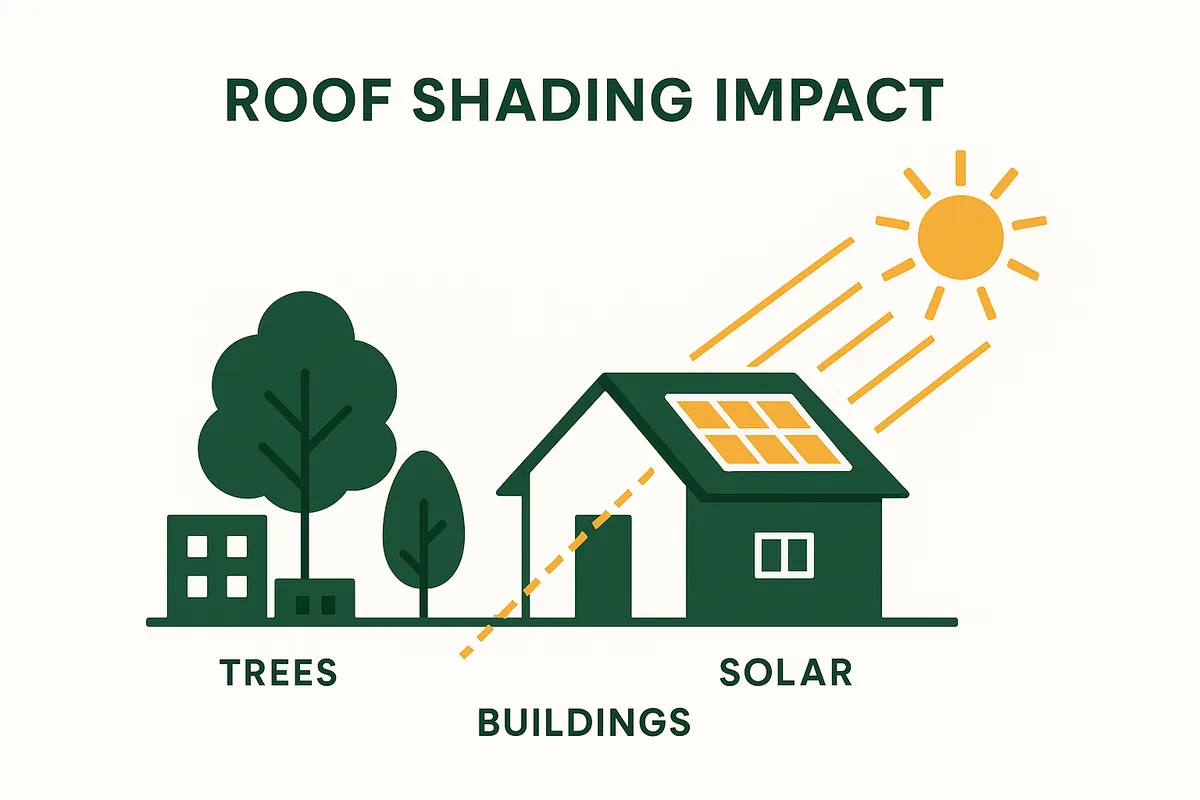
String inverters (£500–£1,000) connect all panels in series to one central unit — cheapest and simplest, but one shaded panel reduces the entire string's output. Micro-inverters (£1,000–£2,800) attach to each panel individually — more expensive but each panel operates independently, ideal for partial shading. For unshaded, single-direction roofs: string inverter. For shaded or multi-direction roofs: micro-inverters. A third option — string inverter + optimisers (£800–£1,500) — offers a middle ground.
Full Comparison
| Feature | String Inverter | Micro-Inverters | String + Optimisers |
|---|---|---|---|
| Cost (10 panels) | £500–£1,000 | £1,000–£2,800 | £800–£1,500 |
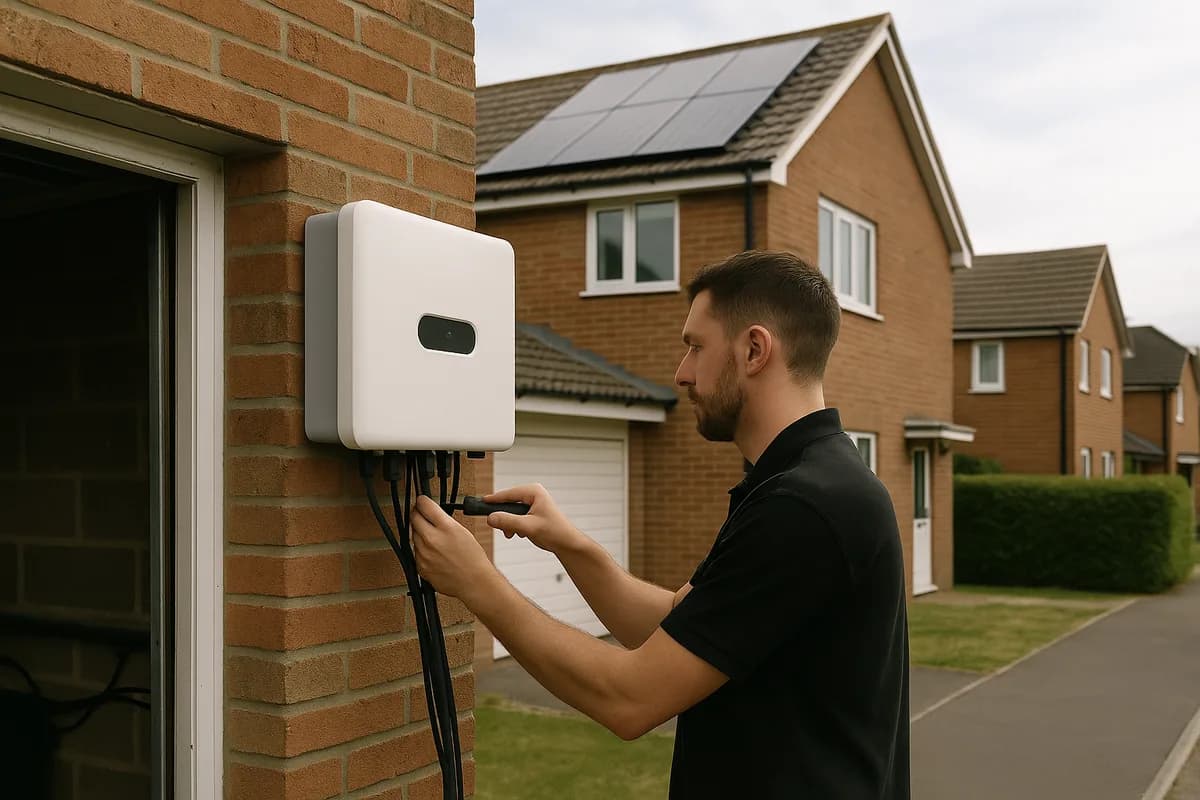
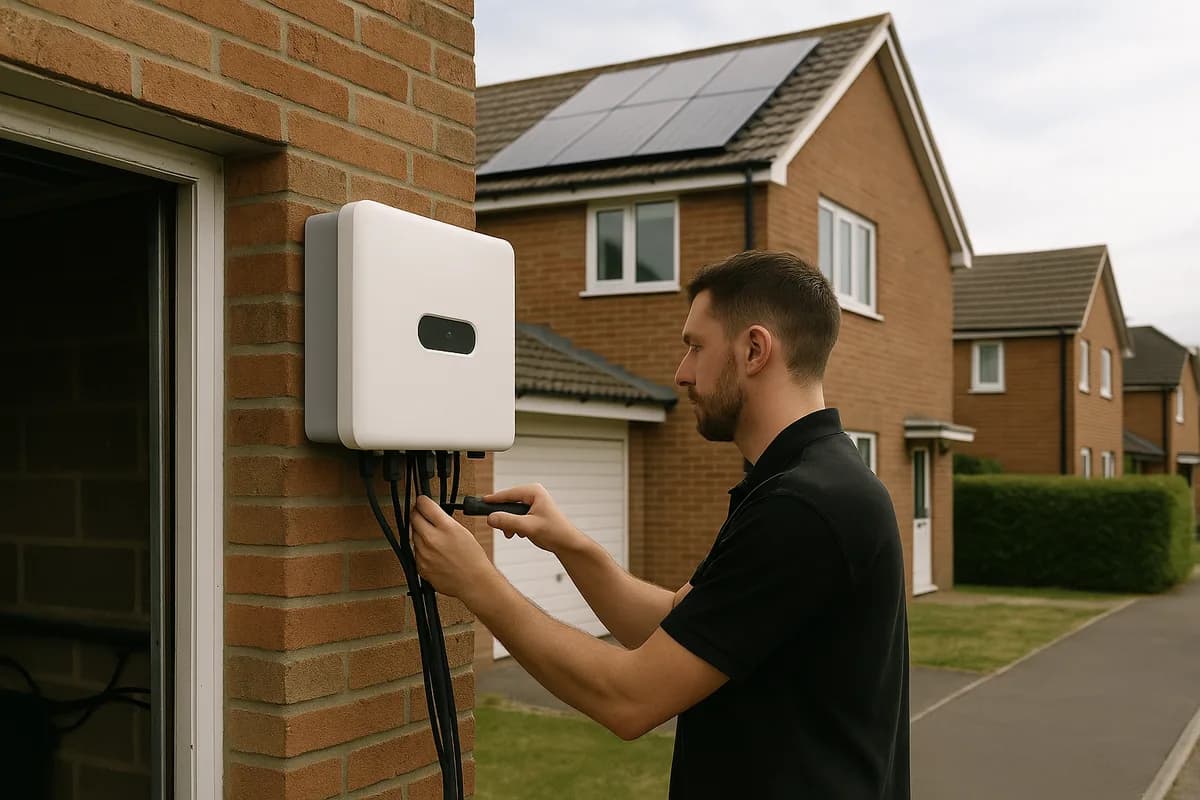
| Location | Wall-mounted (garage/utility) | On back of each panel (roof) | String inverter on wall + optimisers on roof |
| Shading handling | Poor (weakest panel limits all) | Excellent (each independent) | Good (each optimised but still one inverter) |
| Monitoring | System-level only | Panel-level | Panel-level |
| Lifespan | 10–15 years | 20–25 years | 10–15 years (inverter) + 25 years (optimisers) |
| Warranty | 5–10 years | 25 years | 5–10 years (inverter) + 25 years (optimisers) |
| Maintenance | One unit to replace | Multiple units on roof | One inverter to replace |
| Efficiency | 96–98% | 96–98% | 97–99% (MPPT per panel) |
| Best for | Unshaded, single direction | Shaded, complex roofs | Moderate shading |
| Market leader | GivEnergy, Solis | Enphase | SolarEdge |
Source: Inverter manufacturer specifications; installer recommendations.
When to Choose a String Inverter
- Your roof is UNSHADED — no chimneys, trees, or buildings casting shadows on your panels
- All panels face the SAME DIRECTION — single south, east, or west slope
- Budget is a priority — string inverters cost 50–65% less than micro-inverters
- You want battery readiness — GivEnergy hybrid inverters are string-based and include battery management
- System is simple — standard 10-panel south-facing roof is textbook string inverter territory
- You accept one-unit maintenance — the single inverter will need replacing at 10–15 years (£800–£1,500)
When to Choose Micro-Inverters
Ready to see what solar could save you?
Get free, no-obligation quotes from MCS-certified installers in your area.
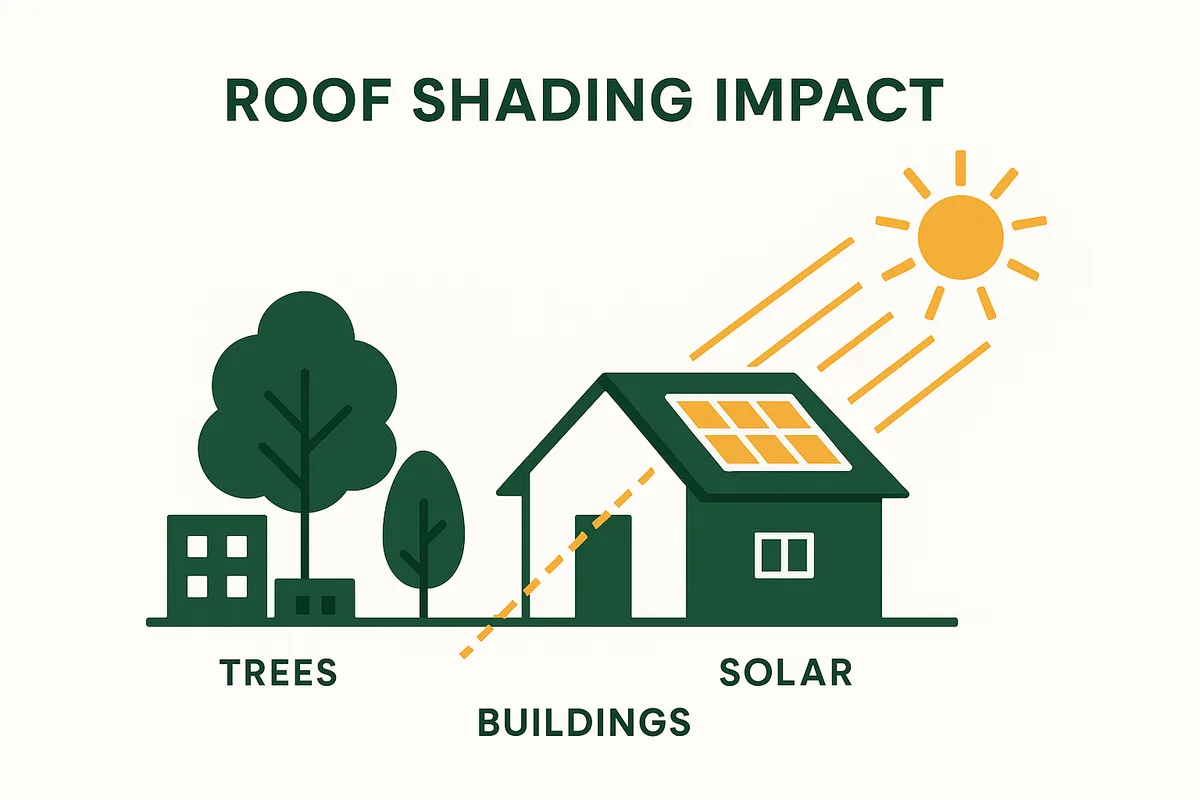
Get Free Quotes- Your roof has PARTIAL SHADING — chimney shadow, tree shade, neighbouring building shade
- Panels face MULTIPLE DIRECTIONS — east-west split, or panels on two different roof slopes
- You want PANEL-LEVEL MONITORING — see exactly what each panel produces (diagnose issues easily)
- You value LONGEVITY — micro-inverters last 20–25 years vs 10–15 for string (fewer replacements)
- You want 25-YEAR WARRANTY — Enphase micro-inverters come with 25-year warranties as standard
- Future expansion is likely — adding individual panels is easier with micro-inverters (no string matching required)
- You want MAXIMUM SAFETY — micro-inverters reduce DC voltage to safe levels at the panel (no high-voltage DC on the roof)
The Middle Ground: String + Optimisers (SolarEdge)
SolarEdge offers a popular middle ground: - One string inverter (wall-mounted) - Individual optimisers on each panel (£30–£50 per panel) - Each panel is individually optimised for maximum output - Panel-level monitoring included - SafeDC feature reduces voltage when system shuts down (firefighter safety)
Cost: £800–£1,500 total (between pure string and micro-inverters) Best for: Moderate shading where micro-inverters feel like overkill but standard string is not enough
SolarEdge vs Enphase: - SolarEdge: one central inverter + optimisers. Cheaper. But the central inverter still has a 10–15 year lifespan. - Enphase: no central inverter. More expensive. But nothing to replace at 10–15 years.
Source: SolarEdge and Enphase product comparison.
Financial Impact of Choosing Wrong
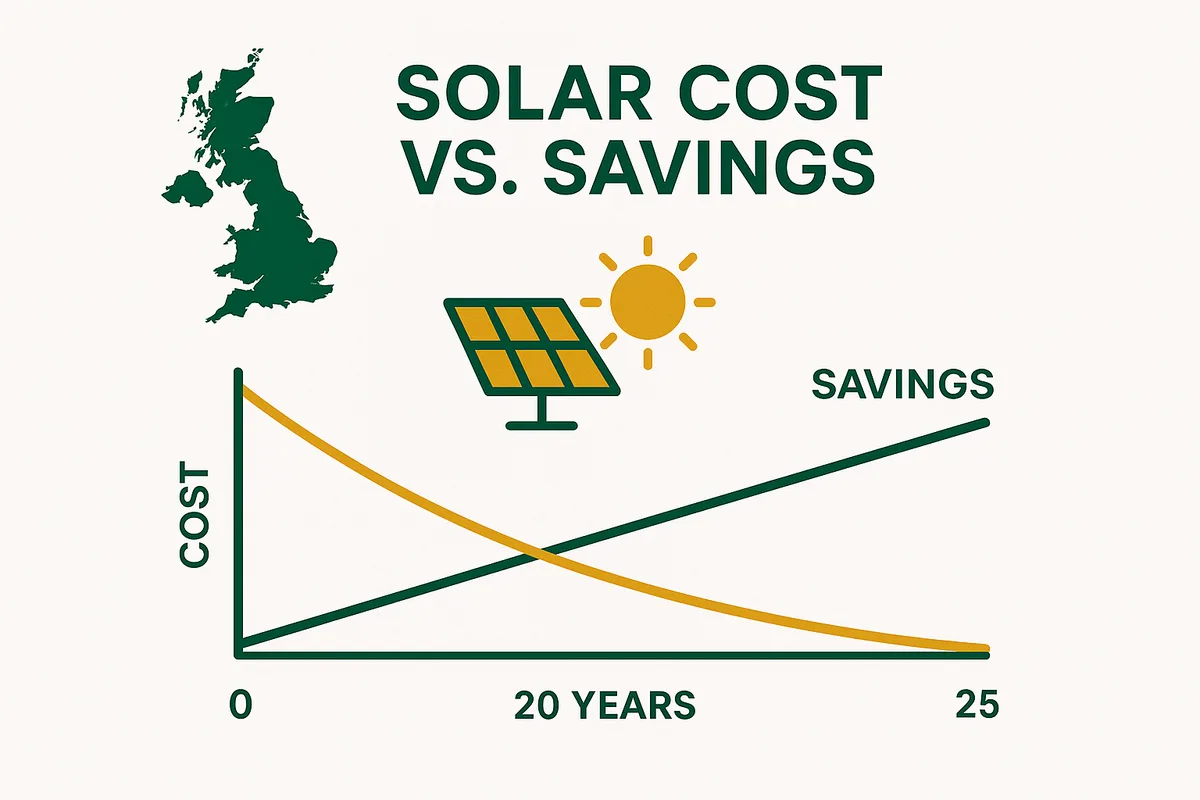
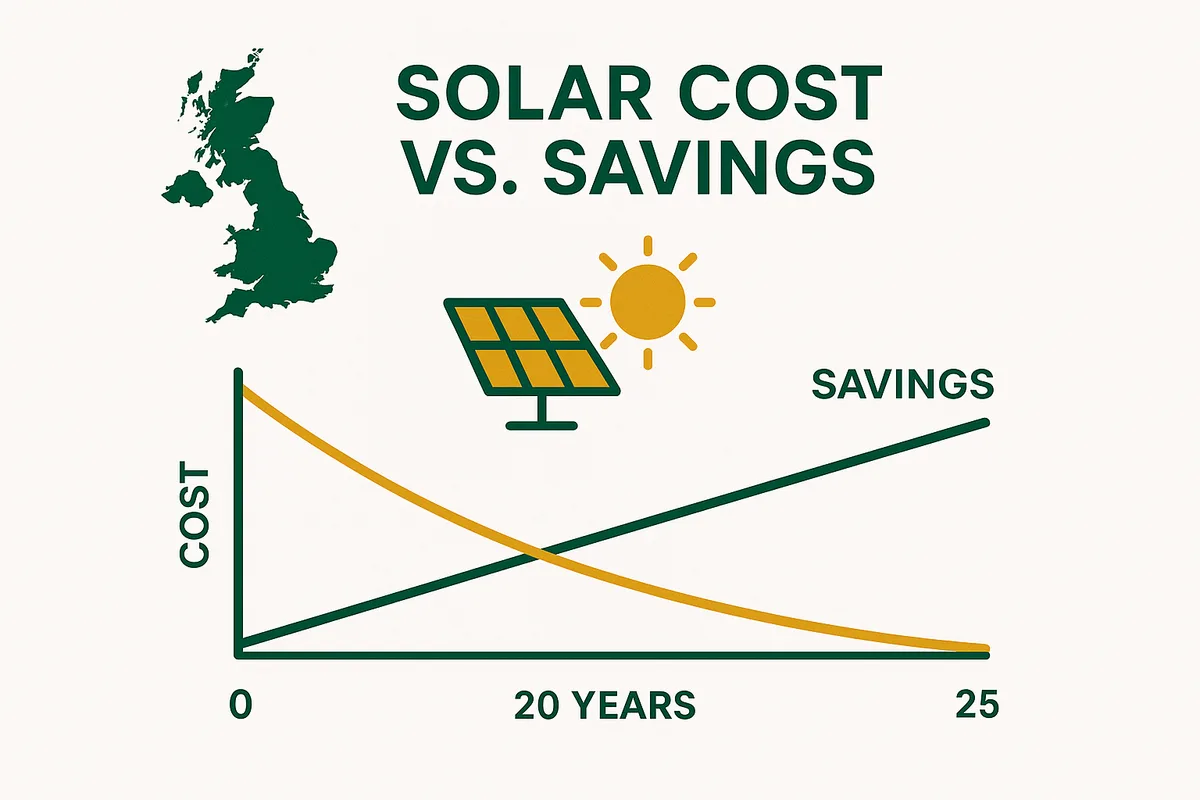
Choosing a string inverter on a shaded roof: - Output loss from shading: 10–25% (£70–£175/year) - Over 25 years: £1,750–£4,375 lost - Micro-inverter premium: £500–£1,800 - Net cost of wrong choice: £0–£2,575 lost (micro-inverters would have paid for themselves)
Choosing micro-inverters on an unshaded roof: - No shading benefit (micro-inverters recover nothing because there is nothing to recover) - Extra cost: £500–£1,800 wasted on unnecessary technology - But: you get panel-level monitoring and 25-year warranty (some value) - Net cost of wrong choice: £300–£1,500 overspent (could have used a string inverter)
The lesson: Shading assessment during the site survey is CRITICAL. A good MCS installer will recommend the right inverter type based on your specific roof. If they recommend micro-inverters, ask them to show you the shading analysis.
Source: Shading loss calculations; inverter cost comparison.
Frequently Asked Questions
Related guides
You might also like
Ready to see what solar could save you?
Get free, no-obligation quotes from MCS-certified installers in your area.
Get Free QuotesFree, no obligation. Takes 2 minutes.