Virtual Power Plants UK: Solar Owner Guide
Ready to see what solar could save you?
Get free, no-obligation quotes from MCS-certified installers in your area.
Get Free QuotesFree, no obligation. Takes 2 minutes.
What is a Virtual Power Plant?
A Virtual Power Plant (VPP) aggregates thousands of home batteries into a coordinated network that provides grid services during peak demand. Your battery is remotely discharged (a small amount) when the grid needs extra power — and you are paid for the service. Typical earnings: £50–£200 per year on top of your normal solar + battery savings. Available through: Tesla Powerwall, Octopus Energy, and GivEnergy VPP programmes. It is passive income — you set it up once and earnings arrive automatically.
How Virtual Power Plants Work
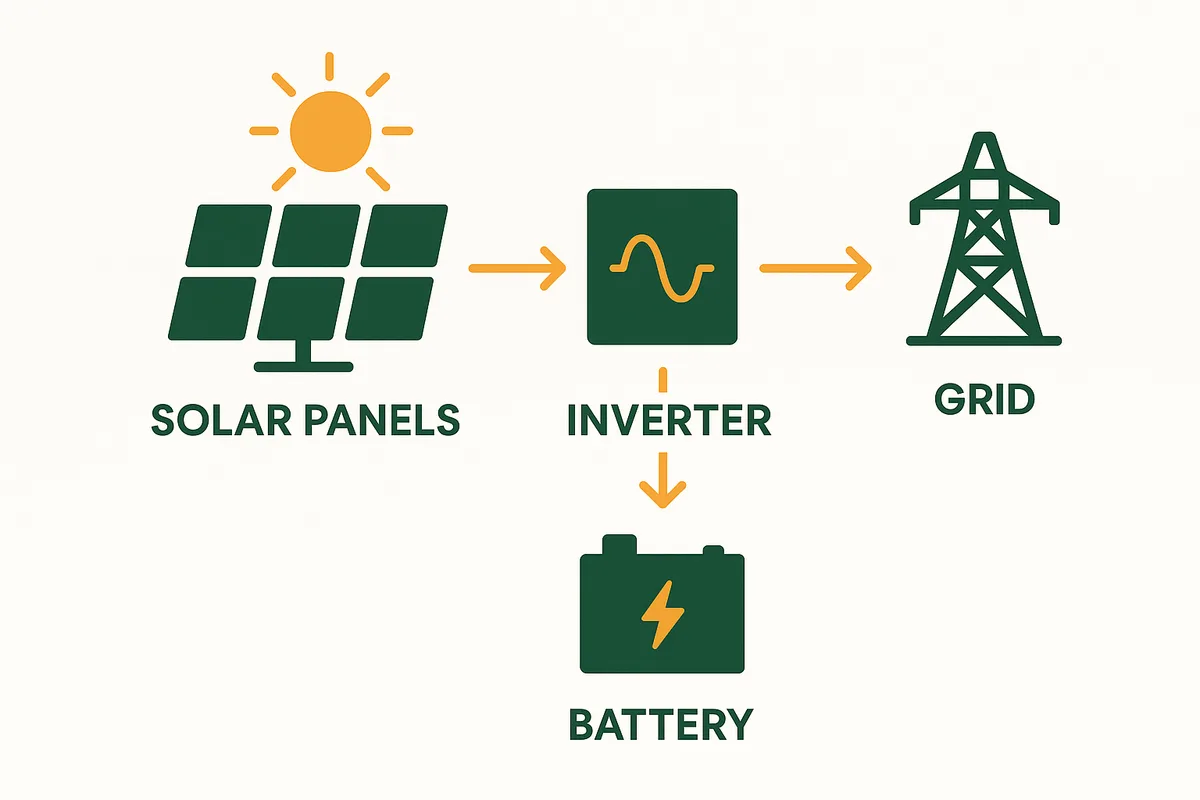
The concept: Thousands of home batteries, each storing 5–13kWh, together represent a massive distributed energy resource. When the grid needs extra power during peak demand (typically 5–7pm on cold winter evenings), the VPP operator remotely instructs participating batteries to discharge a portion of their stored energy to the grid.
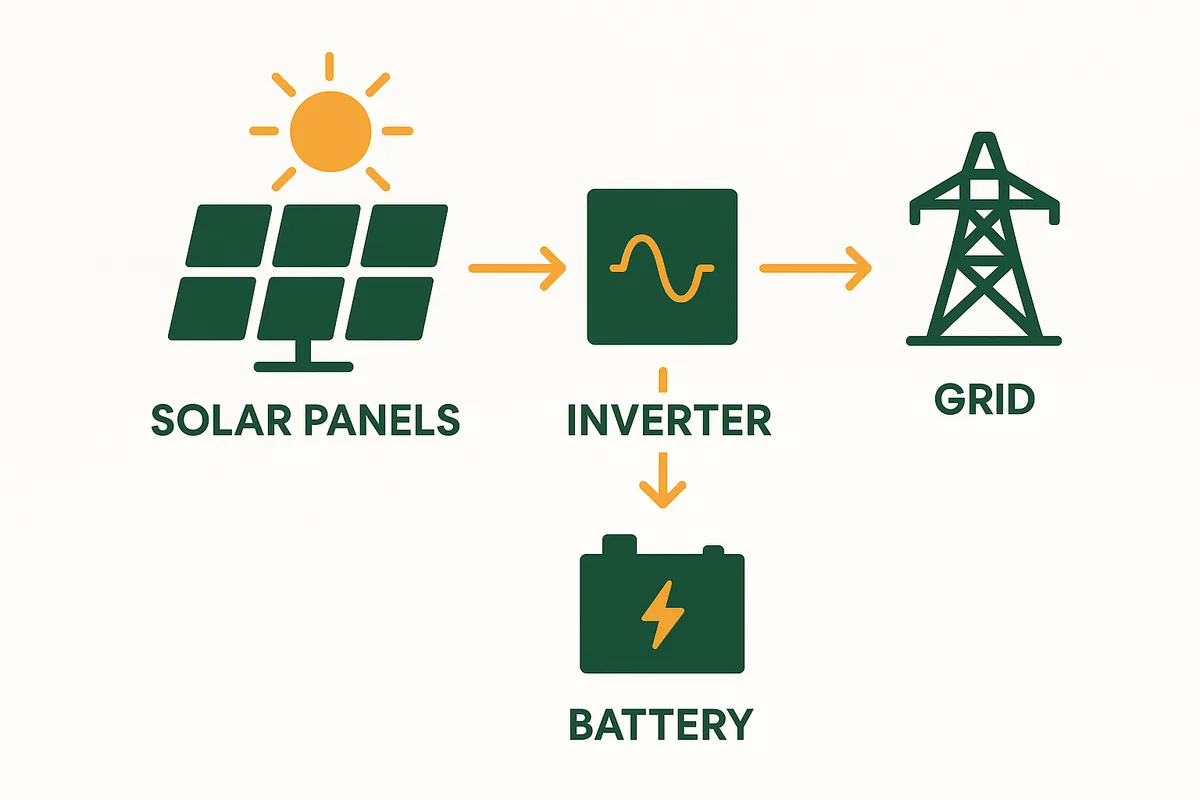
The process: 1. You enrol your battery in a VPP programme 2. Your battery operates normally 99% of the time (charging from solar, powering your home) 3. During grid stress events (2–10 times per month), the VPP operator sends a signal 4. Your battery discharges 1–5kWh to the grid over 30–120 minutes 5. Your battery recharges afterwards (from solar or overnight cheap rate) 6. You receive a payment for the energy exported and the 'availability' of your battery
What you feel: Almost nothing. The discharge is small and brief. Your home may draw from the grid slightly more during the VPP event, but this is typically during off-peak hours when electricity is cheapest.
The grid benefit: VPPs reduce the need for gas peaking plants — expensive, polluting generators that only run during peak demand. Your battery replaces gas with stored solar energy.
Source: National Grid ESO flexibility services; VPP operator programme details.
UK VPP Programmes
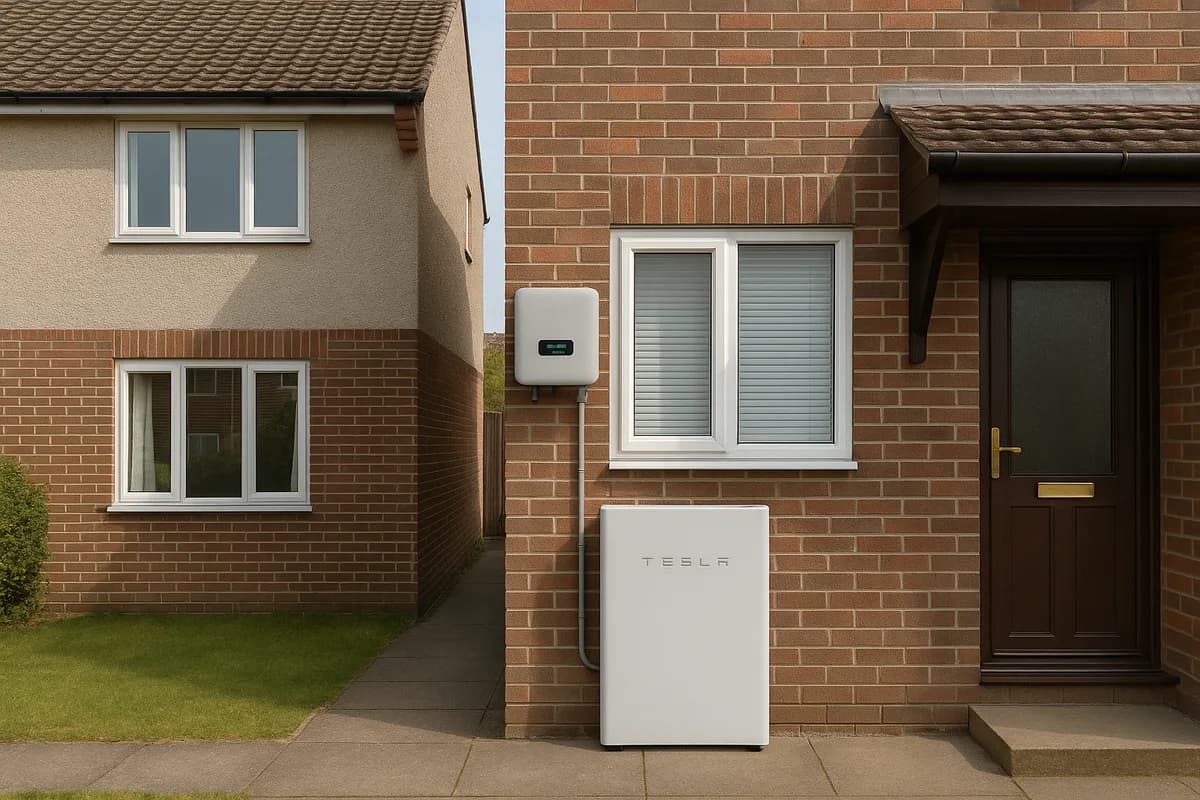
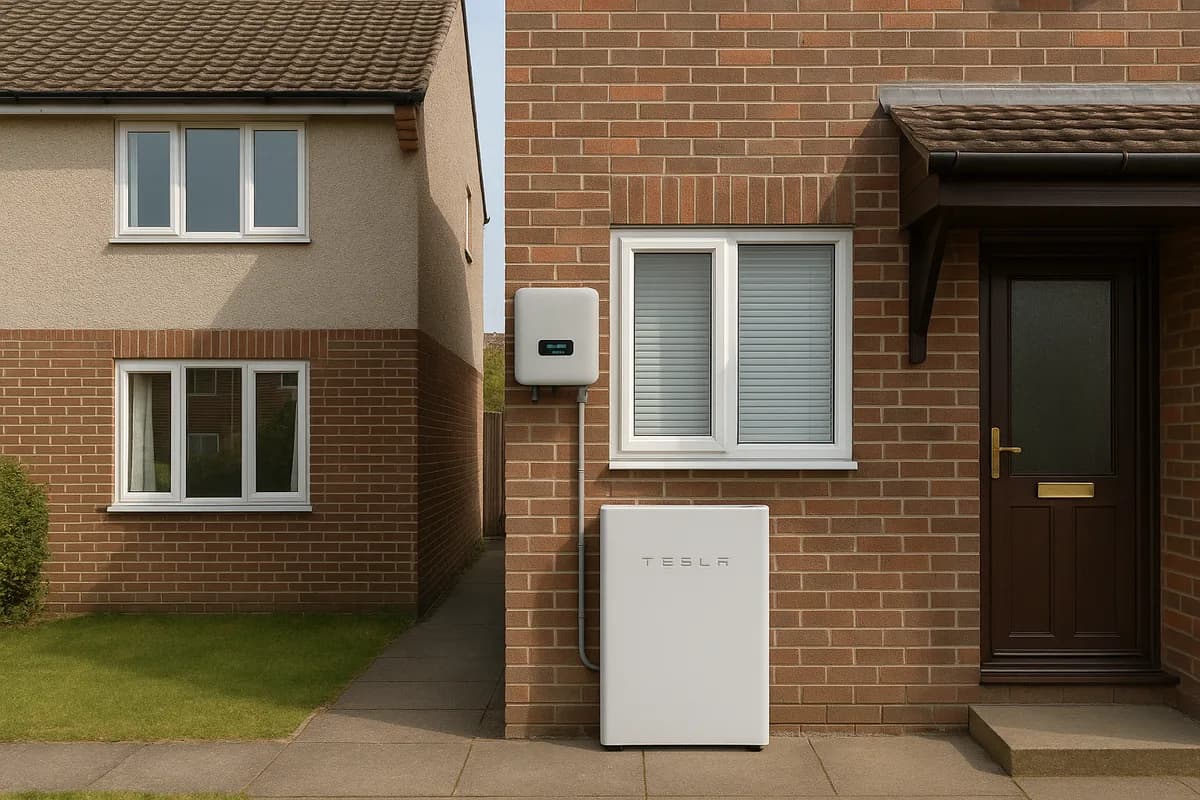
Tesla Powerwall VPP: - Available to all UK Powerwall owners - Managed through the Tesla app - Events: 2–10 per month, typically 30–60 minutes each - Earnings: £50–£150/year (varies by grid demand) - Opt-in/opt-out: can skip individual events if you need your battery - Payment: credit on Tesla account or energy supplier bill
Octopus Energy VPP: - Available through Octopus Intelligent tariffs - Works with multiple battery brands (GivEnergy, Tesla, etc.) - Integrated with Flux/Go tariffs for combined optimisation - Earnings: £50–£200/year - Automatic — the system optimises VPP participation with your tariff schedule
GivEnergy VPP: - Growing programme for GivEnergy battery owners - Coordinated through the GivEnergy platform - Earnings: developing (programme is scaling) - Built-in to GivEnergy inverter firmware
Other programmes: - GridBeyond, Limejump, and Flexitricity aggregate batteries for grid services - These typically work through your battery manufacturer's platform - Earnings vary by programme and grid demand
Source: VPP operator programme details; user-reported earnings.
Ready to see what solar could save you?
Get free, no-obligation quotes from MCS-certified installers in your area.
Get Free QuotesIs VPP Participation Worth It?
Yes — it is essentially free money:
- No hardware cost (your existing battery participates)
- No installation needed (software enrolment only)
- Minimal impact on your daily battery use
- Passive income (£50–£200/year for doing nothing)
- Helps the grid (reduces gas plant use = environmental benefit)
Potential downsides: - Your battery has slightly less charge after a VPP event (temporarily) - If an event coincides with your peak usage, you may import more from the grid - Earnings vary — some months more events than others - Battery undergoes additional cycles (minor impact on longevity)
The additional cycles concern: A VPP event adds 0.5–2 cycles per week to your battery. Most batteries are rated for 6,000–10,000 cycles (16–27 years at daily cycling). Adding 50–100 extra cycles per year shortens lifespan by approximately 1–2 years — negligible given the 15–20 year expected lifespan.
Net verdict: VPP earnings (£50–£200/year) easily justify the negligible additional battery wear. It is a no-brainer for battery owners.
Source: Battery cycle analysis; VPP earnings data.
How to Join a VPP
- Check if your battery is VPP-compatible (Tesla Powerwall, GivEnergy, and many LFP batteries are)
- Check your inverter/battery app for VPP settings (Tesla: app > Powerwall > VPP; GivEnergy: check portal)
- If on Octopus: ask about their VPP/Intelligent programmes
- Enrol through the relevant programme (usually a few taps in your app)
- Set your preferences (minimum battery reserve — ensure your home is always covered)
- Earnings appear automatically — credits on your energy bill or VPP account
- You can opt out at any time — VPP participation is voluntary
The Future of VPPs
VPPs are growing rapidly in the UK:
- 2024: ~50,000 batteries enrolled in UK VPP programmes
- 2026: ~150,000+ estimated
- 2030 target: 1 million+ home batteries providing grid flexibility
As VPPs scale: - Earnings per battery may increase (more grid services = more demand for flexibility) - Or decrease (more batteries participating = more competition) - Smart inverters will automate VPP participation alongside tariff optimisation - Vehicle-to-Grid (V2G) will add EV batteries to the VPP pool
The strategic view: VPPs are becoming a standard part of owning a home battery. When choosing a battery, check VPP compatibility — it adds a meaningful income stream for zero effort.
Source: National Grid ESO flexibility strategy; BEIS smart energy plan.
Frequently Asked Questions
Related guides
Related: Home Heating Systems
Solar panels are most powerful when combined with an efficient heating system. Heat pumps use solar-generated electricity to heat your home at 300-400% efficiency — making them the ideal partner for solar.
Heat pumps use electricity at 300-400% efficiency, making them ideal partners for solar.
From our sister site Home Heat Pump Guide
You might also like
Ready to see what solar could save you?
Get free, no-obligation quotes from MCS-certified installers in your area.
Get Free QuotesFree, no obligation. Takes 2 minutes.