Solar Panels During a Power Cut: What Happens?
Ready to see what solar could save you?
Get free, no-obligation quotes from MCS-certified installers in your area.
Get Free QuotesFree, no obligation. Takes 2 minutes.
Do solar panels work during a power cut?
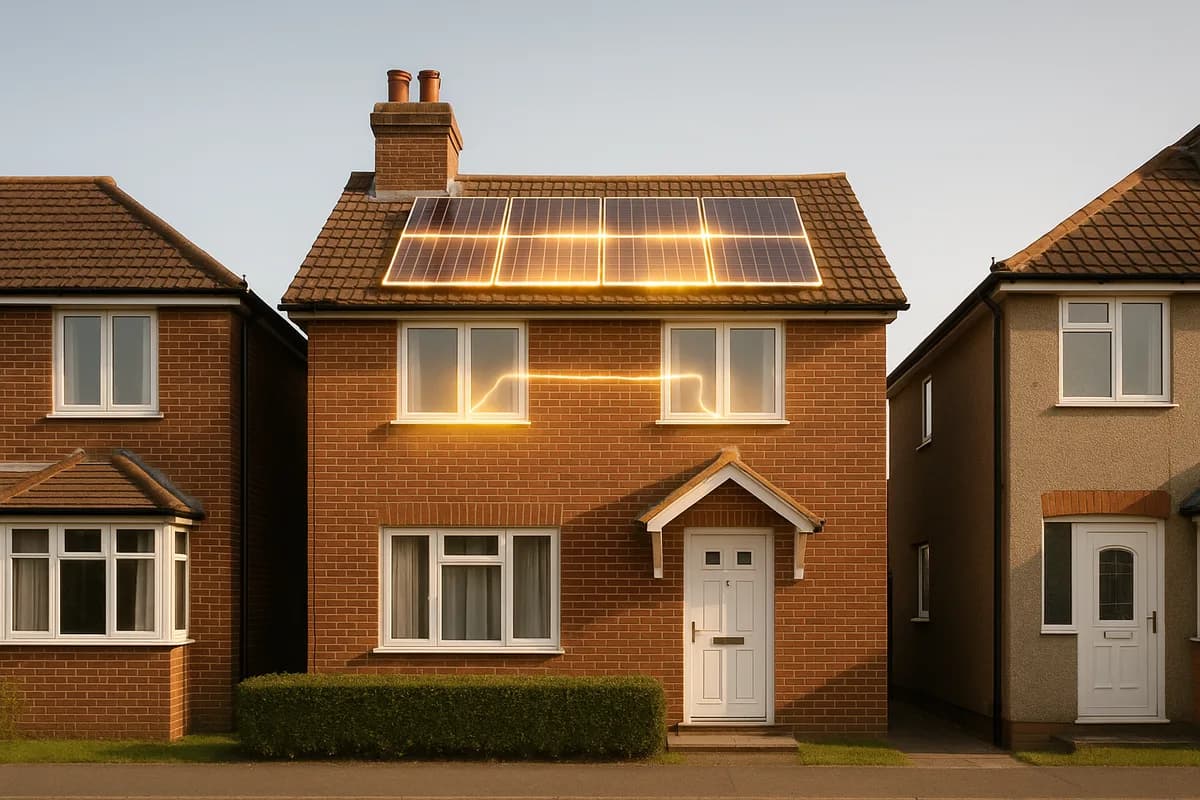
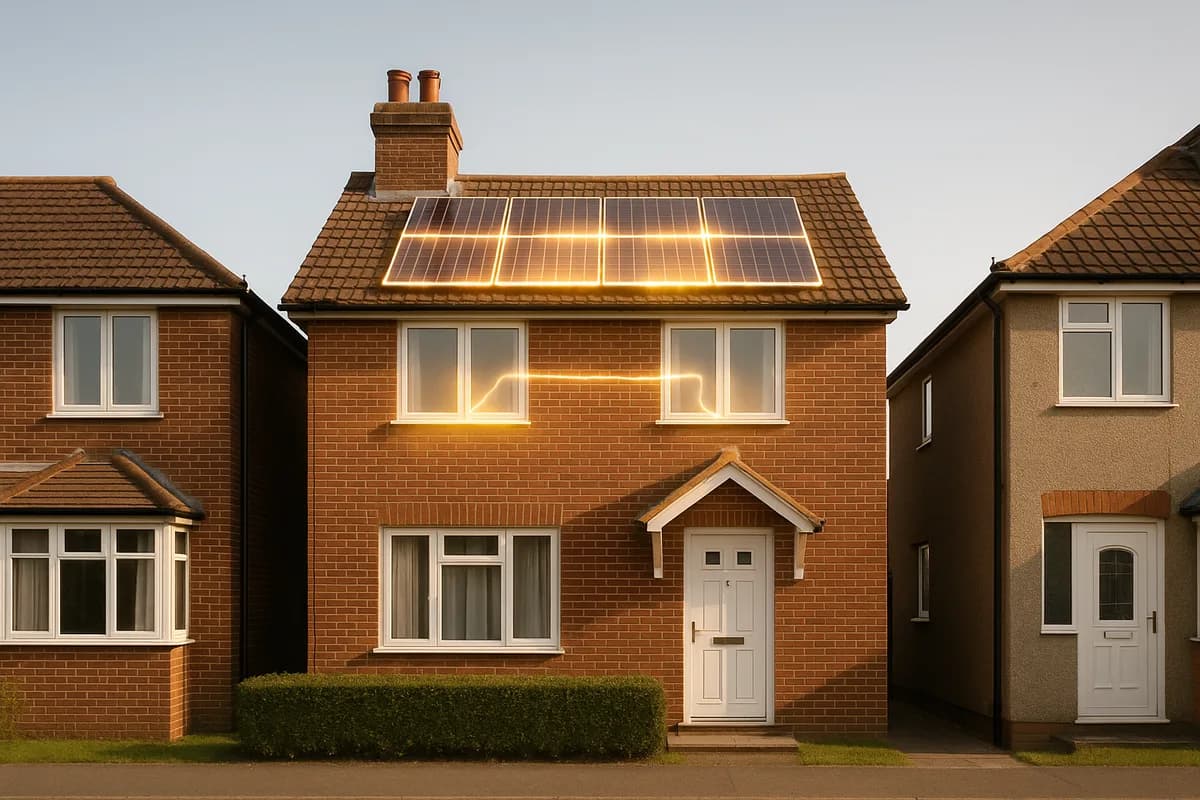
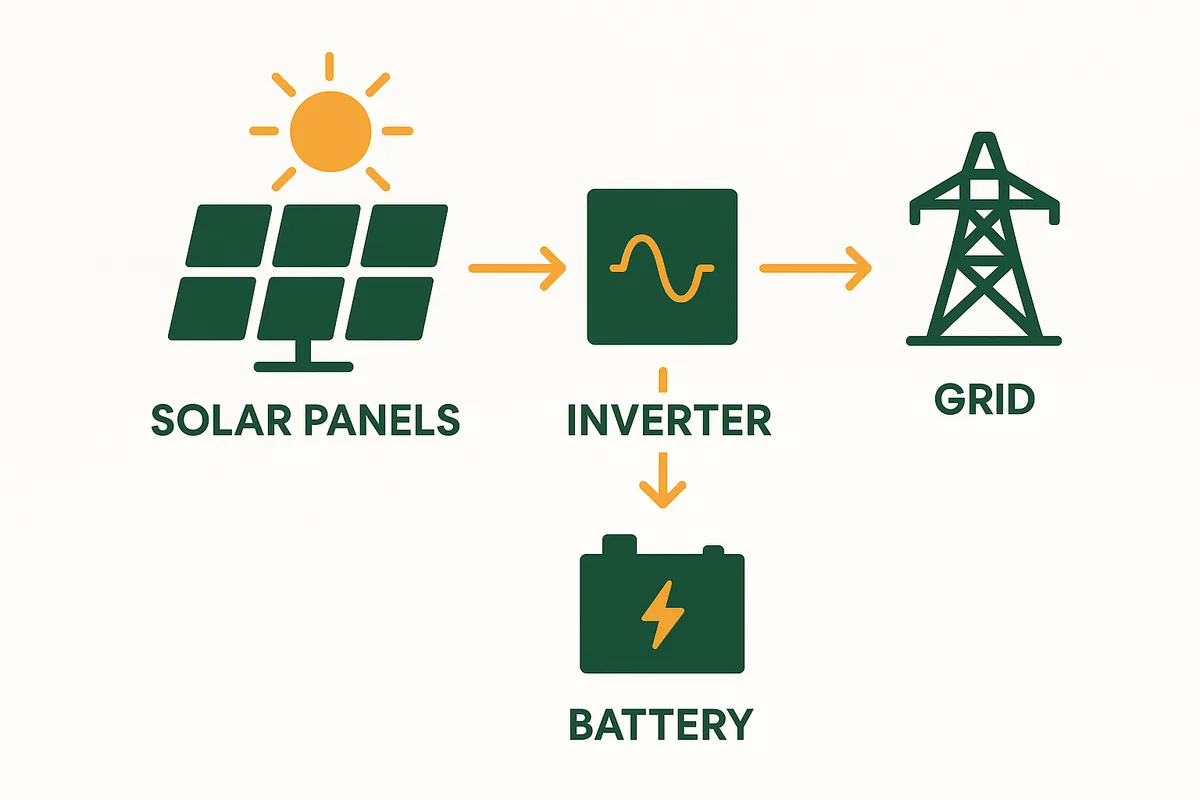
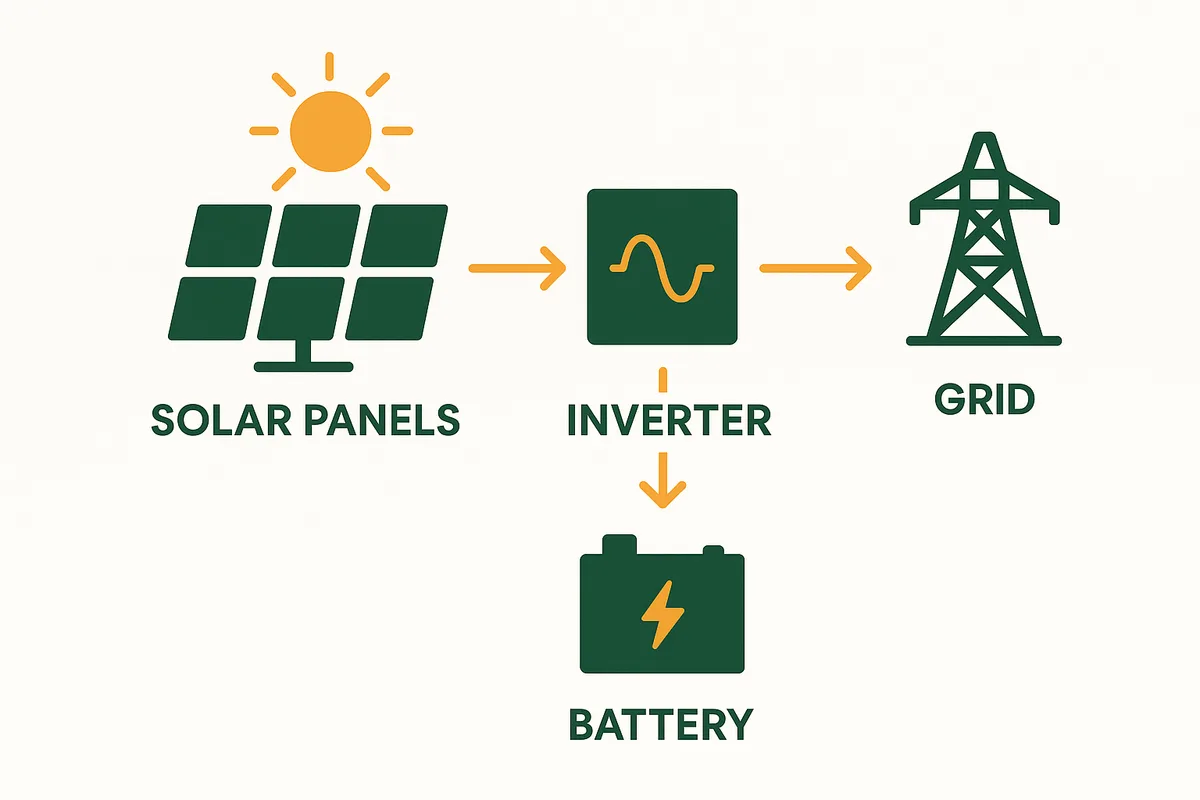
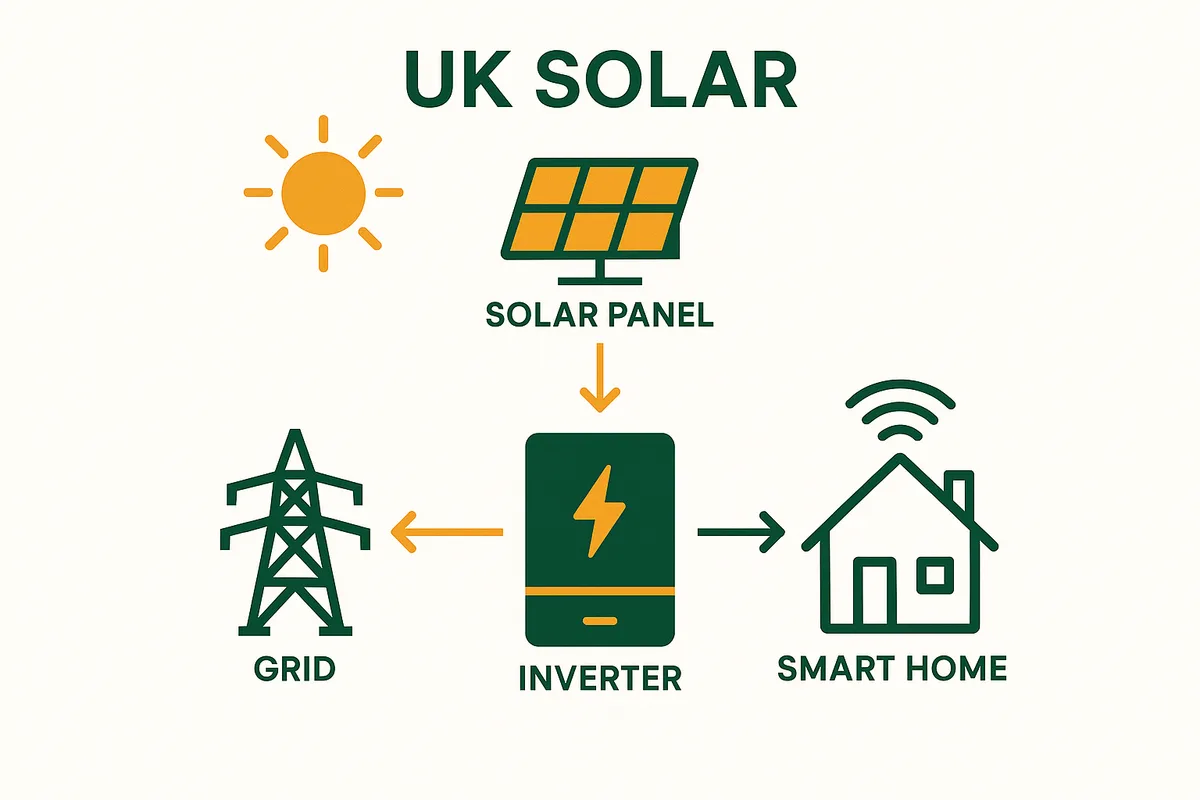
During a power cut, most UK solar systems automatically switch OFF — even in full sunshine. This is a safety feature called anti-islanding: your inverter disconnects to prevent feeding electricity into grid lines that engineers may be repairing. To have power during an outage, you need a battery with backup capability (like Tesla Powerwall or GivEnergy with EPS). Standard solar-only systems provide zero power during a grid failure.
Why Solar Panels Stop During a Power Cut
It seems counterintuitive: your panels are generating electricity in full sunshine, but your house has no power. Here is why:
Anti-islanding protection is a legal requirement in the UK (ENA Engineering Recommendation G98/G99). Your inverter must detect a grid failure and disconnect within 0.5 seconds. This prevents your solar system from:
1. Electrocuting engineers — during a grid outage, engineers work on 'dead' power lines. If your solar system kept feeding electricity into the grid, those lines would be live — potentially fatal.
2. Damaging your equipment — when the grid reconnects, the voltage surge could damage your inverter if it was still generating independently.
3. Destabilising the grid — individual generators feeding into a down grid creates unpredictable voltage and frequency.
This is not a design flaw — it is a critical safety feature. Every grid-tied solar inverter in the UK must have anti-islanding. It is tested and certified as part of the MCS process.
Source: ENA G98/G99 requirements; IET Wiring Regulations.
How to Get Power During a Grid Outage
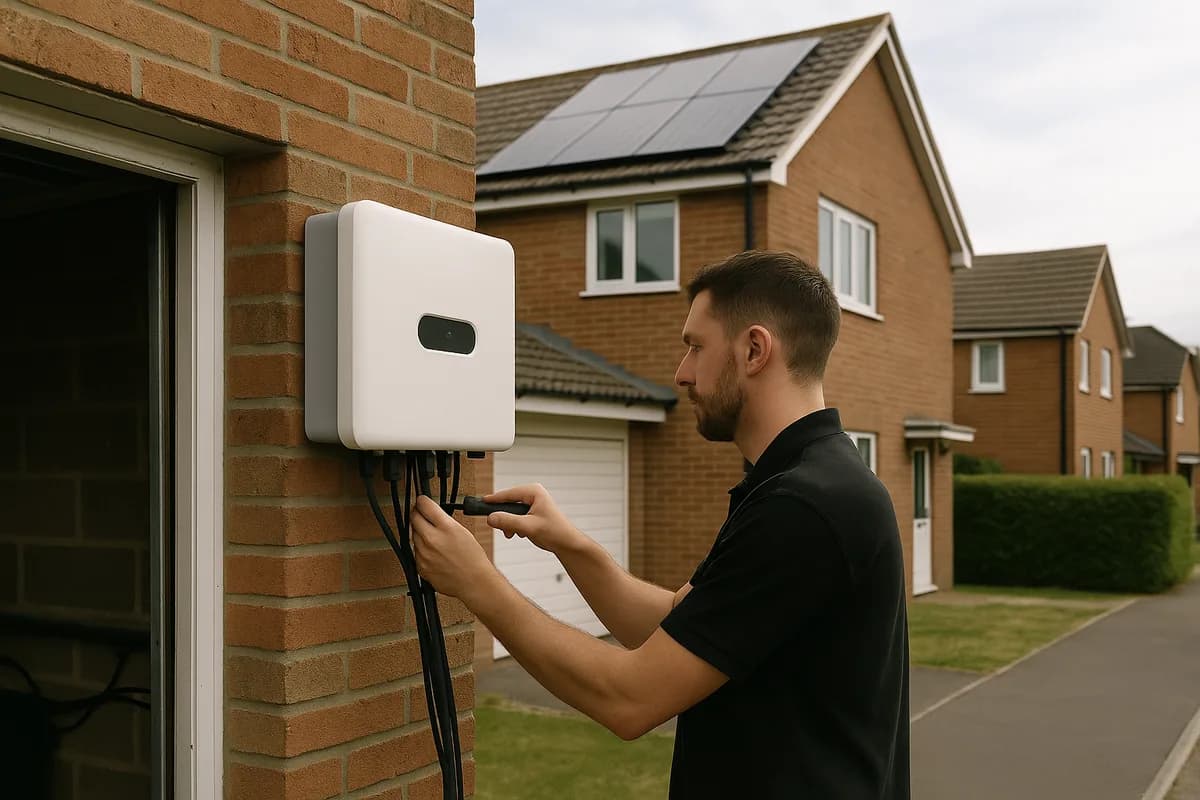
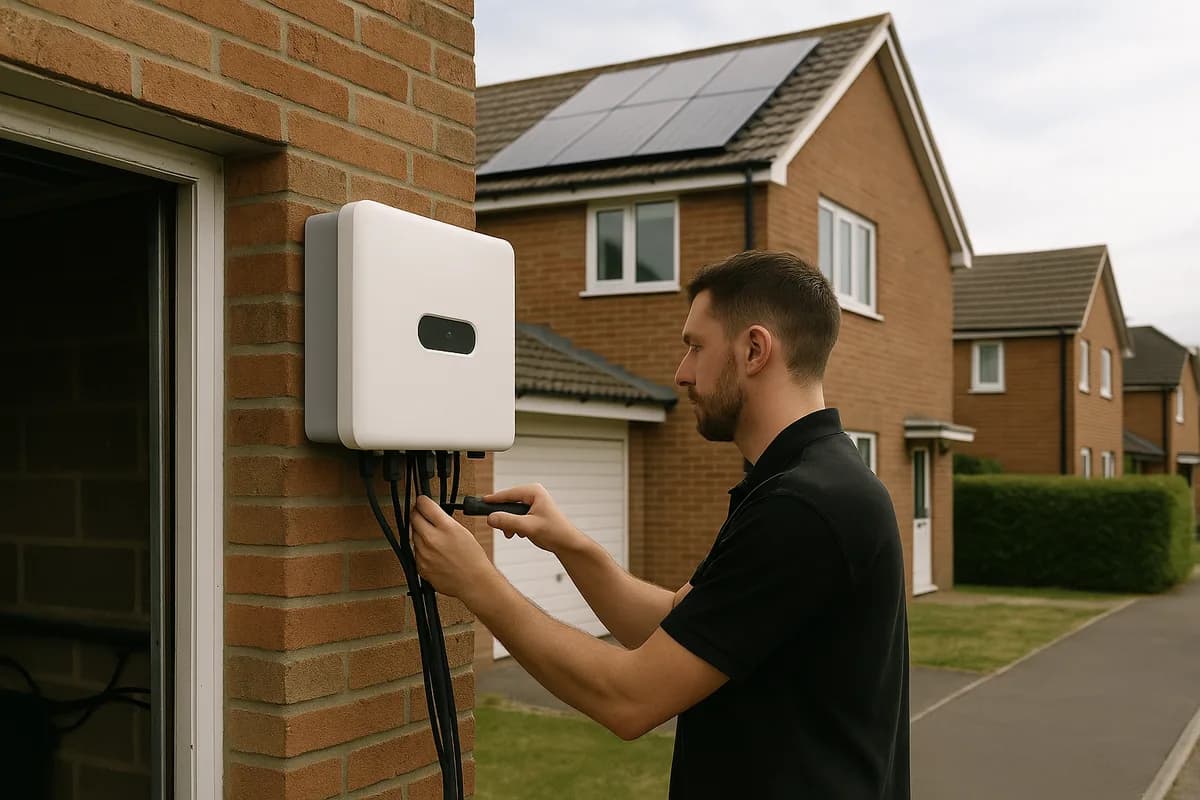
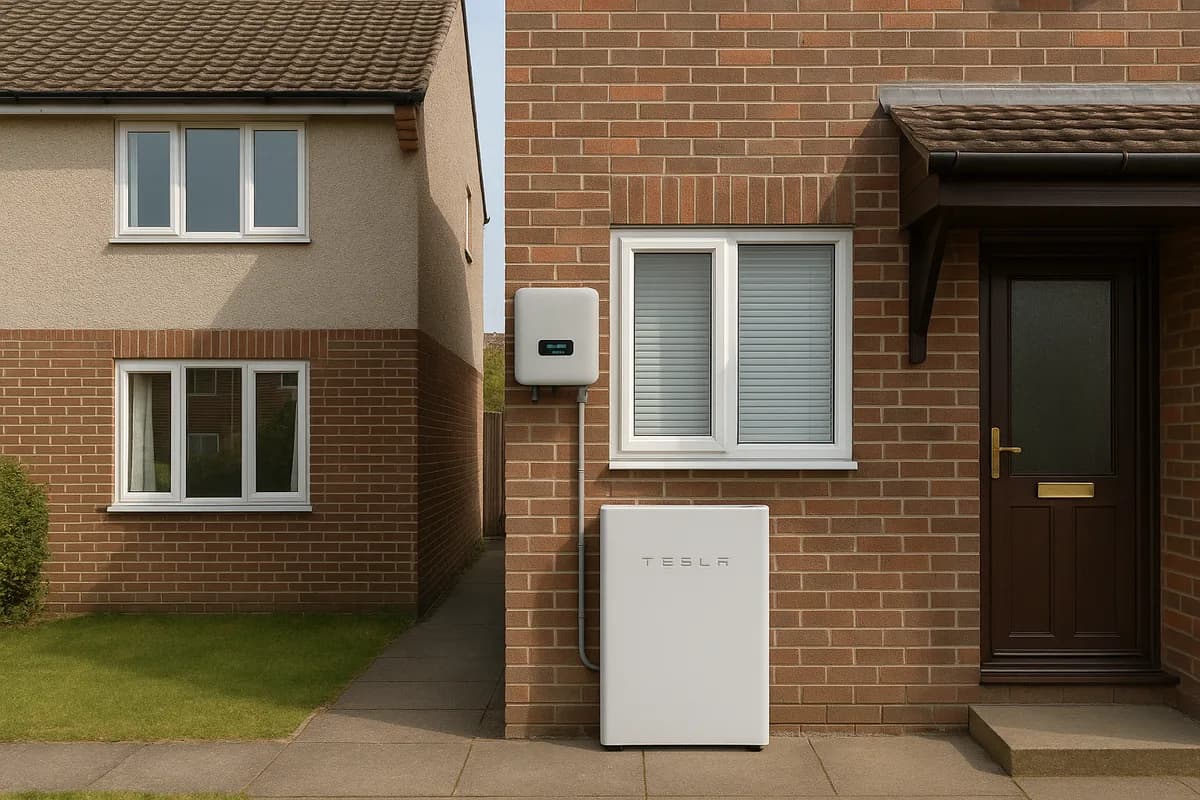
To have electricity during a power cut, you need a battery with backup (EPS — Emergency Power Supply) capability:
How battery backup works: 1. Grid fails → inverter detects outage within 0.5 seconds 2. Inverter disconnects from the grid (anti-islanding) 3. Battery switches to backup mode, creating an independent 'island' circuit 4. Battery powers designated circuits in your home (not the whole house) 5. Solar panels resume generating and charge the battery (if it is daylight) 6. When the grid returns, the system reconnects automatically
The transition takes 5–15 seconds — most electronic devices handle this, but some may need resetting. Continuous-power UPS devices (like those protecting computers) cover this gap.
Which batteries have backup capability: - Tesla Powerwall 2/3: Yes — whole-home backup (Gateway required) - GivEnergy All-in-One: Yes — partial backup (EPS port) - Fox ESS ECS: Yes — partial backup (EPS port) - SolarEdge + battery: Yes — with Backup Interface - Enphase IQ Battery: Yes — integrated backup - Pylontech: Depends on inverter — some support EPS, some do not
Not all batteries support backup. Confirm this specifically before purchase if backup power matters to you.
Source: Manufacturer EPS specifications; G98/G99 compliance requirements.
Ready to see what solar could save you?
Get free, no-obligation quotes from MCS-certified installers in your area.
Get Free Quotes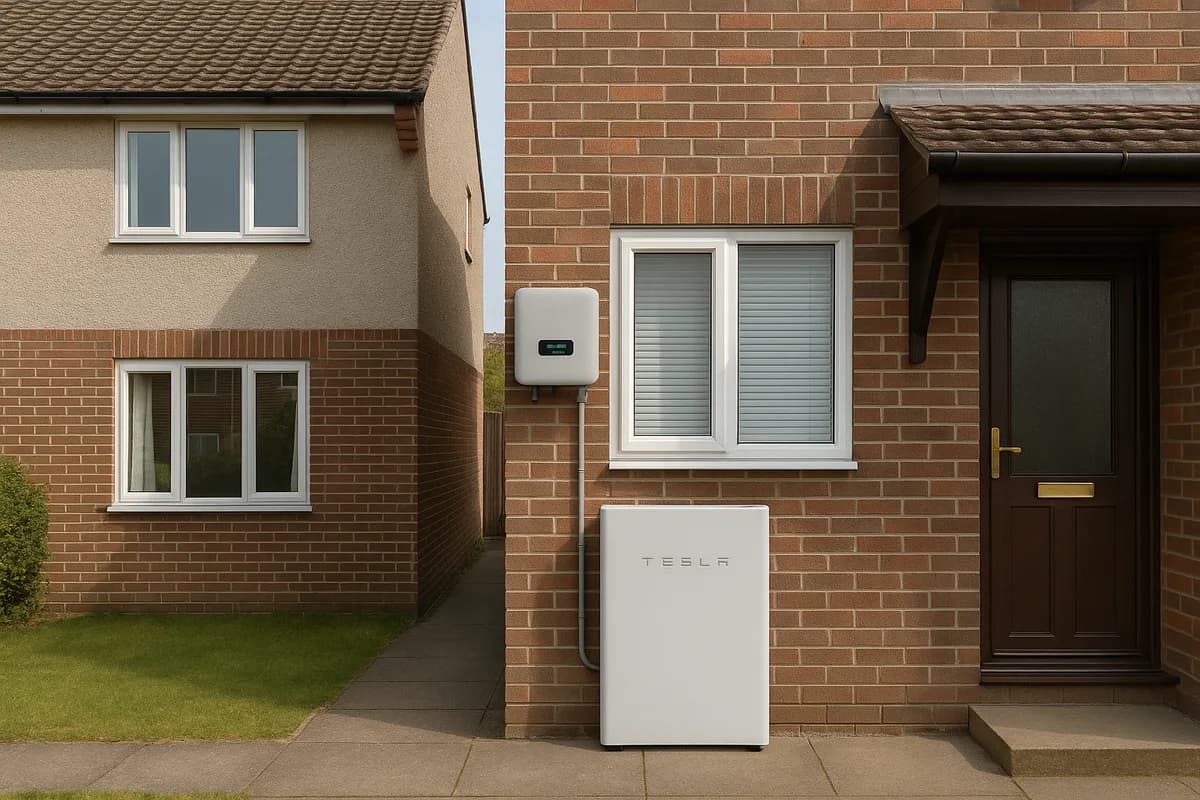
What Can Battery Backup Actually Power?
Battery backup has limits:
Whole-home backup (Tesla Powerwall with Gateway): - Powers all circuits in your home - 13.5 kWh capacity = 4–8 hours of full-home power - Solar panels continue generating to extend battery life - Expensive: £7,000–£10,000 installed (panel cost extra)
Partial backup (EPS port — most other batteries): - Powers one dedicated 'essential' circuit only - You choose what connects to this circuit: fridge, lights, router, phone charging - Does NOT power high-load circuits: cooker, immersion heater, electric shower - 10 kWh battery on essential circuits = 12–24 hours - More affordable: £4,000–£6,000
Reality check: UK power cuts are rare (average 1 per year, lasting 30–90 minutes). The additional cost of backup capability (£1,000–£3,000 over a standard battery setup) is hard to justify on frequency alone. Most people who choose backup do so for peace of mind, not ROI.
Source: Ofgem power cut statistics; battery manufacturer backup specifications.
Do You Need Backup Power?
Yes, consider backup if: - You live in a rural area with more frequent or longer power cuts - You have medical equipment that requires continuous power (CPAP, oxygen concentrator) - You work from home and cannot afford downtime - You have a freezer full of expensive food - Power cuts cause genuine anxiety or inconvenience
No, you probably do not need backup if: - You live in an urban area with very rare, short outages - A candle and a phone torch are sufficient for the 30 minutes of a typical outage - Budget is tight — the extra £1,000–£3,000 for backup capability has a very long payback - You do not have medical dependency on electricity
The compromise: Install a standard battery now (cheaper, no backup). If power cuts become more frequent or your circumstances change, some battery systems can be upgraded to add backup capability later.
Source: Ofgem power cut frequency data.
Frequently Asked Questions
Related guides
You might also like
Ready to see what solar could save you?
Get free, no-obligation quotes from MCS-certified installers in your area.
Get Free QuotesFree, no obligation. Takes 2 minutes.