In-Roof Solar Panels: Integrated vs On-Roof
Ready to see what solar could save you?
Get free, no-obligation quotes from MCS-certified installers in your area.
Get Free QuotesFree, no obligation. Takes 2 minutes.
What are in-roof solar panels?
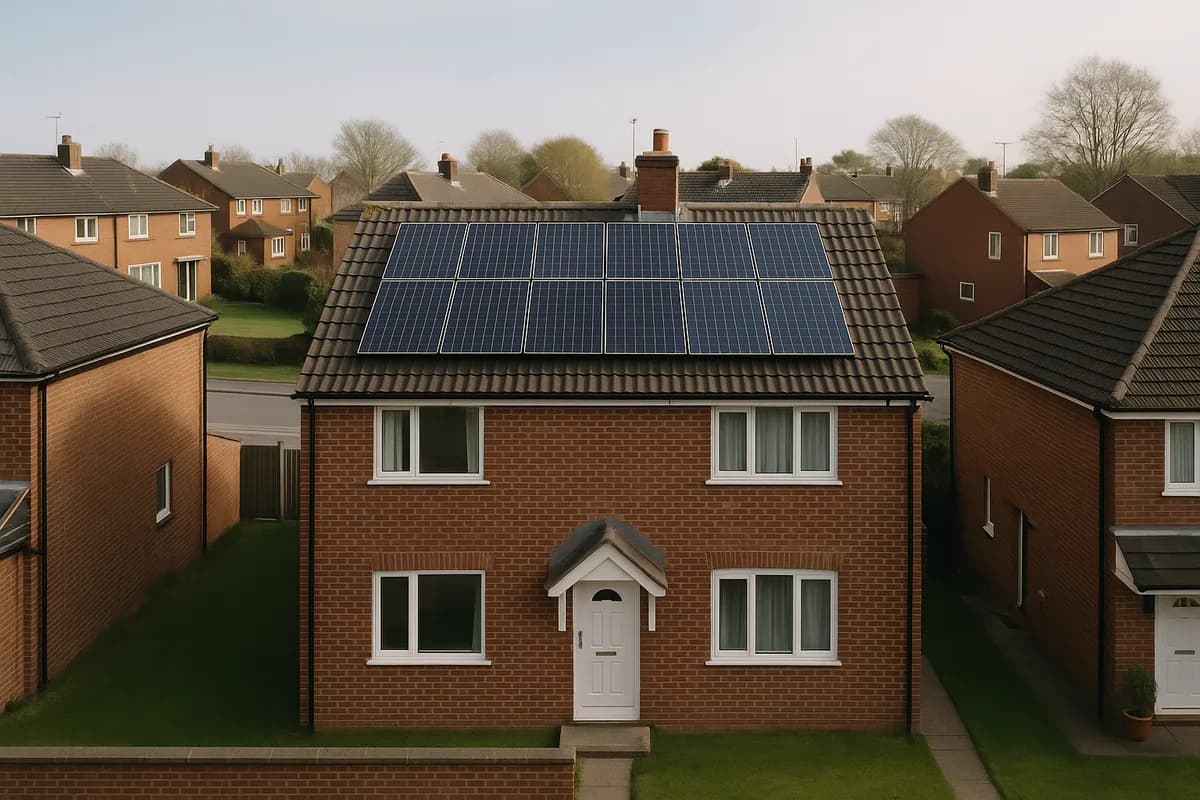
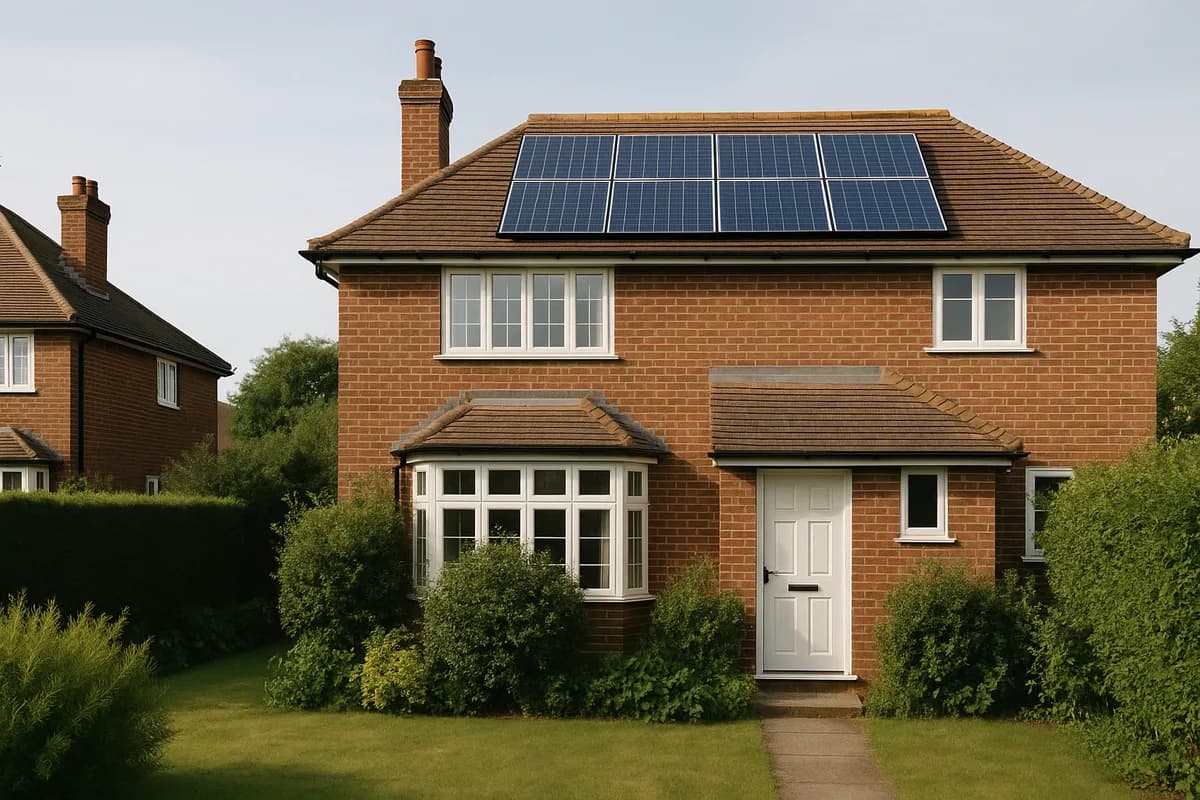
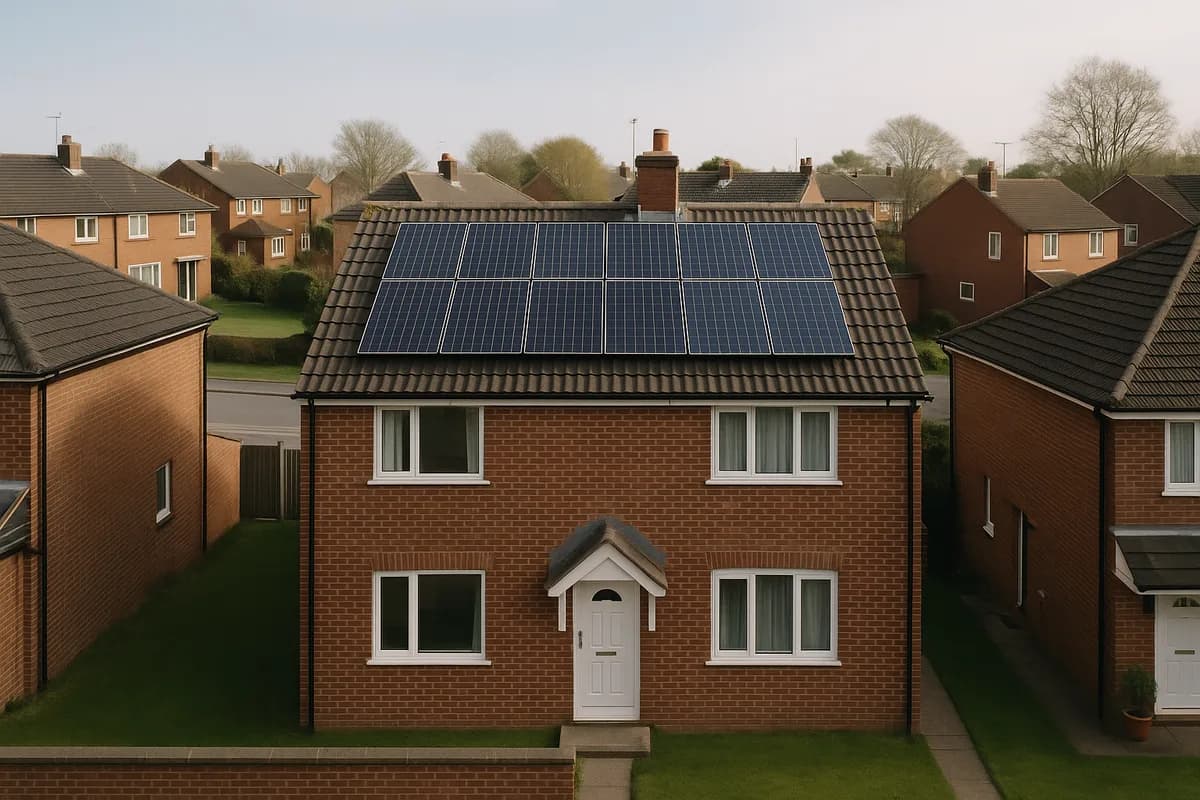
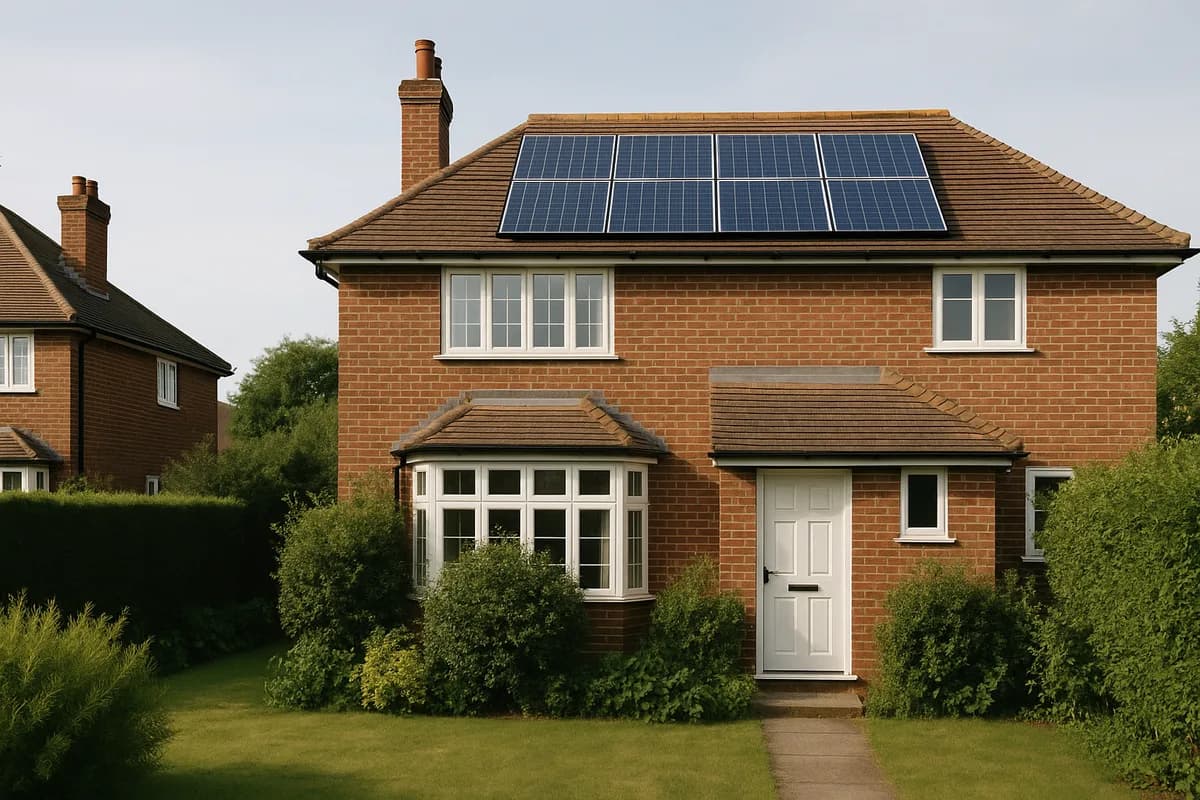
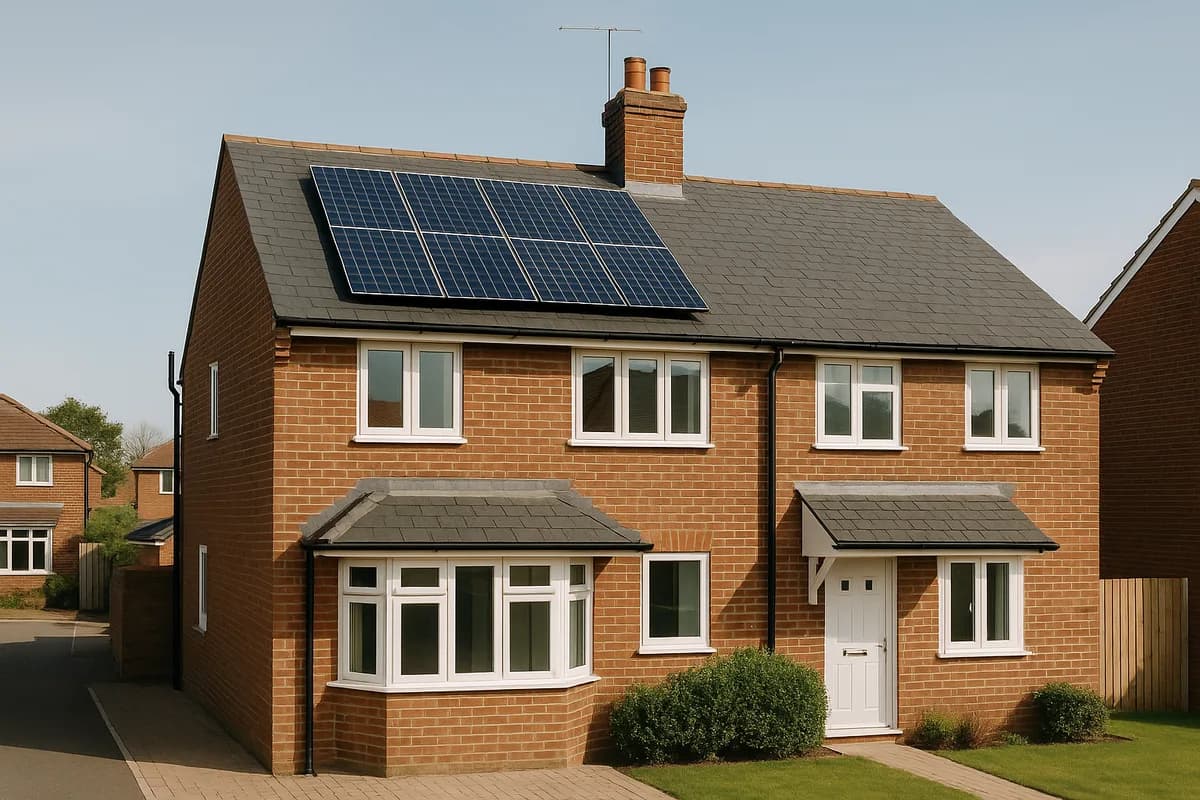
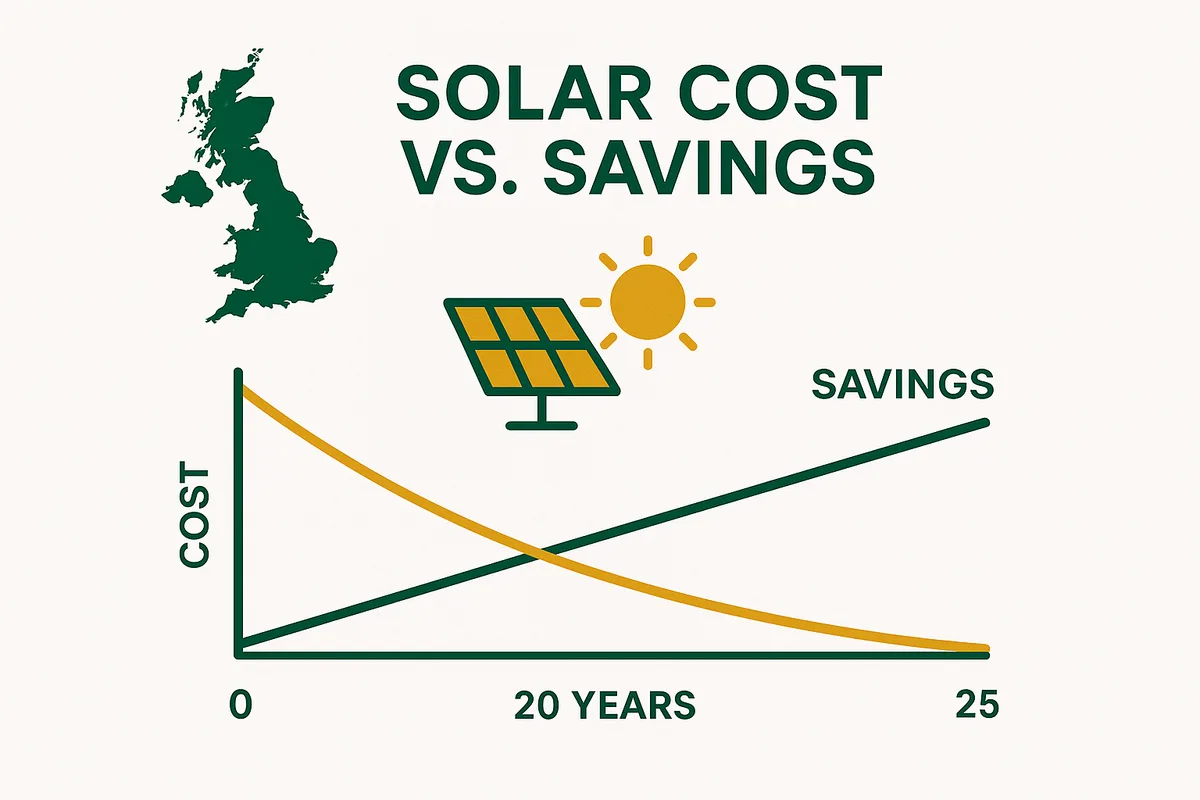
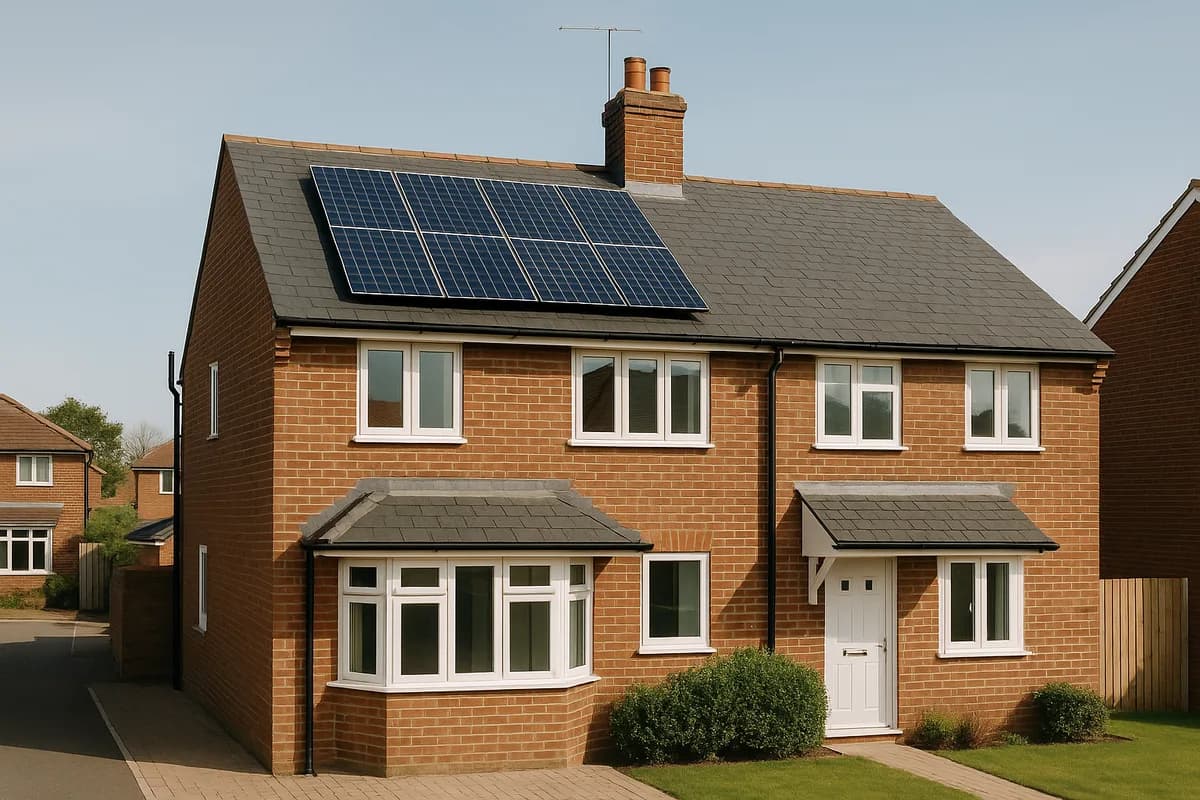
In-roof (integrated) solar panels replace your roof tiles entirely, sitting flush with the roofline for a sleek appearance. They cost 20–30% more than standard on-roof panels (£7,000–£11,000 vs £5,500–£8,000 for a 4kW system) and produce slightly less electricity due to reduced airflow cooling. They are best for new builds, re-roofs, and homeowners who prioritise aesthetics.
In-Roof vs On-Roof: The Key Differences
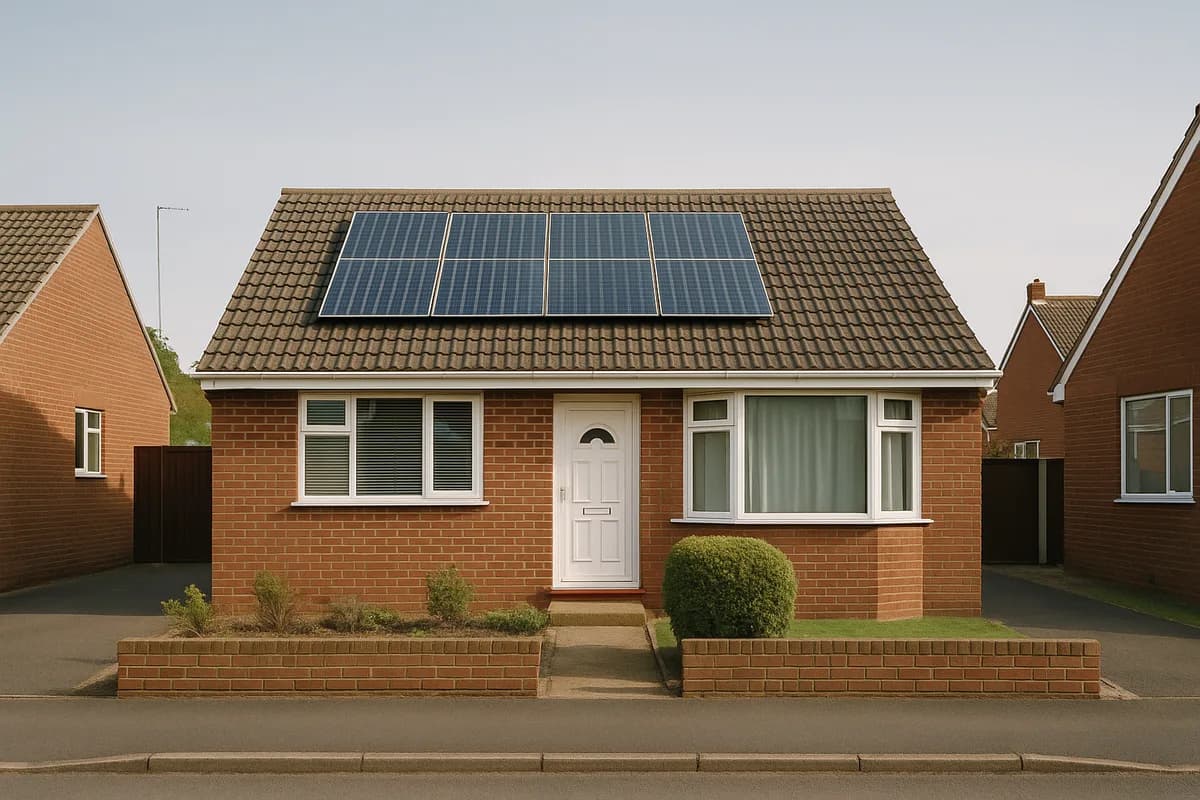
On-Roof (standard): - Panels mount on rails above existing tiles - 100mm+ gap between panels and roof surface - Tiles remain in place underneath - Most common installation method (90%+ of UK installs) - Cost: £5,500–£8,000 for 4kW - Output: 100% (good airflow keeps panels cool)
In-Roof (integrated): - Panels replace the tiles in that roof section - Sit flush with surrounding tiles - Requires a flashing kit and waterproof tray system - Used in 5–10% of UK residential installations - Cost: £7,000–£11,000 for 4kW (20–30% premium) - Output: 95–97% (reduced airflow = slightly warmer panels = slightly lower efficiency)
Source: MCS installation data; GSE and Viridian in-roof system specifications.
Advantages of In-Roof Panels
- Aesthetics — flush with the roofline, more visually appealing. Important in conservation areas or for design-conscious homeowners.
- Weatherproofing — in-roof panels replace tiles, providing a dual function (generation + weather protection). Can reduce total roofing cost on new builds or re-roofs.
- Planning — more likely to receive planning approval in conservation areas or on listed buildings (less visual impact).
- New builds — increasingly specified by housebuilders as standard. Easier to install during construction than retrofitting.
- Wind resistance — flush mounting eliminates wind uplift risk. No brackets or rails protruding from the roof surface.
- Longer-term durability — no mounting brackets penetrating tiles means no potential for bracket-related weathering issues.
Disadvantages of In-Roof Panels
Ready to see what solar could save you?
Get free, no-obligation quotes from MCS-certified installers in your area.
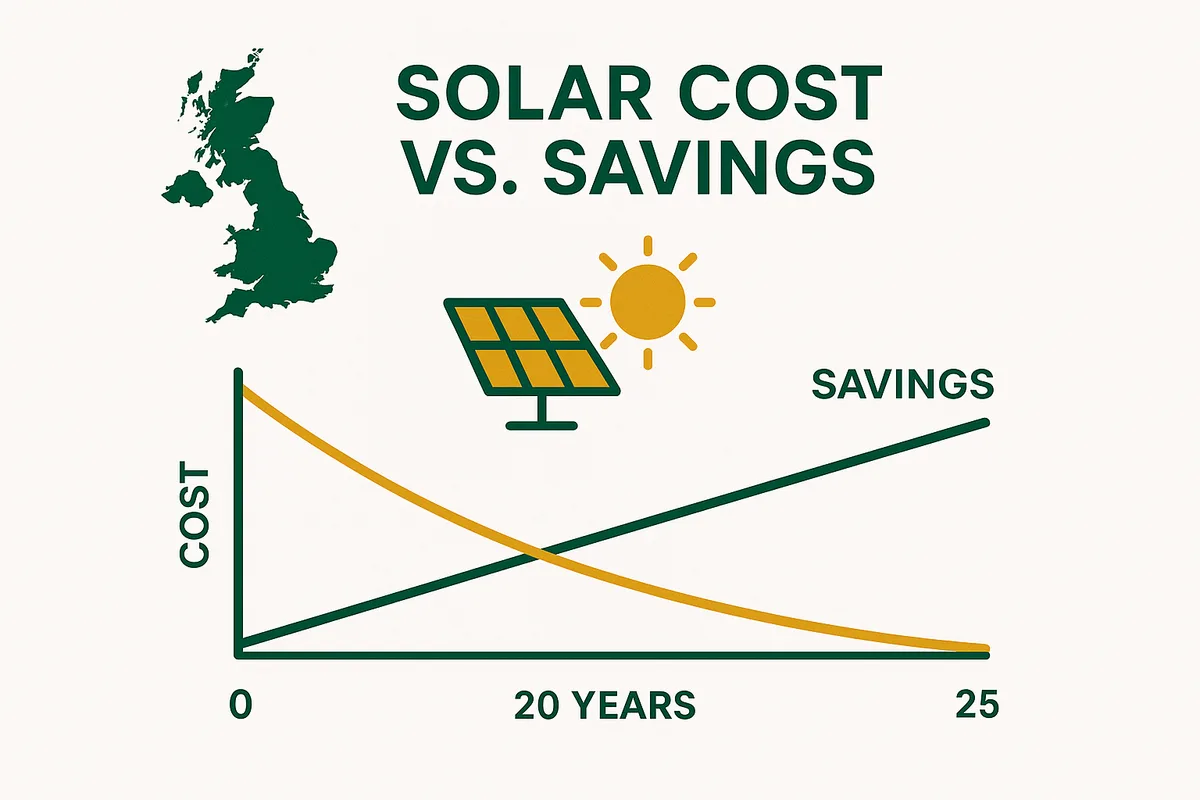
Get Free Quotes- 20–30% higher cost — the premium comes from the flashing system, waterproof trays, and more complex installation labour.
- Slightly lower output (3–5%) — flush mounting reduces airflow behind the panels. Hotter panels = lower efficiency. A 4kW in-roof system may produce 3,700–4,050 kWh vs 3,800–4,200 kWh on-roof.
- More complex installation — requires roofing skills as well as electrical, so the installation team needs dual expertise or a roofer on-site.
- Harder to maintain — accessing or replacing a panel means disturbing the waterproofing system, which is more involved than unclipping an on-roof panel.
- Warranty complexity — the waterproofing warranty is separate from the panel warranty. Ensure both are clearly documented.
- Not suitable for all roofs — the roof structure must be compatible with the in-roof tray system. Older roofs may need additional work.
When Are In-Roof Panels Worth It?
Best case for in-roof panels:
1. New build — installing during construction eliminates the retrofit cost premium. The panels replace tiles you would have bought anyway, so the effective premium is much smaller.
2. Full re-roof — if you are replacing your roof tiles anyway, in-roof panels save on new tile costs for the area covered by panels. This reduces the effective premium to 5–10%.
3. Conservation areas — where standard on-roof panels might face planning objections, in-roof panels may receive approval due to lower visual impact.
4. Aesthetic priority — if the look of your home is very important to you and you are willing to pay a premium for sleek integration.
Not worth it if: - Your existing roof is in good condition and you do not plan to re-roof - Budget is your primary concern - You want maximum output per pound spent - You are in an area where on-roof panels face no planning issues
Source: NHBC new build solar guidance; MCS installer recommendations.
In-Roof Solar Panel Brands
Leading in-roof systems available in the UK:
- GSE In-Roof System: The most widely used in-roof mounting system in the UK. Compatible with most major panel brands. Flashing kit + waterproof trays provide proven weatherproofing.
- Viridian Solar Clearline Fusion: Purpose-built in-roof system with integrated panels and trays. Available through approved installers. Clean aesthetic with minimal visible framework.
- Marley SolarTile: A solar tile system that replaces individual tiles with PV-generating tiles. More expensive per watt but creates a truly seamless roof appearance.
- Tesla Solar Roof: Available in the US; UK availability has been repeatedly delayed. Not currently a practical option for UK homeowners.
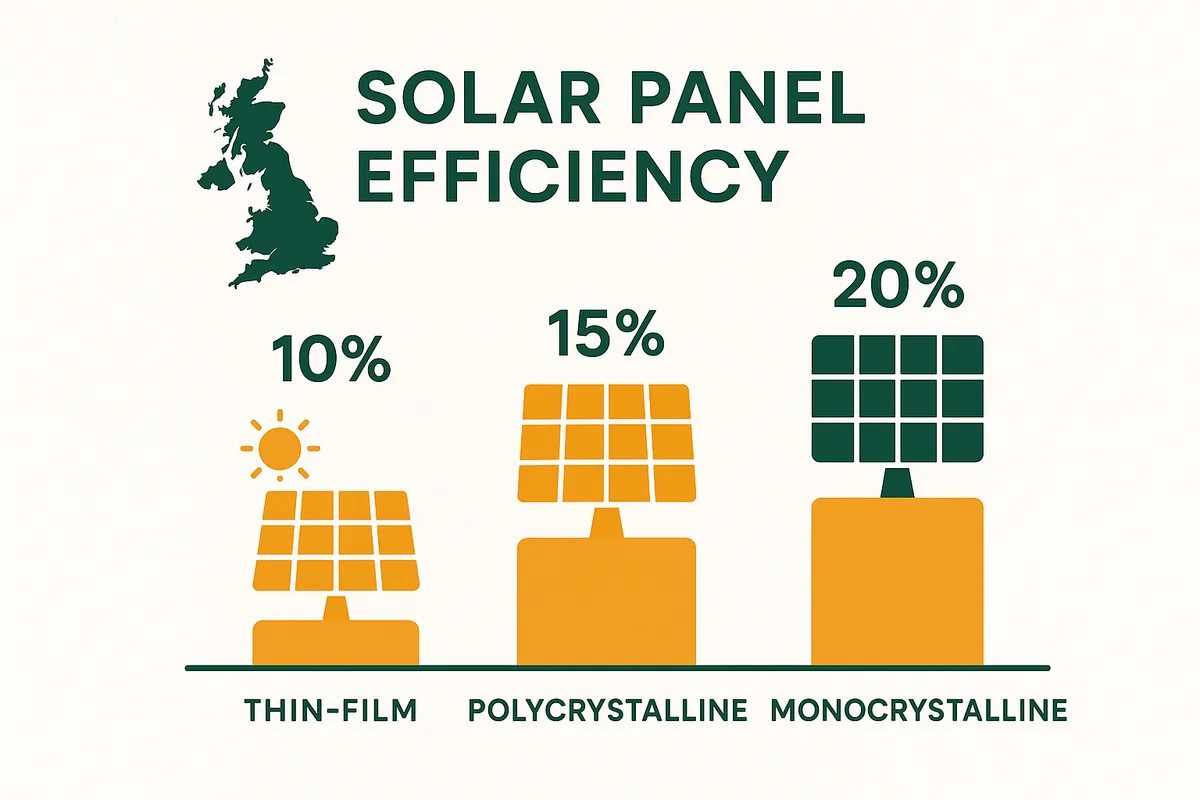
Note: The panel technology itself (monocrystalline cells) is the same whether mounted on-roof or in-roof. The difference is purely in the mounting and integration system.
Source: Manufacturer product listings; UK distributor availability.
Frequently Asked Questions
Related guides
You might also like
Ready to see what solar could save you?
Get free, no-obligation quotes from MCS-certified installers in your area.
Get Free QuotesFree, no obligation. Takes 2 minutes.