Net Metering vs SEG: The UK System
Want to know what system suits this tariff?
Export tariffs pay very differently depending on your system size and whether you have a battery. See what setup would actually earn you the most at your home.
Size a System for This TariffFree. Uses your postcode and usage — no phone number needed.
Does the UK have net metering?
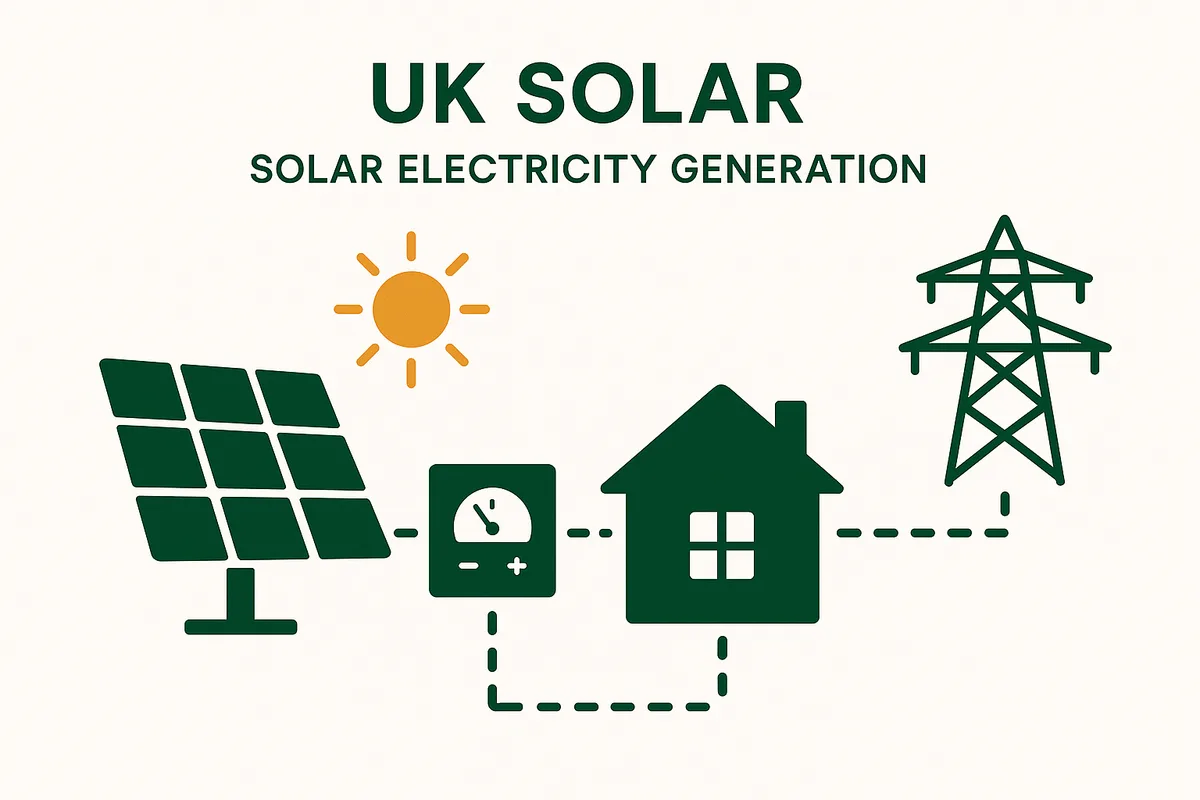
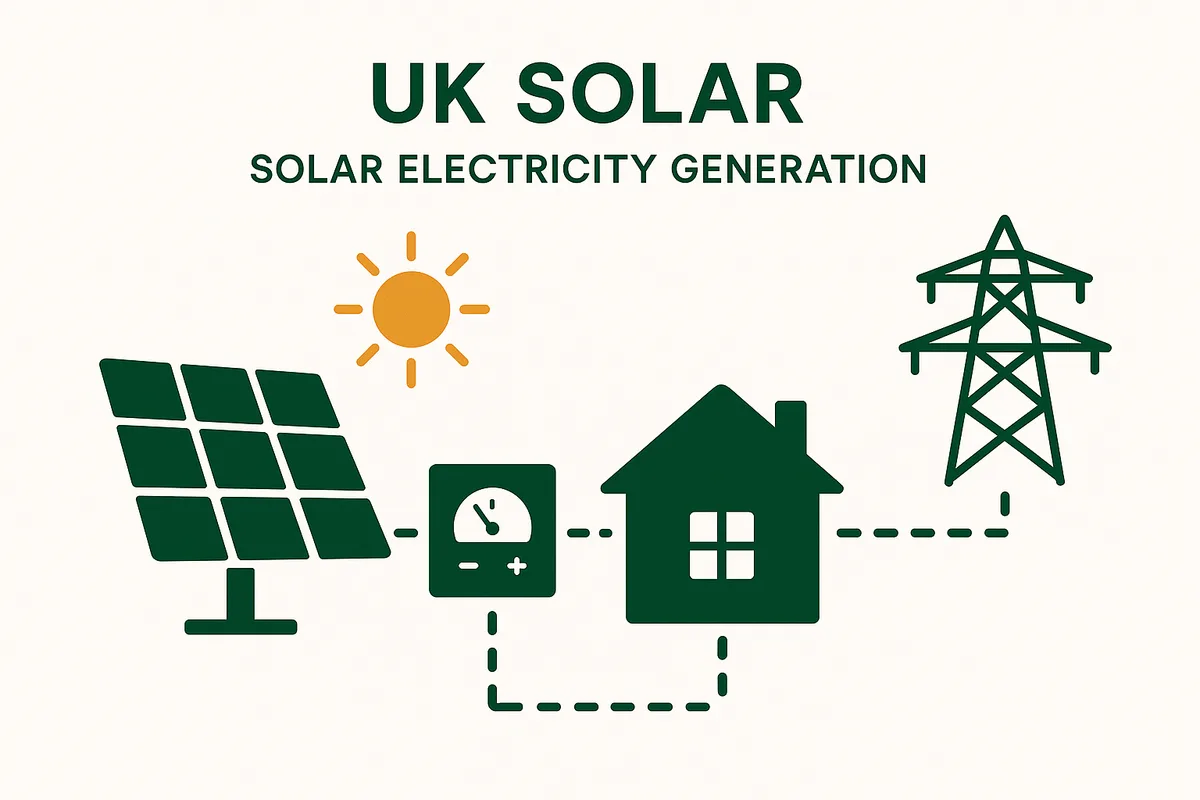
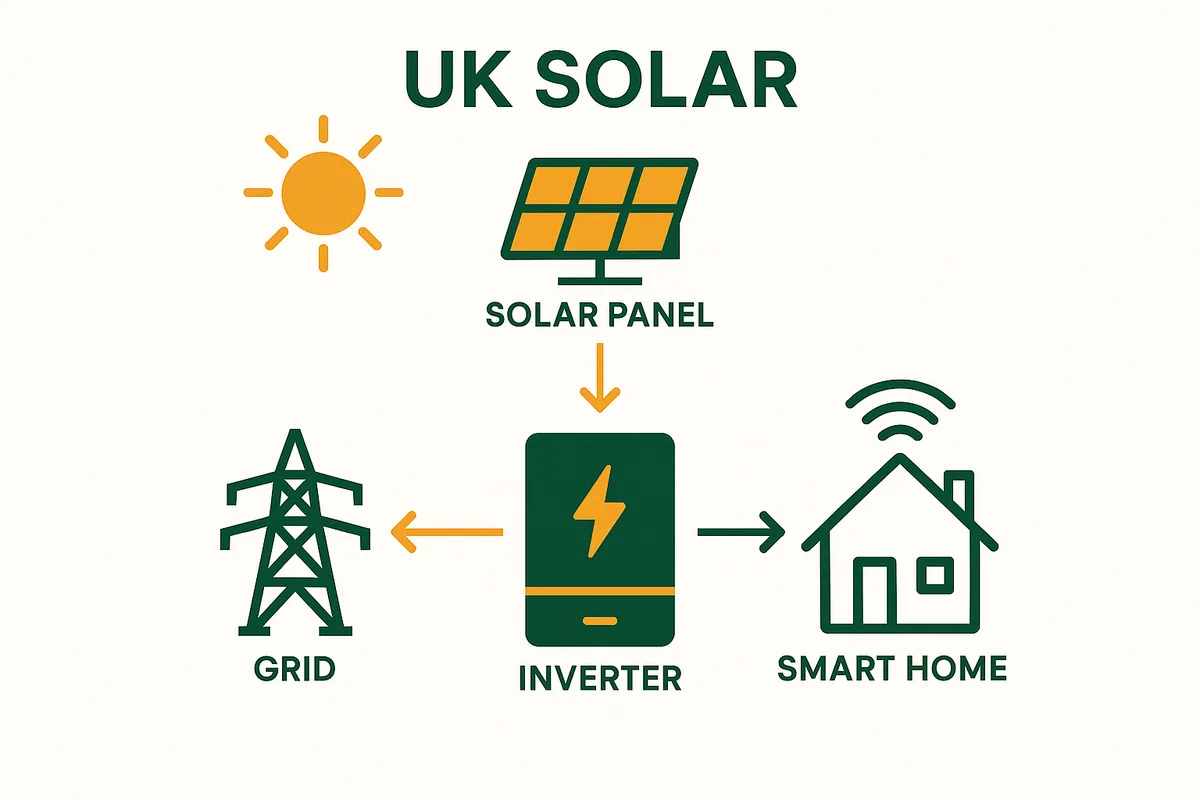
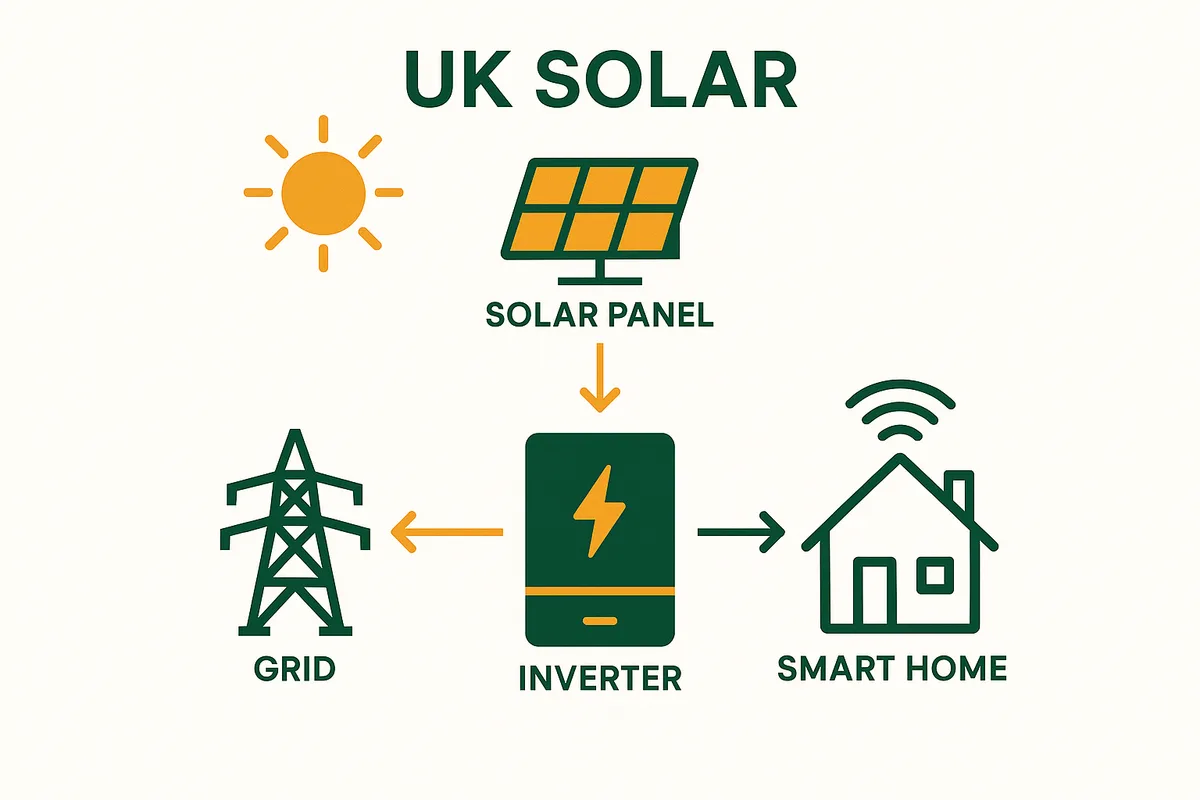
The UK does NOT have net metering. Instead, we have the Smart Export Guarantee (SEG). Net metering (used in some US states and Australia) credits exported solar kWh-for-kWh against your imports — essentially using the grid as a free battery. The UK's SEG pays a fixed or variable rate (4–15p/kWh) for exports, while you pay the full grid rate (26.11p/kWh) for imports. This makes self-consumption (using solar directly) much more valuable than exporting under the UK system.
Net Metering vs SEG: The Key Difference
Net metering (NOT available in the UK): - Export 1 kWh during the day → credit 1 kWh on your bill - Import 1 kWh at night → use your credit (no charge) - The grid acts as a free battery — store daytime solar for nighttime use - You only pay for NET consumption (import minus export) - If you export more than you import: you may receive nothing or a small payment for the surplus
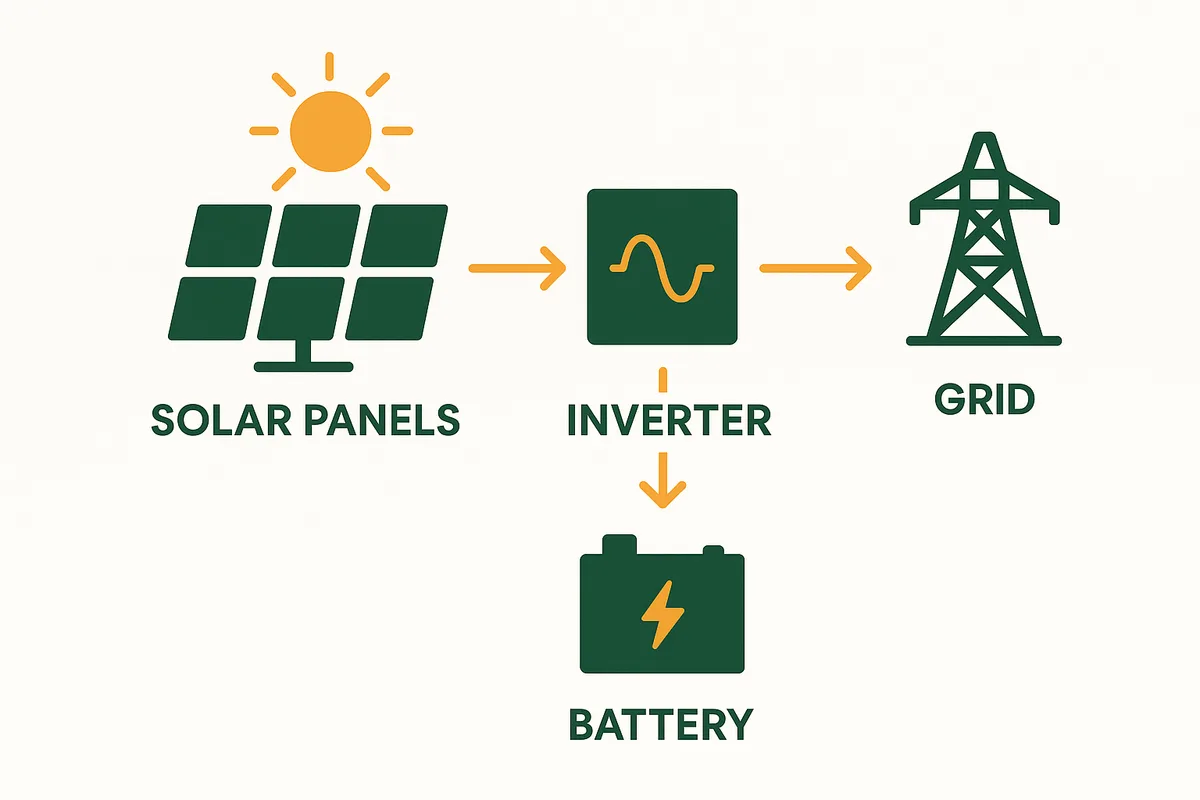
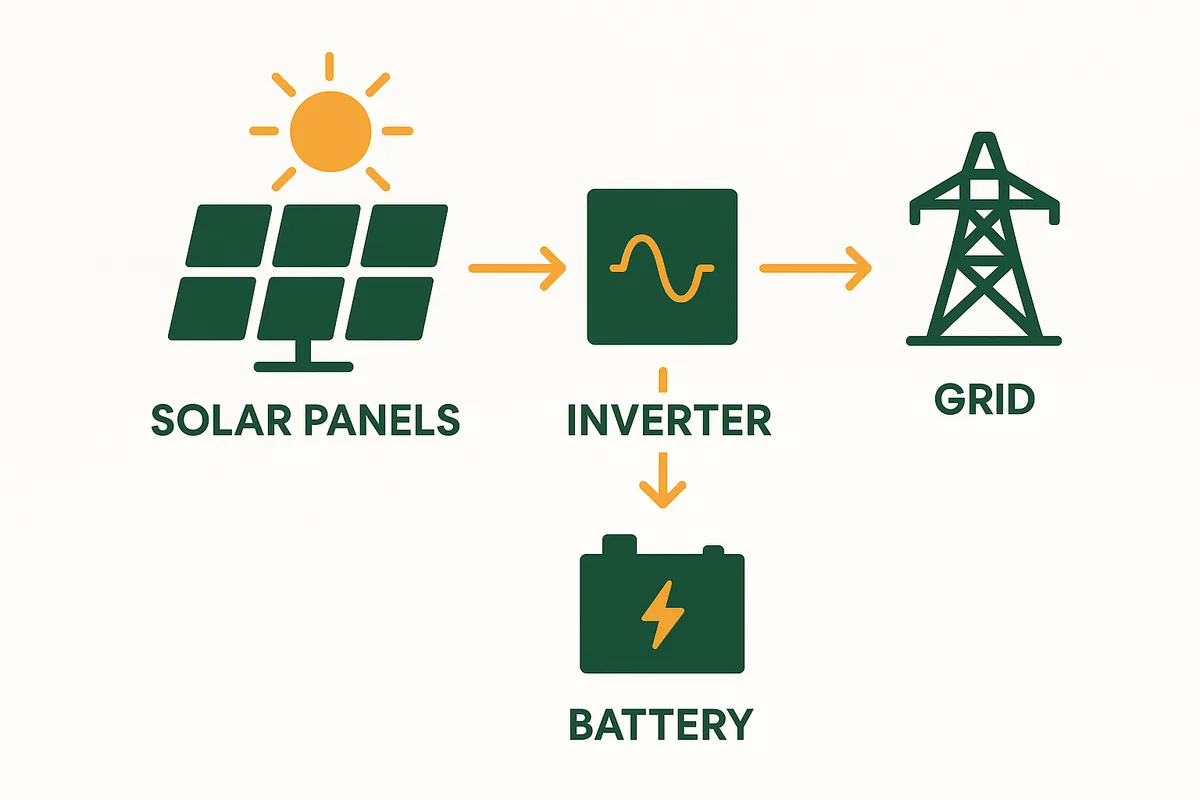
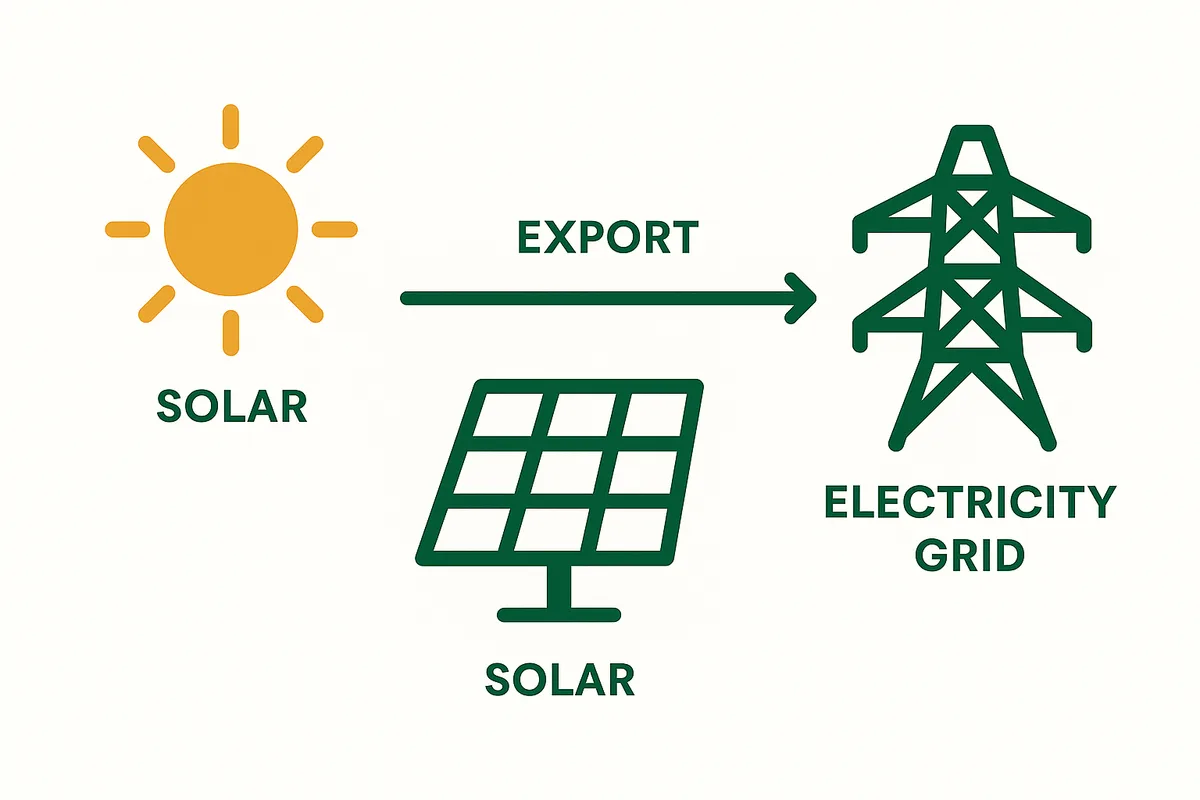
Smart Export Guarantee (UK system): - Export 1 kWh during the day → earn 4–15p - Import 1 kWh at night → pay 26.11p (full grid rate) - The grid does NOT act as a battery — you pay full price for every imported kWh - Export income and import cost are completely separate - Self-consumption saves 26.11p/kWh; export earns only 4–15p
Why this matters: Under net metering, exporting and self-consuming have the same value (both worth 1 kWh against your bill). Under SEG, self-consumption is worth 2–6x more than exporting. This is why batteries, appliance shifting, and solar diverters are so important in the UK — they increase self-consumption.
Source: Ofgem SEG; international net metering comparison.
Financial Impact: Net Metering vs SEG
4kW system, 4,000 kWh/year, 50% self-consumption:
| Scenario | Self-Consumed | Exported | Import Cost | Export Income | Net Annual Cost |
|---|---|---|---|---|---|
| No solar | 0 | 0 | £980 (4,000 kWh) | £0 | £980 |
| Solar + Net Metering | 2,000 kWh | 2,000 kWh | £0 (netted out) | £0 | £0 |
| Solar + SEG (4.5p) | 2,000 kWh | 2,000 kWh | £490 (2,000 kWh) | £90 | £400 |
| Solar + SEG + Battery | 3,200 kWh | 800 kWh | £196 (800 kWh) | £36 | £160 |
If the UK had net metering: Your bill would be near £0 (exports fully offset imports). Under SEG without battery: Your bill is £400 (you pay 26.11p for imports, earn 4.5p for exports). Under SEG with battery: Your bill drops to £160 (battery captures surplus for evening self-use).
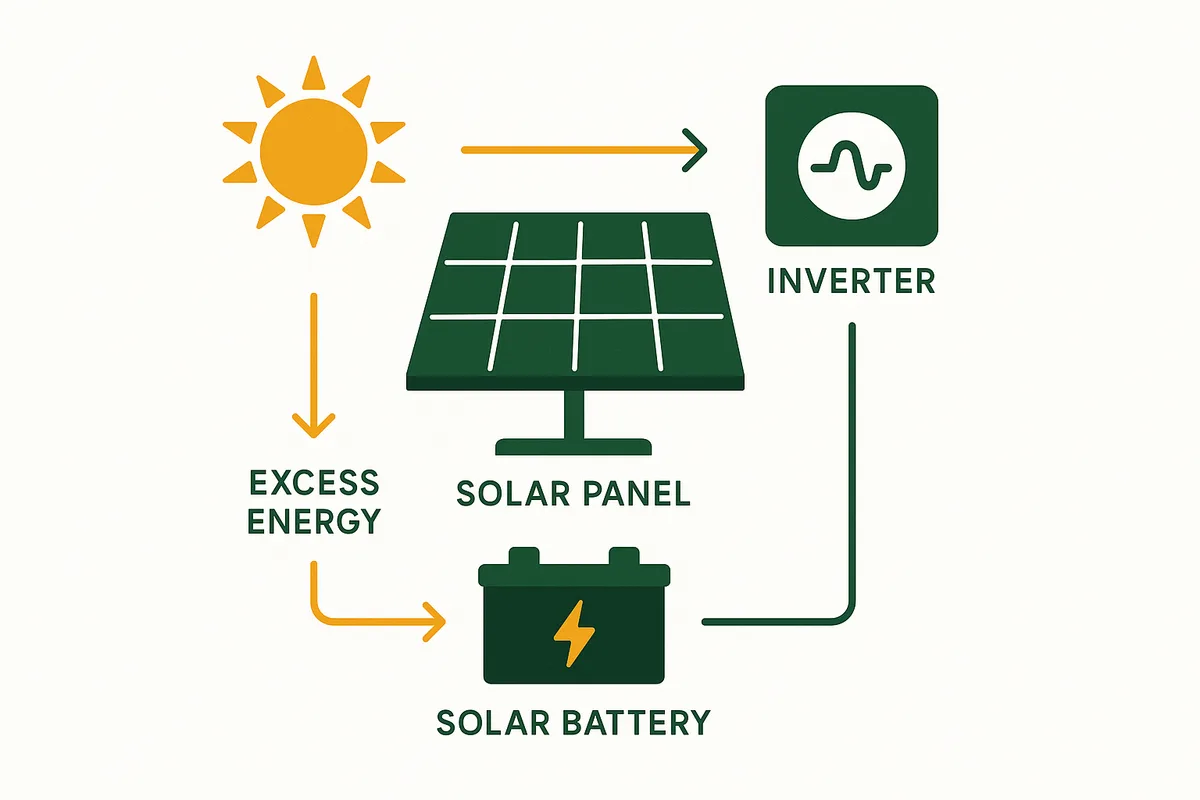
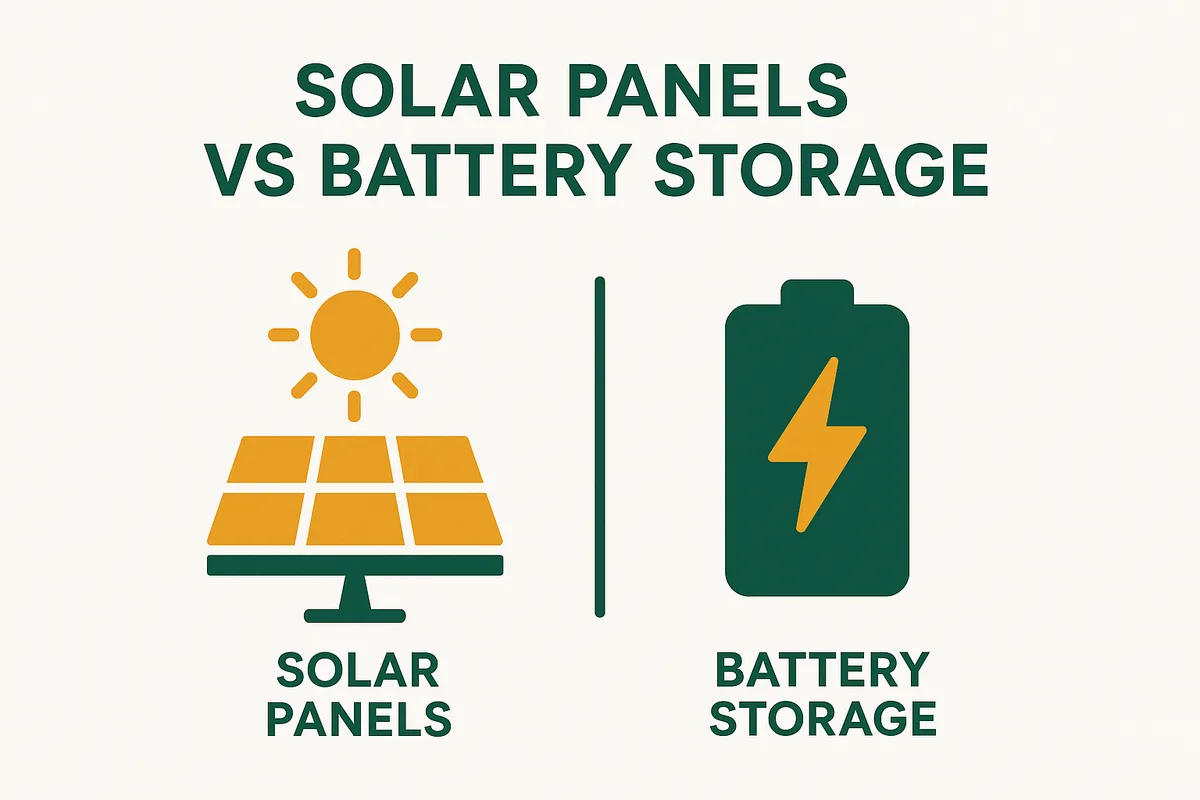
The £400 gap between net metering and SEG is the reason batteries are important in the UK. A battery partially bridges this gap by converting low-value exports into high-value self-consumption.
Source: Financial modelling; international policy comparison.
Want to know what system suits this tariff?
Export tariffs pay very differently depending on your system size and whether you have a battery. See what setup would actually earn you the most at your home.
Size a System for This TariffHow to Maximise Value Under the UK System
Since the UK does not have net metering, maximise self-consumption instead:
- Run appliances during solar hours (10am–3pm) — use delay timers on dishwashers and washing machines
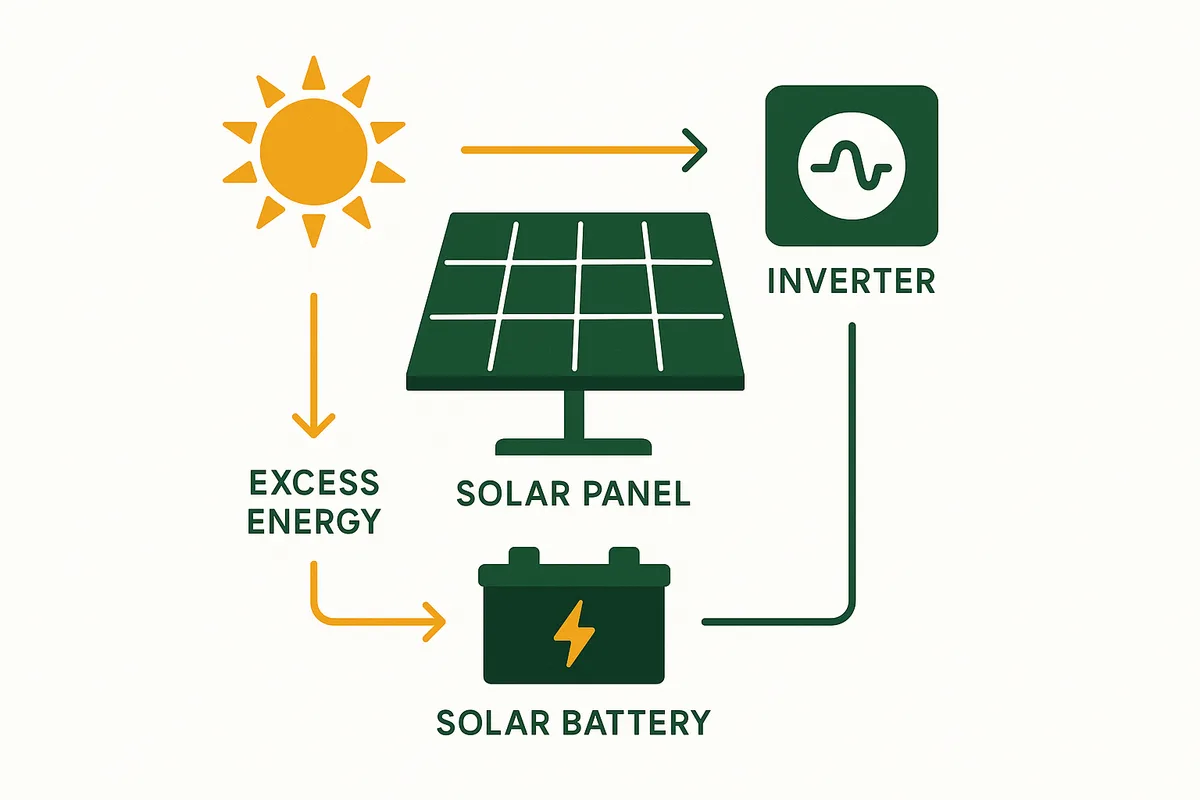
- Add a battery — stores surplus for evening use at 26.11p value instead of exporting at 4.5p
- Install a solar diverter — routes surplus to hot water cylinder (iBoost+, Eddi)
- Charge your EV from surplus solar — Zappi charger does this automatically
- Use a time-of-use tariff — Octopus Flux rewards peak export at 24p/kWh (closer to net metering value)
- Cook and heat during the day — shift energy-intensive activities to solar hours
- Work from home when possible — higher daytime consumption = higher self-consumption
The combination of battery + Octopus Flux comes closest to net metering value: - Battery stores surplus (like net metering storing on the grid) - Flux rewards peak export at 24p (close to the 26.11p self-consumption value) - Flux charges overnight at 10p (cheap refill)
This is the closest the UK system gets to net metering economics without actual policy change.
Source: Tariff optimisation analysis.
Will the UK Ever Get Net Metering?
Unlikely in the near term. Here is why:
- The UK electricity system is designed around time-of-use pricing (grid costs vary by time of day)
- Net metering treats all kWh as equal, regardless of when they are produced — this does not reflect grid costs
- Energy suppliers would lose revenue if exports offset imports 1:1
- The trend is toward smarter, time-differentiated tariffs (like Flux) rather than flat net metering
- The government has chosen the SEG model deliberately
What may improve: - SEG rates may increase as competition between suppliers grows - Time-of-use export tariffs (like Flux) may become more generous - Battery prices will continue to fall, making self-consumption more affordable - Grid services (VPPs) will provide additional income streams
The honest assessment: The UK system is less generous than net metering but is evolving toward smarter value mechanisms. Batteries and smart tariffs are the UK homeowner's best tools.
Source: UK energy policy direction; Ofgem strategic framework.
Frequently Asked Questions
Related guides
You might also like
Want to know what system suits this tariff?
Export tariffs pay very differently depending on your system size and whether you have a battery. See what setup would actually earn you the most at your home.
Size a System for This TariffFree. Uses your postcode and usage — no phone number needed.