Solar Panel Building Regulations UK
Ready to see what solar could save you?
Get free, no-obligation quotes from MCS-certified installers in your area.
Get Free QuotesFree, no obligation. Takes 2 minutes.
What building regulations apply to solar panels?
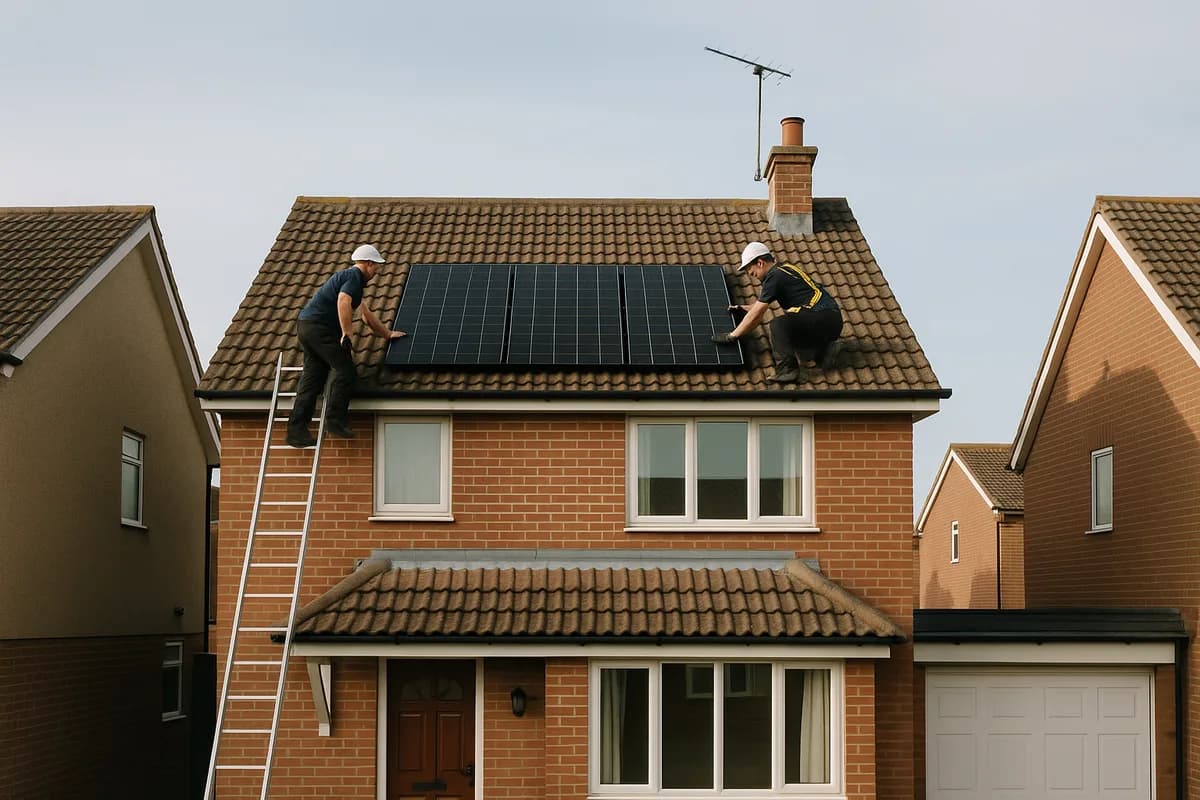
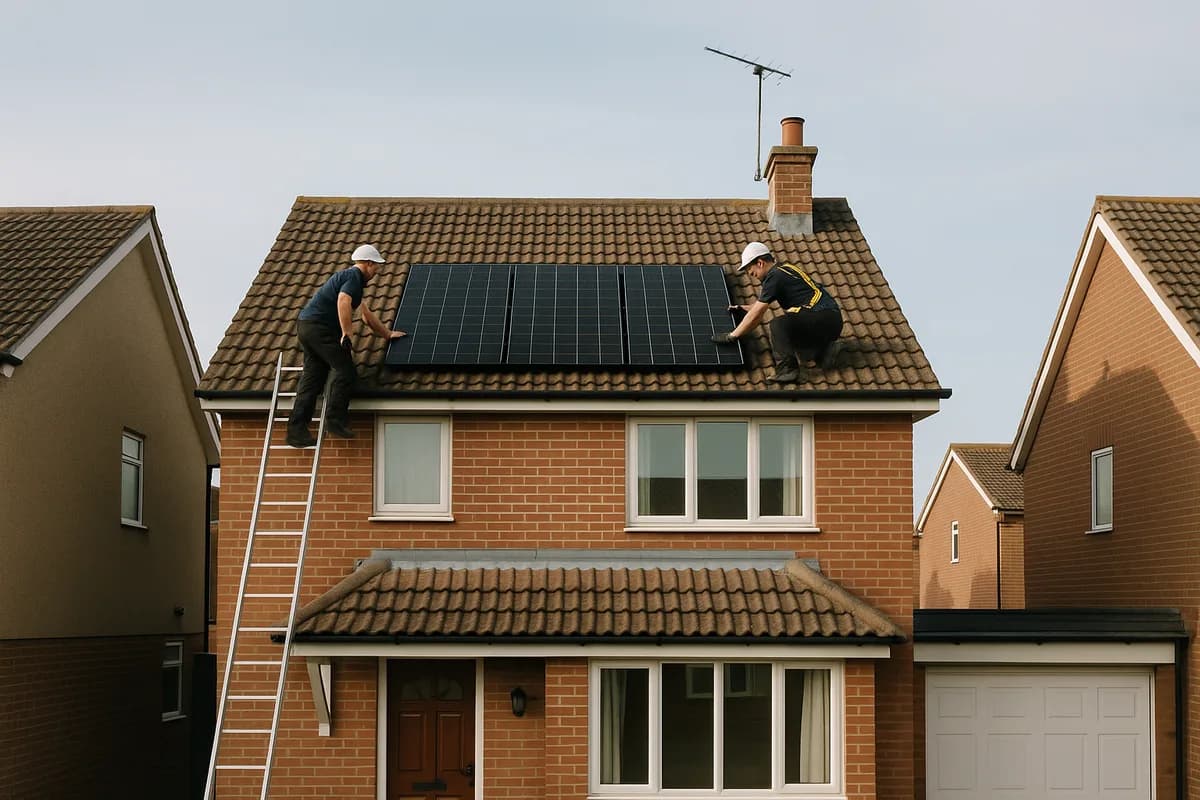
UK solar panel installations must comply with: Part P Building Regulations (electrical safety), structural loading standards (roof weight capacity), and ENA G98/G99 (grid connection requirements). MCS-certified installers are authorised to self-certify Part P compliance, handle G98/G99 notification, and assess structural suitability — so you do not need separate building control involvement. The only time you might need additional approvals is for listed buildings or conservation areas.
Part P: Electrical Safety
Part P of the Building Regulations (England and Wales) covers electrical safety in dwellings.
What it requires: - All electrical work connecting to the mains must be carried out by a 'competent person' or inspected by building control - Solar panel AC connection to your consumer unit falls under Part P - The DC wiring from panels to inverter is not covered by Part P (not mains voltage) - BUT all electrical work must comply with IET Wiring Regulations (BS 7671)
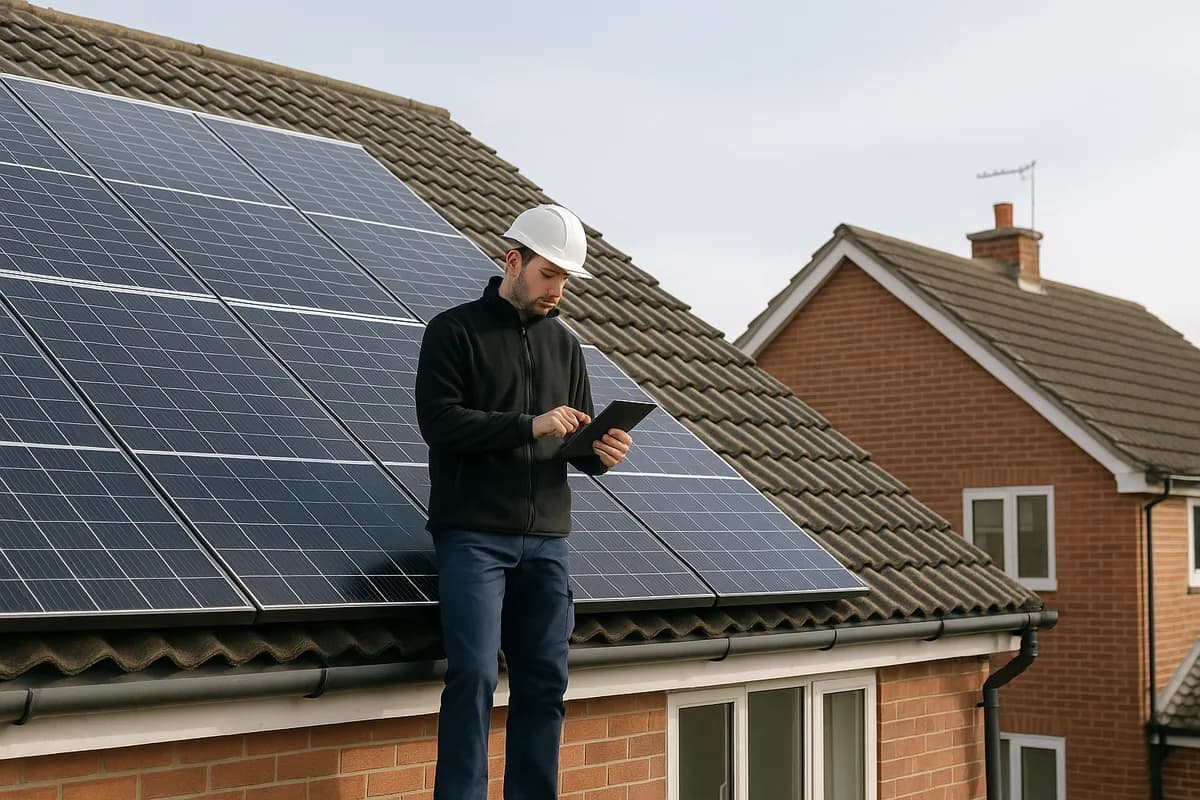
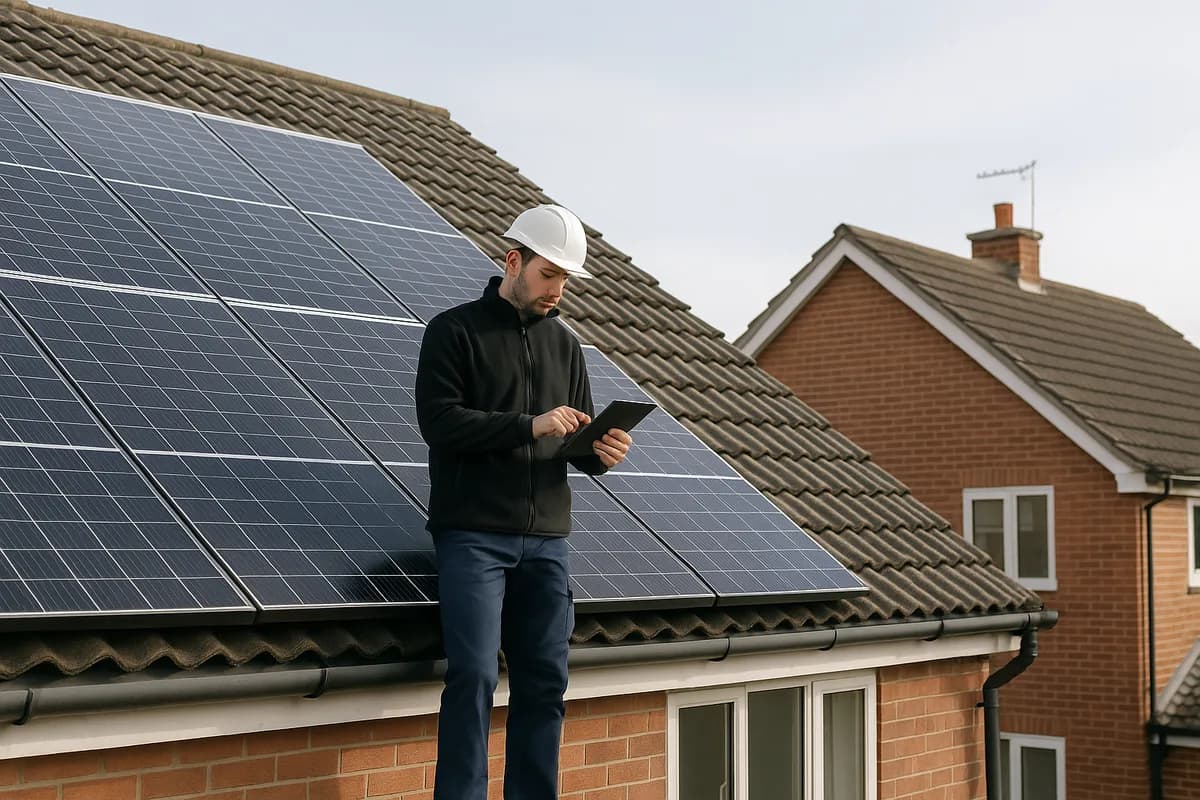
How MCS installers handle this: - MCS-certified installers are registered as 'competent persons' under Part P - They can self-certify their electrical work — no separate building control notification needed - After installation, they provide an Electrical Installation Certificate as proof of compliance - This certificate is registered with the local building control body automatically
If you use a non-MCS installer: - You must notify your local building control BEFORE the electrical work begins - Building control will inspect the work and charge a fee (£200–£400) - Failure to notify is a breach of building regulations — can cause problems when selling the property
Source: Building Regulations Part P (England and Wales); IET Wiring Regulations BS 7671.
Structural Regulations
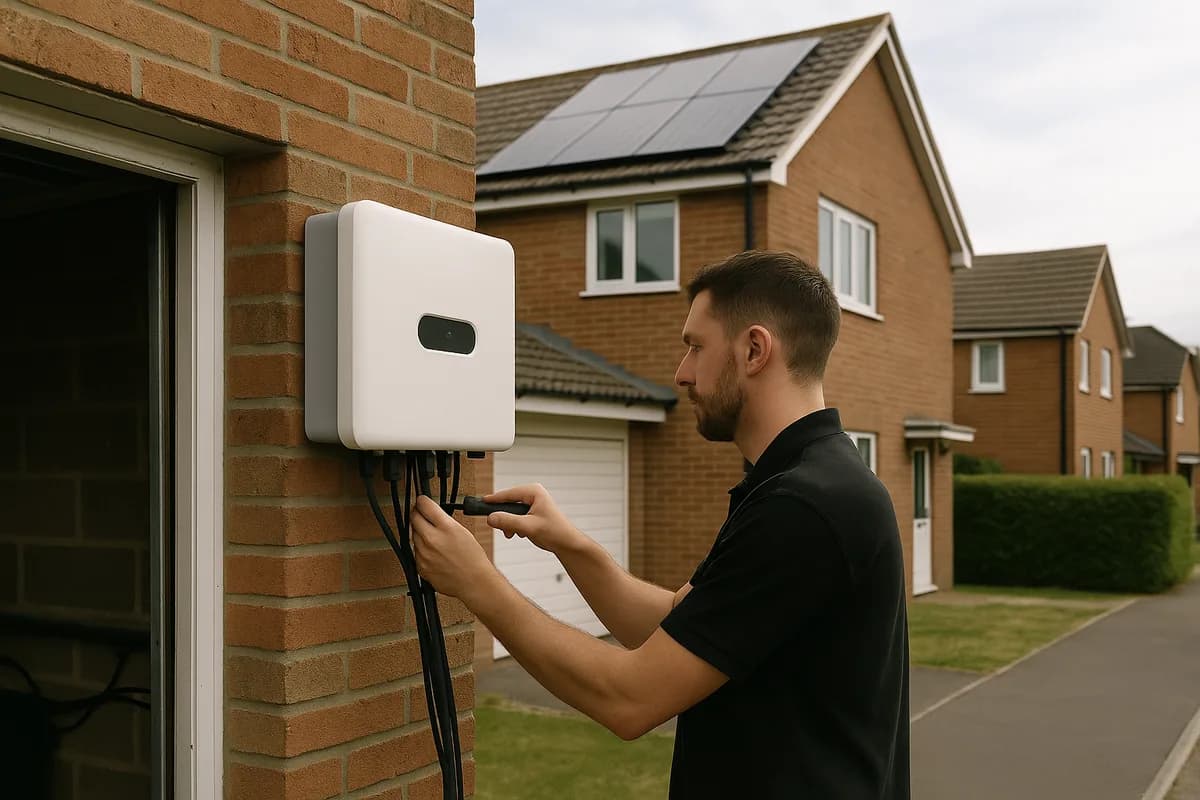
Solar panels add weight to your roof — this must be within the structural capacity:
The standard: - BS EN 1991 (Eurocode 1) defines structural loading for UK buildings - Roofs must support: self-weight (tiles + structure) + imposed loads (wind, snow) + any additions (solar) - Solar panels add approximately 12–14 kg/m² distributed load
Assessment: - MCS installers assess structural suitability during the site survey - For standard modern UK homes (post-1960s): solar panel weight is well within design margins - For pre-1960s homes, converted lofts, or lightweight structures: a structural engineer's assessment may be recommended (£200–£400)
No building regulations approval is needed for structural loading — it is an assessment, not an application. Your installer takes responsibility for confirming the roof is adequate.
Source: BS EN 1991; MCS structural assessment guidance.
G98 and G99: Grid Connection
Ready to see what solar could save you?
Get free, no-obligation quotes from MCS-certified installers in your area.
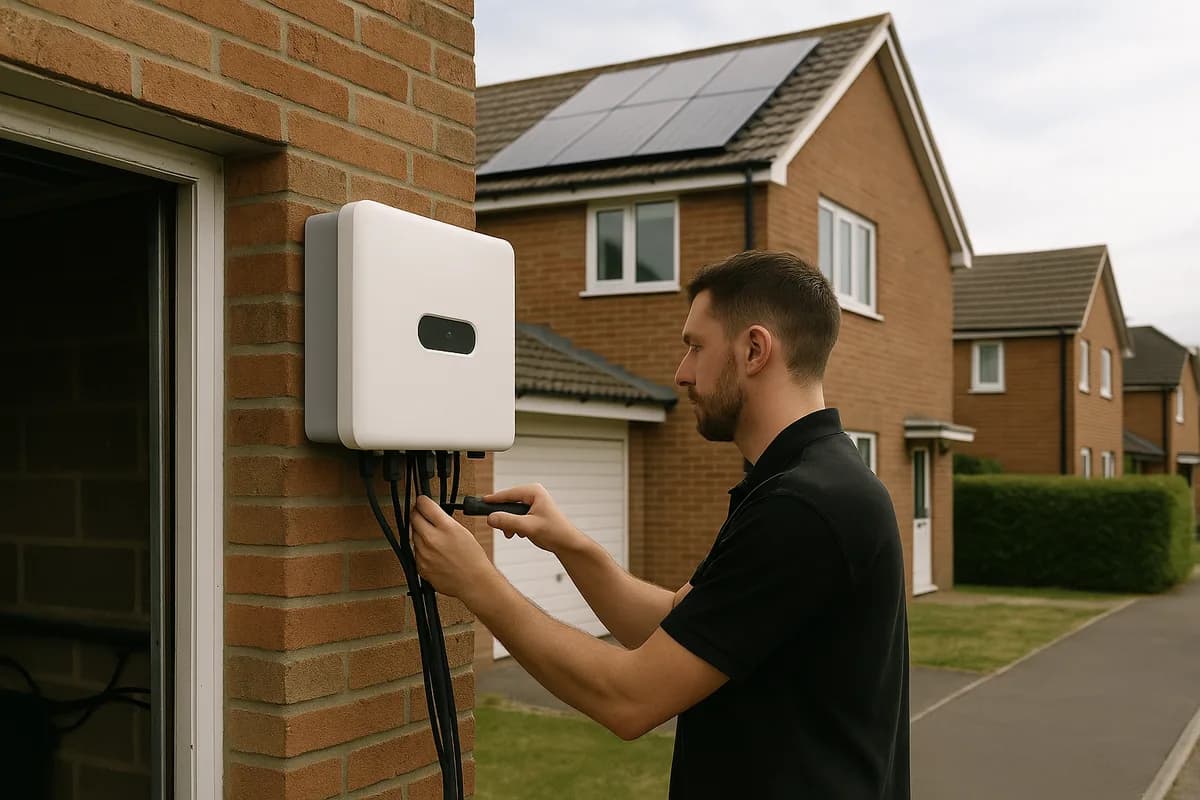
Get Free QuotesConnecting a solar system to the electricity grid requires notification to your Distribution Network Operator (DNO):
G98 (systems under 3.68kW single phase): - Simple notification — no approval needed - Installer submits a form to the DNO within 28 days of connection - The system can connect immediately — no waiting period - Most residential systems under 3.68kW use G98
G99 (systems 3.68kW to 50kW single phase): - Application process — installer submits to the DNO - DNO has 11 working days to respond - Most applications are approved automatically - Rarely, a connection study may be required (45 days, free) - Very rarely, a grid upgrade may be needed (costs vary)
Who handles this: Your MCS-certified installer submits the G98 or G99 notification/application on your behalf. You do not need to contact the DNO directly.
Source: ENA Engineering Recommendation G98; G99.
Other Regulatory Considerations
- Fire safety — DC cables must be installed in fire-resistant conduit where they run through the building. Panels must have DC isolator switches accessible from ground level.
- Roof weatherproofing — mounting must maintain the waterproof integrity of the roof. Tiles must reseat properly around mounting hooks.
- Permitted development — most residential solar does NOT need planning permission (see our planning permission guide). Listed buildings and conservation areas have additional requirements.
- Building insurance — notify your insurer of the installation (not a regulation, but a policy requirement).
- EPC — installing solar changes your EPC rating. You may want to commission a new EPC (£60–£80) to capture the improvement.
- Scotland — Part P does not apply in Scotland. The Scottish Building Standards apply instead. MCS installers in Scotland comply with these standards.
Summary: What You Need to Do
If you use an MCS-certified installer (recommended): You need to do NOTHING regarding building regulations. Your installer: - Self-certifies Part P electrical compliance - Submits G98/G99 notification to the DNO - Assesses structural suitability - Provides MCS certificate and Electrical Installation Certificate - Handles all regulatory paperwork
If you use a non-MCS installer or DIY: You are responsible for: - Notifying building control before electrical work (Part P) - Paying for building control inspection (£200–£400) - Submitting G98/G99 yourself to the DNO - Obtaining your own Electrical Installation Certificate - You cannot obtain MCS certification, and SEG needs MCS or an accredited equivalent
The message is clear: Use an MCS-certified installer. It is simpler, cheaper, and gives you full regulatory compliance plus SEG eligibility.
Source: Building Regulations; MCS consumer guidance.
Frequently Asked Questions
Related guides
Related: Home Heating Systems
Solar panels are most powerful when combined with an efficient heating system. Heat pumps use solar-generated electricity to heat your home at 300-400% efficiency — making them the ideal partner for solar.
Heat pump installation typically takes 2-3 days and is best planned alongside solar.
From our sister site Home Heat Pump Guide
You might also like
Ready to see what solar could save you?
Get free, no-obligation quotes from MCS-certified installers in your area.
Get Free QuotesFree, no obligation. Takes 2 minutes.