Solar Panel Theft: Is It a Real Risk?
Ready to see what solar could save you?
Get free, no-obligation quotes from MCS-certified installers in your area.
Get Free QuotesFree, no obligation. Takes 2 minutes.
Do solar panels get stolen?
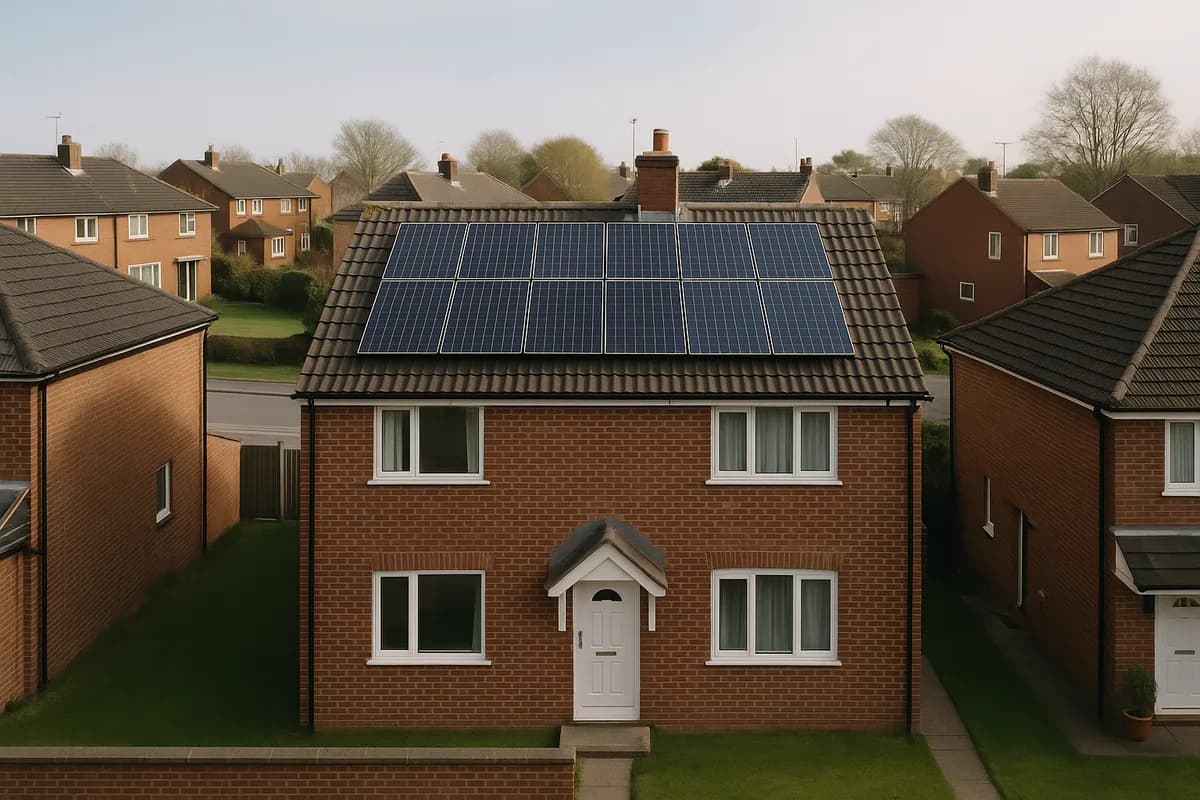
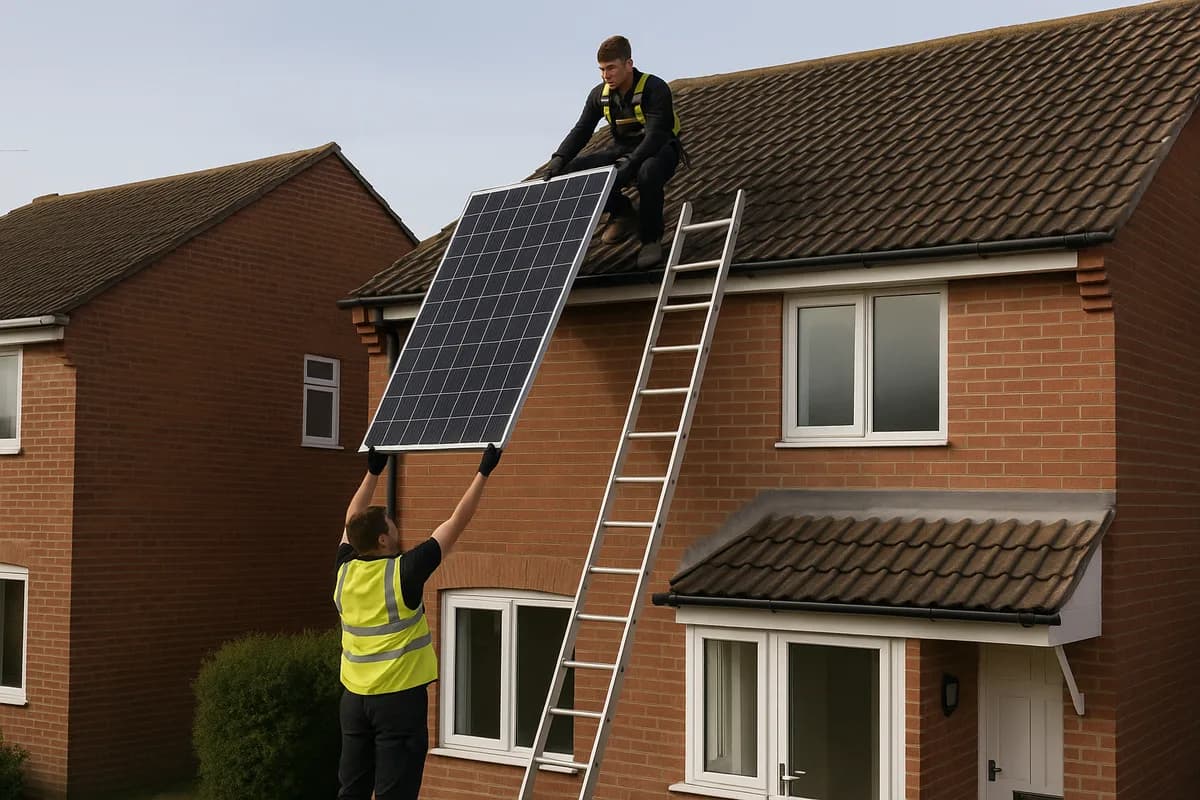
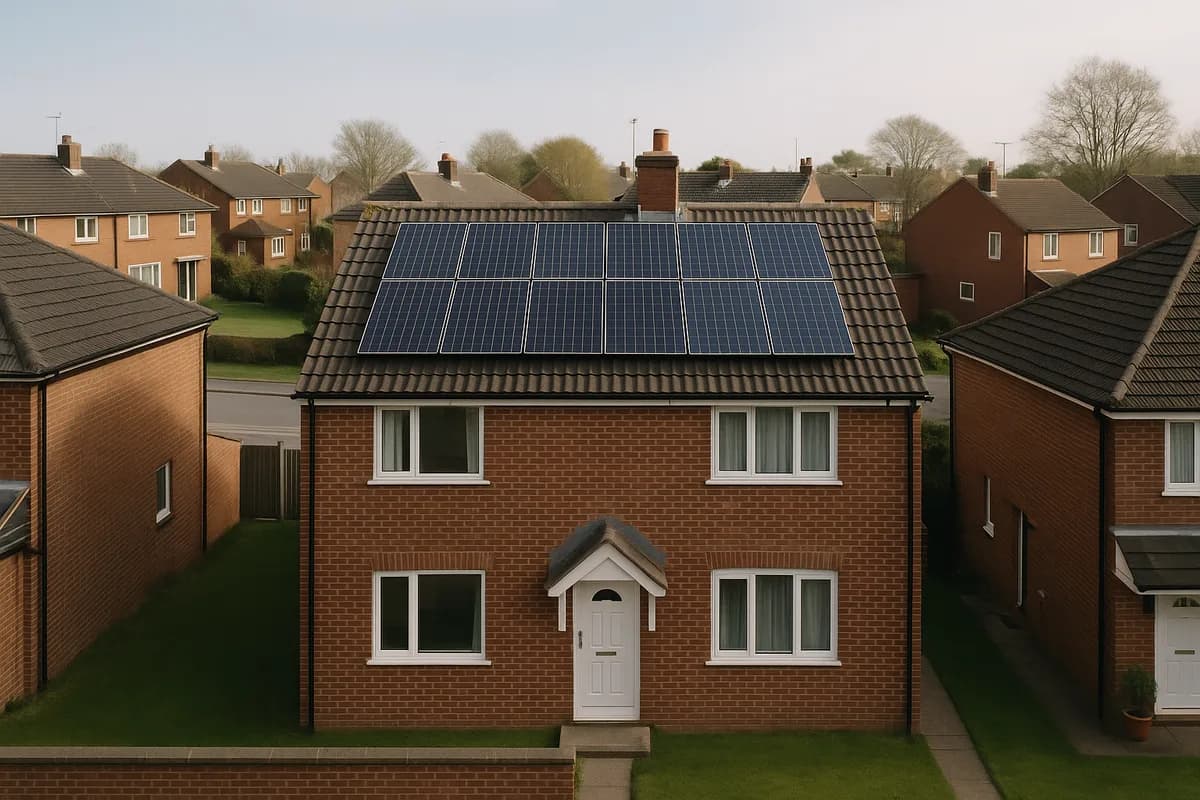
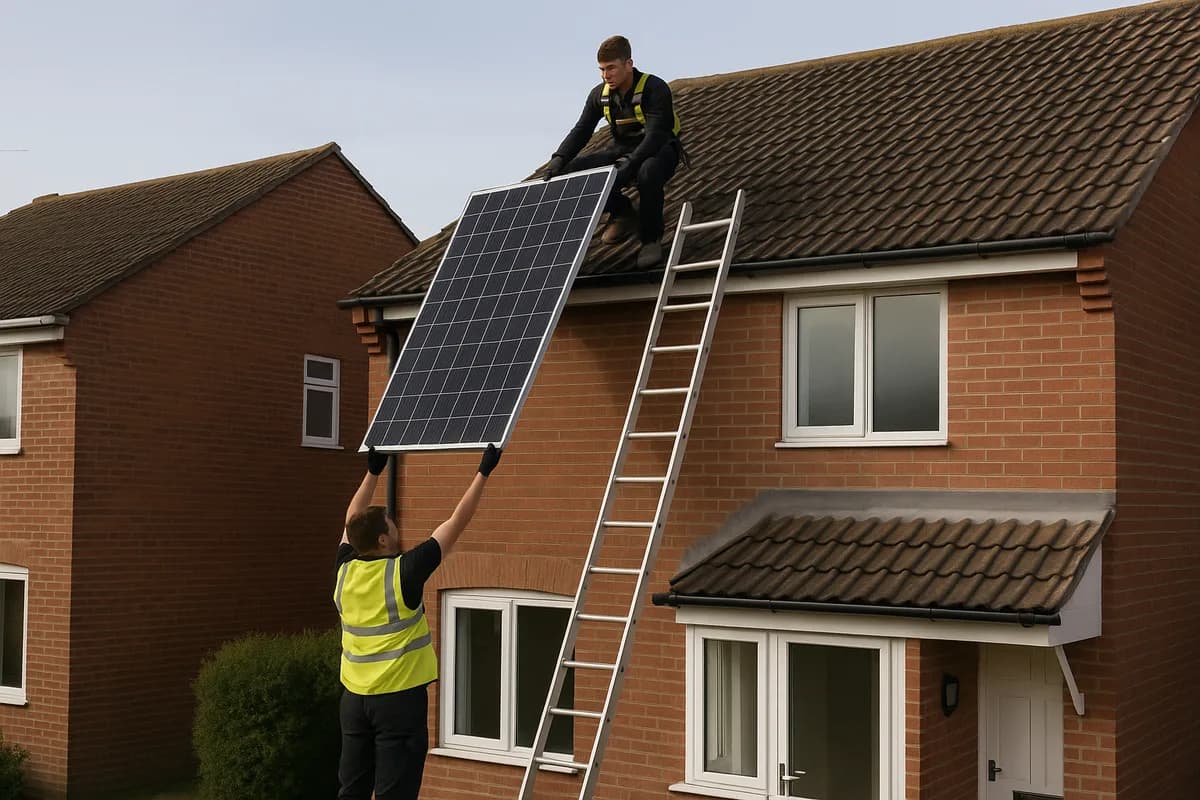
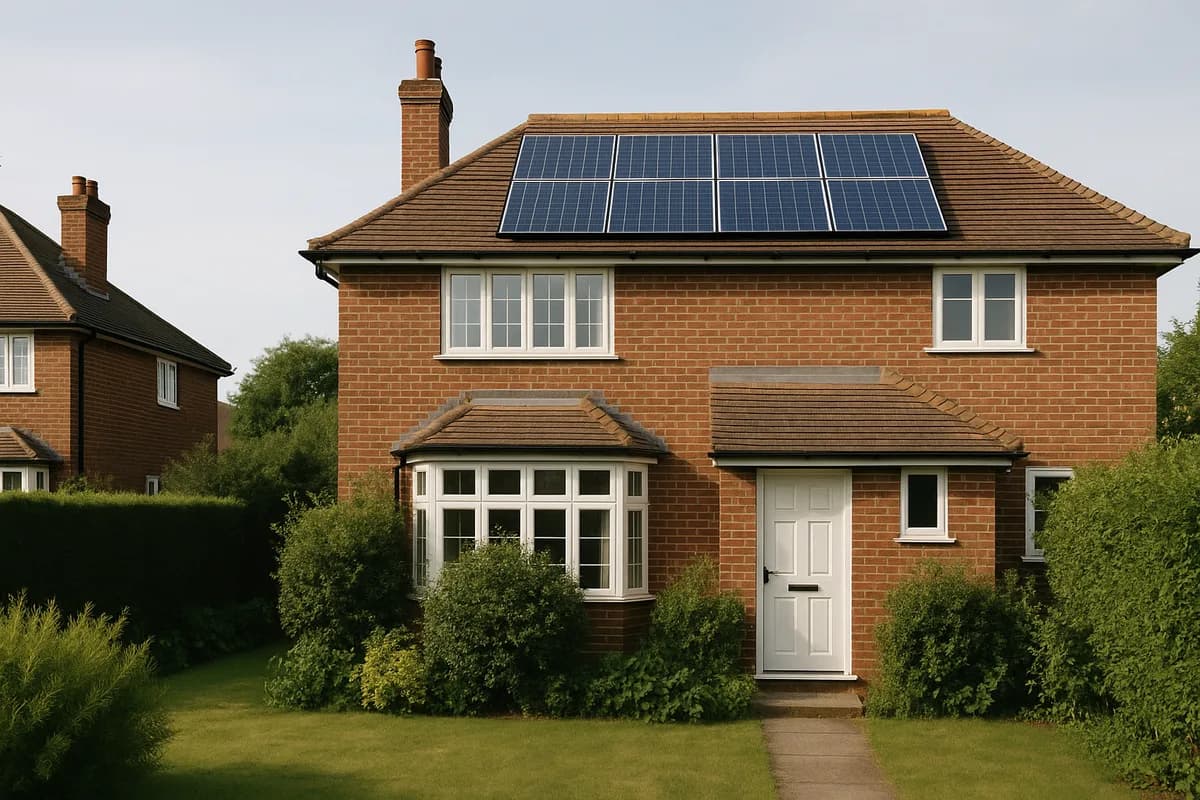
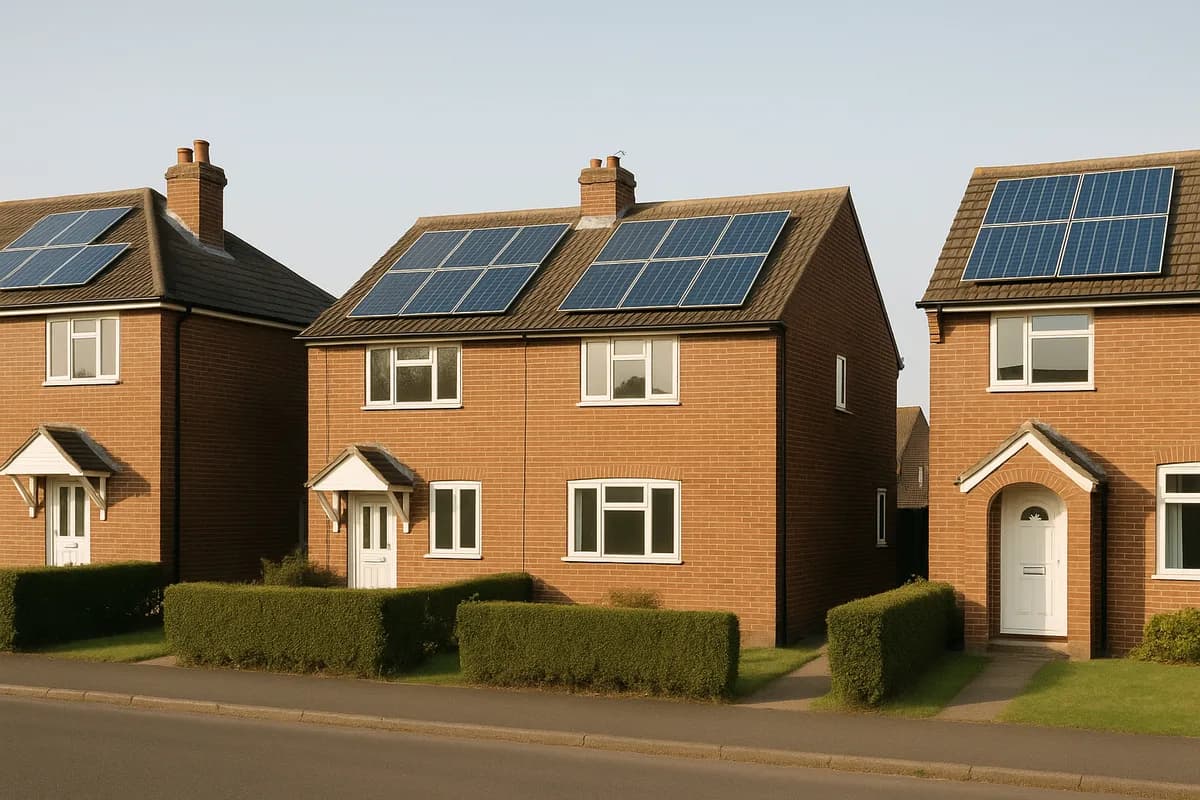
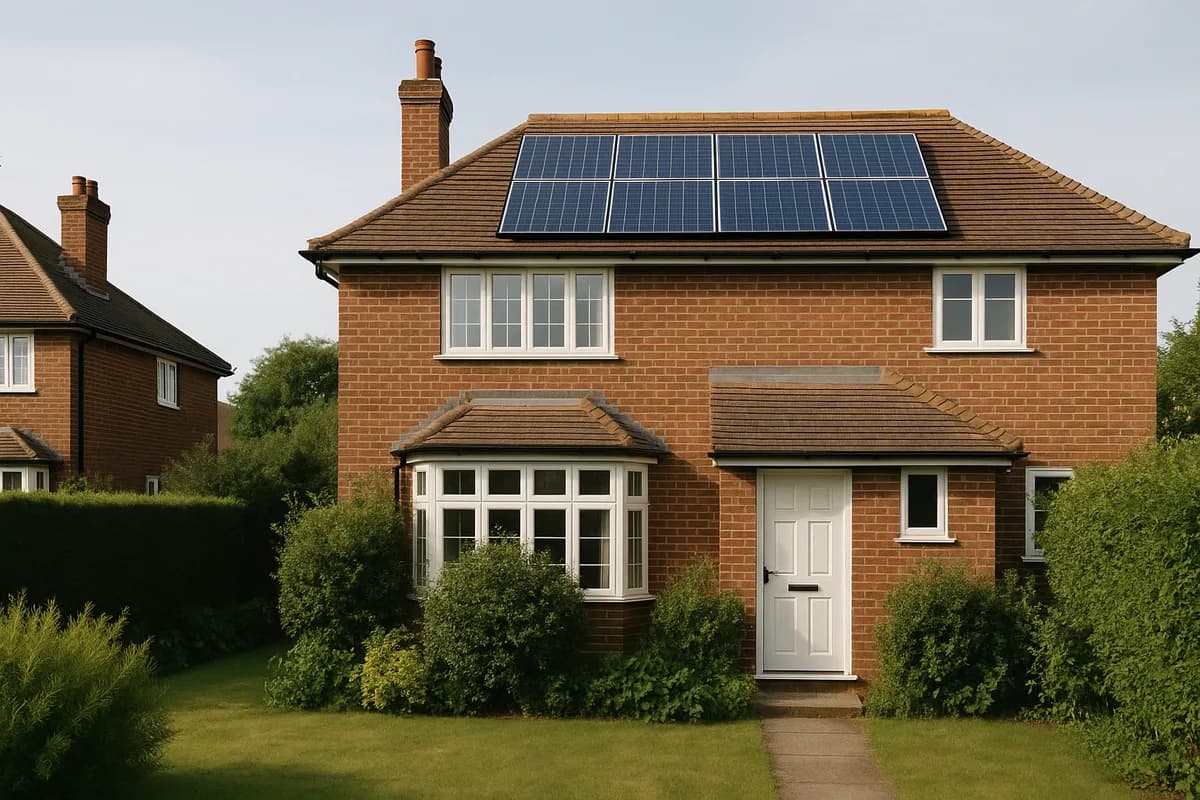
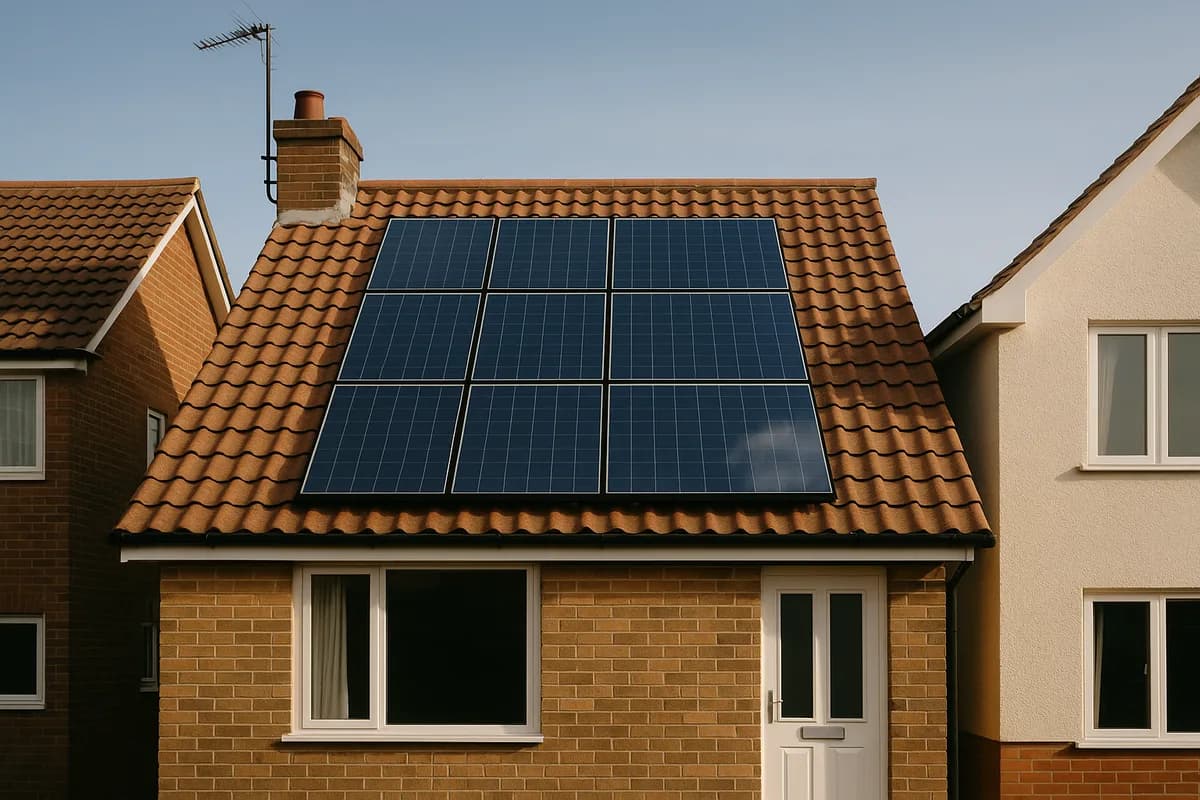
Solar panel theft from UK rooftops is extremely rare — virtually unheard of. Each panel weighs 20kg, is bolted to the roof with specialised fixings, requires tools and ladders to remove, is conspicuous during removal, has a low second-hand value (£30–£100 per used panel), and is traceable via serial numbers. Ground-mounted panels in remote locations have slightly higher theft risk. Standard home security (CCTV, lighting) is more than adequate for any concern.
Why Rooftop Solar Theft Is Virtually Non-Existent
- Each panel weighs 20kg — heavy and awkward to carry down a ladder
- Panels are bolted to roof rails with specialised clamps — requires tools and time to remove
- Removing panels is conspicuous — a person on your roof with tools is noticed by neighbours
- DC wiring carries 300-600V in daylight — dangerous to disconnect without expertise
- Used panels have low resale value (£30–£100 each) — not worth the risk
- Serial numbers on every panel — traceable if reported stolen
- Most homes have CCTV, motion lights, or visible security measures
- Insurance covers theft — any loss is claimable on buildings insurance
UK crime data confirms: There are no significant statistics on residential solar panel theft in the UK. Police forces do not track it as a separate crime category because it is so rare. In contrast, catalytic converter theft (easy to steal, high resale value) is a significant and tracked crime — illustrating that thieves target items that are quick to take and valuable to sell. Solar panels are neither.
Source: UK crime statistics; Police crime reporting categories.
Ready to see what solar could save you?
Get free, no-obligation quotes from MCS-certified installers in your area.
Get Free QuotesWhere Theft Risk IS Higher (Ground-Mounted)
Ground-mounted panels in remote locations (farms, allotments, remote outbuildings) have a slightly higher theft risk because: - They are accessible without ladders - Remote locations have no witnesses - Mounting clamps can be removed with basic tools - The location may not have CCTV or security lighting
Precautions for ground-mounted panels: - Security fencing around the array - CCTV cameras covering the panels - Motion-activated security lighting - Anti-tamper bolts on mounting clamps (require special tool to undo) - Visible 'CCTV in operation' signage (deterrent) - Register panels on property marking databases (SmartWater, Immobilise)
Even with these precautions, ground-mounted theft remains rare. The low resale value of used panels makes them an unattractive target.
Source: Rural crime prevention guidance; NFU security advice.
Insurance Protection
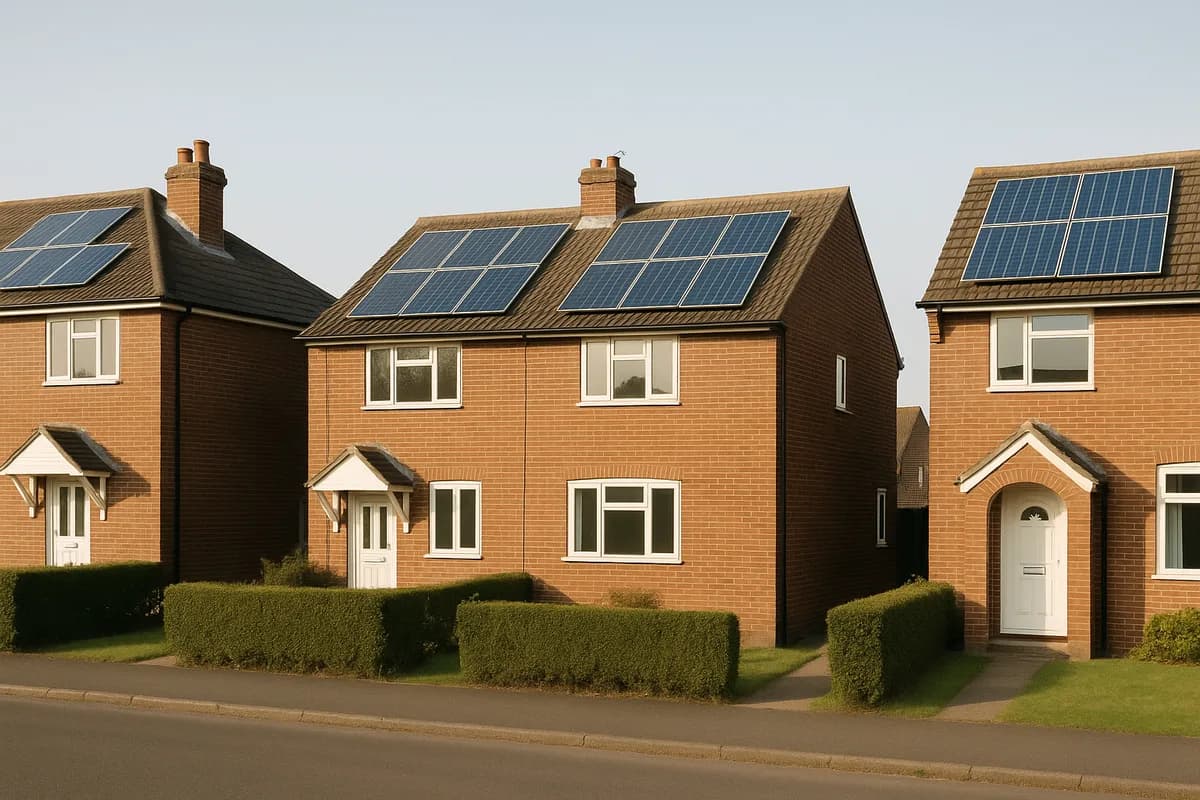
Your buildings insurance covers solar panel theft. If panels were stolen (extremely unlikely):
1. Report to the police (crime reference number needed for insurance claim) 2. Contact your insurer with photos of the installation and MCS certificate 3. Claim for replacement panels + installation labour 4. Excess applies (typically £250–£500)
Most insurers do not charge any additional premium for solar theft risk — it is that rare.
Source: ABI insurance guidance.
Frequently Asked Questions
Related guides
You might also like
Ready to see what solar could save you?
Get free, no-obligation quotes from MCS-certified installers in your area.
Get Free QuotesFree, no obligation. Takes 2 minutes.