Solar Panels and Pets: What to Know
Ready to see what solar could save you?
Get free, no-obligation quotes from MCS-certified installers in your area.
Get Free QuotesFree, no obligation. Takes 2 minutes.
Do animals cause problems with solar panels?
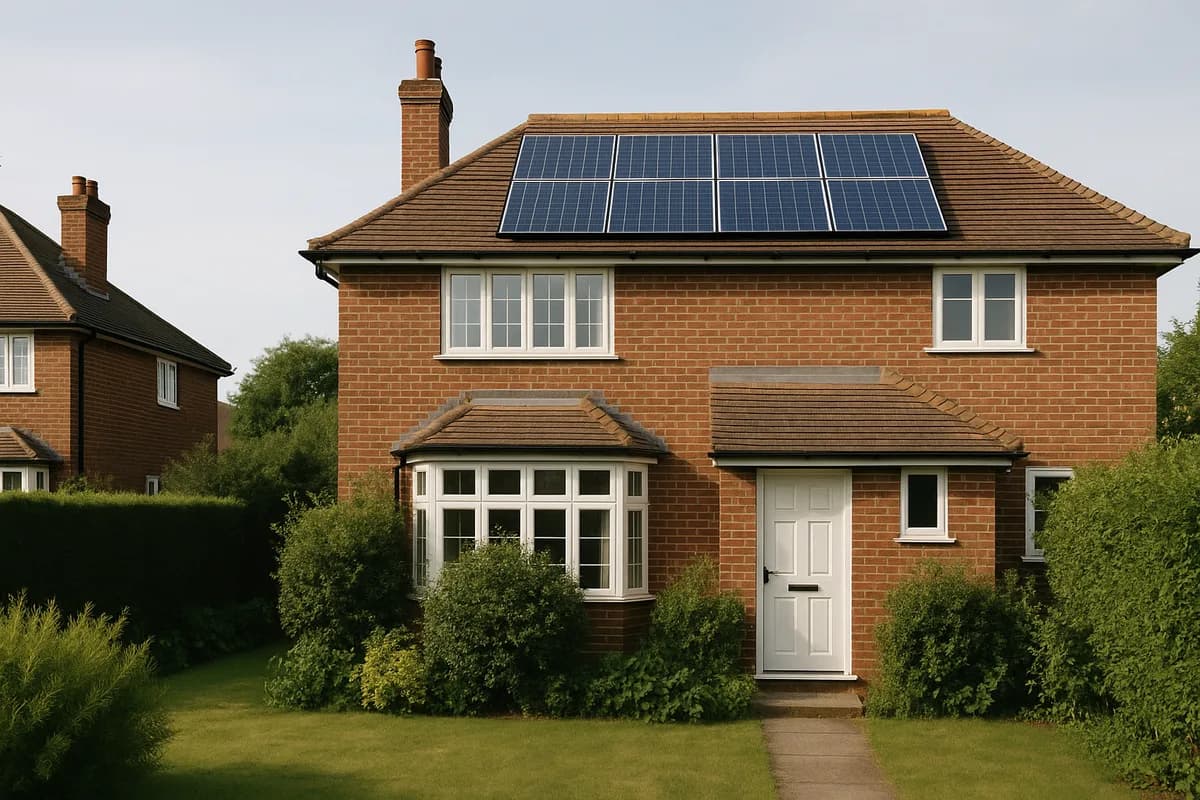
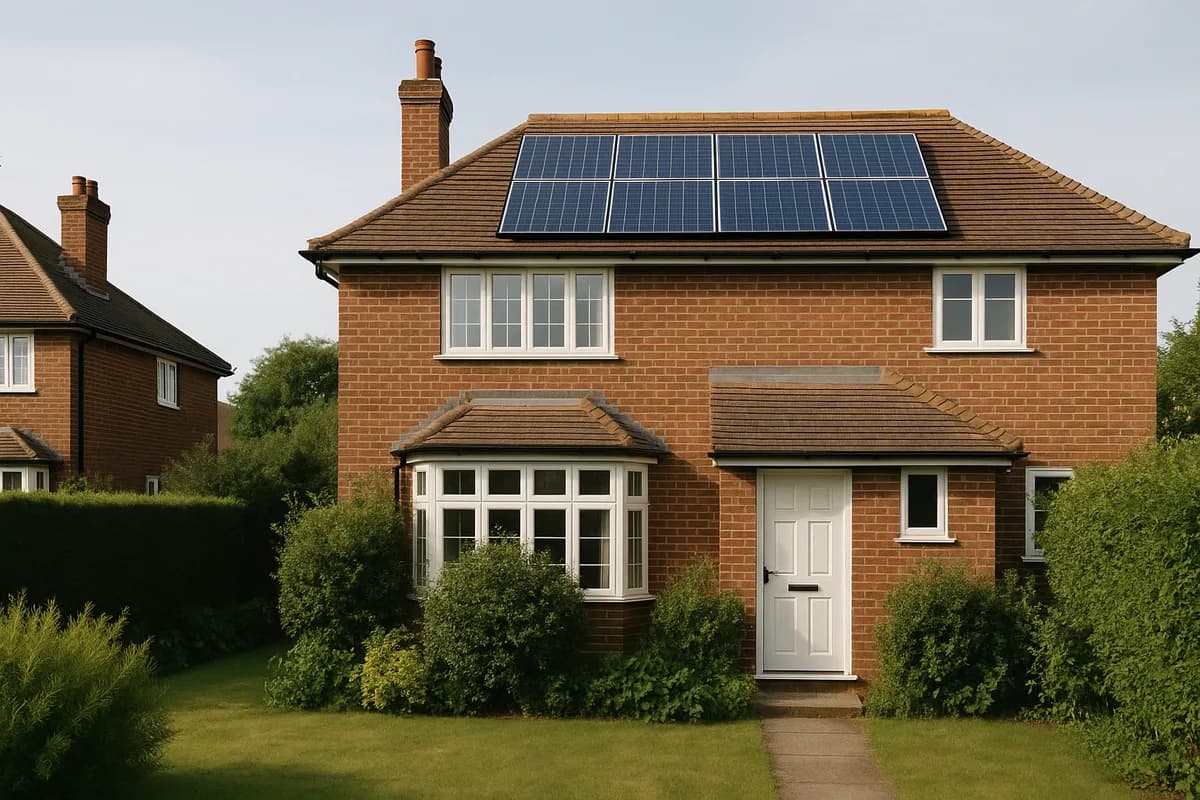
The main animal concern with solar panels is pigeons nesting underneath the panels, causing droppings, noise, and wiring damage. Bird proofing mesh (£300–£600) prevents this entirely. Cats may walk on panels but cannot damage the tempered glass. Squirrels and rats can chew wiring in rare cases — bird proofing mesh also prevents rodent access. Your own pets (dogs, cats) are not at risk from a solar installation.
Pigeons: The Main Problem
The gap between solar panels and roof tiles (10–15cm) is ideal pigeon habitat — warm, sheltered, and safe from predators. Pigeons cause:
- Droppings on panels: Reduces output by 5–10%. Creates 'hot spots' on cells.
- Wiring damage: Pigeons peck at DC cables, risking electrical faults.
- Gutter blockages: Nesting material washes into gutters.
- Noise: Cooing and scratching at dawn — often directly above bedrooms.
- Health risks: Pigeon droppings carry diseases (ornithosis, E.coli, salmonella).
The solution: bird proofing mesh - Galvanised wire mesh clips to panel edges - Creates a complete barrier — no bird access - Cost: £300–£600 for a typical 10–16 panel system - Lasts 10+ years, zero maintenance - Zero effect on panel performance - Ideally installed at the same time as panels (£200–£400 cheaper when scaffolding is already up)
Source: British Pest Control Association; MCS maintenance guidance.
Cats: No Cause for Concern
Cats occasionally walk on solar panels — especially if they are accessible from a wall or fence. This is harmless:
- Panel glass: 3.2mm tempered glass supports 550 kg/m². A cat weighing 4–5kg creates negligible stress.
- Scratching: Cat claws cannot scratch tempered glass. The anti-reflective coating is hardened.
- Sitting on panels: Cats may sit on warm panels in cool weather. No damage to the cat or the panel.
- Marking territory: Cat urine is acidic but a small amount will not damage the frame or glass. Rain washes it away.
The only risk: A cat disturbing pigeons under the panels might cause pigeons to move elsewhere — which is actually helpful.
Source: Panel durability standards (IEC 61215).
Ready to see what solar could save you?
Get free, no-obligation quotes from MCS-certified installers in your area.
Get Free QuotesSquirrels and Rats: Rare but Possible
In rural and suburban areas, squirrels and rats can occasionally cause problems:
- Chewing DC cables: Rodents chew cable insulation, exposing wires. This is a fire and electrical fault risk.
- Nesting under panels: Similar to pigeons but less common.
- Damage frequency: Rare — far less common than pigeon problems.
Prevention: The same bird proofing mesh that blocks pigeons also blocks rodents. If you live in an area with squirrel or rat activity near your roof, bird proofing at installation is strongly recommended.
If damage occurs: Contact your installer immediately. Do NOT touch exposed DC cables — they carry 300–600V during daylight. An electrician must repair and re-insulate the cables.
Source: Pest control guidance; electrical safety.
Your Indoor Pets: Zero Risk
Dogs, cats, hamsters, fish — none are affected by a solar panel installation:
- No electromagnetic radiation risk — solar panels produce far less EMF than household appliances
- No noise — panels are silent. The inverter hum (30–45 dB) is inaudible to most animals.
- No chemical risk — panels are inert sealed glass/silicon. No off-gassing, no fumes.
- Inverter location — if mounted in a garage where pets have access, the inverter is wall-mounted and enclosed. No exposed wires or moving parts.
The installation process (1–2 days of workers on your roof) may temporarily disturb nervous pets. Keep them indoors or in a quiet room during the noisiest periods (drilling for roof hooks, typically 2–3 hours on day 1).
Source: General electrical safety; pet welfare guidance.
Frequently Asked Questions
Related guides
Related: Home Heating Systems
Solar panels are most powerful when combined with an efficient heating system. Heat pumps use solar-generated electricity to heat your home at 300-400% efficiency — making them the ideal partner for solar.
Heat pump installation typically takes 2-3 days and is best planned alongside solar.
From our sister site Home Heat Pump Guide
You might also like
Ready to see what solar could save you?
Get free, no-obligation quotes from MCS-certified installers in your area.
Get Free QuotesFree, no obligation. Takes 2 minutes.