Solar Panels and Pigeons: Prevention & Solutions
Ready to see what solar could save you?
Get free, no-obligation quotes from MCS-certified installers in your area.
Get Free QuotesFree, no obligation. Takes 2 minutes.
How do I stop pigeons nesting under solar panels?
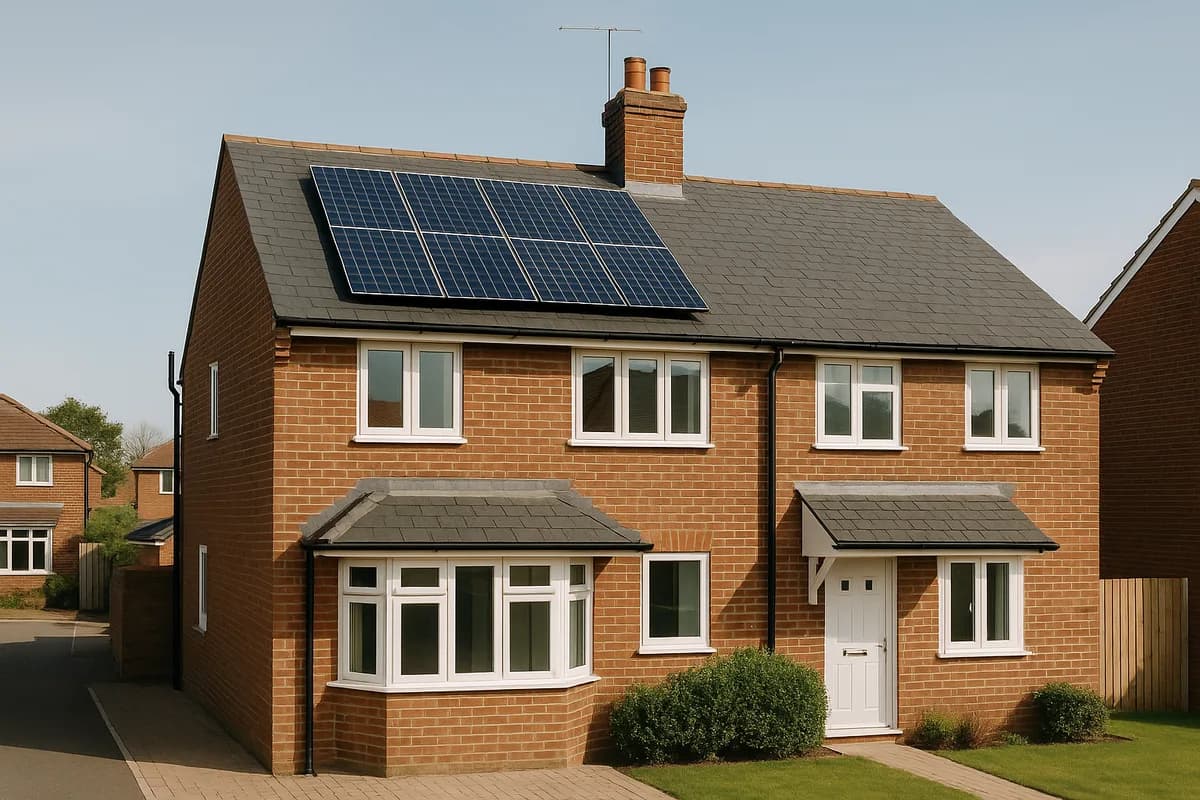
Pigeons nest under solar panels because the gap between panels and roof tiles creates a warm, sheltered space. They cause: droppings that reduce panel output by 5–10%, wiring damage from pecking, gutter blockages from nesting material, and noise. The solution is bird proofing mesh (£300–£600 for a typical system), which clips around panel edges to block access. Install bird proofing at the same time as panels for the lowest cost.
Why Pigeons Love Solar Panels
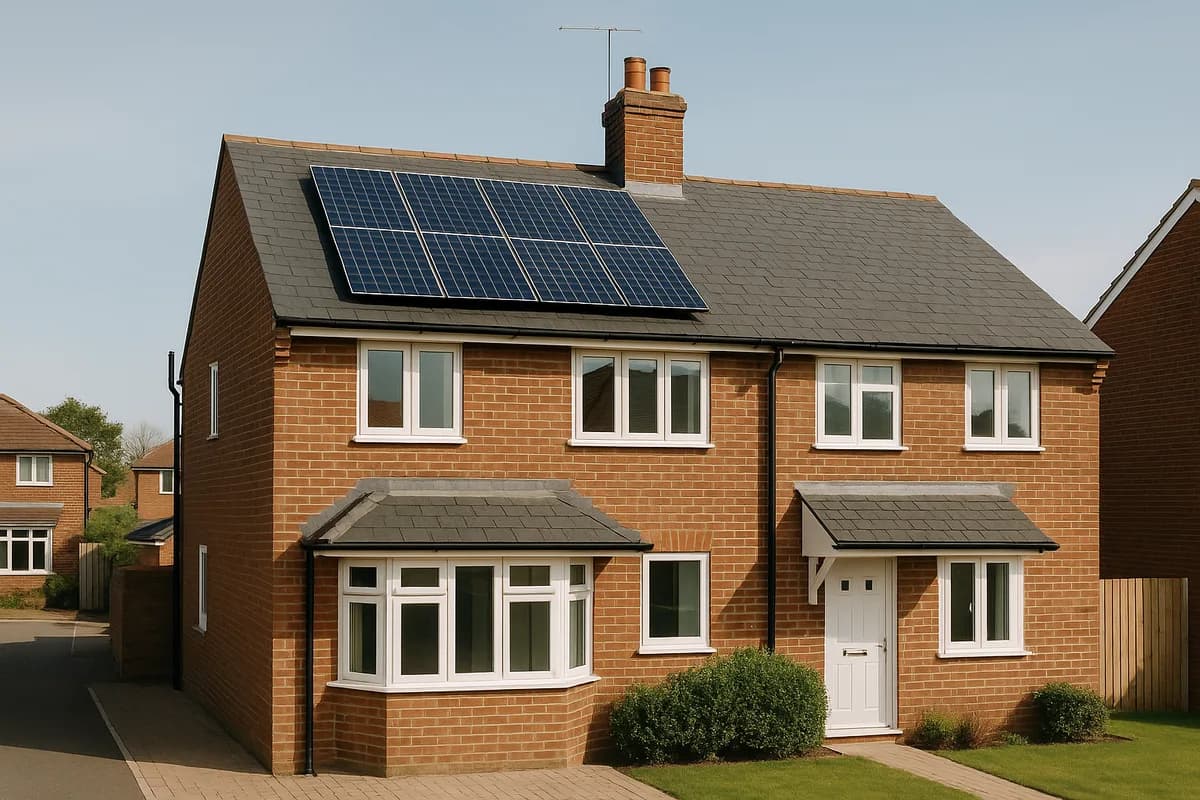
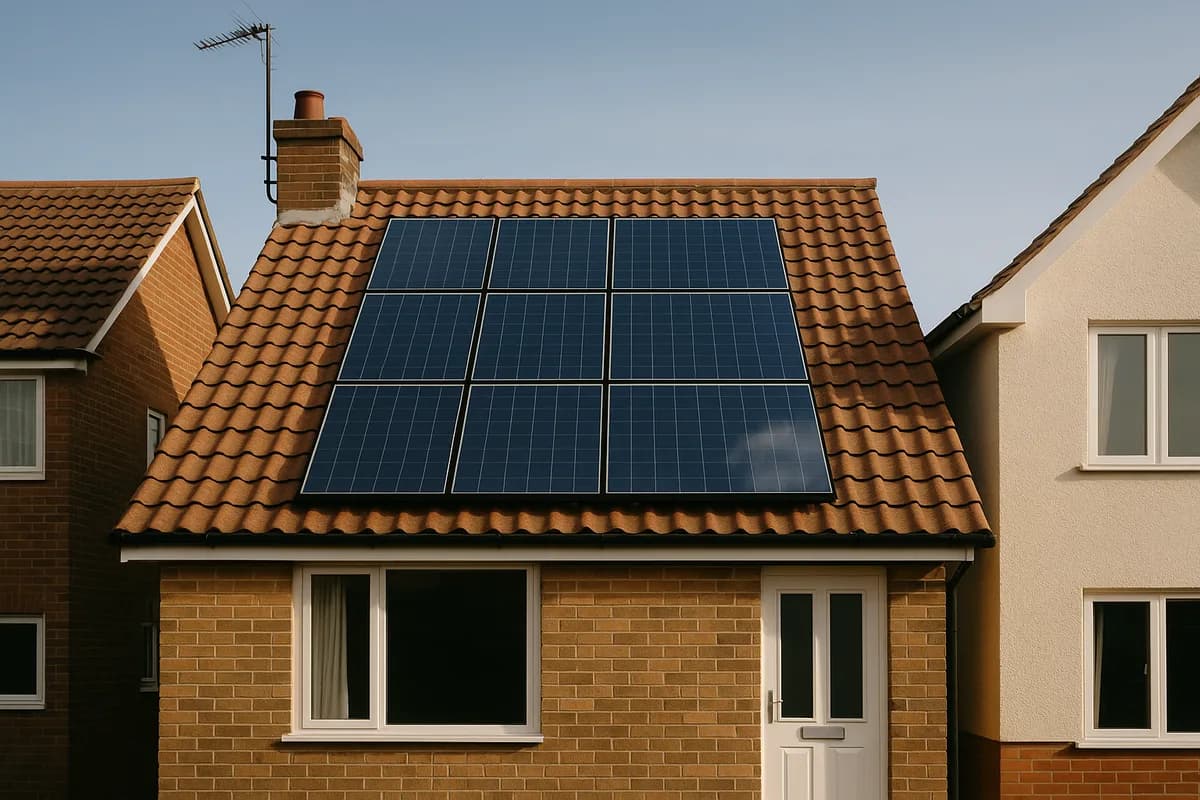
The gap between solar panels and roof tiles (typically 10–15cm) is an ideal pigeon habitat:
- Warm: Panels retain heat, creating a warmer microclimate underneath
- Sheltered: Protected from rain, wind, and predators
- Elevated: Safe from ground-based threats (cats, foxes)
- Dark: The enclosed space mimics the ledges and cavities pigeons naturally nest in
- Stable: Panels are fixed — the nesting site does not move or change
Pigeons can breed up to 6 times per year. Once they establish a nest, they return year after year. A single pair can quickly become a colony of 10–20 birds.
The problems they cause: - Droppings on panels: Concentrated droppings create 'hot spots' that reduce panel output by 5–10%. With a string inverter, one soiled panel reduces the entire string's output. - Droppings on property: Acidic pigeon droppings damage roof tiles, gutters, and paintwork over time. - Wiring damage: Pigeons peck at and nest around DC cables, potentially causing dangerous electrical faults. - Gutter blockages: Nesting material washes into gutters, causing water overflow and damp. - Noise: Cooing and scratching, particularly at dawn — directly above bedrooms. - Health risks: Pigeon droppings carry diseases including ornithosis, E.coli, and salmonella.
Source: British Pest Control Association; MCS installer maintenance data.
Bird Proofing Solutions
1. Galvanised mesh clip system (recommended): - Stainless steel or galvanised wire mesh clips to panel frame edges - Creates a complete barrier around the panel perimeter - Does NOT penetrate roof tiles or panels - Lasts 10+ years with no maintenance - Cost: £300–£600 for a typical 10–16 panel system - Installation: 2–4 hours by a specialist - Zero effect on panel performance
2. Wire mesh barrier: - Similar to clip system but uses continuous mesh panels - Slightly harder to remove for panel maintenance - Cost: similar to clip system
3. Bird spikes: - Plastic or stainless steel spikes along panel edges - Less effective than mesh — birds can still access gaps between spikes - Cost: £150–£300 - Not recommended as the primary solution
4. Plastic snap-on deflectors: - Clip-on plastic strips along panel bottom edge - Cheapest option but least durable - UV degradation causes brittleness after 3–5 years - Cost: £100–£200 - Only suitable as a temporary measure
Recommendation: Galvanised mesh clip system. It is the most effective, longest-lasting, and does not affect panel performance or warranty.
Source: UK pest control industry standards; bird proofing manufacturer data.
Ready to see what solar could save you?
Get free, no-obligation quotes from MCS-certified installers in your area.
Get Free QuotesWhen to Install Bird Proofing
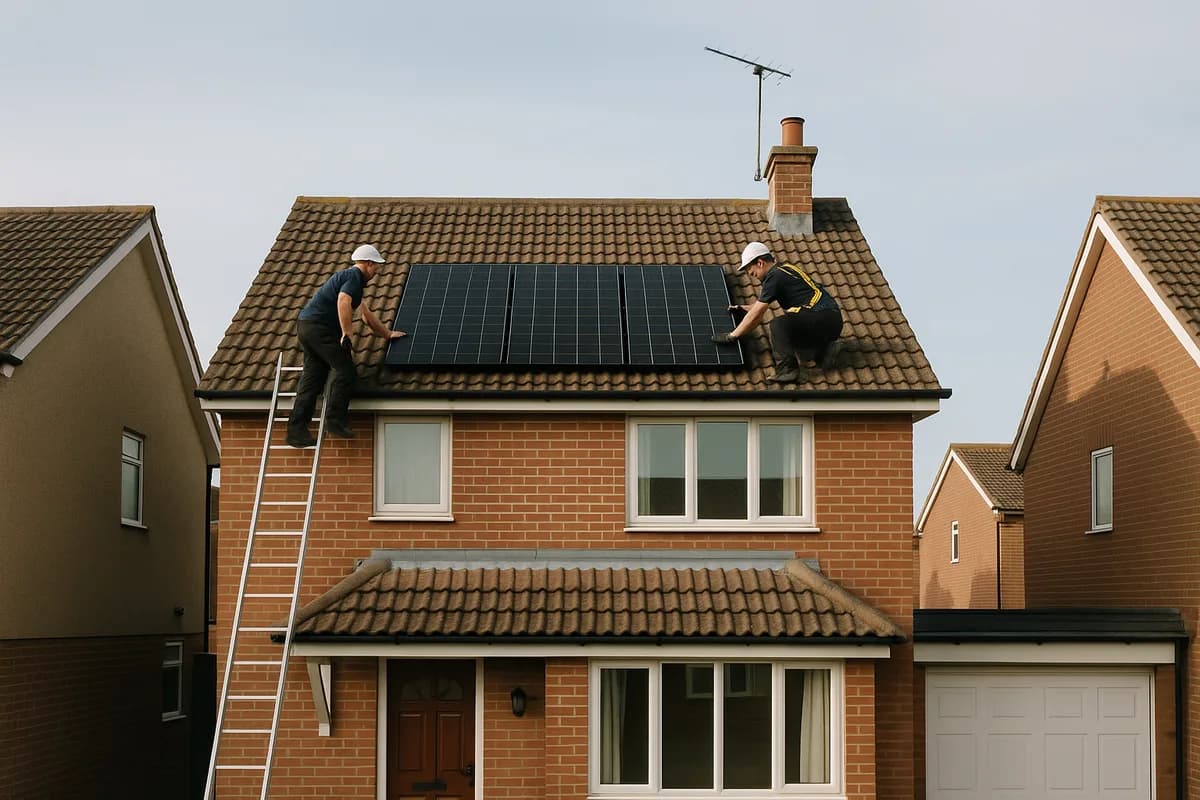
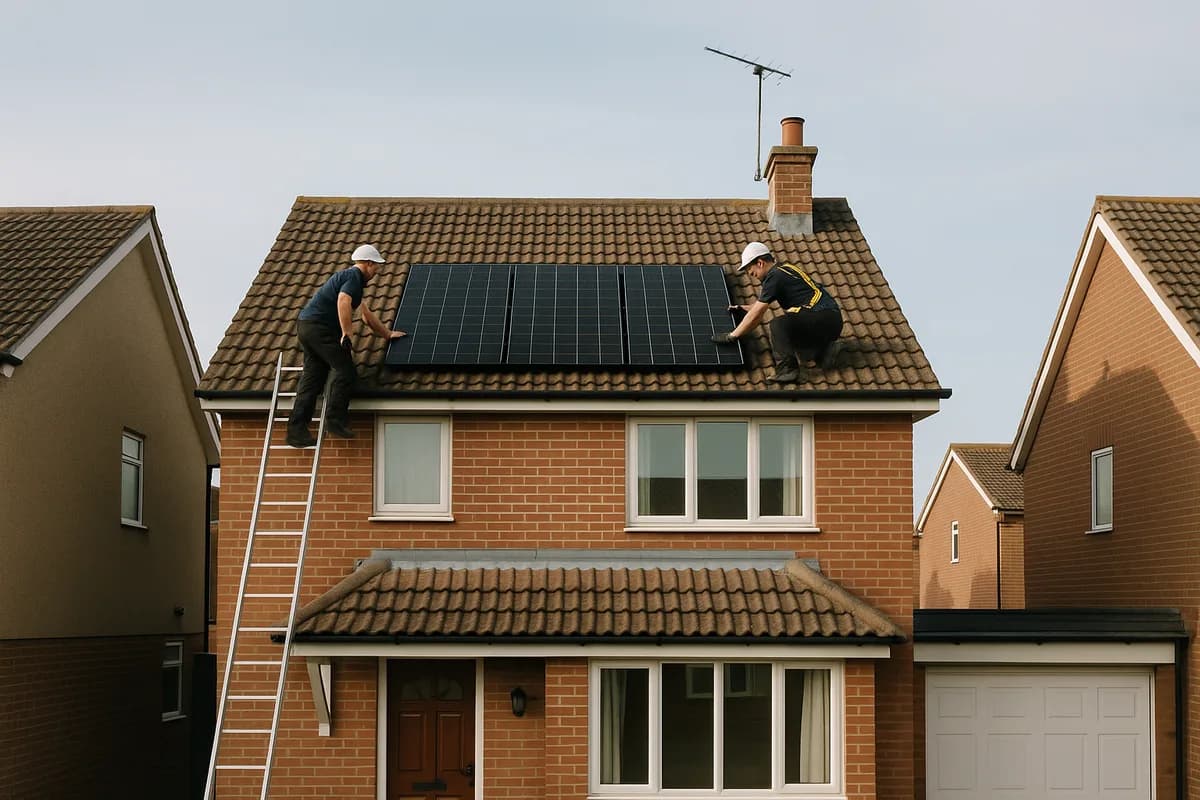
- At panel installation (cheapest) — scaffolding is already in place, so bird proofing adds only £200–£400 to the total. Ask your installer to include it.
- At first sign of birds — if you hear cooing, see droppings, or notice nesting material at panel edges, act before a colony establishes.
- After nest removal — if pigeons have already nested, remove the nest (outside nesting season, March–August) and fit bird proofing immediately to prevent return.
- Before autumn — birds seek sheltered roosting spots before winter. Fitting mesh in late summer prevents autumn/winter nesting.
- During a panel clean — if you are paying for scaffolding and cleaning anyway, add bird proofing at the same time.
Legal Considerations: Nesting Birds
Under the Wildlife and Countryside Act 1981:
It is illegal to disturb nesting birds or destroy active nests during the nesting season (generally March–August). This includes pigeons.
What you CAN do: - Install bird proofing at any time of year (preventing future nesting is legal) - Remove inactive nests outside the nesting season (September–February) - Take preventive measures like mesh clips at any time
What you CANNOT do: - Remove an active nest with eggs or chicks (March–August) - Disturb nesting birds deliberately - Use poison, traps, or harmful deterrents without a general licence
Practical approach: If pigeons are already nesting (spring/summer), wait until the chicks have fledged (usually 4–6 weeks), then remove the nest and fit bird proofing before they lay again. Pigeons can have multiple broods per year, so act between broods.
Source: Wildlife and Countryside Act 1981; RSPB guidance on pest birds.
Is Bird Proofing Worth the Cost?
If you have a pigeon problem: absolutely yes.
Annual cost of pigeon problems (without proofing): - Output loss from droppings: £45–£110/year - Panel cleaning to remove droppings: £80–£150/year - Gutter cleaning from nesting material: £50–£100/year - Potential wiring repair: £200–£500 (one-off, if damaged) - Total annual cost: £175–£360
Bird proofing cost: £300–£600 (one-off) - Payback: 1–3 years - Lifespan: 10+ years - 10-year savings: £1,450–£3,000
If you do NOT have a pigeon problem: Bird proofing is unnecessary. Not all homes attract nesting birds. If your panels have been up for 1+ years with no bird activity, you probably do not need it.
Source: Pest control pricing; solar output calculations.
Frequently Asked Questions
Related guides
You might also like
Ready to see what solar could save you?
Get free, no-obligation quotes from MCS-certified installers in your area.
Get Free QuotesFree, no obligation. Takes 2 minutes.