Solar Panels in Autumn: What Changes
Ready to see what solar could save you?
Get free, no-obligation quotes from MCS-certified installers in your area.
Get Free QuotesFree, no obligation. Takes 2 minutes.
How much do solar panels produce in autumn?
Solar panels in autumn produce approximately 40–67% of summer peak output. September generates well (350 kWh for a 4kW system — 67% of June). October drops to 220 kWh (42%). November falls to 120 kWh (23%). The transition is gradual, not sudden. Autumn is a good time to: clean panels before winter, check monitoring for issues, and ensure your system is ready for the lower-output months ahead.
Autumn Output: Month by Month
4kW system autumn output (UK Midlands, south-facing):
| Month | Output (kWh) | vs June Peak | Daily Avg | Monthly Saving |
|---|---|---|---|---|
| September | 350 | 67% | 11.7 | £51 |
| October | 220 | 42% | 7.1 | £32 |
| November | 120 | 23% | 4.0 | £18 |
For comparison — the same system at its best and worst months:
| Month | Output (kWh) | vs June Peak | Daily Avg | Monthly Saving |
|---|---|---|---|---|
| June (peak) | 520 | 100% | 17.3 | £76 |
| December (lowest) | 80 | 15% | 2.6 | £12 |
Autumn total (Sep–Nov): 690 kWh = 19% of annual generation
Autumn is a transition — September still generates well, but by November you are in the low-output zone. A battery becomes increasingly valuable in autumn as evenings draw in and more consumption shifts to after dark.
Source: PVGIS monthly data; Ofgem price cap July-September 2026.
What Changes in Autumn
- Shorter days — daylight drops from 14 hours (September) to 8 hours (November). Less time for generation.
- Lower sun angle — the sun sits lower in the sky, reducing irradiance intensity on your panels
- More cloud/rain — autumn weather is typically cloudier than summer, reducing output further
- Falling leaves — if near trees, leaves may land on panels and block cells. Check and clear if needed.
- Earlier sunsets — generation stops earlier (4pm in November vs 9pm in June), increasing evening grid dependence
- Higher consumption — lights come on earlier, heating starts, electric blankets, tumble dryers used more

Ready to see what solar could save you?
Get free, no-obligation quotes from MCS-certified installers in your area.
Get Free QuotesAutumn Maintenance Checklist
Prepare your system for winter:
- Clean panels — remove summer dust, pollen, and bird droppings before output drops further. A clean panel captures more of the limited autumn light.
- Check monitoring — compare September output to last year. A significant drop may indicate an issue worth investigating before winter.
- Clear leaves — if trees are nearby, check for leaves on panels after windy days. Even one leaf covering a cell can reduce string output.
- Check gutters — ensure panel mounting has not directed water to gutter blockage points. Clear autumn leaves from gutters.
- Review your electricity tariff — as you start importing more grid electricity, ensure you are on the best tariff. Time-of-use tariffs (Octopus Go) become more valuable in autumn/winter.
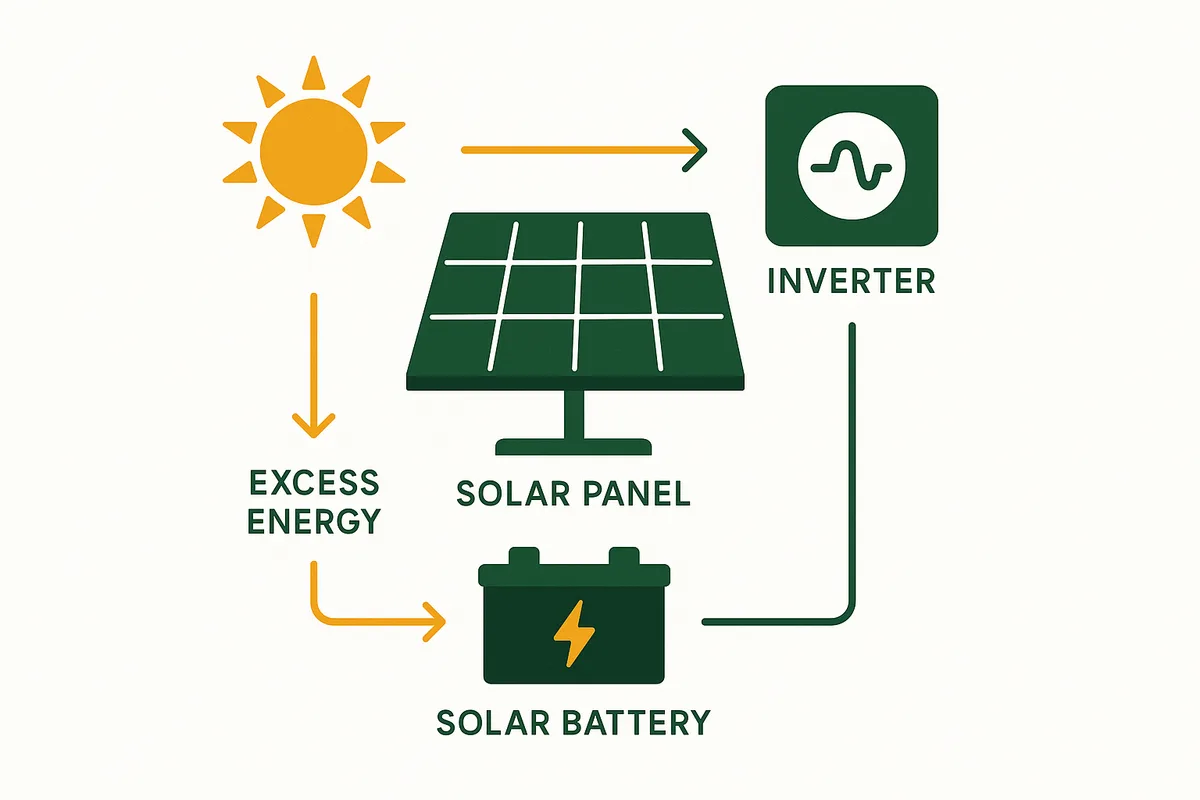
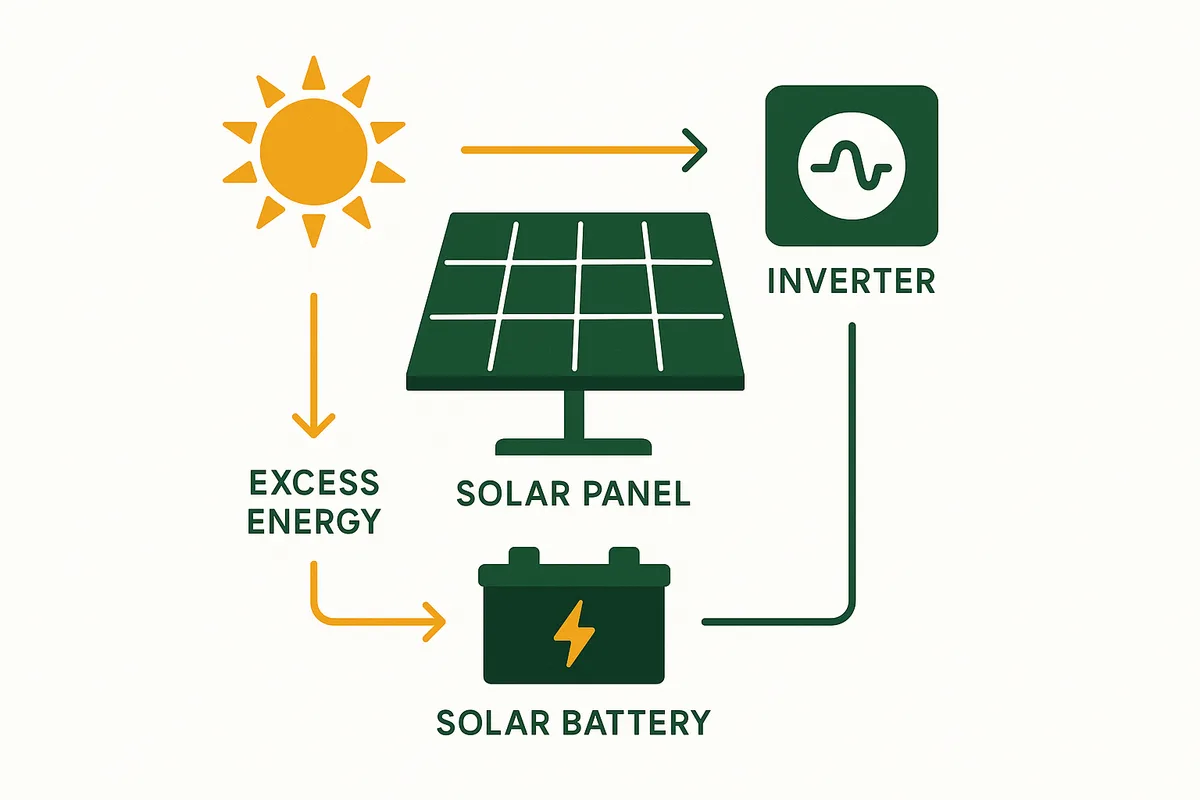
- Check battery health — if you have a battery, autumn is when it works hardest (storing limited daytime solar for long evenings). Verify it is holding charge properly.

Maximising Autumn Solar Value
As output decreases, every kWh becomes more precious:
Self-consumption is critical in autumn: - Summer surplus exports at 4.5p are 'nice to have' - Autumn self-consumption at 26.11p is 'need to have' - Shift every possible appliance to the 10am–2pm window when panels produce most
Battery value increases: - Summer: battery captures surplus from abundant solar - Autumn: battery captures ALL available solar for the much longer evening - A 10kWh battery in October might only charge to 30–50% from solar, but that stored energy covers 3–5 hours of evening use
Time-of-use tariffs: - Switch to Octopus Go before winter if you have an EV — cheap overnight charging becomes essential when solar cannot cover EV needs - Octopus Flux value shifts — less peak export income (less surplus) but overnight charging for morning use becomes more valuable
Source: Self-consumption optimisation; seasonal tariff strategy.
Frequently Asked Questions
Related guides
You might also like

Ready to see what solar could save you?
Get free, no-obligation quotes from MCS-certified installers in your area.
Get Free QuotesFree, no obligation. Takes 2 minutes.