Solar Panels in a Conservation Area: Rules & Options
See what fits your property
Roof shape, pitch and available space decide what is actually installable. Get a recommendation and an installed price for your specific property.
Check My PropertyFree, no obligation. Takes about 2 minutes.
Can you install solar panels in a conservation area?
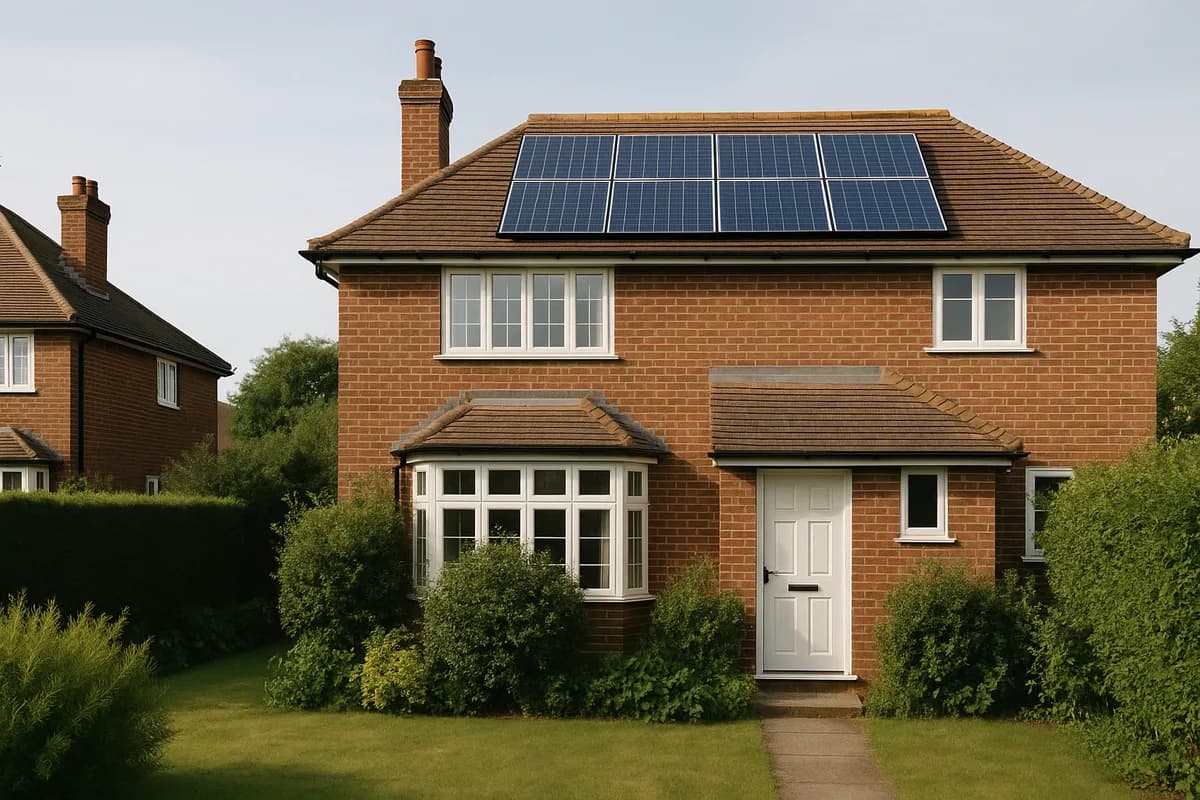
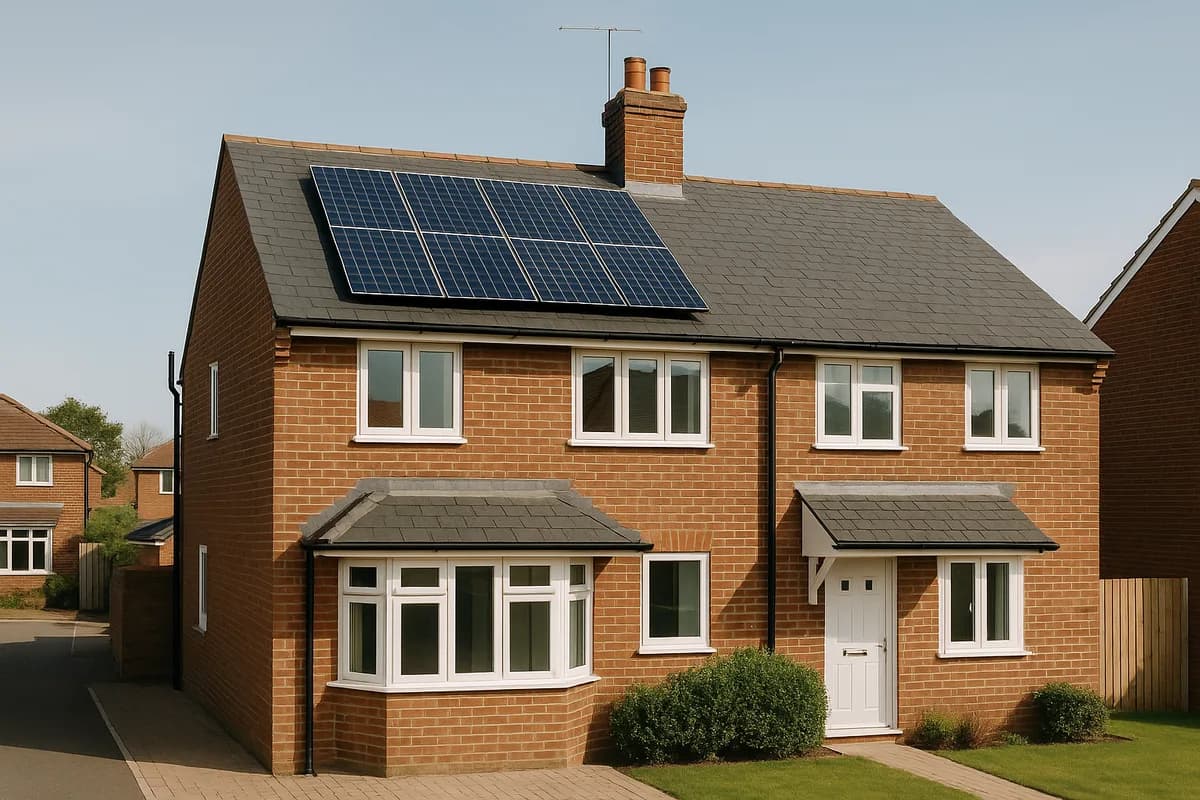
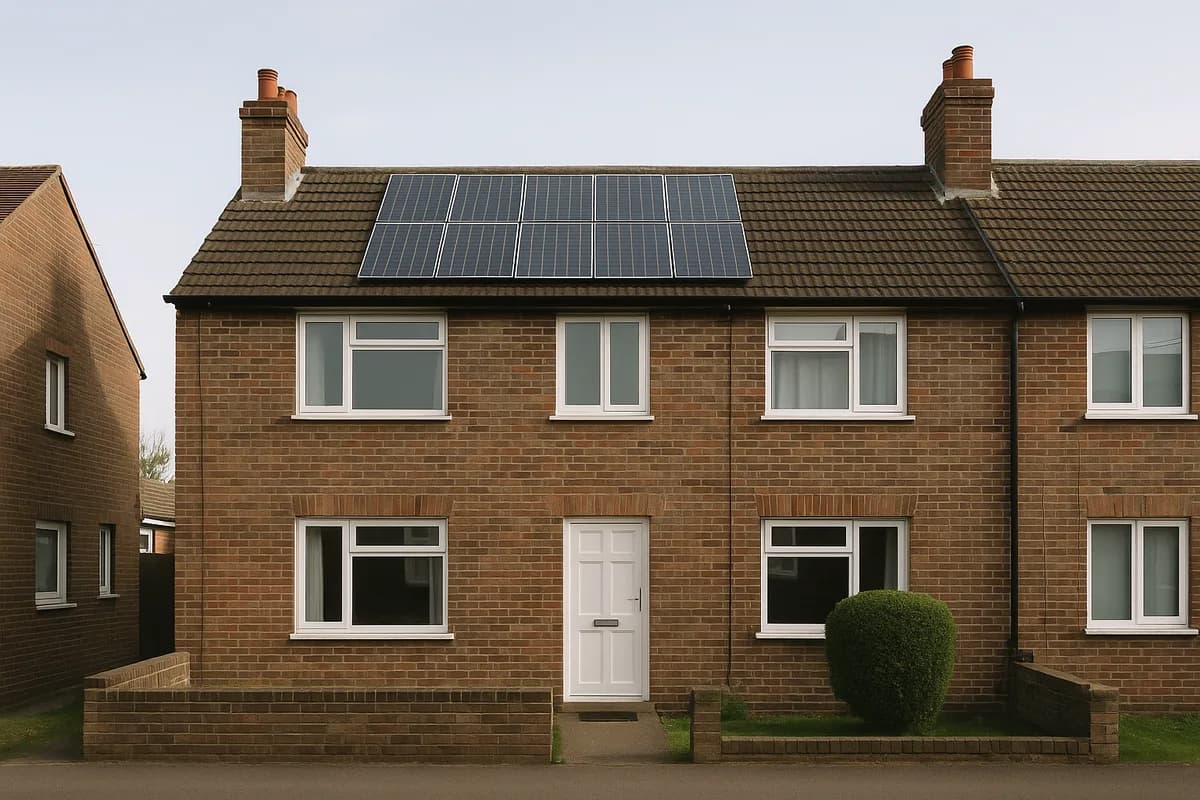
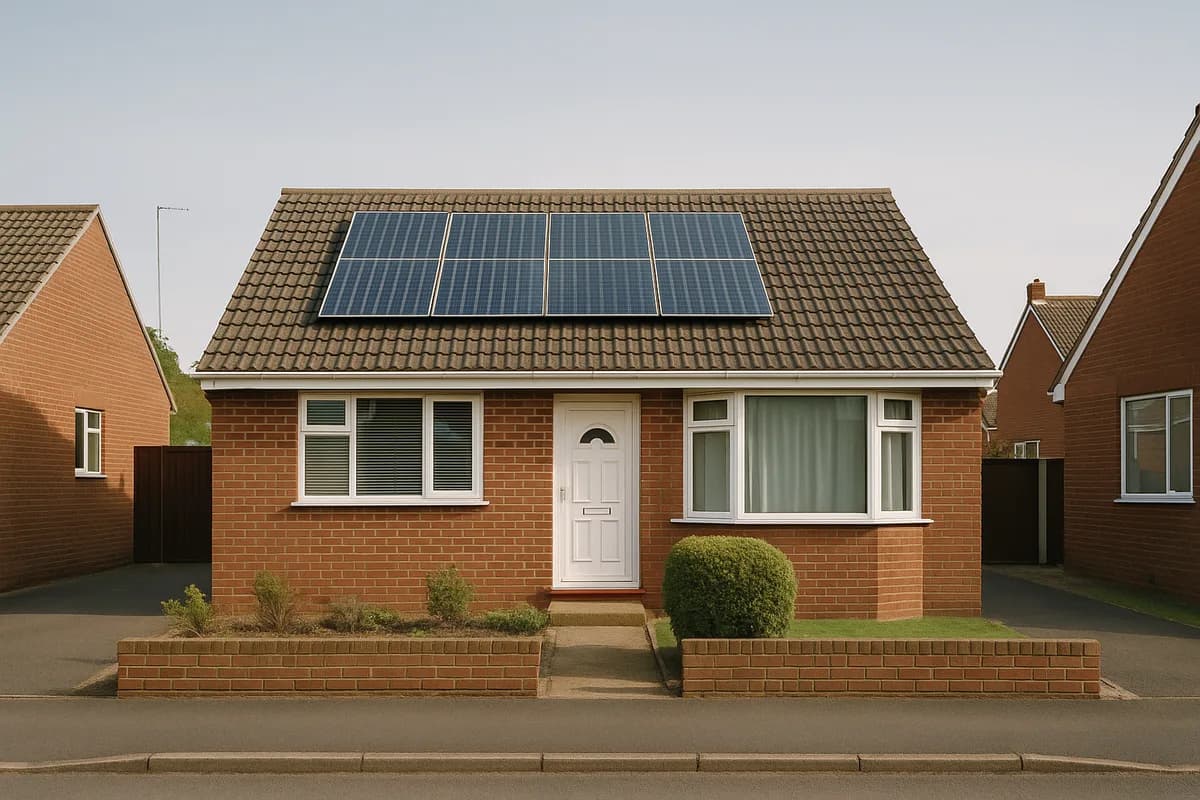
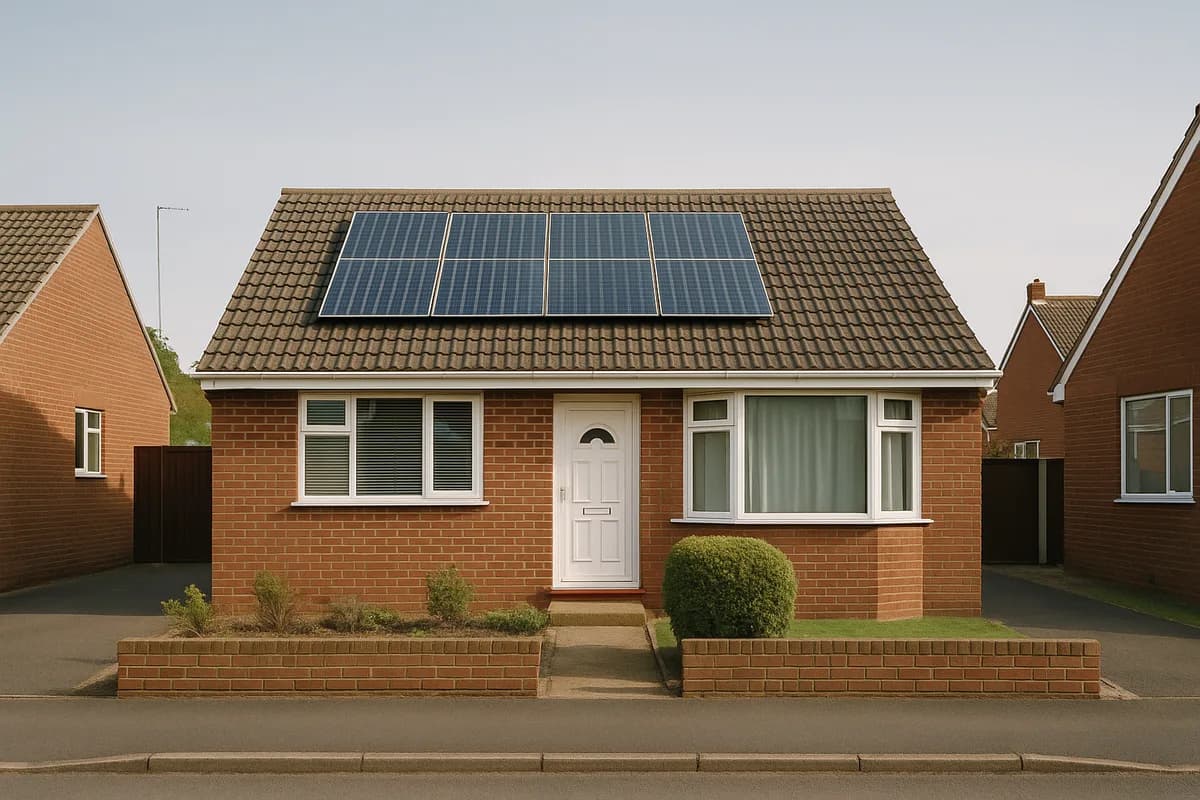
You can install solar panels in a conservation area, but with restrictions. Panels on roof slopes NOT facing a highway are usually permitted development (no planning needed). Panels on highway-facing roof slopes or walls DO need planning permission. In-roof panels and all-black panels may increase your chances of approval. Many councils approve conservation area solar applications, especially given net zero commitments.
The Conservation Area Rules
Permitted development (NO planning needed): - Solar panels on a roof slope that does NOT face a highway - Panels that do not protrude more than 200mm from the roof surface - Panels that do not extend above the highest part of the roof - Ground-mounted panels meeting standard conditions (under 9m², under 4m, 5m from boundary)
Planning permission REQUIRED: - Solar panels on a roof slope that FACES a highway (visible from the road) - Solar panels on a wall facing a highway - Any panels that protrude more than 200mm - Any installation on a listed building (listed building consent required separately)
In practice: Most conservation area homes have at least one non-highway-facing roof slope. If your rear roof faces south (or east/west), you can install panels there without planning permission.
Source: Town and Country Planning (General Permitted Development) Order 2015, Schedule 2, Part 14, Class A; Planning Portal conservation area guidance.
Getting Planning Permission in a Conservation Area
If you need planning permission (highway-facing panels), the process is:
1. Pre-application enquiry (optional, £50–£100): Submit an informal enquiry to your local planning authority. They advise on likelihood of approval before you commit to a full application.
2. Full planning application (£258): Submit plans showing panel location, dimensions, and appearance. Include photos showing the visual impact from the street.
3. Consultation period (21 days): Neighbours and relevant bodies (conservation officer, parish council) can comment.
4. Decision (typically 8 weeks): The planning officer assesses the visual impact on the conservation area character.
Tips for a successful application: - Choose all-black panels (black frame + black backsheet) — least visually intrusive - Consider in-roof panels — sit flush with the roofline for minimal visual impact - Provide a heritage impact assessment showing the panels respect the area's character - Show how panels are positioned to minimise visibility from the highway - Reference the government's net zero commitments and climate emergency declarations - Include letters of support from neighbours if possible
Success rate: Most conservation area solar applications are approved. Councils are increasingly supportive due to climate commitments. Refusals are more common for large, prominent installations on the front of historically significant buildings.
Source: Planning Portal; Historic England guidance on renewable energy in conservation areas.
See what fits your property
Roof shape, pitch and available space decide what is actually installable. Get a recommendation and an installed price for your specific property.
Check My Property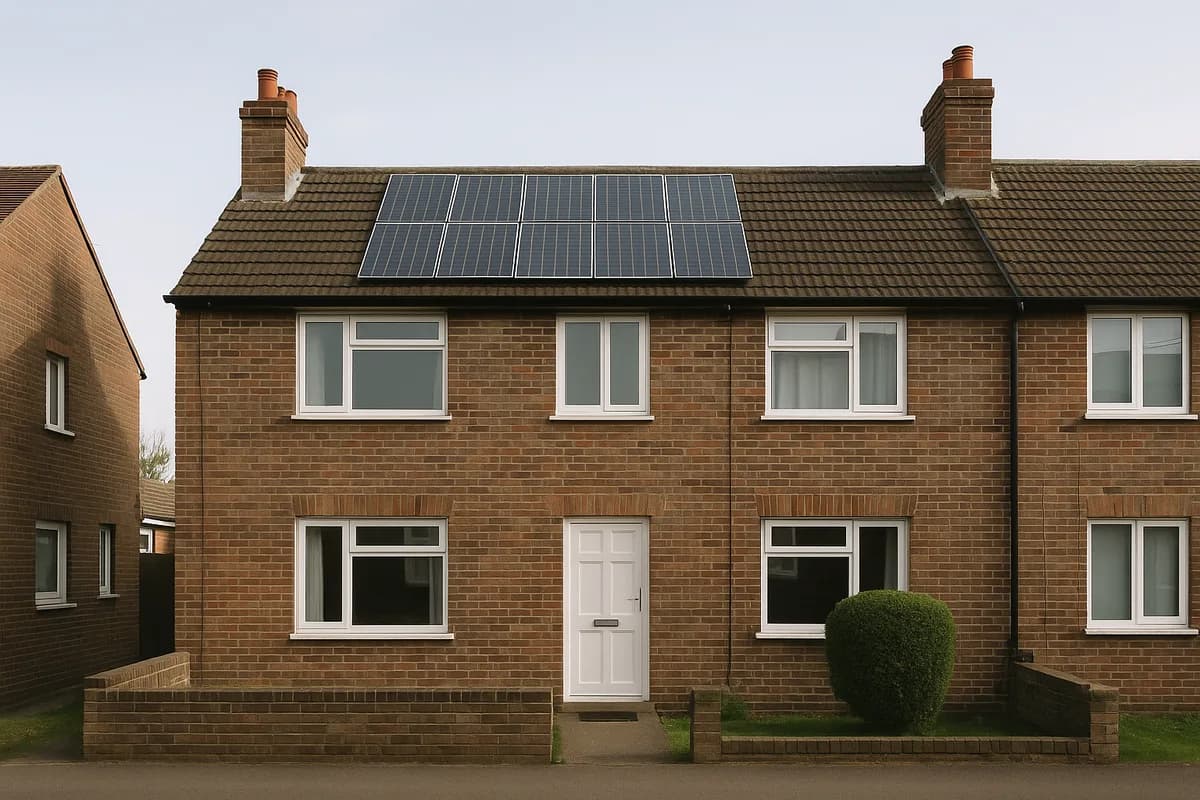
Design Options for Conservation Areas
Panel choices that reduce visual impact:
- All-black panels — black cells, black frame, black backsheet. Far less noticeable than silver-framed blue panels.
- In-roof panels — sit flush with surrounding tiles for the least visual disruption
- Solar tiles (e.g., Marley SolarTile) — individual tiles that replace standard roof tiles, virtually invisible from street level
- Rear/side installation — avoid the highway-facing slope entirely if another slope provides reasonable output
- Ground-mounted panels — installed in the rear garden, invisible from the street
- Smaller system — a 6-panel system on a non-visible slope may be preferable to a 10-panel system requiring planning
What If Your Application Is Refused?
If planning permission is refused:
1. Read the refusal reasons carefully — they must be specific and relate to the conservation area's character 2. Modify and resubmit — address the specific concerns (e.g., switch to in-roof panels, reduce system size, change position) 3. Appeal — you can appeal to the Planning Inspectorate. Appeals are free and many are successful for solar 4. Use non-highway facing slopes — install on the rear roof under permitted development, even if the front was refused 5. Consider ground-mounted — garden panels may be a viable alternative if roof panels are refused
Important: A refusal on one design does not prevent you from getting solar. It may just require a different approach.
Source: Planning Inspectorate appeal guidance.
Frequently Asked Questions
Related guides
Related: Home Heating Systems
Solar panels are most powerful when combined with an efficient heating system. Heat pumps use solar-generated electricity to heat your home at 300-400% efficiency — making them the ideal partner for solar.
Solar panels and heat pumps together form the foundation of a net-zero home.
From our sister site Home Heat Pump Guide
You might also like
See what fits your property
Roof shape, pitch and available space decide what is actually installable. Get a recommendation and an installed price for your specific property.
Check My PropertyFree, no obligation. Takes about 2 minutes.