Solar Panels on Listed Buildings: Rules & Options
See what fits your property
Roof shape, pitch and available space decide what is actually installable. Get a recommendation and an installed price for your specific property.
Check My PropertyFree, no obligation. Takes about 2 minutes.
Can you put solar panels on a listed building?
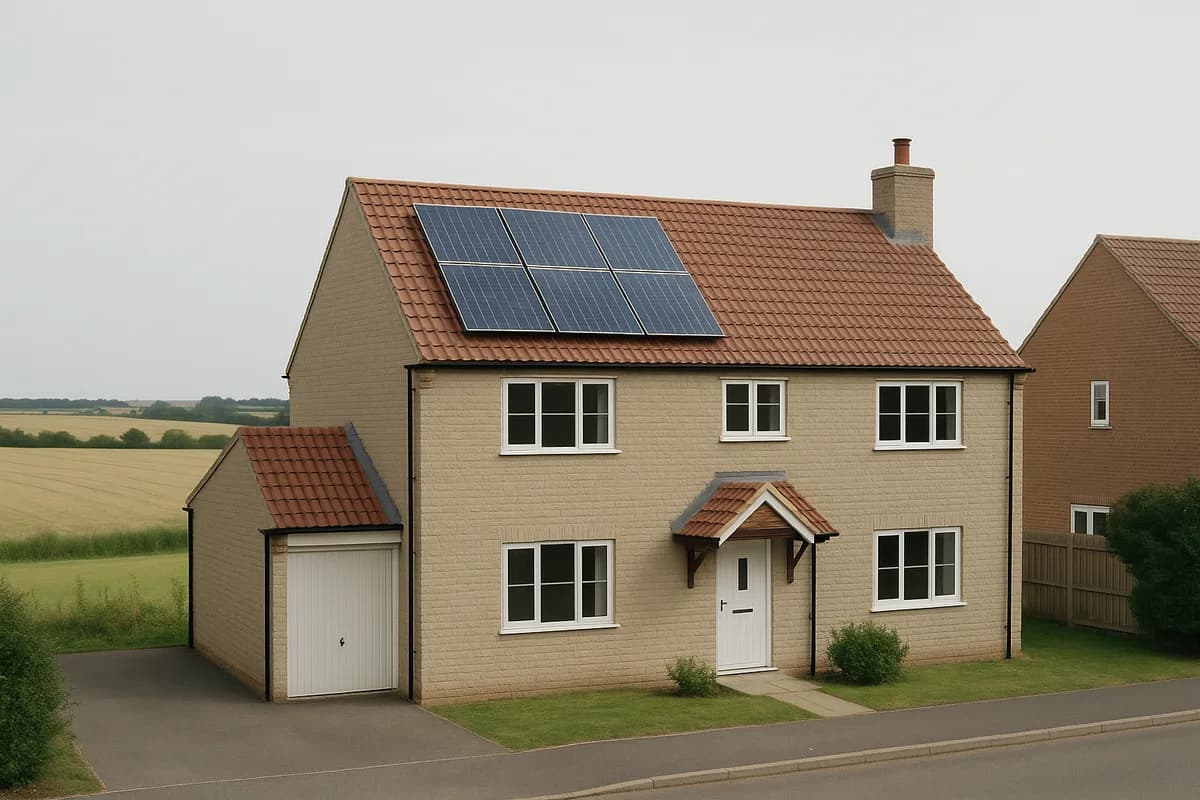
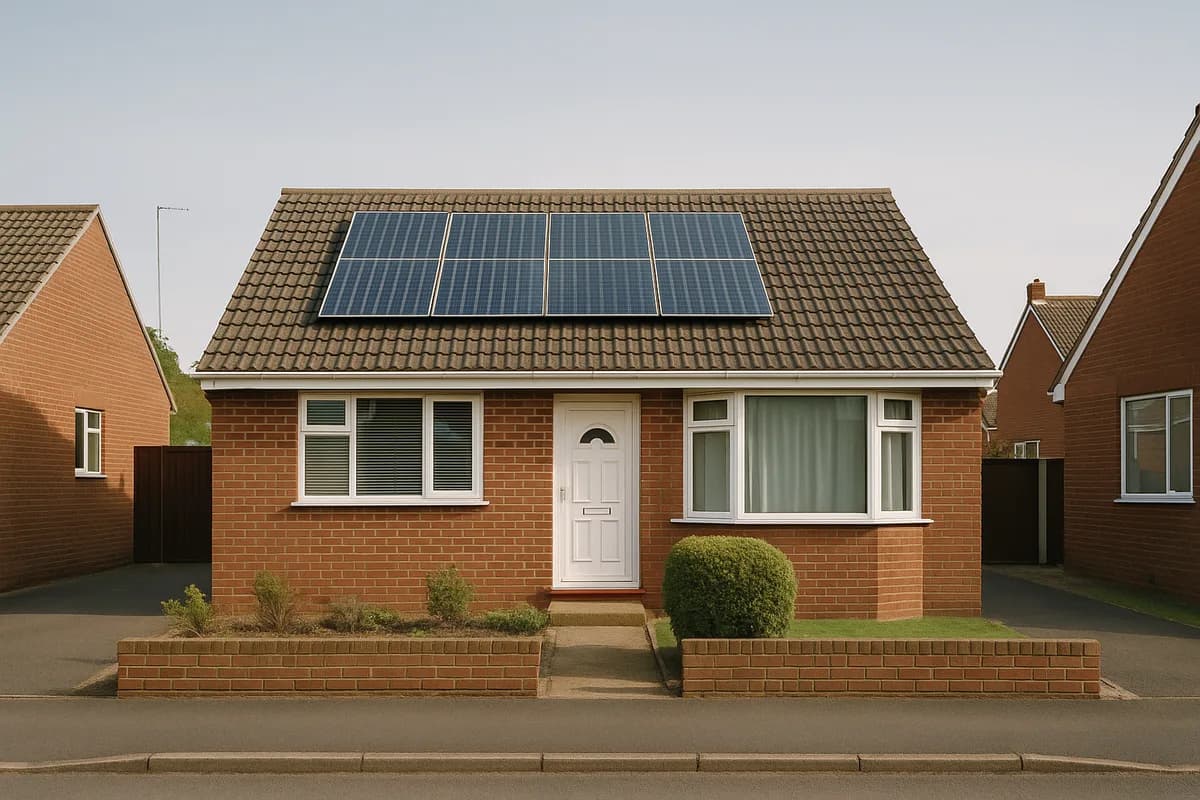
Solar panels on a listed building require listed building consent — this applies to ALL external alterations, including panels on the rear roof. Permitted development rights do not override the listed building requirement. Many councils approve applications for discreet, reversible installations — especially in-roof panels or rear-mounted panels. Ground-mounted panels in the garden may avoid the need for listed building consent entirely.
Listed Building Consent: The Process
Listed building consent is a separate application from planning permission. Even if your panels would be permitted development on a non-listed building, you STILL need listed building consent.
Process: 1. Pre-application discussion (recommended): Contact your local conservation officer informally to discuss the proposal. Free or £50–£100. This gives you a sense of likelihood before committing.
2. Listed building consent application: Submit to your local planning authority with: - Photographs of the building and proposed panel location - Technical drawings showing panel size, position, and fixings - Heritage impact assessment (explaining how the installation respects the building's character) - Details of mounting system (reversibility is important) - Panel appearance (all-black, in-roof, etc.)
3. Consultation: Historic England may be consulted for Grade I and II* listed buildings. The local conservation officer assesses Grade II applications.
4. Decision (typically 8 weeks): The officer assesses whether the proposal harms the building's special interest.
Cost: Listed building consent applications are FREE (unlike planning applications which cost £258).
Source: Planning (Listed Buildings and Conservation Areas) Act 1990; Historic England guidance.
What Gets Approved?
Approval depends on the building's grade, significance, and the visibility of the panels:
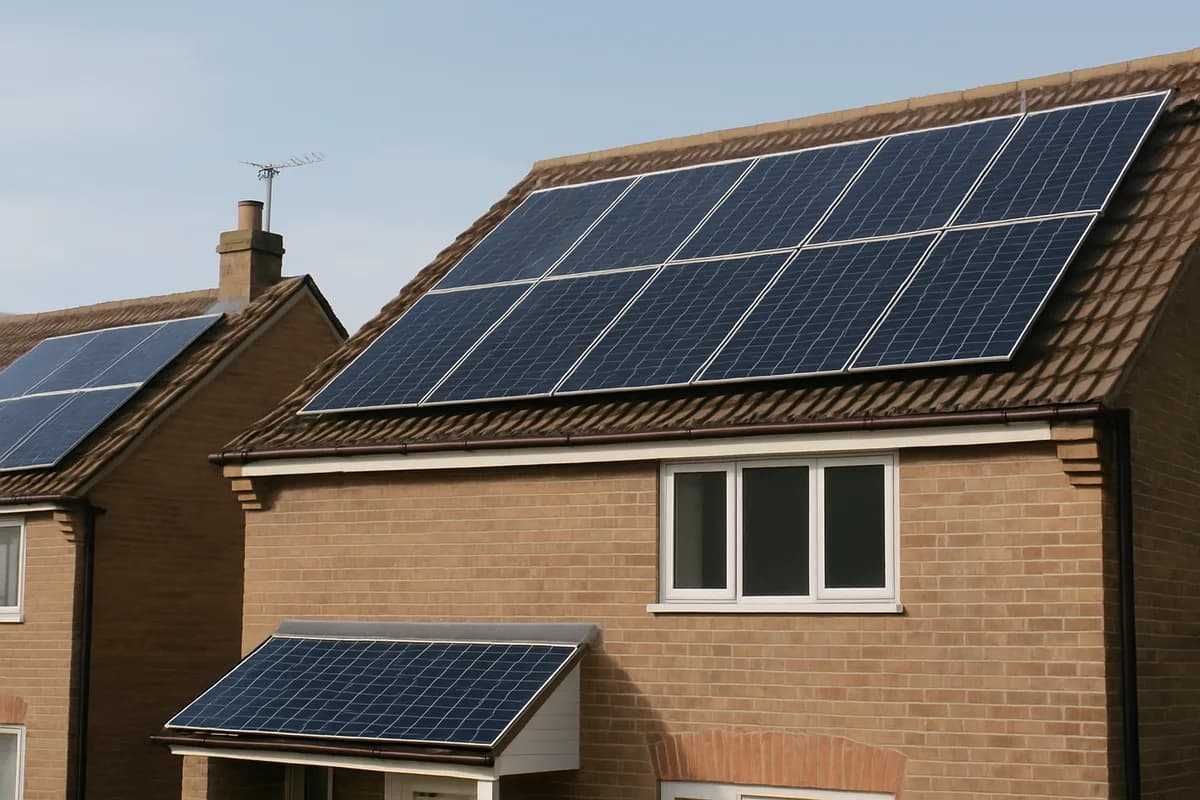
Most likely to be approved: - In-roof panels on a non-principal (rear/side) elevation - All-black panels on a hidden roof slope - Ground-mounted panels not visible from the principal elevations - Solar tiles replacing existing tiles on a non-principal slope - Installations that are fully reversible (no permanent damage to historic fabric)
Less likely to be approved: - Standard silver-framed panels on the front elevation - Large arrays covering most of the roof - Installations that damage historic fabric (drilling into original timbers or stonework) - Any modification to Grade I or II* buildings without compelling justification
Historic England's position: Solar panels can be acceptable on listed buildings provided they: - Respect the significance of the building - Are positioned on the least sensitive elevation - Are reversible (can be removed without permanent damage) - Are designed to complement the building's character
Source: Historic England Advice Note 15: Commercial Renewable Energy Development and the Historic Environment.
See what fits your property
Roof shape, pitch and available space decide what is actually installable. Get a recommendation and an installed price for your specific property.
Check My Property
Alternatives for Listed Buildings
If standard roof-mounted panels are refused or inappropriate:
- Ground-mounted panels — installed in the garden, no alteration to the listed building. May still need planning permission if in a conservation area, but does NOT need listed building consent.
- Solar tiles — replace existing tiles with PV-generating tiles (e.g., Marley SolarTile). Virtually invisible. More expensive but more likely to receive consent.
- Solar panels on outbuildings — a detached garage, workshop, or stable block may not be listed separately. Check with your conservation officer.
- Solar carport — a new structure in the garden with solar panels on the roof. Needs planning permission but not listed building consent.
- Energy efficiency improvements instead — if solar is refused, invest in insulation, draught-proofing, and secondary glazing instead (these also need consent on a listed building but are usually approved more readily).
Listed Building Grades Explained
Not all listed buildings face the same restrictions:
Grade I (2.5% of listed buildings): - The most historically significant buildings - Extremely strict restrictions — solar consent is rare but not impossible - Historic England is always consulted
Grade II* (5.8% of listed buildings): - Particularly important buildings - Strict but slightly more flexible than Grade I - Historic England is usually consulted
Grade II (91.7% of listed buildings): - The vast majority of listed buildings - Important but with more flexibility for sympathetic alterations - Local conservation officer decides — Historic England consulted only in special cases - Solar consent is regularly granted for discreet, reversible installations
If your building is Grade II (which is most likely), solar approval is achievable with the right approach.
Source: Historic England listing grades; National Heritage List for England.
Frequently Asked Questions
Related guides
Related: Home Heating Systems
Solar panels are most powerful when combined with an efficient heating system. Heat pumps use solar-generated electricity to heat your home at 300-400% efficiency — making them the ideal partner for solar.
Heat pump installation typically takes 2-3 days and is best planned alongside solar.
From our sister site Home Heat Pump Guide
You might also like
See what fits your property
Roof shape, pitch and available space decide what is actually installable. Get a recommendation and an installed price for your specific property.
Check My PropertyFree, no obligation. Takes about 2 minutes.