Solar Panel Fire Risk: How Safe Are They Really?
Ready to see what solar could save you?
Get free, no-obligation quotes from MCS-certified installers in your area.
Get Free QuotesFree, no obligation. Takes 2 minutes.
Can solar panels catch fire?
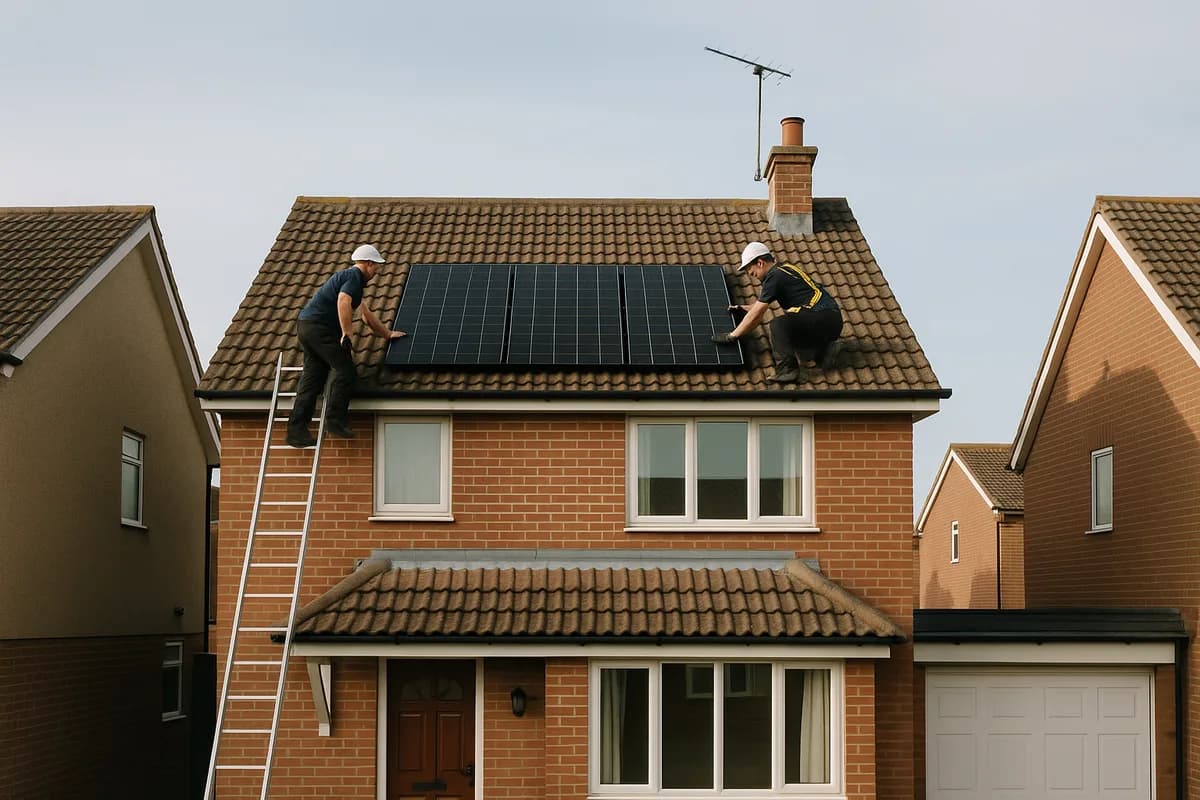
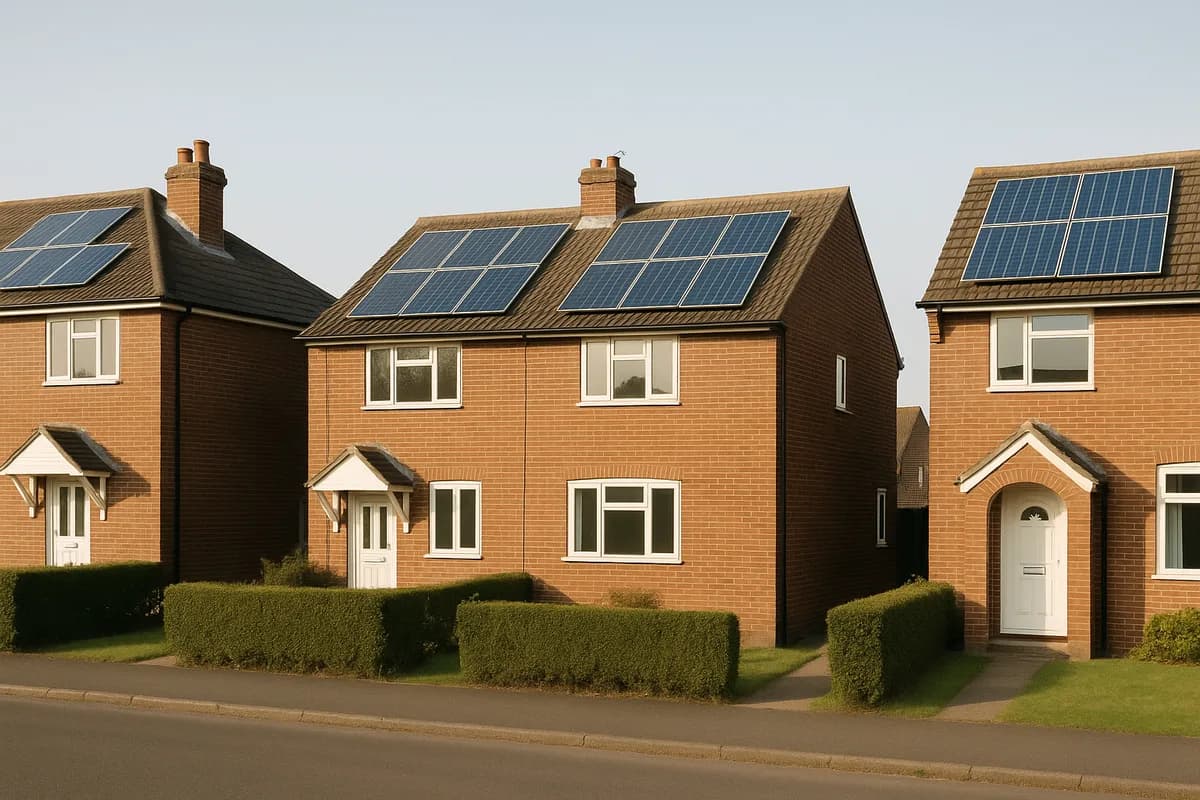
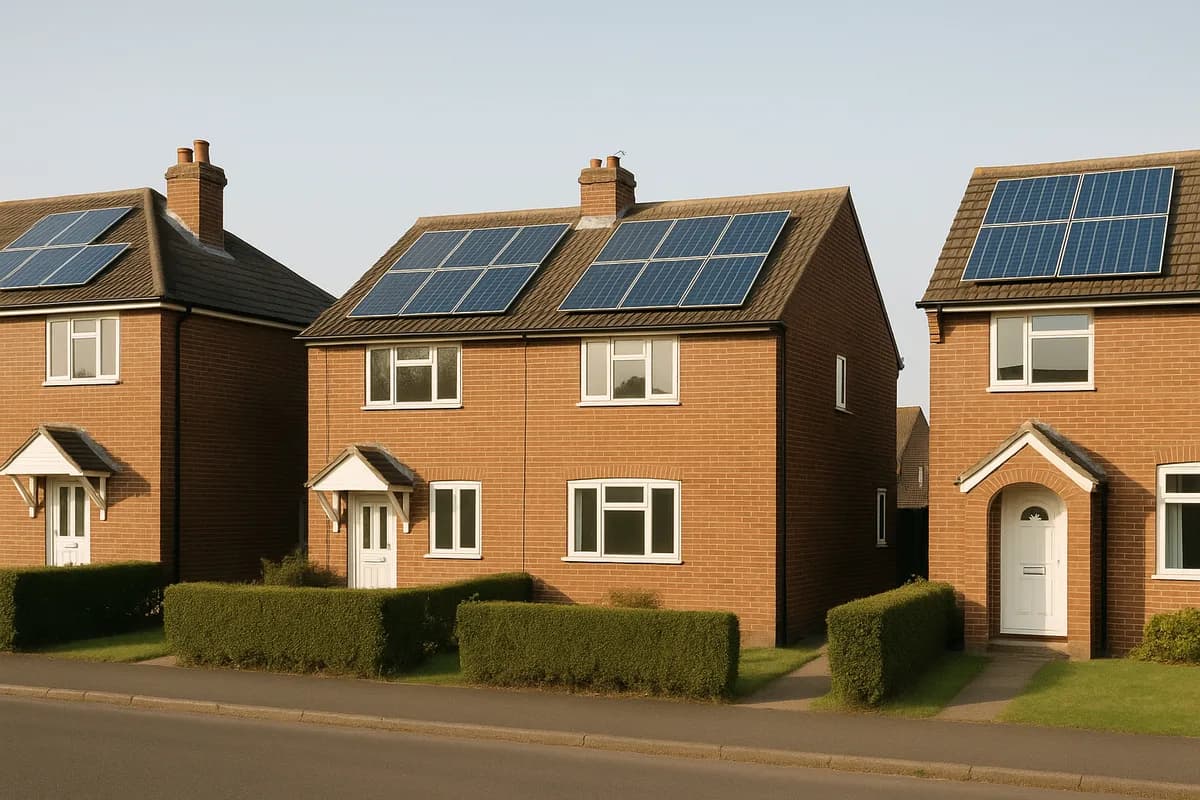
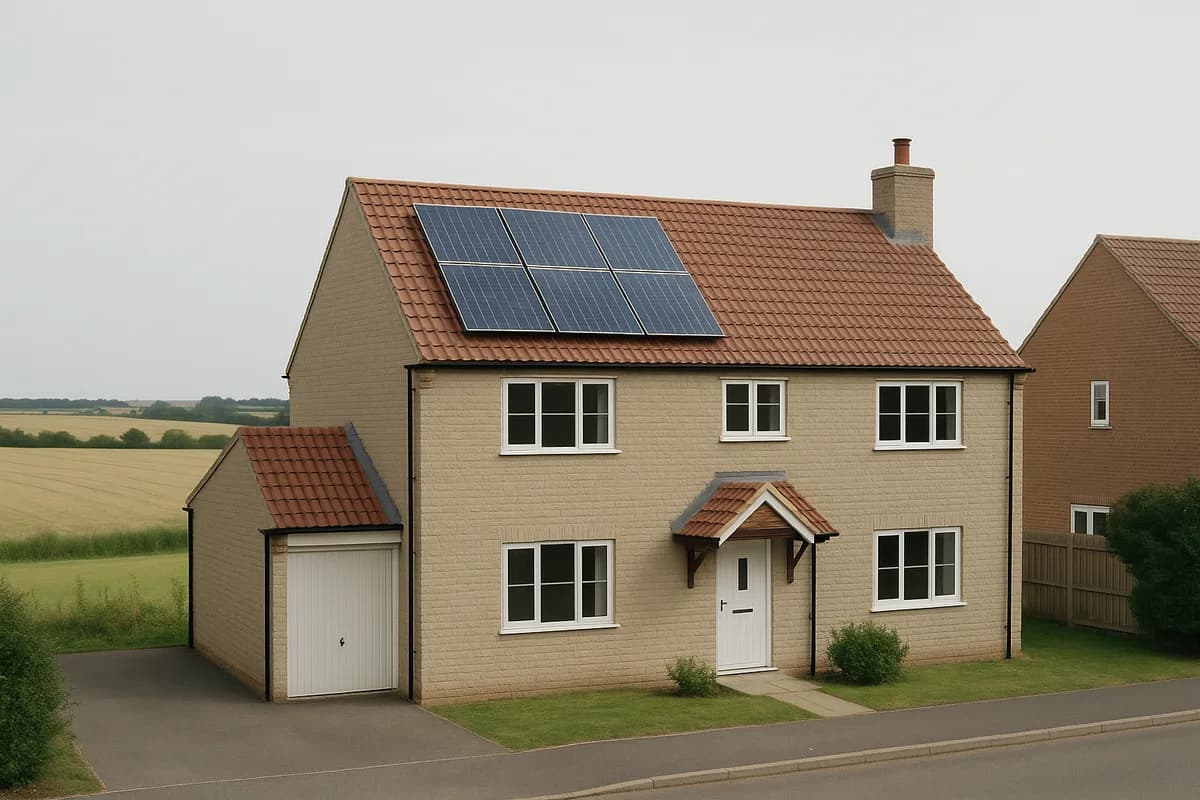
Solar panel fire risk is extremely low. Fewer than 100 fire incidents have been linked to solar PV across 1.3 million UK installations over the past decade — a rate of approximately 0.01% (1 in 10,000) over a system's 25-year lifetime. For comparison, tumble dryers cause 6,000 fires per year. The rare incidents that do occur are almost always caused by faulty installation, not panel defects.
The Fire Risk Data
UK solar fire statistics: - Installations in the UK: ~1.3 million - Fire incidents linked to solar PV (past decade): fewer than 100 - Incident rate: ~0.01% over system lifetime - Fatalities from solar PV fires in the UK: zero reported
For perspective: - Tumble dryer fires: ~6,000/year - Cooking-related fires: ~24,000/year - Electrical wiring fires (non-solar): ~6,500/year - Solar PV fires: fewer than 10/year
Solar panels are one of the safest electrical systems in your home. The media attention given to rare solar fires is disproportionate to the actual risk.
Source: BRE (Building Research Establishment) solar fire safety study; London Fire Brigade statistics; Home Office fire statistics.
What Causes the Rare Fire Incidents?
The small number of solar fires that do occur are typically caused by:
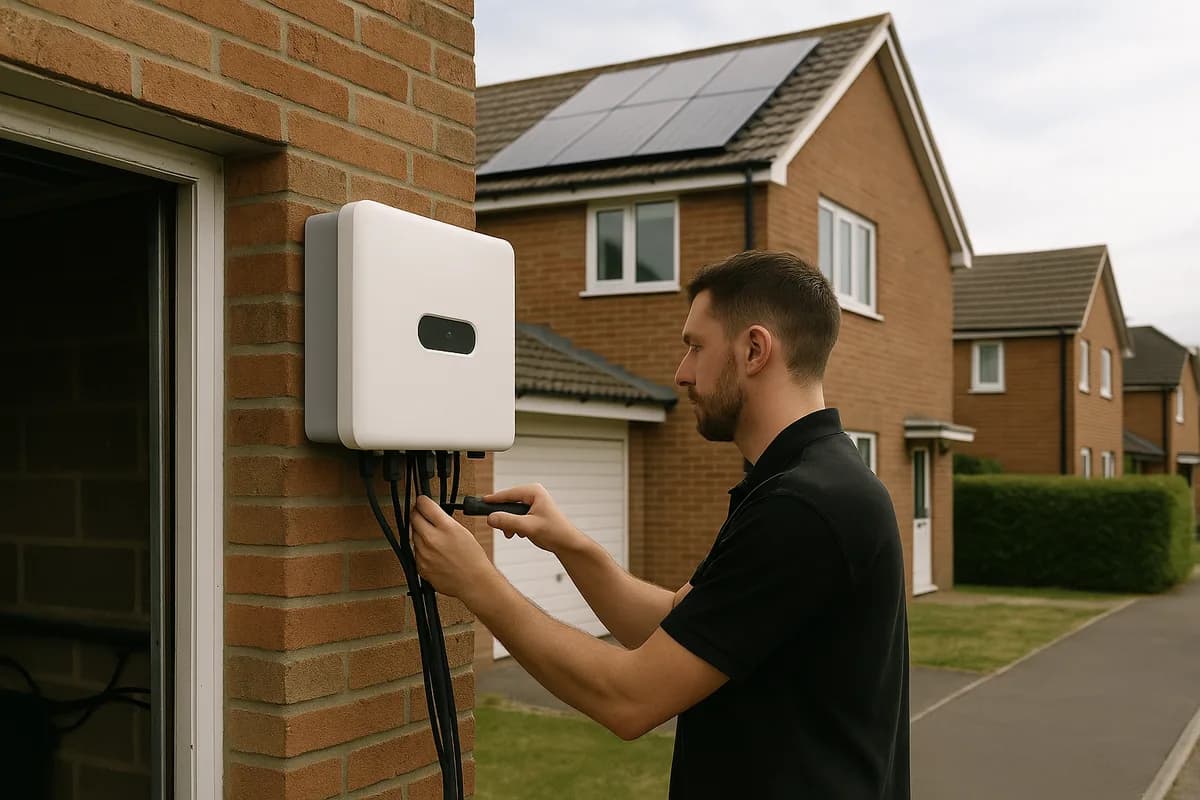
- Faulty DC connectors — improperly crimped MC4 connectors can create electrical arcs that generate heat. This is an installation error, not a panel defect.
- Water ingress — moisture entering junction boxes or connector interfaces can cause short circuits. Proper sealing and weatherproofing prevents this.
- Rodent/bird damage to wiring — animals chewing through DC cable insulation can cause arcing. Bird proofing and conduit protection prevents this.
- Substandard installation by unqualified individuals — DIY installations without proper electrical knowledge are the highest risk factor.
- Defective components — very rare with panels from reputable manufacturers. The MCS scheme only certifies products that pass rigorous safety testing.
- DC isolator switch failure — some older models of DC isolator switches were recalled due to overheating issues. Modern replacements are designed to prevent this.
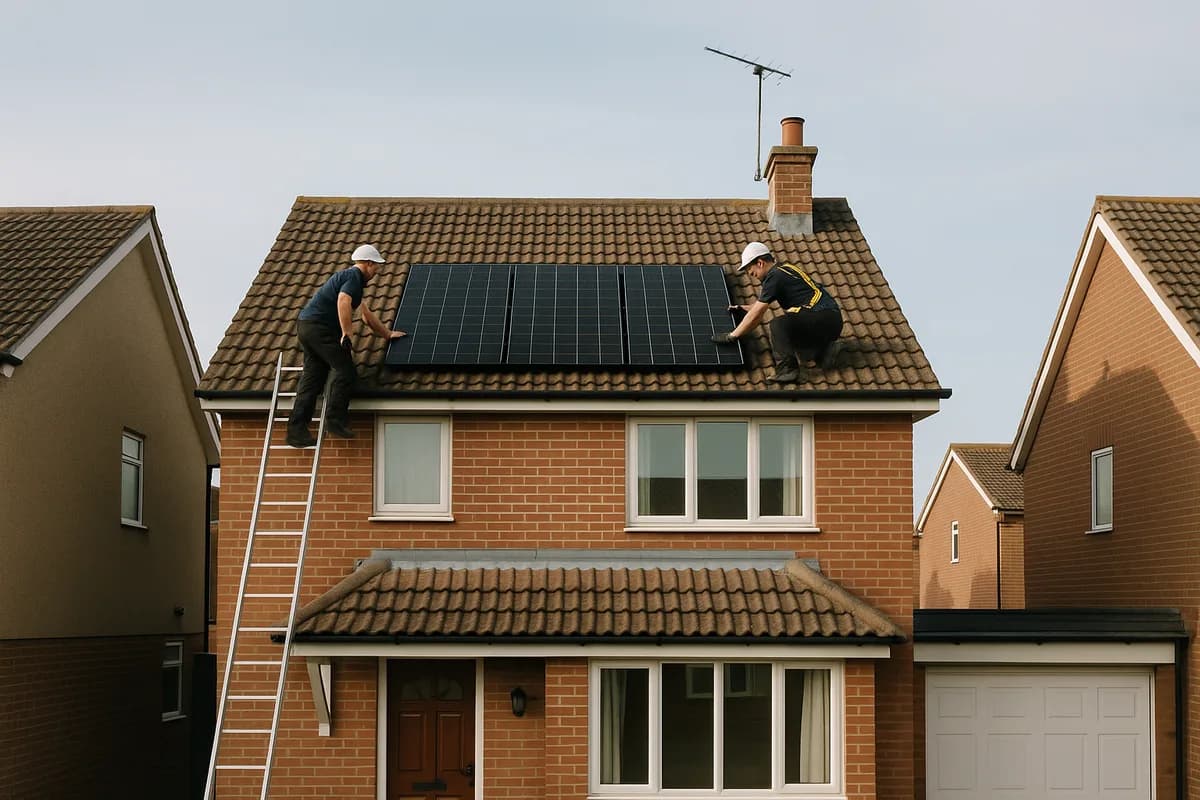
The common thread: Almost every solar fire traces back to an installation problem — not a panel manufacturing defect. Using an MCS-certified installer with quality components eliminates the vast majority of fire risk.
Source: BRE fire investigation reports; product recall data.
Ready to see what solar could save you?
Get free, no-obligation quotes from MCS-certified installers in your area.
Get Free Quotes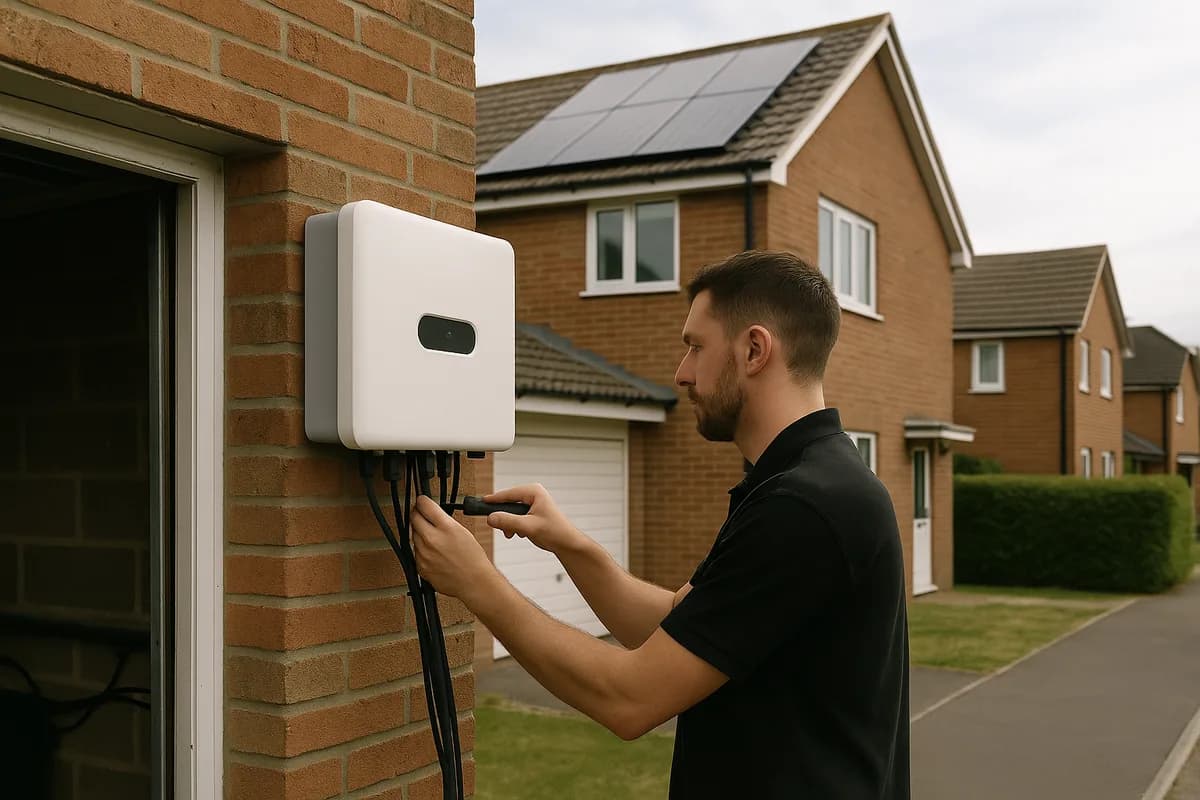
How to Minimise Fire Risk
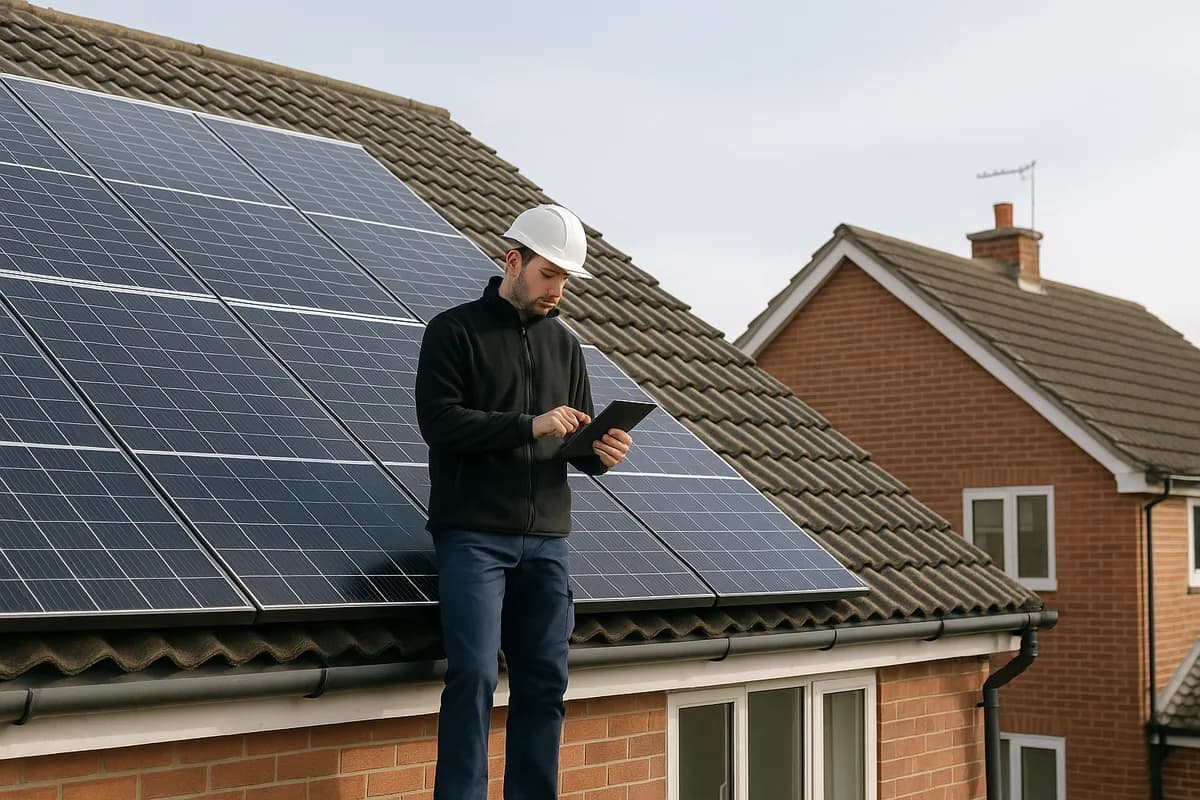
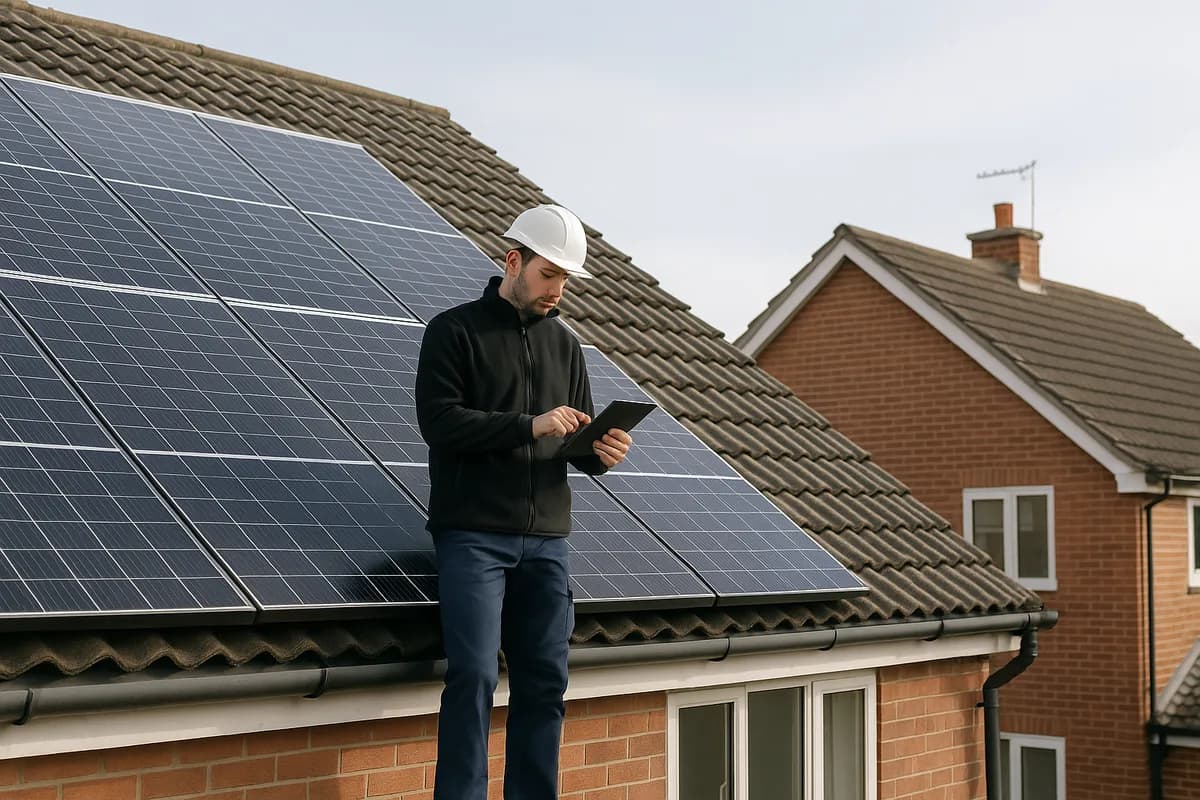
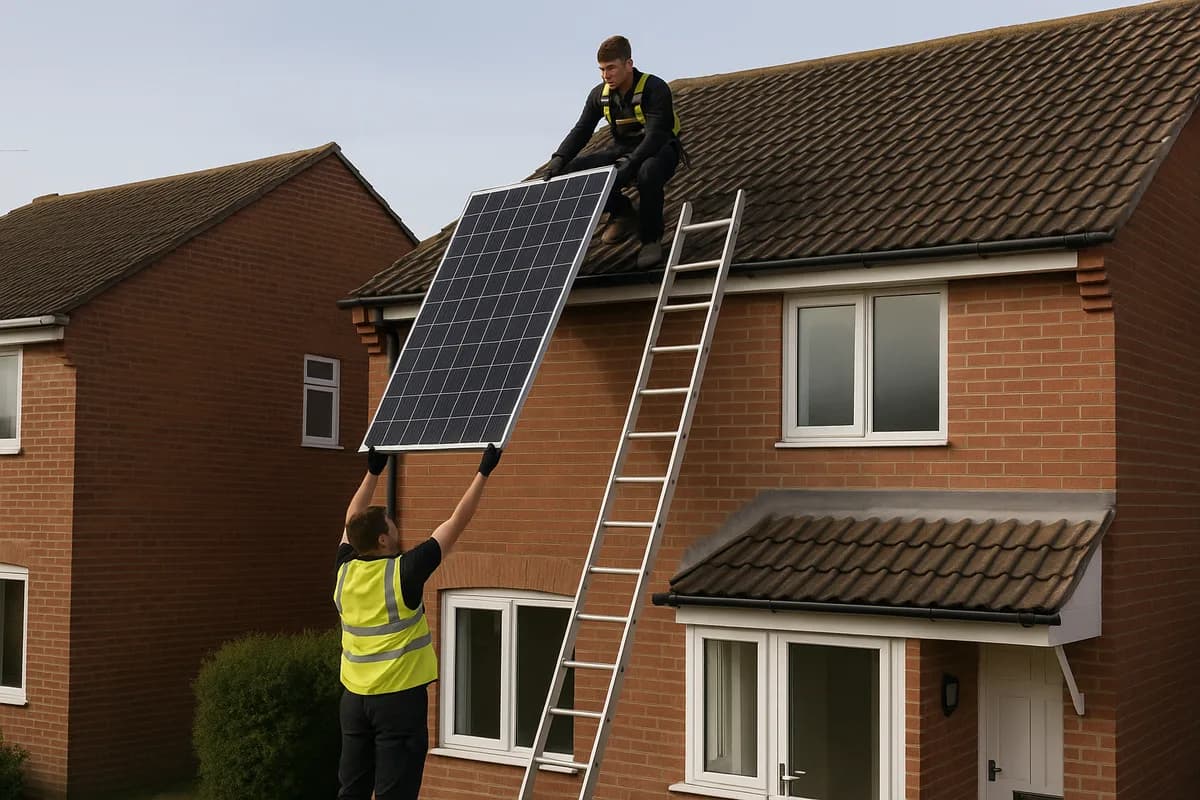
- Use an MCS-certified installer — this is the single most important safety measure. MCS standards require proper component selection, installation techniques, and testing.
- Insist on quality DC connectors — MC4 connectors from reputable manufacturers (Staubli, Amphenol) are rated for 25+ years. Avoid unknown brands.
- Install bird/pest proofing — prevents rodents chewing through cables under the panels
- Use fire-resistant DC cable conduit — DC cables between roof and inverter should run in fire-rated conduit, not loose on the wall
- Have DC and AC isolator switches installed and accessible — mandatory under UK regulations
- Annual visual inspection — check for any visible damage to cables, connectors, or the inverter
- Monitor your system — sudden output drops or inverter error codes can indicate electrical issues before they become dangerous
- Keep your MCS certificate and installation records — essential for fire investigation and insurance claims
What to Do in a Fire Involving Solar Panels
If a fire occurs at a property with solar panels:
1. Evacuate immediately — same as any fire. Do not attempt to fight the fire yourself. 2. Call 999 — inform the operator that the property has solar panels. This is important for firefighter safety. 3. If safe to do so, switch off the AC isolator — this disconnects the inverter from your home's electrical system. Do NOT go on the roof or touch DC cables. 4. Do NOT try to disconnect the panels — they produce DC electricity whenever light hits them and cannot be 'switched off' at the panel level.
UK fire services are trained for solar PV. Firefighters know that: - Panels produce DC electricity during daylight - The main risk is the DC wiring between panels and inverter - Water can be safely used to fight fires involving solar PV (with appropriate precautions) - The DC isolator at the inverter end should be switched off if accessible
Source: National Fire Chiefs Council (NFCC) solar PV guidance; London Fire Brigade operational guidance.
Frequently Asked Questions
Related guides
Related: Home Heating Systems
Solar panels are most powerful when combined with an efficient heating system. Heat pumps use solar-generated electricity to heat your home at 300-400% efficiency — making them the ideal partner for solar.
Heat pump installation typically takes 2-3 days and is best planned alongside solar.
From our sister site Home Heat Pump Guide
You might also like
Ready to see what solar could save you?
Get free, no-obligation quotes from MCS-certified installers in your area.
Get Free QuotesFree, no obligation. Takes 2 minutes.