Solar Panels & Grid Connection: G98 & G99 Explained
Ready to see what solar could save you?
Get free, no-obligation quotes from MCS-certified installers in your area.
Get Free QuotesFree, no obligation. Takes 2 minutes.
What are G98 and G99 for solar panels?
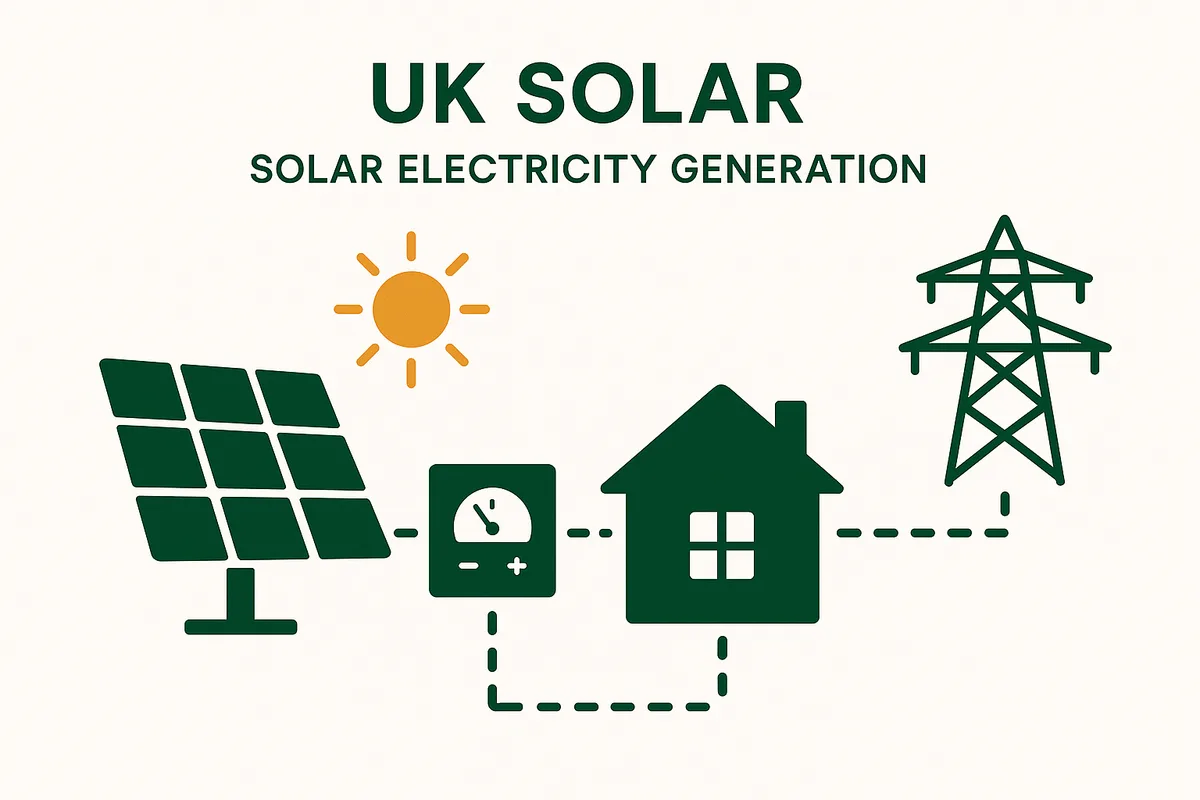
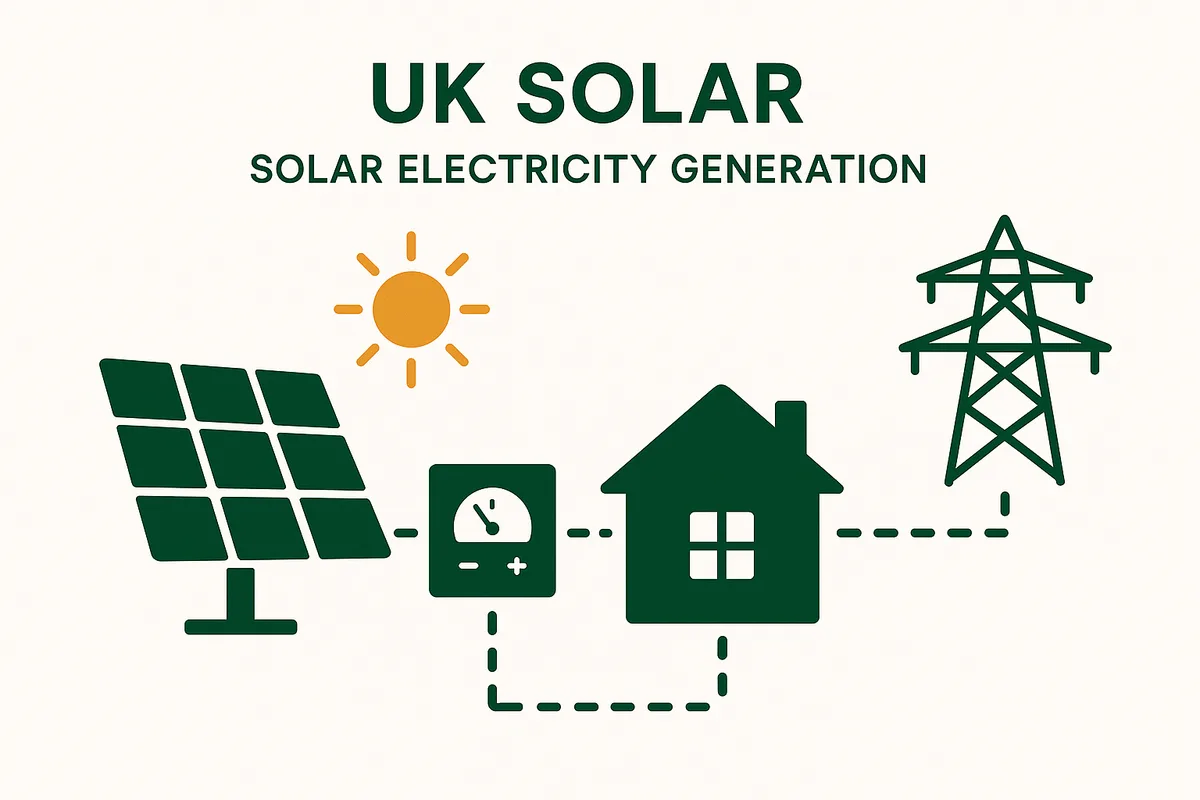
G98 and G99 are the UK standards that regulate how solar systems connect to the electricity grid. G98 covers systems under 3.68kW (simple notification — no approval needed, connects immediately). G99 covers systems 3.68kW to 50kW (application process — DNO has 11 working days to respond). Your MCS-certified installer submits the notification/application on your behalf. You do not need to contact the DNO directly.
G98: Systems Under 3.68kW
G98 applies to: Solar systems up to 3.68kW per phase (single phase)
Process: 1. Your installer completes the G98 notification form 2. The form is submitted to your DNO (Distribution Network Operator) within 28 days of connection 3. No approval is needed — the connection happens immediately 4. The DNO records the installation on their network register
Key points: - G98 is a NOTIFICATION, not an application — you are telling the DNO, not asking permission - There is no waiting period — your system can connect and generate from day one - Most 3kW residential systems fall under G98 - The 3.68kW limit applies per phase — most UK homes are single phase
Your DNO depends on your location: - UK Power Networks (UKPN): London, South East, East of England - Western Power Distribution (WPD/NGED): Midlands, South West, Wales - Northern Powergrid: North East, Yorkshire - SP Energy Networks: Central & Southern Scotland, North West England - SSE Networks: North of Scotland - Electricity North West: North West England
Source: ENA Engineering Recommendation G98; DNO connection standards.
G99: Systems 3.68kW to 50kW
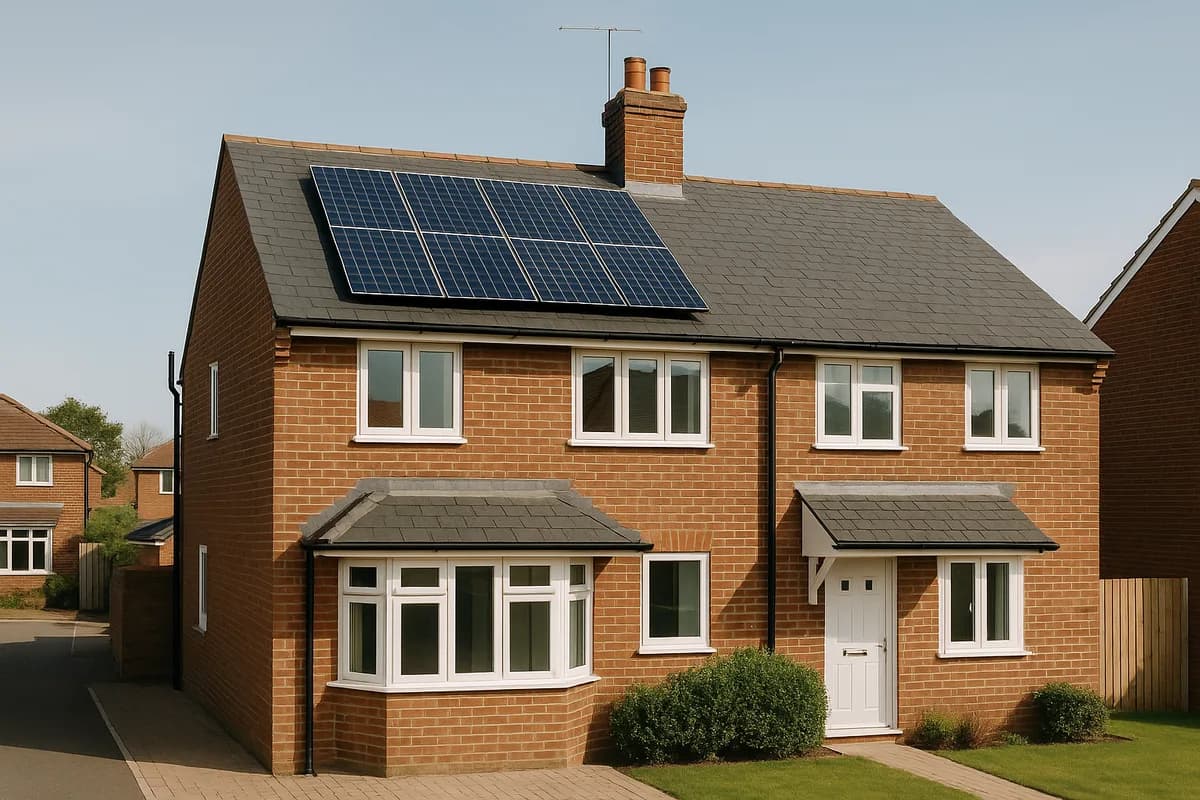
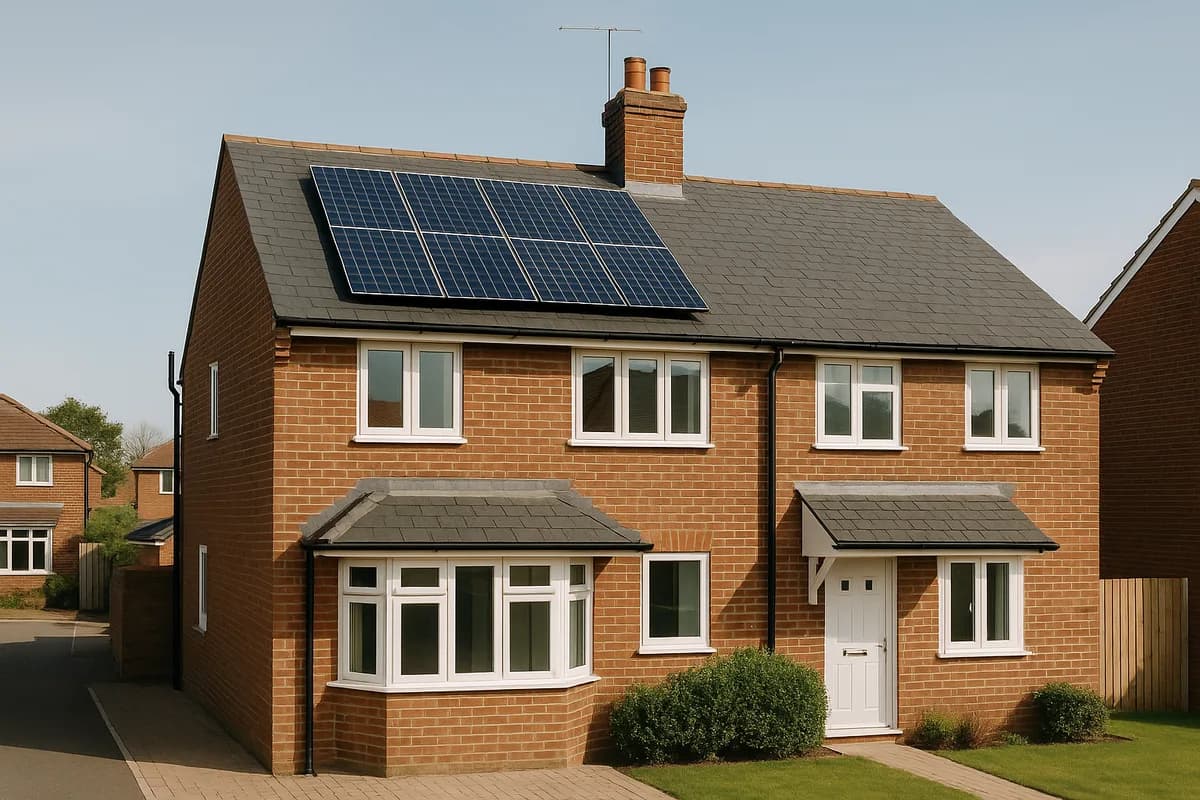
G99 applies to: Solar systems from 3.68kW to 50kW per phase
Process: 1. Your installer submits a G99 application to the DNO BEFORE installation 2. The DNO has 11 working days to respond 3. Most applications are approved automatically (no issues with the local network) 4. If the DNO identifies potential issues, they may request a connection study (takes up to 45 working days, free of charge) 5. Very rarely, a grid upgrade may be needed (costs vary — your installer will warn you) 6. Once approved, your system can be installed and connected
Key points: - G99 is an APPLICATION — you need DNO acknowledgement before connecting - Most 4kW and 5kW residential systems require G99 - The application process adds 2–6 weeks to the overall timeline - Your installer handles all paperwork — you do not contact the DNO directly - There is no fee for the G99 application or connection study
When the DNO may require a connection study: - Your area has many existing solar installations (high network saturation) - The local transformer is already heavily loaded - You are at the end of a long rural network spur - Your system is larger than typical for the area
Source: ENA Engineering Recommendation G99; DNO application guidance.
Ready to see what solar could save you?
Get free, no-obligation quotes from MCS-certified installers in your area.
Get Free Quotes
G98 vs G99: Quick Comparison
| Feature | G98 | G99 |
|---|---|---|
| System size | Up to 3.68kW | 3.68kW to 50kW |
| Process type | Notification | Application |
| Approval needed? | No | Yes (usually automatic) |
| Waiting period | None | 11 working days |
| Connection study? | Never | Rarely (45 days if needed) |
| Cost | Free | Free |
| Who submits? | Your installer | Your installer |
| When submitted? | Within 28 days of connection | Before installation |
| Can system connect immediately? | Yes | After acknowledgement |
Practical impact on you: - G98 (under 3.68kW): adds zero time to your installation timeline - G99 (3.68kW+): adds 2–6 weeks to your timeline (but your installer plans for this)
Source: ENA G98/G99 comparison.
What Happens After G98/G99 Registration?
Once your system is registered with the DNO:
1. Your system is legally connected to the grid — you can generate, use, and export electricity 2. You can register for the Smart Export Guarantee — SEG requires G98/G99 confirmation 3. The DNO knows about your system — if they need to work on the local network, they know there is a generator at your address 4. Your system is part of the network safety register — engineers know to check for solar when working nearby 5. Your MCS certificate is complete — G98/G99 confirmation is part of the MCS handover documentation
You do not receive a response from the DNO for G98 — it is a notification only. For G99, you receive an acknowledgement letter (usually via your installer).
Source: DNO connection process; MCS handover requirements.
Frequently Asked Questions
Related guides
You might also like
Ready to see what solar could save you?
Get free, no-obligation quotes from MCS-certified installers in your area.
Get Free QuotesFree, no obligation. Takes 2 minutes.